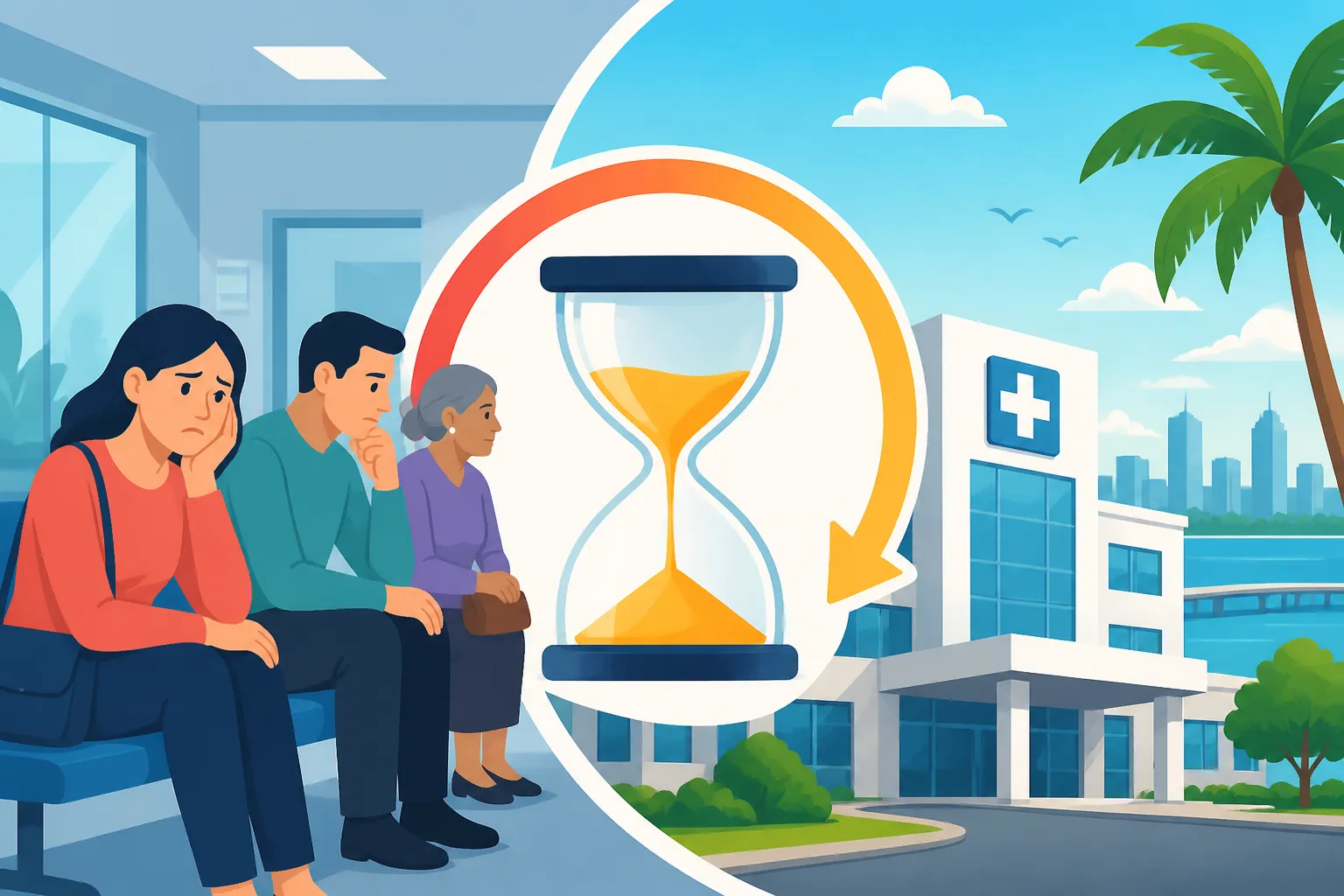
How Long Are Hospital Wait Times in Panama?
Let's be real, facing a medical situation in a foreign country is nerve-wracking enough without the added stress of not knowing how long you'll be waiting to see a doctor. When you’re in Panama and need care, understanding what to expect regarding hospital wait times can make a huge difference in managing your stress and getting the right treatment. This guide will dive deep into the realities of hospital wait times across Panama, from bustling city emergency rooms to quieter regional clinics, offering you a clear picture of what lies ahead.
Understanding the Landscape of Hospital Wait Times in Panama
Moving to a new country like Panama means adapting to a different healthcare rhythm, and wait times are a big part of that. It's not a one-size-fits-all situation here, and your experience can vary wildly depending on where you seek care and why. Many expats come here expecting the efficiency of North American or European systems, and while Panama's private healthcare can often deliver, the public system operates on a very different scale and speed.
Public vs. Private Healthcare Realities
The most crucial distinction to grasp when it comes to hospital wait times in Panama is the chasm between the public and private sectors. The public health system, primarily managed by the Caja de Seguro Social (CSS), serves the vast majority of Panamanian citizens and residents. It's a system that, while providing essential care, is often stretched thin, underfunded in certain areas, and characterized by significant queues. Imagine arriving at a CSS clinic with a persistent cough – you might spend several hours just waiting for initial triage, only to be told to come back for a specialist appointment weeks or even months later. This is a common reality for many.
On the flip side, Panama boasts a robust and highly modern private healthcare sector, especially in Panama City and other major hubs like David. Facilities such as Hospital Punta Pacifica, Hospital Nacional, and Centro Médico Paitilla offer state-of-the-art technology, well-trained, often bilingual staff, and a level of efficiency that can rival top-tier hospitals back home. In these private hospitals, wait times for scheduled appointments are generally minimal, often no more than 15-30 minutes for a specialist consultation. Even for non-emergency walk-ins or urgent care, you'll typically find yourself seen much faster than in the public system, though you'll certainly pay for that convenience. It's truly like stepping into two different worlds.
Factors Influencing Wait Times
Beyond the public-private divide, several other factors heavily influence how long you'll be cooling your heels in a waiting room. These elements can combine in various ways to either speed up or slow down your path to receiving care.
Firstly, location plays a huge role. In Panama City, the sheer volume of people means that even private hospitals can have busier periods, particularly for popular specialists or during flu season. However, regional cities like David or Santiago often have excellent private clinics with potentially shorter waits simply due to less demand. If you're out in a more rural area, access to care might be limited, and the nearest substantial hospital, whether public or private, could be a considerable drive, making the "wait" before you even arrive a factor in itself.
Secondly, the time of day and week are significant. Weekday mornings, especially Monday, are often the busiest across all types of facilities as people try to get their appointments out of the way before work. Late afternoons can also see a surge, particularly in emergency rooms as minor issues worsen throughout the day. Weekends and public holidays typically see fewer scheduled appointments but can mean longer waits in emergency departments as people have fewer alternatives. Seriously, trying to get anything done on a feriado (public holiday) in Panama is an exercise in patience!
Finally, the nature of your visit is paramount. Are you showing up with a life-threatening emergency, a sprained ankle, or a routine follow-up? Emergency cases, by their very definition, are triaged and seen based on severity. Someone having a heart attack will, and should, always jump the queue. For less urgent concerns, whether you're at a public or private facility, you'll fall into a different category, and your wait time will reflect that. Scheduled appointments for specialists like a dermatologist or a cardiologist will naturally be longer to secure in the first place, but once you're there, the actual waiting room time might be minimal, especially in private clinics.
Navigating Wait Times in Public Hospitals (CSS System)
Ah, the CSS. If you're an expat working for a Panamanian company, chances are you'll be contributing to the Caja de Seguro Social (CSS), Panama's public social security fund. While it offers comprehensive coverage, understanding how to navigate it, especially regarding wait times, is crucial. It’s a system designed to serve everyone, which means it’s often overburdened, leading to what can feel like endless delays.
The CSS Experience: What to Expect
When you step into a CSS facility, whether it's a Policlínica or a larger Hospital de la CSS, the immediate impression can be quite different from private hospitals. You'll often encounter crowded waiting areas, bustling corridors, and a palpable sense of urgency from the staff trying to manage the high patient volume. For non-emergency situations, your journey usually starts with registration, which can involve waiting in line just to get your paperwork processed. Then, you'll likely wait again for an initial consultation with a general practitioner. This first hurdle alone can take several hours, especially if you arrive without an appointment, which is common for initial assessments.
Once you've seen the general doctor, if they determine you need to see a specialist – say, an orthopedist for that nagging knee pain – that's when the real wait can begin. Securing a specialist appointment through the CSS can mean waiting weeks or even months. I've heard stories from fellow expats who've waited six months for a non-urgent eye appointment, or even longer for specific surgical consultations. This isn't due to a lack of care or competence, but rather the sheer volume of patients and the limited resources. Language barriers can exacerbate these frustrations; while some staff might speak a little English, many won't, making it harder to understand the process or advocate for yourself. For a deeper dive into the overall system, check out our guide on How Panama's Health System Works: CSS and Private Care Explained (2027).
Strategies for Minimizing Public Hospital Waits
While you can't magically eliminate the structural challenges of the public system, there are definitely some strategies you can employ to minimize your personal wait times and make the experience less daunting.
Firstly, arrive early, and I mean early. If you have an appointment, try to be there at least 30-60 minutes before it's scheduled. For walk-in situations, showing up right when the clinic opens (or even before) can put you ahead of the day's inevitable rush. Sometimes, simply being among the first to register can shave hours off your waiting time.
Secondly, understand the referral system and be persistent. If a general practitioner refers you to a specialist, don't just wait for a call. Follow up. Inquire about the process, ask if there's a cancellation list, and don't be afraid to politely but firmly check on the status of your referral. Sometimes, a bit of persistence, or having a Panamanian friend or family member help you, can make a significant difference. Learning How Specialist and Hospital Referrals Work in Panama is incredibly helpful here.
Finally, consider using CSS policlínicas for simpler, routine care, which often have slightly shorter waits than the larger hospitals. For truly urgent, but not life-threatening, issues, weigh the public emergency room against private urgent care clinics if you have private insurance or funds available. It's a pragmatic approach to a system that requires a certain level of savvy to navigate effectively.
Optimizing Your Experience in Private Hospitals
If you have private health insurance or are prepared to pay out-of-pocket, Panama's private hospitals offer a vastly different and generally much smoother experience when it comes to wait times. This is where many expats choose to receive their medical care, valuing efficiency, comfort, and often, English-speaking services.
Private Facilities: A Different World
Stepping into a private hospital like Hospital Punta Pacifica, Hospital Nacional, or Centro Médico Paitilla feels like entering a high-end hotel, rather than a typical hospital. The lobbies are often spacious and air-conditioned, the staff at the reception are usually bilingual, and the overall atmosphere is one of calm and efficiency. Here, the focus is on patient comfort and timely service. You’ll find modern diagnostic equipment, private rooms, and a comprehensive range of specialist services all under one roof. The contrast with the public system is stark; it’s not just about aesthetics, but about operational flow. If you want to know more about the fundamental differences, our guide on Understanding the Difference Between Public and Private Hospitals in Panama is a must-read.
For scheduled appointments, you can typically expect to be seen very close to your appointment time. Waiting for more than 15-30 minutes for a specialist is unusual, unless the doctor has been pulled away for an emergency or has had an unforeseen delay. This level of punctuality and comfort is a major draw for expats, especially those accustomed to similar standards in their home countries.
Booking Appointments and Walk-in Policies
Booking an appointment in a private Panamanian hospital or clinic is generally straightforward. Most major private facilities have online portals, dedicated phone lines, or even WhatsApp services for scheduling. You can usually call the hospital or clinic directly, or contact the individual doctor's office. Many doctors in Panama manage their own scheduling, even if they operate out of a hospital. When you're trying to How to Choose and Register with a Doctor or Clinic in Panama, it's always worth checking if they have an online booking system, as this can be the quickest way to secure a slot.
For minor, non-emergency issues like a cold, a minor rash, or a quick check-up, many private hospitals also have urgent care clinics (often called Clínica de Atención Primaria or Sala de Urgencias Menores) where you can walk in without an appointment. While there might still be a short wait (perhaps 30-60 minutes during peak times), it’s significantly less than what you’d encounter in a public emergency room for a similar issue. These clinics are an excellent option for when you need to see a doctor quickly but don't require full emergency services.
The Role of Private Health Insurance
Having private health insurance is really the game-changer when it comes to optimizing your experience in Panama's private healthcare system, especially concerning wait times and financial stress. With a good private policy, you're not just covering the costs; you're also often gaining access to a streamlined administrative process. Many international insurance providers, and even local Panamanian ones, have direct billing agreements with the major private hospitals and clinics. This means less time spent at the admissions desk dealing with payments and paperwork, and more time focused on your health.
If you don't have direct billing, you'll usually pay upfront and then How to Claim Reimbursement from Private Insurance in Panama. However, even this process is typically more efficient in private settings, with clear documentation provided to facilitate your claim. For those without full private health insurance, a good travel insurance option like SafetyWing can provide crucial coverage for unexpected medical emergencies, offering peace of mind and access to private facilities without the crippling out-of-pocket costs that can arise. SafetyWing is designed for nomads and remote workers, offering flexible and affordable coverage for unforeseen illnesses or injuries, which can be invaluable when you're caught off guard in Panama. This allows you to bypass the public system's long waits for anything serious. For those just arriving, learning How to Choose Private Health Insurance in Panama (2027) is a vital first step.
Emergency Situations: What You Need to Know
No one wants to think about a medical emergency, but being prepared can make all the difference, especially when you’re navigating a foreign country. In Panama, understanding how emergency services operate and what to expect in terms of wait times is crucial for every expat and tourist.
Public Hospital Emergencies
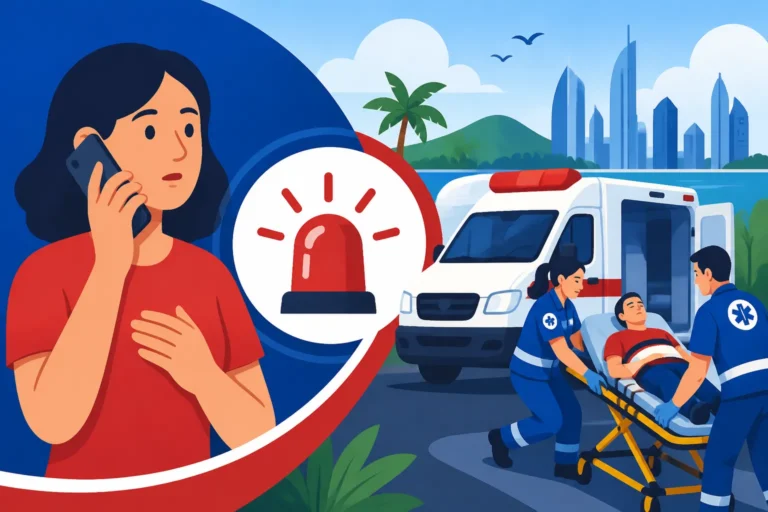
In Panama, true, life-threatening emergencies will always be prioritized, regardless of whether you end up in a public or private hospital. The triage system is in place to assess the severity of your condition and ensure that the most critical cases are seen first. So, if you or someone you're with is experiencing a heart attack, severe trauma, or any other immediate threat to life, rest assured you will be attended to promptly.
However, for anything less than a dire emergency, the public hospital emergency rooms (known as Salas de Urgencias) can be notoriously challenging in terms of wait times. You might arrive with a broken arm, a severe allergic reaction, or a high fever, and still find yourself waiting for hours. The process typically involves an initial assessment by a nurse, who will triage your condition. If it's not deemed life-threatening, you'll be assigned a category, and then you'll wait. And wait. I've heard countless stories of expats spending 6-8 hours or even more in public ERs for non-critical but urgent conditions. This is particularly true in larger CSS hospitals where patient volume is immense. It's not uncommon to see families bring food and drinks, settling in for what they know will be a long haul. For general information on preparing for the unexpected, our article on Emergency Medical Care in Panama: What Every Expat Needs to Know is a good resource.
Private Hospital Emergencies
The experience in a private hospital emergency room is, predictably, quite different. While critical cases will still take precedence, for less severe emergencies, you can expect significantly shorter wait times. Private ERs are typically less crowded, better staffed, and more efficient in processing patients. If you arrive at, say, Hospital Nacional with a bad cut that needs stitches, you’ll likely be seen, treated, and on your way in a fraction of the time it would take at a public facility. The initial triage will be quick, and the wait to see a doctor or specialist will usually be much shorter, often within minutes to an hour or two at most, even during busy periods.
The trade-off, of course, is the cost. Private emergency care, while excellent, comes with a higher price tag. This is where private health insurance, or even a robust travel insurance plan like SafetyWing, becomes invaluable. With insurance, you can access these quicker, higher-quality services without worrying about the immediate financial burden. Always make sure you understand your insurance policy regarding emergency care, especially if it involves direct billing or reimbursement. Knowing Understanding Emergency Numbers (911) and Ambulance Care in Panama is also essential, regardless of where you plan to seek treatment. Having your insurance information readily available and knowing your policy's emergency procedures can further smooth the process, allowing you to focus on getting well rather than administrative hurdles.
Comparing Wait Times: A Snapshot
To give you a clearer picture, here’s a general comparison of typical wait times you might encounter in Panama, based on the type of facility and the nature of your visit. Remember, these are estimates and can vary based on specific circumstances, doctor availability, and the time of year.
| Service/Situation | Public (CSS) Hospitals/Clinics | Private Hospitals/Clinics |
|---|---|---|
| Routine GP Visit | 1-3 hours (walk-in); 1-4 weeks (appointment) | 15-30 minutes (appointment); 30-90 minutes (walk-in urgent care) |
| Specialist Appointment | 2 weeks to 6+ months (after GP referral) | 1 day to 2 weeks (direct appointment) |
| Non-Critical Emergency | 4-8+ hours (e.g., broken arm, severe flu, deep cut) | 30 minutes to 2 hours (e.g., sprain, moderate allergic reaction) |
| Critical Emergency | Immediate (life-threatening conditions prioritized by triage) | Immediate (life-threatening conditions prioritized by triage) |
| Diagnostic Tests | Weeks to months (e.g., MRI, specialized blood tests) | Days to 2 weeks (often next-day availability for urgent tests) |
| Minor Procedures | Weeks to months (e.g., wart removal, small biopsies) | Days to 2 weeks |
This table really highlights why many expats, if they can afford it or have suitable insurance like SafetyWing, opt for the private system. The difference in accessibility and speed is substantial, especially for planned care and non-life-threatening urgent issues.
Disclaimer
The information provided in this guide is for general informational purposes only and does not constitute medical, legal, or financial advice. While we strive to provide accurate and up-to-date information, healthcare systems and regulations in Panama can change. Always consult with qualified medical professionals, legal experts, or insurance providers for advice tailored to your specific situation. We are not responsible for any actions taken based on the information in this article.