How Much Does a Blood Test Cost in Panama?
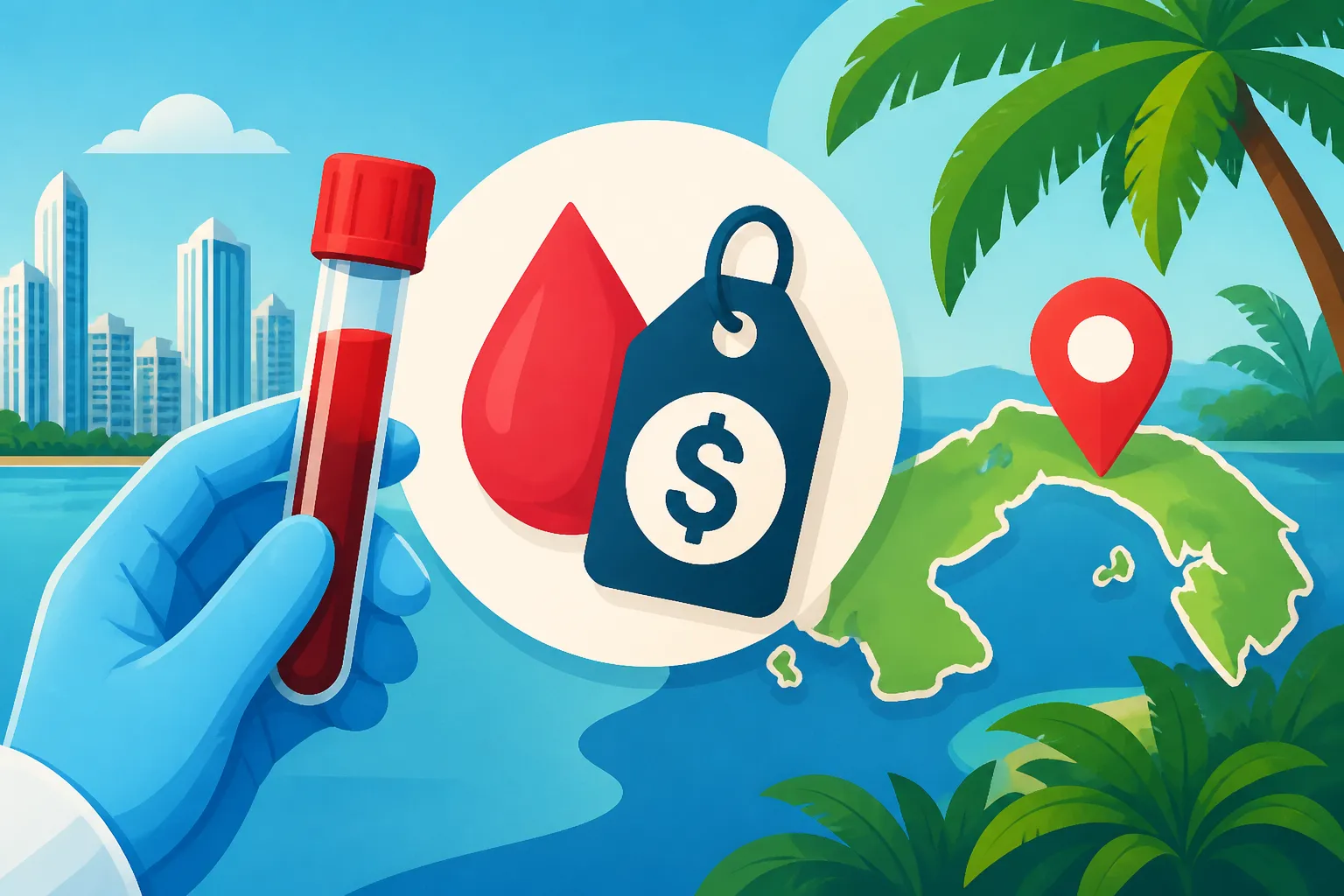
Navigating the healthcare system in a new country can be one of the most daunting aspects of expat life, and Panama is no exception. While the quality of care, particularly in private facilities, is often excellent, understanding costs for routine procedures like blood tests can feel like a guessing game. You walk in, you get the test, and then you're hit with a bill that leaves you scratching your head. This guide is designed to demystify the typical costs of blood tests in Panama, helping you understand what to expect and how to manage these expenses, whether you're dealing with a sudden illness or just keeping up with your annual check-up.
Understanding the Landscape of Blood Testing in Panama
When it comes to getting a blood test in Panama, you're generally looking at two main avenues: the public health system and private laboratories. Each has its own set of characteristics in terms of cost, speed, and overall experience, and knowing the difference is crucial for expats.
Public vs. Private Labs
The public healthcare system in Panama, primarily managed by the Caja de Seguro Social (CSS), offers extremely affordable or even free blood tests if you're a contributor to the system. However, as many expats quickly discover, "affordable" often comes with the caveat of "long wait times" and "more bureaucracy." You might need a referral from a CSS doctor, and then you'll queue up at one of their designated labs. The facilities can be basic, and while the staff are professional, the sheer volume of patients means efficiency sometimes takes a backseat. For many, the savings are significant, but the time commitment and potential language barrier can be a real frustration. It’s a trade-off many of us have had to weigh. If you're wondering how to even get into this system, you might want to read our guide on how Panama's Health System Works: CSS and Private Care Explained.
Private laboratories, on the other hand, offer a much more streamlined and comfortable experience. These are often standalone facilities or labs attached to private hospitals and clinics. Think places like LabPac, or the labs within top-tier hospitals like Hospital Punta Pacifica or Hospital Nacional. Here, you'll find modern equipment, typically shorter wait times, and often English-speaking staff, especially in Panama City. The convenience is undeniable – you can often walk in with a doctor's order and get your tests done within minutes. However, this convenience comes at a higher price point. For many expats, especially those used to swift service, the private option is the preferred route, even if it means digging a bit deeper into your pockets. It's often the quickest way to get things done when you're busy or feeling unwell.
Factors Influencing Blood Test Costs
The price you'll pay for a blood test in Panama isn't a fixed figure; it's a dynamic number influenced by several key factors. Understanding these can help you anticipate expenses and make informed decisions.
First off, the type of test is the biggest determinant. A basic complete blood count (CBC) or a glucose test will naturally be far cheaper than a specialized hormone panel, advanced genetic screening, or a comprehensive STD panel. Some tests require specific reagents or complex analysis, which drives up the cost. If your doctor orders a battery of tests, the total cost can quickly add up, so always ask for a detailed breakdown if you're concerned.
Secondly, the location and reputation of the lab play a significant role. Labs in exclusive areas of Panama City, or those attached to high-end private hospitals, typically charge more than smaller, independent labs in less affluent neighborhoods or those in more rural areas like David or Santiago. A brand-name lab with a reputation for cutting-edge technology and quick results can command higher prices. This isn't just about overheads; it's also about perceived value and the level of service offered, including things like direct billing with insurance providers.
Finally, urgency can impact the price. If you need results within hours due to an emergency, some private labs will offer "rush" services, often at a premium. While invaluable in a critical situation, this isn't something you want to opt for if a standard turnaround time will suffice. Always clarify if there's an extra charge for expedited results when you’re making arrangements, as it’s not always obvious.
Typical Costs for Common Blood Tests
Let's get down to the brass tacks: what can you actually expect to pay for various blood tests here in Panama? Keep in mind these are general ranges, and prices can fluctuate based on the specific lab and any promotions they might be running. It’s always a good idea to call ahead and ask for a quote, or simply check their posted price lists.
Routine Panels (e.g., CBC, Cholesterol, Glucose)
These are the bread and butter of annual check-ups and general health screenings. They’re usually the most affordable.
- Complete Blood Count (CBC): This test checks for anemia, infection, and other conditions. In a public CSS lab, if you qualify, it might be virtually free or cost just a few dollars for processing. At a private lab, you’re looking at anywhere from $20 to $40.
- Lipid Panel (Cholesterol, Triglycerides): Essential for cardiovascular health monitoring. Expect to pay around $30 to $60 at most private clinics. Again, significantly less if done through the public system, but with the associated wait.
- Glucose Test (Blood Sugar): Crucial for diabetes screening. Private labs usually charge between $15 and $30. It’s a very common and straightforward test.
- Basic Metabolic Panel (BMP): Includes glucose, calcium, electrolytes, and kidney function tests. For this more comprehensive look, private lab costs can range from $40 to $80.
Many labs offer "packages" for routine screenings that combine several of these tests at a slightly reduced overall price. For example, a "general check-up panel" might include a CBC, lipid panel, and glucose test for around $75-$120. These can be a cost-effective way to get a good overview of your general health. It's worth comparing the specifics of what each package includes before committing.
Specialized Tests (e.g., Hormone, Vitamin D, STD Panels)
When your doctor needs a deeper dive into specific health markers, you'll encounter specialized tests, which are, predictably, more expensive due to their complexity and the specific reagents required.
- Hormone Panels (Thyroid, Estrogen, Testosterone): These can vary widely depending on how many hormones are being tested. A basic TSH (Thyroid-stimulating hormone) test might be $40-$70. More extensive hormone panels can easily run into the $100-$300+ range.
- Vitamin D Levels: A very common test requested by doctors, especially in sunny Panama where ironically, many still have deficiencies. Expect to pay between $80 and $150 at most private labs. This is often an out-of-pocket expense if your insurance doesn’t deem it medically necessary.
- STD Panels: Comprehensive screening for sexually transmitted diseases involves multiple tests. A full panel can range from $150 to $400 or more, depending on the specific infections being screened for. Individual tests, like HIV screening, might be around $50-$100 on their own.
- Specific Antigen Tests (e.g., PSA for Prostate Cancer): These specialized markers also fall into the higher price bracket, typically costing $50 to $100.
- Genetic or Advanced Diagnostic Tests: If you're looking at things like specialized cancer markers, advanced immunology, or genetic screenings, the costs can skyrocket into hundreds or even thousands of dollars. These are usually done in highly specialized labs, sometimes even requiring samples to be sent abroad, which adds to the expense and turnaround time.
Remember, for specialized tests, it’s even more important to get a clear quote from the lab, as prices can differ considerably between facilities.
Emergency vs. Scheduled Tests
The immediate need for a blood test can also impact its cost. If you're in the emergency room of a private hospital, needing tests run right now to diagnose a critical condition, those tests will often be bundled into the overall emergency service fee and might effectively be more expensive due to the urgency. The lab technicians might be on call, or the equipment designated for immediate results might incur higher operational costs.
For scheduled appointments, especially for routine check-ups, you have the luxury of shopping around. You can call different private labs, compare their prices for the specific tests your doctor has ordered, and choose the one that offers the best value. Some labs even have specific hours when they offer slightly reduced rates for certain tests or provide discounts for cash payments. Always inquire if there are any current promotions. This flexibility isn't available when you're in an urgent situation, so planning ahead for non-critical tests is always a wise strategy.
How to Navigate and Potentially Reduce Costs
Understanding the costs is one thing, but actively finding ways to manage or reduce them is where the real expat savvy comes into play. It's not always about finding the absolute cheapest option, but the smartest one for your situation.
Doctor Referrals and Prescriptions
In Panama, it's generally best to have a doctor's order (a prescription) for any blood tests you need. While some private labs might allow you to walk in and request specific tests without a doctor's note, having one is crucial for a couple of reasons. Firstly, it ensures that the tests are medically appropriate for your symptoms or health goals. Secondly, and perhaps most importantly for your wallet, it's almost always a requirement if you plan to claim the costs through your health insurance. Insurers, whether local or international, want to see that a medical professional deemed the test necessary.
When your doctor writes the order, ensure it's clear and specifies exactly what tests are needed. Don't be shy about asking your doctor if certain tests are absolutely essential or if a more basic panel would suffice for your current concerns. A good doctor will be transparent about the necessity of each test. If you're seeing a doctor in the public system, they will provide the necessary referral for CSS labs. For private doctors, their referral will generally be accepted at any private lab. If you're still looking for a healthcare provider, check out our guide on How to Choose and Register with a Doctor or Clinic in Panama.
Leveraging Health Insurance
This is where your financial planning really pays off. If you have private health insurance in Panama, most policies will cover a significant portion, if not all, of medically necessary blood tests. This includes both local Panamanian insurance plans and many international policies. Before getting any tests done, always contact your insurance provider or check your policy details to confirm coverage. Inquire about deductibles, co-pays, and any specific labs that are preferred providers, as going to an in-network lab can often result in lower out-of-pocket costs.
For those still establishing themselves or working as digital nomads, international health insurance providers like SafetyWing can be a lifesaver. These plans are specifically designed for travelers and expats, often providing coverage for diagnostic tests, including blood work, in various countries. While they might operate on a reimbursement basis, meaning you pay upfront and then submit a claim, they can significantly mitigate the financial burden. Understanding your plan's specifics, especially for "Understanding Out-of-Pocket Healthcare Costs and Co-Pays in Panama", is paramount. Don't assume anything; a quick call to your insurer can save you a lot of hassle and money down the line.
Comparing Labs and Negotiating Prices
One of the best strategies for managing costs, particularly for non-emergency blood tests, is to shop around. Just as you would for any other service, different private laboratories will have different pricing structures for the same tests.
- Get Quotes: Don't be afraid to call a few different private labs in your area and ask for specific quotes for the tests your doctor has ordered. Be precise with the test names.
- Check for Packages: As mentioned earlier, many labs offer bundled packages for routine check-ups. Compare what's included and the total price to see if it's more cost-effective than getting individual tests.
- Ask About Discounts: It never hurts to ask if they offer any discounts for cash payments, new patients, or specific days of the week. Some labs, especially smaller ones, might be more flexible.
- Location Matters: Consider labs outside the most premium areas of Panama City. Sometimes, a short drive to a reputable lab in a slightly less central neighborhood can yield noticeable savings.
By taking a proactive approach, you can often find a quality lab that fits within your budget. This kind of diligent research is a skill many expats quickly develop when living abroad!
What to Expect During Your Blood Test in Panama
Once you've navigated the referral process and chosen your lab, the actual blood test itself is usually a straightforward affair. However, knowing the general process can help ease any anxieties.
The Process: From Arrival to Results
When you arrive at a private lab, you'll typically check in at a reception desk. You'll need to present your doctor's order, your passport or cedula (residency ID), and your insurance card if you plan to use it. They’ll likely ask you to fill out some basic paperwork. Many labs will also ask about any specific preparations you’ve made, such as fasting, if required for your tests.
After registration, you’ll be directed to a waiting area. Private labs are generally very efficient, so your wait time might be minimal, often just a few minutes. You’ll then be called into a phlebotomy room. The technician (flebotomista) will confirm your name and the tests ordered, explain the procedure, and then draw your blood. Panamanian healthcare professionals are generally skilled and gentle. Once the blood is drawn, you’ll be given instructions for aftercare, such as keeping pressure on the site to prevent bruising.
For public CSS labs, the process can be similar, but expect longer queues at each step – registration, waiting for the draw, and sometimes even for initial consultation if you don't have a direct referral to the lab. Patience is definitely a virtue in the public system!
Getting Your Results and Follow-Up
The turnaround time for results varies significantly depending on the test. Routine tests like a CBC or glucose can often have results ready within 24 hours, sometimes even the same day if done early enough in a private lab. More specialized tests, especially those requiring complex analysis, might take several days to a week. If samples need to be sent out of the country for very rare tests, it could take even longer. The lab will usually inform you of the expected timeframe.
Most private labs offer multiple ways to retrieve your results:
- Online Portal: Many modern labs have secure online portals where you can access and download your results with a unique ID and password. This is incredibly convenient.
- Email: Some will email results directly to you or your doctor, though often password-protected for privacy.
- In-Person Pickup: You can usually return to the lab to pick up a physical copy of your results.
- Direct to Doctor: Your results might be sent directly to your referring physician, who will then contact you to discuss them.
Once you have your results, it's crucial to follow up with your doctor. They are the best person to interpret the findings, explain what they mean for your health, and advise on any necessary next steps, treatments, or further investigations. Don't try to self-diagnose based purely on lab values you find online – that's a quick route to unnecessary stress!
Here's a quick comparison of common blood test costs:
| Test Type | Estimated Public Lab Cost (USD) | Estimated Private Lab Cost (USD) | Notes |
|---|---|---|---|
| Complete Blood Count (CBC) | $0 – $5 | $20 – $40 | Checks for anemia, infection. |
| Glucose (Blood Sugar) | $0 – $5 | $15 – $30 | Diabetes screening. Fasting often required. |
| Lipid Panel (Cholesterol & Trig.) | $0 – $10 | $30 – $60 | Cardiovascular health. Fasting usually required. |
| Basic Metabolic Panel (BMP) | $0 – $10 | $40 – $80 | Includes glucose, electrolytes, kidney function. Fasting recommended. |
| Thyroid Stimulating Hormone (TSH) | $5 – $20 | $40 – $70 | Checks thyroid function. |
| Vitamin D Level | $10 – $30 | $80 – $150 | Can be an out-of-pocket expense if not medically critical. |
| Urinalysis | $0 – $5 | $15 – $25 | Checks for UTIs, kidney issues. |
| Liver Function Tests (LFTs) | $5 – $15 | $30 – $70 | Checks liver health. |
| HIV Screening | $0 – $10 | $50 – $100 | Confidential testing. |
| Prostate Specific Antigen (PSA) | $5 – $15 | $50 – $100 | Prostate cancer screening for men. |
| Comprehensive Health Panel (Pkg.) | N/A | $75 – $150 | Often includes CBC, Lipid, Glucose, LFTs, Kidney Function, etc. (Private only) |
Note: Public lab costs are generally for CSS contributors; non-contributors or those without referrals will likely be charged more or directed to private options.
Disclaimer
The information provided in this article is intended for general informational purposes only and does not constitute medical, financial, or legal advice. While we strive to provide accurate and up-to-date information, healthcare costs and regulations in Panama can change. It is always recommended to consult with a qualified healthcare professional, an insurance provider, or a legal expert for advice tailored to your specific situation. We are not liable for any decisions made based on this information.