How Do I Register as a Sole Trader in Panama?
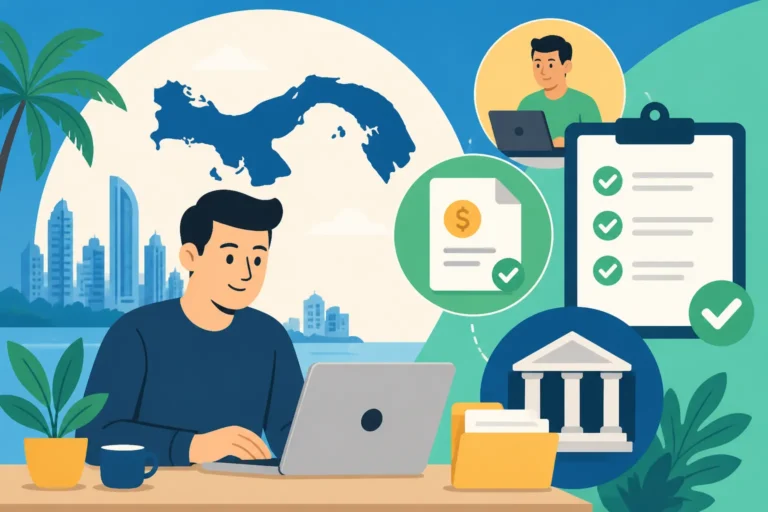
Ah, the dream of being your own boss in Panama! It's a fantastic idea for many expats, whether you're a consultant, a digital marketer, a freelance writer, or even starting a small local service. But let's be real, the administrative side of things here can feel like navigating a jungle without a map. Getting officially set up as a sole trader, known locally as a Persona Natural, can seem daunting, but this guide is here to walk you through every bend in the path, making sure you understand exactly how to formalize your independent venture in Panama.
Understanding the Sole Trader Concept in Panama: Persona Natural
When you decide to go it alone and offer your services or goods directly to clients here in Panama, you're looking at registering as a "sole trader," which in Panamanian legal terms is referred to as a Persona Natural for business purposes. This is distinct from forming a company, or Persona Jurídica, like a corporation (S.A.) or limited liability company (S.R.L.). For most freelancers, consultants, or small business owners who are essentially operating as individuals, the Persona Natural route is often the simplest and most direct path.
The key difference with a Persona Natural is that you, the individual, are legally inseparable from your business. This means your personal assets and liabilities are directly tied to your business operations. While this offers simplicity in setup and fewer ongoing administrative burdens compared to a corporation, it also means you bear full personal responsibility for any business debts or legal issues. It's a common choice for those just starting out or providing services that don't carry high financial risk, such as teaching English online, offering tech support, or running a small artisanal craft business. For larger ventures or those with significant risk, consulting with a Panamanian lawyer about forming a Persona Jurídica might be a wiser move down the line.
Many expats find this route appealing because it allows them to quickly begin earning income legally without the complexities and higher costs associated with corporate structures. It's truly for individuals who are taking their skills and offering them directly to the market.
Step-by-Step Guide to Registering as a Sole Trader (Persona Natural)
Getting your sole trader status squared away involves a couple of main steps, primarily dealing with Panama's tax authority and the municipality where you'll be operating. Don't worry, it sounds more intimidating than it usually is, especially once you break it down.
Getting Your RUC Tax Identification Number
The very first piece of the puzzle, and arguably the most crucial, is obtaining your Registro Único de Contribuyente (RUC). This is your unique tax identification number, essentially your business's social security number, issued by the Dirección General de Ingresos (DGI), which is Panama's tax agency. You'll need this for pretty much everything else, from getting your commercial license to opening a business bank account, if you choose to do so.
To get your RUC as a Persona Natural, you generally need to be a legal resident of Panama with a cédula E (your resident ID card). If you're still on a provisional residency or haven't quite gotten your cédula yet, you might face some additional hurdles, so it's always best to be firmly established as a resident first.
Here's how the process typically unfolds:
- Gather Your Documents: You'll need your passport, your Panamanian residency card (cédula E), and proof of address (a utility bill in your name usually works). Make sure you have copies of everything, and often the DGI will want to see the originals too.
- Access the DGI Online Portal: Panama has been trying to modernize its bureaucracy, and a lot of the initial steps can now be done online through the DGI's e-Tax 2.0 portal. If you haven't already, you'll need to create an account. This can sometimes be a bit clunky, so patience is your friend here. Once logged in, you'll look for the option to register as a new taxpayer or update your information to include economic activity.
- Fill Out the Application: You'll be asked to provide your personal details, your residency information, and most importantly, describe the economic activity you'll be undertaking. There are specific codes for different activities, and sometimes it can be tricky to find the perfect fit. If you're unsure, it's a good idea to consult with a local accountant. They can help ensure you select the correct code, which impacts how your business is classified for tax purposes.
- Submission and Follow-up: After submitting your application online, you might need to visit a DGI office in person to finalize the registration, especially if they need to verify original documents or clarify any information. Be prepared for queues and make sure you dress appropriately. Once approved, you'll receive your RUC number. This can take anywhere from a few days to a couple of weeks, depending on the DGI's workload and whether your application had any issues. For a deeper dive, you might want to look into "How to Register with the DGI (Direccion General de Ingresos) in Panama".
Obtaining Your Municipal License (Aviso de Operación)
With your RUC in hand, the next critical step is to obtain your Aviso de Operación, or Notice of Operation. This is essentially your municipal business license, granting you permission to operate your specific type of business activity within Panama. For Persona Natural sole traders, this process is usually handled through the "Panama Emprende" portal, an online platform designed to streamline business registrations.
Here's what you need to know:
- Access the Panama Emprende Portal: Head to the Panama Emprende website. You'll need to create an account if you don't already have one, linking it to your RUC.
- Input Your Business Details: You'll be asked for information about your business, including your RUC, your proposed business name (which for a Persona Natural is often just your own name), your physical address of operation (even if it's a home office, you need an official address), and a detailed description of your economic activity. This is where selecting the correct activity code from the DGI earlier becomes crucial, as it should align here.
- Upload Required Documents: Typically, you'll need to upload digital copies of your RUC certificate, your cédula, and a recent utility bill as proof of your business address.
- Pay the Fee: There's usually a small administrative fee associated with obtaining the Aviso de Operación. This fee varies depending on the type of activity and the municipality, but for sole traders, it's generally quite manageable.
- Review and Approval: Once you submit your application and pay the fee, the system will process it. Many Avisos de Operación for Persona Natural can be generated almost instantly if all information is correct and the activity is straightforward. For others, it might take a few days for municipal review. Upon approval, you can download and print your Aviso de Operación. Keep this document safe, as you might need to display it or present it for various official purposes.
Other Potential Registrations
Depending on your specific profession or business activity, you might have additional registration requirements.
- Social Security (CSS): While employed individuals have their social security contributions handled by their employer, as a self-employed Persona Natural, you have the option to make voluntary contributions to the Caja de Seguro Social (CSS). This isn't strictly mandatory for all sole traders, especially if your income is solely from foreign sources and you're not paying into the Panamanian system in other ways. However, it's worth considering for future benefits like pension, sickness, and maternity coverage. You can explore this further by checking out "Understanding Social Security (CSS) Contributions in Panama".
- Professional Licenses: If your work falls under a regulated profession (e.g., doctor, lawyer, architect, engineer), you will need to register with the relevant professional college or board and obtain the necessary licenses to practice legally in Panama. This is a separate process and often requires your foreign qualifications to be recognized here, which can be a lengthy administrative journey.
Navigating Taxes and Ongoing Compliance for Sole Traders
Now that you're officially registered, understanding your tax obligations is paramount. Panama operates on a territorial tax system, which is often a big draw for expats, but it's crucial to grasp what that truly means for your specific income streams.
Income Tax and ITBMS (VAT)
As a Persona Natural operating a business, you will be subject to Panamanian income tax on Panamanian-sourced income. This is where the territorial tax system comes into play:
- Panamanian-Sourced Income: If you are providing services to clients within Panama, or if the economic activity generating your income occurs within Panama, then that income is considered Panamanian-sourced and is taxable here. This income will be subject to Panama's progressive income tax brackets.
- Foreign-Sourced Income: If you are, for example, a digital nomad providing services solely to clients outside of Panama, and your income originates and is paid from outside Panama, that income is generally considered foreign-sourced and is not taxed in Panama. This distinction is vital and often misunderstood. However, it's crucial to maintain clear documentation proving the foreign source of your income.
Many expats find this aspect of Panamanian tax law highly beneficial. However, determining what constitutes "Panamanian-sourced" versus "foreign-sourced" can sometimes be complex and is best clarified with a local tax professional. This is precisely where a resource like Taxes for Expats can be incredibly helpful, as they specialize in untangling these international tax nuances. They can help you understand your specific situation and ensure compliance, preventing any headaches down the road.
ITBMS (Impuesto de Transferencia de Bienes Muebles y Servicios – VAT): This is Panama's equivalent of Value Added Tax (VAT). Currently, the general ITBMS rate is 7%. As a Persona Natural, you are generally required to register for and charge ITBMS if your gross annual income exceeds a certain threshold (currently B/. 36,000 per year). If your income is below this, you are not required to charge or collect ITBMS. However, once you cross that threshold, you must register, charge it on your services or goods, and then remit it to the DGI periodically. This is an important threshold to monitor as your business grows. You can learn more by reading "Understanding Income Tax in Panama (2026)" for a broader view.
Social Security Contributions
As mentioned, self-employed individuals have the option, but generally not the obligation (unless under specific contract types), to contribute to the CSS. This is a voluntary choice that many consider for their long-term security. If you choose to contribute, you'll need to register with the CSS as an independent worker and make regular payments based on a declared income. This provides access to healthcare services through the public system and contributes to your future pension. It's a personal decision based on your circumstances and long-term plans in Panama.
Tips for Thriving as a Sole Trader in Panama
Beyond the official registrations and tax considerations, there are practical steps you can take to make your sole trader journey in Panama smoother and more successful.
Banking and Financial Management
One of the first things you should do, even as a Persona Natural, is to keep your business finances separate from your personal ones. This makes tracking income and expenses for tax purposes infinitely easier.
- Opening a Bank Account: While a dedicated "business account" for a Persona Natural might be slightly different than for a corporation, most Panamanian banks like Banco General or Banistmo will allow you to open a separate personal account that you designate for your business income and expenses. This helps immensely with record-keeping. Be prepared with your RUC, Aviso de Operación, and proof of income for the bank account opening process. It’s a bit more involved than just walking in, but it’s definitely doable. For detailed guidance on this, check out "The Expat Guide to Opening a Bank Account in Panama".
- Record Keeping: Whether you use a simple spreadsheet or accounting software, meticulous record-keeping is vital. Keep copies of all invoices, receipts for business expenses, and bank statements. This will save you endless headaches come tax filing season and is essential for demonstrating the source of your income, especially for foreign-sourced claims.
Language and Networking
Panama is a diverse country, but Spanish is the official language, and proficiency will open many doors, both personally and professionally.
- Learn Spanish: While many Panamanians in Panama City, especially in business and tourism, speak English, daily life and government bureaucracy are primarily in Spanish. Being able to communicate effectively will make dealing with the DGI, banks, and potential local clients much easier. If you're looking to brush up on your Spanish or start from scratch, platforms like iTalki offer excellent online tutoring options, allowing you to learn at your own pace with native speakers. It's an investment that pays dividends in integration and ease of doing business.
- Network: Engage with the expat community and local entrepreneurs. There are numerous expat groups in Panama City, Boquete, and other popular expat destinations. These communities are invaluable for sharing experiences, recommendations, and even finding new clients or collaborations. Joining local business associations can also provide insights and networking opportunities.
Legal and Accounting Support
While setting up as a Persona Natural is simpler than a corporation, it doesn't mean you should go it completely alone, especially when it comes to legal and financial matters.
- Local Accountant: A good Panamanian accountant is worth their weight in gold. They can help you with your RUC and Aviso de Operación applications, ensure you're correctly categorizing your income and expenses, guide you through annual tax filings, and advise on ITBMS obligations. They stay up-to-date with changing tax laws and can represent you with the DGI if needed.
- Legal Counsel: For contracts, intellectual property, or any legal questions related to your business, having a Panamanian lawyer is essential. They can draft client agreements, advise on local regulations for your specific industry, and protect your interests. For more complex financial structures or if you're considering expanding, a lawyer can also guide you through options like opening a corporate bank account in Panama or structuring your business for growth.
Choosing to be a sole trader in Panama can be an incredibly rewarding experience, offering flexibility and independence. With careful planning, understanding the local regulations, and a little help along the way, you can build a successful and compliant business here. Remember, patience and persistence are key, but the rewards of living and working in this vibrant country are truly worth it.
| Document / Registration | Administering Body | Purpose | Key Requirements (General) |
|---|---|---|---|
| Registro Único de Contribuyente (RUC) | Dirección General de Ingresos (DGI) | Your personal tax identification number as an individual operating a business. | Panamanian Cédula (residency ID), Passport, Proof of Address (utility bill). |
| Aviso de Operación (Municipal License) | Panama Emprende Portal (Municipality) | Permission to conduct specific commercial activities within Panama. | RUC, Cédula, Proof of Address, Description of Economic Activity. |
| Voluntary CSS Contributions | Caja de Seguro Social (CSS) | Access to public healthcare and contributions towards pension/social benefits (optional). | RUC, Cédula, Proof of Income (for calculation), Application form. |
| Professional Licenses | Relevant Professional College/Board | Legal authorization to practice regulated professions (e.g., medical, legal, engineering). | Varies by profession; often requires foreign degree validation and exams. |
Disclaimer
Please remember that I am an expat blogger and not a legal or financial professional. While I strive to provide accurate and up-to-date information based on my experiences and research, laws and regulations in Panama can change. It is always highly recommended to consult with qualified Panamanian legal and accounting professionals for advice tailored to your specific situation before making any decisions regarding your residency, business, or financial matters.