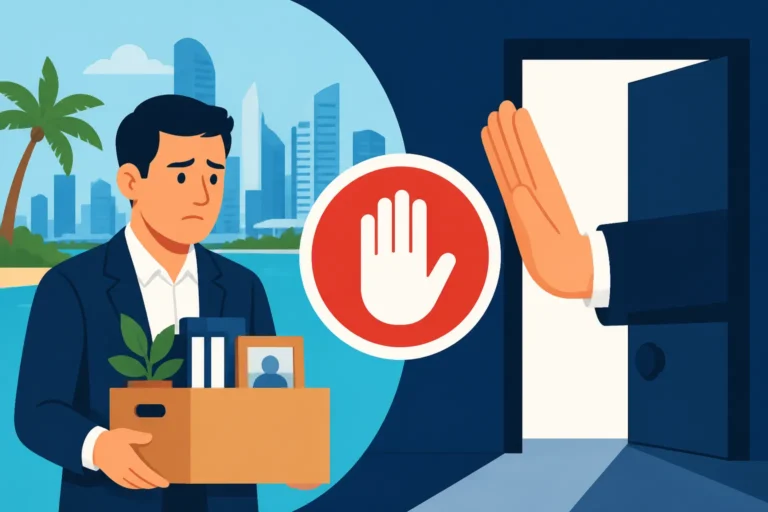
Can a Work Permit Lead to Permanent Residence in Panama?
It's a common dream for many of us who arrive in Panama on a work permit: the hope that this temporary status will eventually pave the way to making this beautiful country our permanent home. The administrative jungle can be daunting, and it's easy to feel lost trying to figure out if your current work situation is a stepping stone or a separate path entirely. This comprehensive guide will meticulously break down how a work permit in Panama can, and often does, lead to permanent residency, demystifying the process and outlining the crucial steps you'll need to take.
The Foundation: Understanding Your Work Permit in Panama
Let's get one thing straight from the start: a work permit in Panama is not the same as residency. This is a crucial distinction that many newcomers misunderstand, often leading to frustration and unexpected delays. A work permit grants you legal authorization to be employed and earn an income in Panama for a specific period, usually tied to a particular employer or a certain type of economic activity. It's essentially a temporary license to contribute to the Panamanian economy, but it doesn't automatically confer the broader rights and stability of permanent residency.
Imagine you've landed a fantastic job with a multinational company in Panama City or perhaps found a unique role in the burgeoning tourism sector in Bocas del Toro. Your employer will typically sponsor your work permit application. This process ensures that you are legally allowed to work and that your employment aligns with Panamanian labor laws, which are designed to protect both local and foreign workers. However, these permits often come with expiry dates, and renewing them can be as much of a bureaucratic dance as obtaining the initial one. You'll find yourself visiting various government offices, submitting a mountain of paperwork, and playing the waiting game, all while juggling your professional responsibilities. The good news is that holding a legitimate work permit means you are already integrated into the system, which is a significant advantage when considering long-term residency.
There are various types of work permits, each with its own nuances. Some are employer-specific, meaning if you change jobs, you'll likely need a new permit. Others are tied to specific professional categories or investment schemes. The common thread is their temporary nature; they are not intended to be indefinite. For instance, a permit issued under the "Married to a Panamanian" category or for professionals with specific skills in high demand will have different requirements and durations than, say, a permit for someone working for a company within a special economic zone like the Colón Free Zone. Understanding the specifics of your current work permit is the very first step in determining if and how it can contribute to your goal of permanent residence. It’s like knowing the starting point of your journey before you can map out the destination. If you're unsure about the specifics of your current permit or how to transition, consulting with a Panamanian immigration lawyer is highly recommended. They can guide you through the intricacies of the process.
The Path to Permanent Residence: What Qualifies?
While a work permit alone doesn't directly grant permanent residency, it's often a critical component or a necessary precursor for several popular residency pathways available to expats in Panama. Panama's immigration system offers various routes to permanent residency, each designed for different types of foreign nationals looking to establish long-term roots. The key is to understand which of these categories aligns with your situation, especially given your current employment status.
One of the most well-known and utilized pathways for working professionals is the Friendly Nations Visa. This visa, which has undergone several changes over the years, is specifically designed for citizens of a list of countries that maintain economic, professional, or investment ties with Panama. If you qualify under this visa, obtaining a work permit is often a fundamental requirement for the initial provisional residency application. This means your job isn't just a way to earn a living; it's a vital piece of your immigration puzzle. After a period of provisional residency, typically two years, and provided you meet all ongoing requirements, you can then apply for permanent residency. This is a prime example of how your work permit, by proving your economic activity and integration, directly contributes to your long-term residency goal.
Other pathways exist that may or may not directly involve a work permit, but your employment can still be a strong supporting factor. For instance, the Pensionado (Retiree) Visa is for those with a guaranteed lifetime pension, and while it doesn't require a work permit (and has restrictions on working), some retirees might still engage in permitted activities. Then there are investor visas, such as the Qualified Investor Program, where you gain residency by making a significant investment in Panamanian real estate or a business. While these don't require a work permit, demonstrating financial solvency and integration into the local economy can always strengthen your overall application. Understanding the specific income requirements for various visa types, especially if you're exploring options like the Pensionado visa, is crucial for financial planning. You can delve deeper into specific programs like the Understanding the Qualified Investor (Golden Visa) Programme in Panama to see if investment aligns with your goals.
In essence, think of your work permit not as the finish line, but as a critical checkpoint on a longer journey. It validates your presence, your economic contribution, and your commitment to living in Panama. The Panamanian government, through various residency programs, seeks individuals who can either contribute financially, professionally, or culturally to the nation. Your work permit, especially if tied to a stable job with a reputable employer, helps demonstrate that you fit one of these desirable profiles. This is particularly true for those looking to migrate through employment-based categories, where a solid job offer and a corresponding work permit are often non-negotiable prerequisites for starting the residency application.
Bridging the Gap: From Work Permit Holder to Permanent Resident
So, you've got your work permit, you're working, and you're dreaming of planting those permanent roots. How do you actually make that leap from temporary work authorization to full-blown permanent residency? This is where the strategic planning and careful navigation of the immigration system truly come into play. It's not a single jump but a series of calculated steps, often requiring patience and meticulous attention to detail.
The most common and effective route for many work permit holders to permanent residency in Panama is through the aforementioned Friendly Nations Visa, especially if your nationality is on the approved list and you are genuinely employed in Panama. Here's how it generally works: You first apply for provisional residency under the Friendly Nations category, using your local employment and work permit as proof of your economic ties to Panama. This initial application requires a host of documents, including a criminal background check from your home country, a health certificate from Panama, bank references, and proof of your employment, like an authenticated job letter and a copy of your work permit. Once approved, you receive a provisional residency card, which is typically valid for two years. During this time, you must maintain your employment and ensure all your documents remain valid. It’s also important to have a clear understanding of How a Work Permit and Employer Sponsorship Work in Panama as this will form the bedrock of your application.
After your two years of provisional residency are up, and assuming you've maintained all the conditions – crucially, continuous employment or economic solvency – you become eligible to apply for permanent residency. This second application again involves updating documents, proving continued employment or other qualifying economic activities, and demonstrating your continued commitment to Panama. It’s during this stage that the distinction between a work permit and permanent residency becomes clearest. While you might still need a work permit to legally work, your permanent residency status provides a stable legal framework for your life in Panama, independent of a specific employment contract (though you still need to show economic means). Think of it as upgrading your status from a long-term visitor with specific work permission to a full-fledged, settled member of the community. Preparing for this transition means being hyper-organized with your paperwork and understanding the exact requirements. Seeking professional assistance from an experienced immigration lawyer is invaluable here to avoid common pitfalls.
For those who may not qualify for the Friendly Nations Visa or prefer a different path, other options exist where a work permit might still indirectly contribute. For example, some individuals might initially come on a temporary work permit, accumulate sufficient capital, and then transition to an investor visa. Or, if they marry a Panamanian citizen, their work history and local integration can simplify the spousal residency process. The key takeaway is that having a legitimate work permit, demonstrating your legal and economic presence, provides a solid foundation. It signals to the Panamanian authorities that you are not just passing through but are genuinely contributing to the nation. The bureaucratic process can feel overwhelming, but tools like iTalki can be a godsend for improving your Spanish, making interactions with government officials and navigating daily life much smoother. Being able to communicate effectively can reduce so much stress. You’ll also want to look into How to Apply for Permanent Residency in Panama for a detailed step-by-step guide.
Key Considerations and Common Hurdles for Expats
Navigating the Panamanian immigration system, even with a work permit in hand, isn't always a straightforward affair. There are several key considerations and common hurdles that expats often face when trying to transition from a work permit holder to a permanent resident. Being aware of these can help you prepare and mitigate potential issues.
One of the biggest challenges is the sheer volume and precise nature of the required documentation. Panamanian immigration authorities are meticulous. Every document needs to be current, correctly apostilled or authenticated, and often translated by a certified public translator. We're talking birth certificates, marriage certificates, police records, bank statements, and more. Even a minor discrepancy or an expired document can lead to significant delays or even rejection. Many expats get caught up because a document from their home country wasn't apostilled correctly or because their bank statement didn't reflect the required minimum balance consistently. It's a test of patience, and organization is your best friend. Make sure you understand How to Get Your Documents Apostilled for Panama Immigration well in advance.
Financial stability is another paramount factor. Regardless of the residency path you choose, you'll need to demonstrate consistent financial solvency. For those transitioning from a work permit to permanent residency via the Friendly Nations Visa, maintaining continuous employment or showing sufficient funds in a Panamanian bank account is vital. The government wants to ensure you won't become a burden on the state. This means more than just showing a pay slip; often, it involves submitting bank statements and tax declarations. Speaking of taxes, understanding your obligations as you move towards permanent residency is crucial. Many expats find the territorial tax system confusing initially, particularly regarding foreign-sourced income. Resources like Taxes for Expats can provide invaluable assistance in navigating this complexity, ensuring you remain compliant and avoid any future headaches. It’s far better to get your financial house in order early than to face issues down the line.
Language and cultural differences can also pose significant hurdles. While many professionals in Panama City speak English, especially in international businesses, the administrative process often unfolds entirely in Spanish. Submitting documents, attending interviews, and understanding legal jargon will almost certainly require proficiency in Spanish or the assistance of a trusted translator. Beyond the language, understanding the local way of doing things – the emphasis on personal relationships, the often slower pace of bureaucracy, and the importance of paciencia (patience) – is critical. Rushing or becoming visibly frustrated won't speed things up. It might even slow them down! Embracing the local culture and making an effort to learn Spanish, perhaps with the help of platforms like iTalki, can make the entire process less stressful and more successful. This cultural immersion will not only help with your residency application but also enrich your entire expat experience. You'll definitely want to understand How Do I Adapt to the Panamanian Workplace Culture?.
Finally, the immigration laws and requirements can change. What was true last year might have a slight modification this year. Staying informed and working with a reputable Panamanian immigration lawyer is the single best investment you can make. They are up-to-date on the latest regulations, understand the unspoken nuances of the system, and can often anticipate problems before they arise. They're not just processing paperwork; they're guiding you through a complex legal landscape. You might want to consider consulting Understanding the Cost and Timeline of the Panama Residency Process to budget and prepare yourself properly.
Summary of Residency Pathways and Work Permit Relevance
To provide a clear overview, here's a table summarizing common residency pathways in Panama and how a work permit or employment typically plays a role:
| Residency Pathway | Primary Requirement | Work Permit Relevance (Initial Application) | Path to Permanent Residency |
|---|---|---|---|
| Friendly Nations Visa | Citizenship from specific countries, economic solvency (often employment) | Crucial: Employment contract and valid work permit usually required as proof of economic ties. | Provisional (2 years) -> Permanent (if conditions maintained) |
| Pensionado (Retiree) Visa | Guaranteed lifetime pension (min. $1,000/month) | Not required; generally restricts active employment. | Direct Permanent Residency |
| Qualified Investor Program | Significant investment in real estate, securities, or business | Not required; focus is on investment. | Direct Permanent Residency |
| Visa by Marriage to Panamanian | Valid marriage to a Panamanian citizen | Optional/Supportive: Existing work permit shows integration, but not strictly required. | Provisional (2 years) -> Permanent (if marriage sustained) |
| Specific Employment Visas | Employment in specific sectors or under special laws (e.g., multinational companies) | Mandatory: The work permit is the initial visa type. | Often leads to permanent residency after a few years of continuous employment and renewals. |
| Self-Economic Solvency | Significant funds in a Panamanian bank account or real estate purchase | Not required; focus is on financial assets. | Provisional (2 years) -> Permanent (if conditions maintained) |
This table illustrates that while a work permit is not a direct "key" to permanent residency in all cases, it is a significant factor, especially for the Friendly Nations Visa and other employment-based routes. It serves as tangible evidence of your commitment and contribution to Panama, which is highly valued by immigration authorities.
Disclaimer
Please remember that immigration laws and requirements in Panama are subject to change. The information provided in this guide is for general informational purposes only and does not constitute legal advice. It is highly recommended to consult with a qualified Panamanian immigration lawyer for personalized advice regarding your specific situation before making any decisions related to your visa or residency status.