Do I Have to Pay Tax on Money I Bring Into Panama?
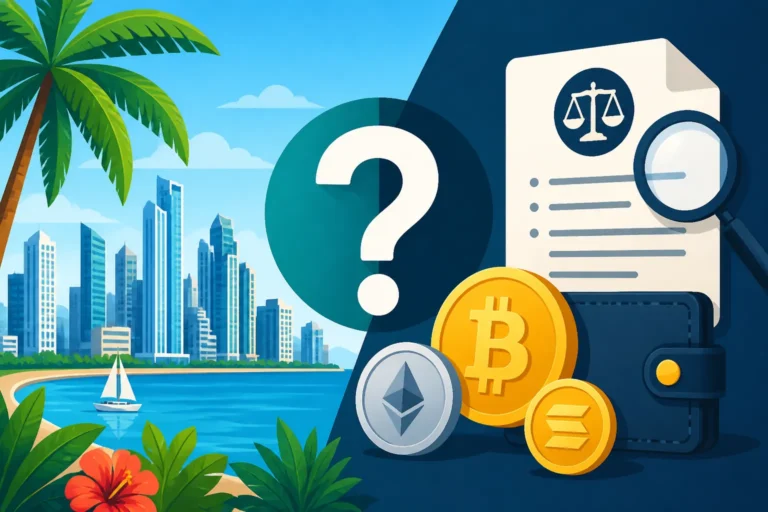
Moving all your hard-earned cash to a new country like Panama can feel like walking through a minefield, especially when it comes to taxes. You're probably sitting there, staring at your bank statements, wondering if every dollar you bring in will immediately get hit with some unexpected Panamanian tax. It’s a common, valid concern for many expats, and navigating these financial waters requires a clear understanding of the local rules. This guide is going to walk you through exactly what you need to know about the Panamanian tax system regarding funds you're personally bringing into the country, easing your worries and making sure you stay on the right side of the DGI (Dirección General de Ingresos).
Understanding Panama's Territorial Tax System
One of the biggest draws for expats considering Panama is its territorial tax system. This isn't just some legal jargon; it's a fundamental principle that dictates how income is taxed here, and it makes a huge difference for many foreigners. Essentially, Panama only taxes income that is generated within its geographical borders. Any income that truly originates outside of Panama is generally not subject to Panamanian income tax.
Now, that sounds fantastic, right? And for the most part, it is! But like anything in life, there are nuances that we need to unpack. It's not a blanket free pass, and understanding the specifics can save you a lot of headaches, especially when dealing with your hard-earned savings and pensions. Many new arrivals confuse bringing money into the country with earning money in the country, and these are two very different things from a tax perspective. This core principle is essential to grasp, as we've covered in depth in our guide on How Panama's Tax System Works: Territorial Taxation Explained (2026).
What is Foreign-Sourced Income?
Let's break down what "foreign-sourced income" actually means in the context of Panama. Think about where the economic activity generating that income originates.
For instance, if you're receiving a pension from your home country – say, from a government fund or a private retirement account that was established and funded by work performed outside of Panama – that’s typically considered foreign-sourced income. The same applies to investment dividends from stocks held in a brokerage account abroad, rental income from a property you own in another country, or even income from a remote job where your employer and client are both outside Panama, and your work is not actively soliciting business within Panama's borders. These are all classic examples where the economic source is clearly external to Panama.
The key here is where the economic activity takes place, not necessarily where you reside when you receive it. So, if you're sitting in your beautiful new home in Boquete, enjoying your morning coffee while your US-based pension lands in your US bank account, Panama doesn't typically tax that. It’s vital to understand Understanding Why Foreign Income Is Not Taxed in Panama (2026) to fully grasp this benefit.
When Does Foreign Income Become Taxable in Panama?
Here's where it can get a bit tricky and where many expats inadvertently step into gray areas. While Panama has a territorial tax system, there are specific scenarios where income you thought was foreign-sourced might actually become taxable in Panama.
The general rule is: if you engage in any economic activity within Panama that generates income, that income becomes Panama-sourced and therefore taxable. For example, if you run a consulting business from your Panamanian home, and your clients are also in Panama, or if you actively market your foreign services to Panamanian residents while physically present in the country, that income could be deemed Panama-sourced.
Another common scenario is if you actively manage investments from an office or established presence in Panama, even if those investments are in foreign markets. If the management and decision-making generating those investment gains are occurring on Panamanian soil, the DGI might argue that the income has a Panamanian source. It’s not about the funds simply existing in a foreign account; it’s about the activity that generates them. This is why having a clear understanding of your business activities and where your income streams truly originate is paramount. If you're a self-employed individual or running an online business from here, you’ll definitely want to dive deeper into How to Pay Tax as a Self-Employed Person in Panama to ensure compliance.
Bringing Physical Cash and Assets into Panama
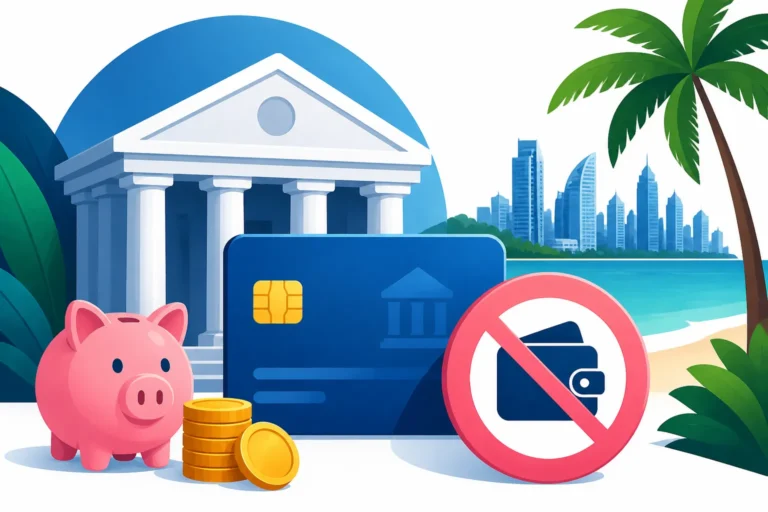
So, you've got your nest egg, your life savings, or a large sum from a property sale back home, and you want to bring it into Panama. This is less about income tax and more about customs regulations and banking protocols.
It's a common misconception that simply moving your own money from one account to another, or even carrying cash, constitutes a taxable event. For the most part, bringing your existing capital into Panama is not subject to income tax because it's already your capital, not new income generated within Panama. However, there are strict rules around declaring large sums of money to prevent illegal activities like money laundering.
Many expats I've spoken with have had moments of panic at the airport or when trying to deposit a large sum, precisely because they weren't aware of these reporting requirements. Don't let that be you!
Customs Declarations and Reporting Thresholds
Panama, like most countries globally, has strict rules about the amount of currency you can physically bring into the country without declaration. The golden rule here is the $10,000 threshold. If you're entering Panama with $10,000 USD or more in cash or monetary instruments (like traveler's checks or bearer negotiable instruments), you must declare it to customs.
This declaration isn't about paying tax on the money; it's purely for reporting purposes. It helps the authorities track large movements of funds and combat illicit financial activities. Failing to declare amounts exceeding this threshold can lead to severe penalties, including fines, seizure of the undeclared funds, and even potential legal trouble. Imagine arriving, exhausted from a long flight, only to have your hard-earned savings confiscated because you didn't fill out a simple form! It’s an easy mistake to make if you’re not prepared. So, if you're carrying a substantial amount, make sure you complete the relevant customs declaration form, which is usually provided on your flight or upon arrival at the airport. Be honest and transparent.
Large Transfers and Banking Due Diligence
Beyond physical cash, what about large sums transferred electronically? When you open a bank account at a Panamanian bank like Banco General or Banistmo, you'll quickly become familiar with the concept of "Know Your Customer" (KYC) and "Anti-Money Laundering" (AML) regulations. These are serious business for Panamanian banks, which are highly regulated.
If you plan to transfer a significant amount of money from an overseas bank account into your new Panamanian account, expect the bank to ask a lot of questions. They will want to know the source of the funds. This is where having solid documentation is crucial. Be prepared to provide:
- Bank statements from your originating account showing the funds.
- Documentation explaining the source (e.g., sale of a property, liquidation of an investment, inheritance papers, pension lump sum).
- Your tax returns from your home country (sometimes requested to verify income).
This process can feel intrusive and frustrating, but it's standard procedure globally. It's not personal; it's regulatory. For smaller, regular transfers that don't trigger the same level of scrutiny, services like Wise (formerly TransferWise) can be incredibly useful, offering competitive exchange rates and transparent fees for moving funds between countries. However, even with Wise, if you’re moving very large sums over time, be prepared to provide source-of-funds documentation. This is a critical step covered in more detail in our article on The Expat Guide to Opening a Bank Account in Panama and How to Open a Bank Account at a Panamanian Bank as a Foreigner.
Here's a quick overview of what you might expect when bringing funds into Panama:
| Method of Bringing Funds | Tax Implications | Reporting Threshold/Requirements | Key Considerations |
|---|---|---|---|
| Physical Cash (USD) | Generally no income tax, as it's capital. | Must declare amounts of $10,000 USD or more to Customs. | Risk of loss/theft; severe penalties for non-declaration. |
| Electronic Bank Transfer | Generally no income tax, as it's capital. | No specific customs threshold, but banks have strict KYC/AML for large sums. | Requires robust documentation of source of funds. Use reliable banks. |
| Foreign-Sourced Pension | Generally no Panamanian income tax. | No specific reporting to DGI upon receipt, but banks may ask for source. | Proof of pension origin (foreign source) is important for bank's KYC. |
| Foreign-Sourced Investment Income | Generally no Panamanian income tax, unless actively managed from Panama. | No specific reporting to DGI upon receipt, but banks may ask for source. | Keep clear records; be cautious about active management from Panama. |
| Inheritance from Abroad | Generally no Panamanian income tax. | No specific reporting to DGI upon receipt, but banks will require documentation. | Provide wills, probate documents, and bank statements. |
Distinguishing Income from Capital
This is probably the most important distinction for expats in Panama: understanding the difference between income and capital. Many people arrive with significant capital – their life savings, proceeds from selling a house, or an inheritance. The good news is that bringing your own capital into Panama is generally not a taxable event.
The DGI is primarily concerned with income generated from economic activities within Panama. Your existing wealth, accumulated and taxed (or untaxed, depending on your home country's rules) elsewhere, isn't typically subject to a second round of taxation just because you move it across borders. This is a huge relief for many and a key benefit of Panama's tax system.
Personal Savings and Investments
Let's say you've sold your home in Canada, liquidated your retirement accounts in the UK, or just have a substantial amount saved up in your US bank account. When you transfer these funds to Panama, whether directly into a local account or brought in incrementally, they are considered your personal capital.
Panama does not impose a tax on your personal savings or on the transfer of your own assets into the country, provided these assets represent capital that was accumulated through legitimate means outside of Panama. The critical aspect is proving the source of these funds, not that they are new income generated in Panama. So, keep those property sale agreements, brokerage statements, and bank records! They are your best friend in demonstrating to your Panamanian bank that your large deposit is simply a transfer of existing wealth, not new, taxable income.
Pensions and Retirement Income
For many retirees, the Pensionado visa is a popular choice for residency in Panama, and for good reason! One of its most attractive features, beyond the discounts, is the tax treatment of pensions.
If your pension or retirement income is paid from a source outside of Panama, and it stems from work or contributions made outside the country, it falls squarely under the "foreign-sourced income" umbrella. This means your monthly pension payments are generally not subject to Panamanian income tax. This can be a huge financial advantage for retirees, allowing them to enjoy their full pension income without a local tax bite.
However, as discussed with large transfers, when these pension payments arrive in your Panamanian bank account, the bank might still ask for proof of the source of these funds. A letter from your pension provider, bank statements, or similar documentation can quickly satisfy their KYC requirements. Again, this is about verifying the legitimacy of the funds, not about taxing them as local income. This aspect is thoroughly covered in The Expat Guide to the Pensionado (Retiree) Visa in Panama (2027).
Practical Steps and Avoiding Pitfalls
Navigating the financial landscape in a new country can feel like a maze. Even with a territorial tax system that largely favors expats bringing in foreign-sourced funds, there are practical steps you can take to make the process smoother and avoid any unnecessary headaches or misunderstandings with Panamanian authorities. My advice, honed over years of dealing with these systems, is always to be prepared and proactive.
Documenting Your Funds
This cannot be stressed enough: documentation is your best friend. Whether you're bringing in a significant lump sum, receiving regular pension payments, or moving investment capital, always have clear, verifiable proof of the origin of your funds.
Imagine this scenario: you've just transferred $100,000 from the sale of your house back home to your new account at Global Bank of Panama. The bank's compliance officer sees this large incoming wire and immediately flags it, as they should. If you can instantly provide a copy of your home sale agreement, a closing statement, and bank statements showing the funds moving from your selling country's bank to Panama, their questions will likely be resolved quickly. Without this, you could face delays, freezing of funds, or endless requests for information, turning a simple transfer into a bureaucratic nightmare.
What kind of documents are we talking about?
- For property sales: Sale agreement, closing statements, deeds.
- For investment liquidations: Brokerage statements showing the sale and the transfer out.
- For inheritances: Will, probate documents, executor's letters.
- For pensions: Official letters from your pension provider, annual statements, bank statements showing regular payments.
- For remote work income: Employment contract, invoices, bank statements showing payments from a foreign entity.
The more transparent and documented you are, the smoother your financial life in Panama will be.
Consulting with Experts
While this guide provides a comprehensive overview, every expat's financial situation is unique. What applies perfectly to one person might have a slight variation for another, especially if your income streams are complex or you have specific business interests. This is why consulting with local professionals is not just advisable, it's often essential.
A reputable Panamanian lawyer or a tax advisor specializing in expat affairs can provide tailored advice based on your specific circumstances. They can review your income sources, advise on the best way to structure your transfers, and ensure you remain compliant with all Panamanian laws. Services like Taxes for Expats have professionals who understand the nuances of international taxation and Panamanian law, offering peace of mind. They can also help you understand your overall tax obligations, including Filing Your Tax Return with the DGI in Panama: The Complete Walkthrough (2027) if you do end up with Panama-sourced income, or even guide you through How to Register with the DGI (Direccion General de Ingresos) in Panama if needed. Don't view this as an unnecessary expense; view it as an investment in your financial security and compliance in your new home. It’s far better to pay a reasonable fee for expert advice upfront than to face penalties or legal issues down the line because of a misunderstanding.
Disclaimer
The information provided in this guide is intended for general informational purposes only and does not constitute legal, financial, or tax advice. While we strive to keep the information up-to-date and accurate, laws and regulations can change. Expats are strongly advised to consult with qualified Panamanian legal and tax professionals for advice tailored to their individual circumstances before making any financial or immigration decisions.