Do I Have to Pay Any Exit Tax When Leaving Panama?
Leaving Panama can feel like an administrative marathon, especially when you're trying to figure out all the loose ends, and one of the most common worries I hear from fellow expats is about "exit taxes." It’s natural to be concerned about hidden fees or last-minute financial hurdles when you're packing up your life, but the good news is that Panama's approach to taxes is often a pleasant surprise compared to many other countries. This guide will clarify the nuances of leaving Panama from a tax perspective, helping you avoid any unwelcome surprises.
The General Rule: No Specific Exit Tax for Individuals
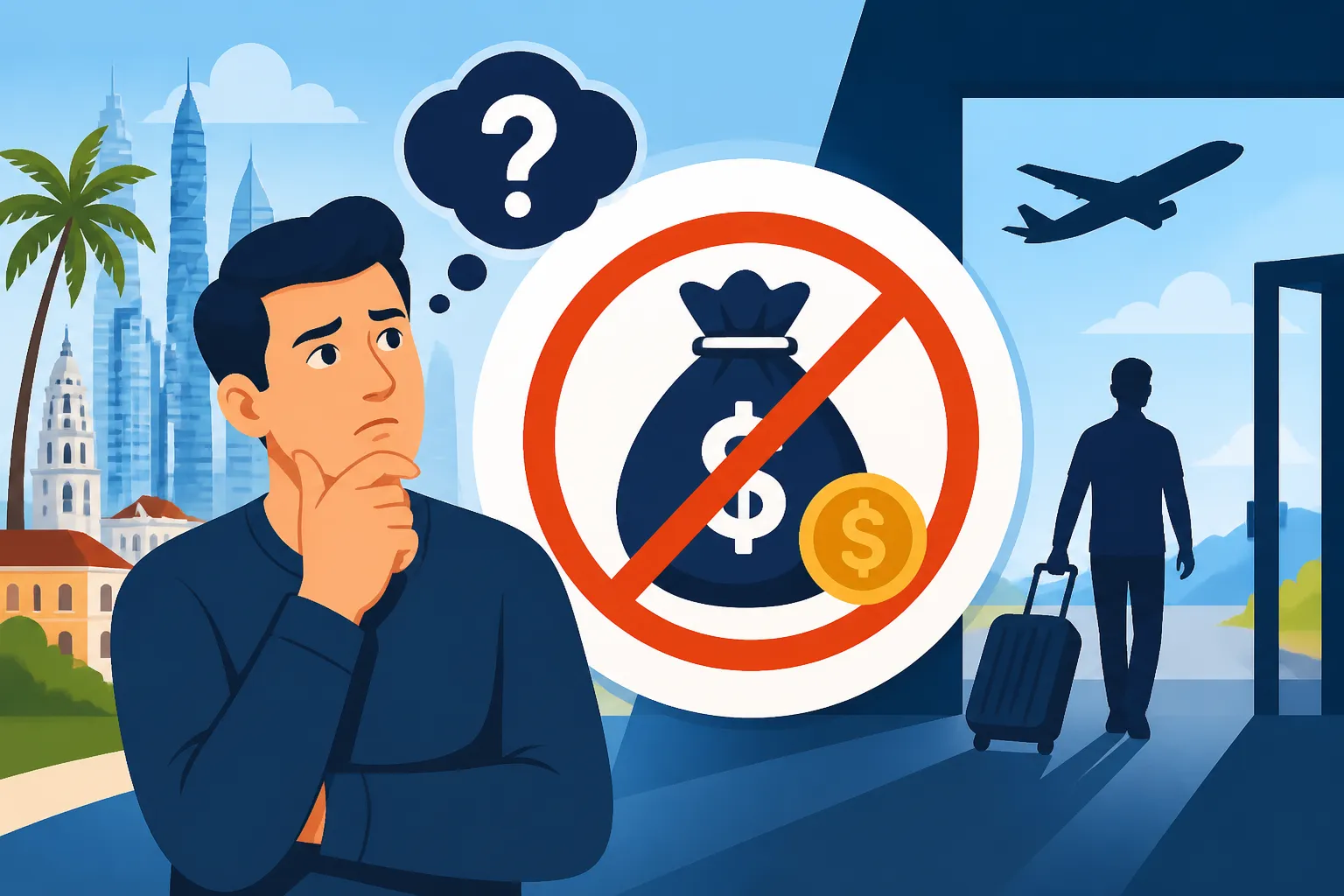
Let's clear the air right away: Panama, in the way many expats understand "exit tax" from their home countries, doesn't impose a specific, broad tax on individuals simply for departing. You won't find a percentage levied on your worldwide assets or a fee for renouncing residency. This is a huge relief for many, as it sets Panama apart from nations with more complex departure tax regimes.
Understanding Panama's Territorial Tax System
The fundamental reason for this lack of a direct exit tax lies squarely in Panama's territorial tax system. This isn't just a fancy legal term; it's a core principle that shapes how anyone, expat or local, is taxed here. Essentially, Panama only taxes income that is sourced within its borders. What does that mean for you?
Imagine you're an expat who's been working remotely for a company back in the US or Canada, earning your salary into an account outside Panama. Under the territorial tax system, that income is generally not subject to Panamanian income tax because its source is external to Panama. Similarly, if you owned investments in your home country and realized capital gains on them while living here, Panama typically wouldn't tax those gains. This system is incredibly attractive and forms the backbone of why so many choose Panama for its financial advantages.
When you decide to leave, this principle continues to apply. There's no mechanism to suddenly tax your accumulated wealth or foreign-sourced income just because you're physically relocating. Your tax obligations in Panama are, and always have been, primarily linked to any economic activity or income-generating assets within Panama. So, if your income streams were entirely foreign-sourced while you lived here, your departure isn't going to suddenly trigger a massive Panamanian tax bill on your global wealth. This is often a significant point of confusion, especially for those accustomed to worldwide taxation systems, but it’s one of Panama's defining features. To truly grasp the bigger picture, you might want to delve into How Panama's Tax System Works: Territorial Taxation Explained (2026) for more details.
Differentiating from Departure Taxes or Airport Fees
Now, while there's no "exit tax" in the sense of a wealth or income tax triggered by leaving, it's crucial not to confuse this with standard travel fees. Just like almost every country in the world, Panama does have a nominal airport departure tax. This is usually around $40 per person. However, this isn't some punitive expat exit tax; it's a standard fee that is almost always included in the price of your airline ticket when you purchase it.
Think of it like this: when you buy a plane ticket from any airport, a portion of that cost goes towards various taxes and fees – security fees, airport improvement fees, and yes, a departure tax. Panama's is no different. You rarely even see it as a separate charge anymore, as airlines integrate it directly. So, if you're traveling out of Tocumen International Airport (PTY) or any other Panamanian airport, rest assured that the fee you're paying is a standard part of air travel, not a special tax targeting departing foreigners. This minor charge is simply part of the cost of flying and should not be a cause for concern or require separate payment at the airport itself. It's a world away from the complex tax calculations some countries impose on their departing citizens or long-term residents.
Situations Where You Might Still Have Financial Obligations
While there isn't a direct "exit tax," it would be irresponsible to say you have absolutely no financial loose ends to tie up. There are specific circumstances where you will, indeed, have responsibilities to the Panamanian authorities, primarily the Direccion General de Ingresos (DGI), before you permanently leave. These obligations are typically related to income earned or assets held within Panama itself.
Outstanding Income Tax Liabilities
If you've been working in Panama, whether for a local company, as a freelancer serving Panamanian clients, or running a business that generates income within the country, you will have income tax obligations. This holds true even if you're leaving mid-year. Your departure doesn't absolve you of the tax owed on income earned up to your final day of residency or employment.
For example, if you're employed by a Panamanian company and decide to leave in July, you're responsible for declaring and paying taxes on your salary earned from January to July. Your employer would typically withhold taxes, but you still need to ensure your final tax return is filed correctly. This might require filing a partial year return with the DGI. It’s absolutely critical to make sure these are squared away. Neglecting to file your final income tax return could lead to penalties, fines, or even issues if you ever decide to return to Panama in the future.
This is where working with a local accountant or a specialized service like Taxes for Expats can be invaluable. They can help you navigate the DGI's online portal, calculate any remaining tax liability, and ensure all necessary forms are submitted correctly and on time. Trying to figure this out from abroad, especially if you're not fluent in Spanish or familiar with the specifics of Panamanian tax law, can be a real headache. They can help ensure your departure is smooth and compliant, covering everything from your last paycheck to any business income you might have generated. Understanding the specifics of filing can be daunting, so looking into How to File Your Annual Tax Return in Panama could provide a useful step-by-step guide.
Property, Business, and Other Local Taxes
Beyond personal income, if you've owned property or operated a business in Panama, you have additional responsibilities to ensure everything is in order before you go.
For homeowners, property tax (known as IBI – Impuesto de Inmuebles) is a key consideration. You'll need to ensure all property taxes are paid up to date, especially if you're selling your home. If you sell, there's also a property transfer tax (typically 2% of the sale price or cadastral value, whichever is higher) and a capital gains tax on the sale of real estate (usually 10% on the gain). These are significant amounts, and they must be paid before the property title can be transferred to a new owner. Trying to leave without settling these could lead to serious legal and financial complications down the road for both you and the buyer.
If you own a business, the situation becomes even more complex. You'll need to address corporate income tax, ITBMS (VAT) declarations, and any other municipal taxes or permits. If you're dissolving the company, there's a formal legal process involved, including liquidating assets and ensuring all debts and tax obligations are settled. If you're transferring ownership, the new owner will need a clean slate. Again, professional legal and accounting advice is not just recommended, it's pretty much essential here to avoid future headaches. For more information on property-related taxes, consider reading The Complete Guide to Property and Transaction Taxes in Panama (2026).
Social Security (CSS) Contributions
If you were employed in Panama or registered as self-employed with the Caja de Seguro Social (CSS), Panama's social security system, you would have been making contributions. These contributions are mandatory for most workers in Panama and cover public healthcare and pension benefits.
When you leave, you need to consider the status of these contributions. If you're moving to a country with which Panama has a social security agreement (which are relatively few), you might be able to transfer some of your contributions or aggregate your benefit periods. However, for most expats, especially those leaving for countries without such agreements, the contributions made to the CSS are generally non-refundable. They're considered contributions towards your time living and working in Panama, entitling you to benefits within Panama's system during that period.
It's vital to ensure all your contributions are paid up to your last day of employment or self-employment. Your former employer should handle the final contributions on your behalf if you were employed. If self-employed, you'll need to make sure your final payments are processed. Failing to do so could leave you with outstanding debts to the CSS, which could impact future immigration or financial dealings in Panama. While you might not "get your money back," ensuring your record is clear is a crucial step for a clean departure. To understand more about these contributions, you can check out Understanding Social Security (CSS) Contributions in Panama.
Practical Steps Before You Go
A smooth exit from Panama involves more than just packing your bags. It requires a meticulous approach to administrative and financial tasks to ensure you leave no loose ends. This isn't just about avoiding penalties; it's about maintaining a clean record, which can be invaluable if you ever plan to return, even for a visit, or need to manage affairs from afar.
Obtaining a Paz y Salvo (Tax Clearance Certificate)
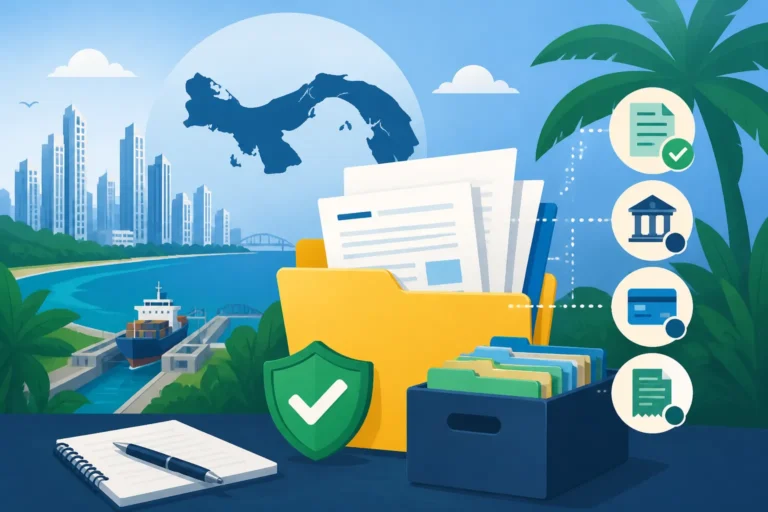
One of the most critical documents you might need before leaving Panama is the Paz y Salvo, which literally translates to "peace and safe." This isn't just a quirky name; it's an official certificate issued by the DGI (Dirección General de Ingresos) confirming that you have no outstanding tax debts or financial obligations to the Panamanian government. Think of it as your golden ticket to a worry-free departure.
Why is it so crucial? Well, a Paz y Salvo is often required for a variety of tasks that you’ll want to complete before you leave. For example, if you're selling property, the notary will almost certainly ask for your Paz y Salvo to ensure all property transfer taxes and capital gains taxes are settled. Similarly, you might need it to cancel utility contracts, close bank accounts, or even to formally finalize certain immigration processes, depending on your residency status. While not always strictly enforced for a simple departure, having it on hand ensures you’ve done everything by the book and won't face any unexpected hurdles later.
The process for obtaining a Paz y Salvo typically involves applying through the DGI's online portal. You'll need to ensure all your previous tax filings are up to date and that there are no pending payments. If you’ve been a resident for a number of years, this can sometimes be a bit of a bureaucratic dance, requiring patience and perhaps a local expert to assist. Make sure to start this process well in advance of your planned departure date, as bureaucratic processes in Panama can sometimes take longer than anticipated. This document is a tangible proof of your financial cleanliness with the Panamanian state. For specific guidance on this process, consider reading How Do I Get a Tax Clearance (Paz y Salvo) in Panama?
Closing Bank Accounts and Financial Ties
As you prepare to leave, it's wise to systematically close any Panamanian bank accounts you might have. While it might seem convenient to leave a small account open, dealing with it from abroad can become a hassle, especially if it's inactive or requires in-person verification for certain transactions. Banks like Banco General or Banistmo are typically good at guiding you through the closing process.
Before closing, you'll need to transfer any remaining funds out of Panama. This is where services like Wise (formerly TransferWise) really shine. They offer a much more cost-effective and transparent way to send money internationally compared to traditional bank wire transfers, which can come with hefty fees and less favorable exchange rates. I've personally used Wise countless times to move funds between Panama and my home country, and it's saved me a bundle. Make sure you compare options and choose a reputable service. Additionally, cancel any local credit cards, debit cards, or standing orders linked to these accounts to prevent any accidental charges or security risks after you've left. Always request a confirmation of closure for your records. Planning ahead for this helps avoid forgotten automatic payments or unexpected bank fees. If you're unsure about the best way to move your money, check out How to Transfer Money Into and Out of Panama as an Expat.
Seeking Professional Advice
Navigating the intricacies of Panamanian tax and legal systems, especially when combining personal income, property ownership, and potentially a local business, can be overwhelming. This is particularly true if your Spanish isn't fluent or you're unfamiliar with local administrative procedures. My strongest recommendation to any expat preparing to leave Panama is to seek professional advice.
A good Panamanian accountant or tax lawyer specializing in expat affairs can be worth their weight in gold. They can:
- Review your tax history: Ensure all past filings are accurate and up-to-date.
- Calculate final liabilities: Help you determine any last income tax, property tax, or business tax obligations.
- Assist with Paz y Salvo: Guide you through the application process for your tax clearance certificate.
- Advise on asset disposition: Provide counsel on the most tax-efficient way to sell property or close a business.
- Handle DGI interactions: Represent you or facilitate communications with the DGI, saving you time and potential frustration.
For complex scenarios, like those involving local businesses or significant property sales, this kind of expert guidance is non-negotiable. Services like Taxes for Expats often have specialists familiar with both Panamanian and international tax laws, ensuring you comply with both jurisdictions. Investing in this advice upfront can prevent much larger financial and legal headaches down the road, ensuring your departure is as clean and stress-free as possible.
Here's a quick summary table of common financial considerations when leaving Panama:
| Obligation Type | Description | Key Action | Important Note |
|---|---|---|---|
| Income Tax | Tax on Panama-sourced income (employment, local freelance, business). | File final tax return with DGI for income earned up to departure. | Essential for all income earners; penalties for non-compliance. |
| Property Tax (IBI) | Annual tax on real estate owned in Panama. | Ensure all IBI payments are current, especially if selling property. | Required for property sales; outstanding IBI can halt title transfer. |
| Property Transfer Tax | Tax on the sale of real estate (2% of sale price or cadastral value). | Paid at time of sale. | Buyer typically withholds and pays this. |
| Capital Gains (Property) | Tax on profit from real estate sale (10% of gain). | Paid at time of sale. | Applies to profit made; expert advice is useful for calculation. |
| ITBMS (VAT) | Sales tax if you operated a business or offered services locally. | Ensure final declarations and payments are made, if applicable. | For businesses or self-employed individuals with local sales. |
| Social Security (CSS) | Contributions for local employment or self-employment. | Ensure final contributions are settled; no refunds for most expats. | Important for a clean record; non-refundable. |
| Paz y Salvo | Official certificate from DGI confirming no outstanding tax debts. | Apply through DGI portal well in advance of departure. | Often required for property sales, bank account closures, and immigration finalization. |
| Bank Accounts | Local checking/savings accounts. | Close accounts and transfer funds internationally. | Use services like Wise for cost-effective transfers; get closure confirmation. |
Disclaimer
The information provided in this guide is for general informational purposes only and does not constitute legal, tax, or financial advice. Tax laws and immigration regulations in Panama are subject to change, and individual circumstances can vary greatly. It is crucial to consult with a qualified Panamanian legal or tax professional for advice tailored to your specific situation before making any decisions related to your departure from Panama.