Public vs Private Healthcare in Panama: What Expats Need to Know
Moving to a new country like Panama often brings a swirl of excitement and anticipation, but let's be honest, the moment you feel a sniffle coming on or hear about a friend's medical emergency, a cold wave of anxiety about healthcare can set in. The Panamanian system, with its blend of public and private options, can feel like a labyrinth if you're not used to it, leaving many expats wondering which path to take. This comprehensive guide is here to untangle the complexities, offering a realistic look at both public and private healthcare to help you make informed decisions for your well-being in your new home.
Understanding Panama's Dual Healthcare System
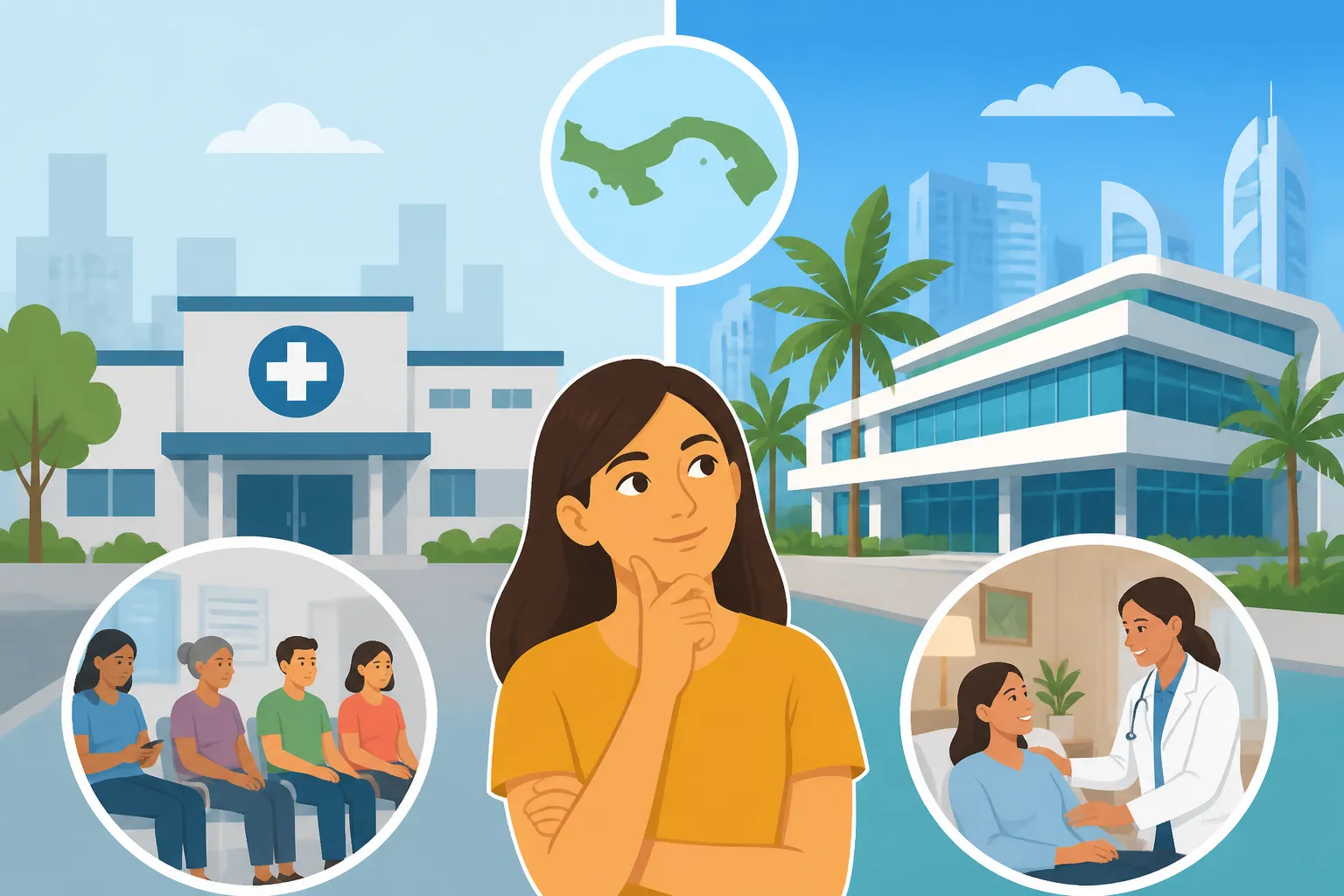
Panama operates on a dual healthcare model, meaning you’ll encounter both a public system, primarily run by the Caja de Seguro Social (CSS), and a robust private sector. For newcomers, it’s not always immediately clear where one ends and the other begins, or how to even access either. This setup can be a blessing and a curse: choice is good, but navigating the options requires insider knowledge.
The Dual System Explained
At its core, Panama’s healthcare system offers two distinct pathways. The public system, managed by the CSS, is funded through employer and employee contributions, alongside government subsidies. It's designed to provide universal coverage for those legally employed and contributing to social security. This means if you're formally employed in Panama, a portion of your salary goes towards the CSS, entitling you to its services. On the other hand, the private healthcare system operates independently, funded by out-of-pocket payments or private health insurance. It includes a network of modern hospitals, clinics, and specialist practices, often catering to a more affluent clientele, including many expats. Understanding this fundamental separation is the very first step in demystifying healthcare here. You might find yourself interacting with both, depending on your needs and circumstances, even if you lean heavily on one side.
Why the Distinction Matters for Expats
For expats, the distinction between public and private healthcare isn't just a matter of convenience; it’s often about access, quality, and peace of mind. Many arriving expats, especially those not immediately employed by a Panamanian company, won't automatically qualify for CSS coverage. This can lead to a scramble for private alternatives, which, while excellent, come with their own price tags. Even those who do qualify for CSS might find its services, while improving, sometimes come with longer wait times or fewer English-speaking staff than the private sector. It's a stark contrast that can dictate everything from routine check-ups to life-saving emergencies. Knowing the differences helps you set realistic expectations and proactively plan your medical safety net. For a broader perspective on the overall system, you might want to read our guide on How Panama's Health System Works: CSS and Private Care Explained (2027).
Diving Deep into Public Healthcare: La Caja de Seguro Social (CSS)
The Caja de Seguro Social, or CSS, is the backbone of public healthcare in Panama. It’s a comprehensive social security system that provides health services, pensions, and other benefits to its contributors. While often seen as less glamorous than its private counterparts, the CSS is a vital resource for millions of Panamanians and a growing number of expats who become part of the formal workforce.
Who is Covered and How to Qualify
Generally, if you are formally employed by a Panamanian company, you and your dependents will be automatically enrolled in the CSS system. Your employer will handle the contributions deducted directly from your salary, and in return, you'll receive your carnet de seguro social, essentially your public health ID card. This is how many expats working for local businesses or multinational corporations operating here get their initial access. Self-employed individuals also have options to contribute voluntarily to the CSS to gain coverage, which is a pathway often explored by freelancers or small business owners. However, qualifying and registering isn't always a straightforward process; it involves navigating bureaucracy, which, as many expats know, is a common hurdle here. Our article on How to Register with the CSS (Caja de Seguro Social) in Panama offers a more detailed walkthrough.
Services and Facilities Under CSS
The CSS system encompasses a vast network of hospitals, polyclinics (policlínicas), and health centers located throughout the country. In Panama City, you’ll find major CSS hospitals like Complejo Hospitalario Arnulfo Arias Madrid (CH Dr. Arnulfo Arias Madrid), which is a sprawling facility offering a wide range of services. Outside the capital, in cities like David, Santiago, and Colón, the CSS also maintains significant facilities. These institutions provide everything from general practitioner visits and specialist consultations to surgeries, emergency care, maternity services, and prescription medications. Diagnostic services, including lab tests and imaging, are also part of the package. The scope of services is broad, aiming to cover nearly all essential medical needs for its members.
However, the reality of utilizing these services can sometimes be challenging. While the policlínicas are great for basic care and routine check-ups, getting specialist appointments or non-emergency procedures at the larger hospitals can involve significant wait times. It's not uncommon to hear stories of patients waiting months for an MRI or a consultation with a specific specialist. The facilities themselves vary widely; some newer polyclinics are quite modern, while older hospitals can feel a bit dated and overcrowded. The quality of medical staff, however, is generally good, with many doctors trained both locally and internationally. The challenge often lies not in the skill of the professionals, but in the infrastructure and patient load of the public system.
The Realities of Using Public Healthcare as an Expat
Using the public healthcare system as an expat can be a mixed bag. On one hand, it offers incredibly affordable care, often free at the point of service once you're a contributor. This can be a huge relief, especially for those on a tight budget. On the other hand, the experience can be trying. Language can be a significant barrier; while some doctors might speak a little English, most administrative staff and nurses will communicate solely in Spanish. This can make explaining symptoms or understanding instructions incredibly difficult, especially during stressful medical situations.
Wait times are another common complaint. Imagine needing to see a specialist for a nagging issue, only to be told the next available appointment is in three or four months. For many expats, particularly those accustomed to immediate access, this can be frustrating. Facilities can also be crowded, and patient privacy might not always be handled with the same discretion you'd find in private settings. For routine care, annual check-ups, or minor illnesses, the CSS can certainly be effective, but for more complex or time-sensitive conditions, or simply for a more comfortable and private experience, many expats opt for private care, even if they contribute to the CSS. It's about weighing the cost savings against the potential for delays and communication challenges.
Exploring Private Healthcare Options in Panama
For many expats, the private healthcare system in Panama quickly becomes their go-to. It offers a stark contrast to the public system in terms of accessibility, facilities, and the overall patient experience. If you value shorter wait times, state-of-the-art equipment, and a higher likelihood of English-speaking staff, the private sector is where you’ll likely spend most of your healthcare dollars.
The Network of Private Hospitals and Clinics
Panama boasts an impressive network of private hospitals and clinics, particularly concentrated in Panama City. The most prominent names you'll hear are Hospital Punta Pacifica, Hospital Nacional, and Centro Médico Paitilla. These institutions are modern, well-equipped, and often affiliated with international medical centers, such as Hospital Punta Pacifica’s past association with Johns Hopkins Medicine International. These hospitals are designed with patient comfort in mind, offering private rooms, concierge services, and a generally more streamlined administrative process.
Beyond these major hospitals, there are numerous private clinics and smaller medical centers spread across the city and in expat-heavy areas like Boquete and Coronado. These clinics often house specialist practices, diagnostic labs, and urgent care facilities, providing convenient access for routine visits and non-emergency issues. For instance, if you need a specific blood test or a quick consultation with a dermatologist, a private clinic will usually get you in and out much faster than the public system. The sheer volume and quality of these private facilities make them highly appealing to expats. You can explore more about how to navigate these top facilities in our article, How to Use Major Hospitals Like Punta Pacifica and Hospital Nacional.
Quality of Care and Specialisations
The quality of medical care in Panama's private sector is generally excellent, often rivaling that found in many Western countries. Many Panamanian doctors receive their training in the US, Europe, or other well-regarded medical schools, bringing a high level of expertise to their practice. They are up-to-date with the latest medical advancements and techniques. You'll find a full spectrum of specialists, from cardiologists and oncologists to orthopedic surgeons and neurologists, all readily accessible within the private system.
What truly sets private care apart is the personalized attention. Doctors often spend more time with patients, explaining diagnoses and treatment plans in detail. The diagnostic equipment is modern, and tests can often be performed and results delivered much faster than in the public system. For example, getting an MRI or a complex scan can be arranged within days, sometimes even hours, in the private sector, compared to weeks or months in the CSS. This efficiency and high standard of care are precisely why many expats, especially those with ongoing health conditions or who simply prefer a more direct and efficient healthcare experience, choose to rely solely on private providers.
Cost Expectations and Payment Methods
Now, let's talk about the elephant in the room: cost. While the quality is high, private healthcare in Panama is not free. A standard general practitioner visit can range from $30 to $60, while a specialist consultation typically costs between $60 and $100, sometimes more for highly specialized fields. Diagnostic tests, procedures, and hospital stays can quickly add up, easily running into hundreds or thousands of dollars for more complex treatments. For example, a basic emergency room visit might be a few hundred dollars, even before any specific treatment is administered.
Most private facilities accept cash (US dollars, as Panama uses the dollar), major credit cards, and often direct billing from approved private insurance providers. It's always a good idea to confirm payment methods and if direct billing is an option with your specific insurance plan before receiving treatment. If you don't have insurance, or if your insurance isn't accepted for direct billing, you’ll be expected to pay upfront. This can be a significant financial burden for unexpected medical events, highlighting the absolute necessity of having proper health insurance. For a detailed breakdown of expenses, check out The Cost of Healthcare in Panama: A Complete Breakdown for Foreigners (2026).
The Crucial Role of Health Insurance for Expats
Navigating the cost of private healthcare in Panama without a robust health insurance plan is, frankly, playing with fire. While individual doctor visits might seem affordable, one unexpected surgery or extended hospital stay can quickly deplete your savings. For expats, health insurance isn't just a convenience; it's a critical component of financial and medical security.
Local vs. International Health Insurance
When it comes to health insurance in Panama, expats generally have two main categories to consider: local Panamanian plans and international plans.
Local Panamanian health insurance is offered by companies like ASSA, Internacional de Seguros, or Mapfre, among others. These plans are designed for the Panamanian market, often more affordable than international options, and are well-understood by local hospitals and clinics for direct billing. They might have lower premiums, but sometimes their coverage limits, particularly for complex or long-term conditions, might be less comprehensive than international plans. They are typically best if you plan to live and primarily receive care only within Panama.
International health insurance providers, such as Cigna Global, Aetna International, or even travel medical insurance like SafetyWing (which can be a great short-term solution for digital nomads or those in between more permanent plans), offer global coverage. This means you’re covered not only in Panama but also if you travel back home or to other countries for medical treatment. These plans tend to be more expensive but offer higher limits, more extensive coverage for a wider range of conditions, and often access to a global network of providers. They are ideal for expats who travel frequently, might want to return to their home country for certain treatments, or simply desire the peace of mind of worldwide coverage. When you're just starting out in Panama, something like SafetyWing can be invaluable for covering immediate needs while you explore more long-term options, bridging that gap before you get fully settled.
Choosing between local and international depends heavily on your lifestyle, health needs, and budget. It’s not a one-size-fits-all decision, and it’s one you should research thoroughly. We delve deeper into this topic in Health Insurance in Panama: Private and International Options Explained.
Understanding Plans and Coverage for Private Care
Once you've decided on the type of insurance, understanding the specifics of your plan is paramount. Health insurance plans, whether local or international, come with various levels of coverage, deductibles, co-pays, and exclusions.
- Deductibles: This is the amount you pay out-of-pocket before your insurance coverage kicks in. For example, if you have a $500 deductible, you’d pay the first $500 of your medical bills each year before your insurance starts covering expenses.
- Co-pays: These are fixed amounts you pay for specific services, like a doctor’s visit (e.g., $20 per visit), even after your deductible has been met.
- Exclusions: Be vigilant about what isn't covered. Pre-existing conditions are a common exclusion, or at least come with a waiting period before coverage begins. Certain elective procedures, cosmetic surgery, or specific therapies might also be excluded.
- Network: Some plans have a network of preferred hospitals and doctors. Staying within this network ensures maximum coverage and often direct billing. Going out of network might result in higher out-of-pocket costs or require you to pay upfront and seek reimbursement.
Reading the fine print of your policy is crucial. Don't assume anything. Call the insurance provider if you have questions, and don't be afraid to compare several options. A quick online search will show you many providers, like BUPA Global, offering comprehensive options that might suit long-term residents, while those on a more transient basis might opt for something more flexible, such as SafetyWing, which caters to the specific needs of digital nomads and remote workers. For more help selecting a plan, consider our guide on How to Choose Private Health Insurance in Panama (2027).
Navigating Reimbursement and Direct Billing
The administrative side of health insurance can be a headache, no matter where you are. In Panama, it's important to understand direct billing versus reimbursement.
Direct billing is the most convenient option. With direct billing, your insurance company pays the hospital or clinic directly for covered services, meaning you only pay your deductible or co-pay at the time of service. Most major private hospitals in Panama City have agreements with common local and international insurance providers. Always confirm if direct billing is an option with your specific provider and the facility before you undergo treatment to avoid an unpleasant surprise.
Reimbursement means you pay for the services upfront and then submit a claim to your insurance company for them to reimburse you. This requires careful record-keeping: you'll need all original invoices, detailed medical reports, and possibly translated documents. The reimbursement process can take weeks or even months, so make sure you have funds available to cover upfront costs if this is your plan. Some insurance companies, including international ones, are moving towards more streamlined online claims processes, which can make things a bit easier. Always ask for a factura fiscal (official receipt) and a detailed medical report (informe médico) every time you see a doctor or have a procedure, as these are essential for any reimbursement claim. Our article on How to Claim Reimbursement from Private Insurance in Panama provides further guidance.
Common Challenges and Solutions for Expats
Even with a good grasp of the system and a solid insurance plan, expats in Panama can face specific challenges when seeking healthcare. These often revolve around communication, navigating local customs, and handling emergencies.
Language Barriers and Communication
This is perhaps the most significant hurdle for many non-Spanish speaking expats. While doctors in major private hospitals in Panama City often speak excellent English, this isn't universally true, especially outside the capital or with administrative staff. Trying to explain complex symptoms or understand medical instructions in a language you're not proficient in can lead to misunderstandings, frustration, and even misdiagnosis.
Solutions:
- Learn basic medical Spanish: Even a few key phrases can go a long way. Focus on body parts, symptoms, and common medical terms.
- Use translation apps: Google Translate or similar apps can be invaluable for quick translations, but be cautious with critical medical information.
- Bring a Spanish-speaking friend or interpreter: If you have a trusted local friend or colleague, ask them to accompany you to important appointments. Some clinics may also offer interpretation services, though this is not standard.
- Seek out English-speaking doctors: Many private clinics and hospitals specifically advertise English-speaking staff. It might take some searching, but they are certainly out there. We have a helpful resource on How to Find an English-Speaking Doctor in Panama.
- Prepare written notes: Jot down your symptoms, questions, and medical history in both English and Spanish beforehand. This ensures you cover all points and gives the doctor a reference.
Navigating Appointments and Referrals
The system for making appointments and getting referrals in Panama can sometimes feel different from what expats are used to. In the private sector, you can often call a doctor's office directly to schedule an appointment. However, some specialists might require a referral from a general practitioner, particularly if your insurance plan requires it. In the public CSS system, the process is usually more structured, often requiring an initial visit to a polyclinic to get a referral to a specialist, which then might involve long waits.
Solutions:
- Be proactive: Don't wait until the last minute for routine check-ups or non-urgent specialist visits. Plan ahead.
- Understand referral requirements: Check with your insurance provider and the specialist's office if a referral is necessary. If so, get one from a GP who can write it in Spanish.
- Leverage online booking (where available): Some private clinics and doctors are starting to offer online booking, which can simplify the process and bypass language barriers.
- Patience and persistence: If you encounter delays or confusing processes, a polite but persistent approach often works best. Don't be afraid to follow up. Our article on How Specialist and Hospital Referrals Work in Panama explains this further.
Emergency Situations and Medical Tourism
In a medical emergency, every second counts. Knowing what to do and where to go beforehand can make a critical difference. While Panama’s emergency services have improved, calling 911 might not always yield the rapid, well-equipped ambulance response you’d expect in some Western countries. Private ambulances are often more reliable, but you need to know who to call.
Solutions for Emergencies:
- Know the emergency numbers: The main emergency number in Panama is 911, which covers police, fire, and ambulance. However, for a more reliable private ambulance, many expats recommend having the direct numbers for private hospitals like Hospital Punta Pacifica or Hospital Nacional, or a private ambulance service like Servicio de Ambulancias S.A. (SAAM). Our guide on Emergency Medical Care in Panama: What Every Expat Needs to Know covers this extensively.
- Have your insurance information readily available: Keep a card with your insurance details, policy number, and emergency contact numbers in your wallet or on your phone.
- Inform a trusted contact: Make sure a friend, family member, or neighbor knows who to call and where to find your important medical information.
- Medical Tourism: Panama is also a growing destination for medical tourism, attracting patients from across the globe for its high-quality, more affordable medical procedures, particularly in areas like cosmetic surgery, dental work, and certain specialized surgeries. This means that if you're comfortable with the idea, you might find excellent and competitively priced options for non-urgent procedures.
Making the Right Choice for Your Healthcare Needs
Deciding whether to rely primarily on public, private, or a blend of both healthcare systems in Panama is a personal decision, deeply influenced by individual circumstances. There's no single "right" answer for every expat.
Factors to Consider: Budget, Health, Location
Several key factors should weigh into your decision-making process:
- Your Budget: This is often the primary driver. If you're on a tight budget and are formally employed, the CSS offers comprehensive, low-cost care. However, if you have more financial flexibility, investing in private insurance and utilizing the private sector can provide a significantly more comfortable and efficient experience. Remember, even with CSS coverage, many expats still choose to pay out-of-pocket for private doctors to avoid wait times.
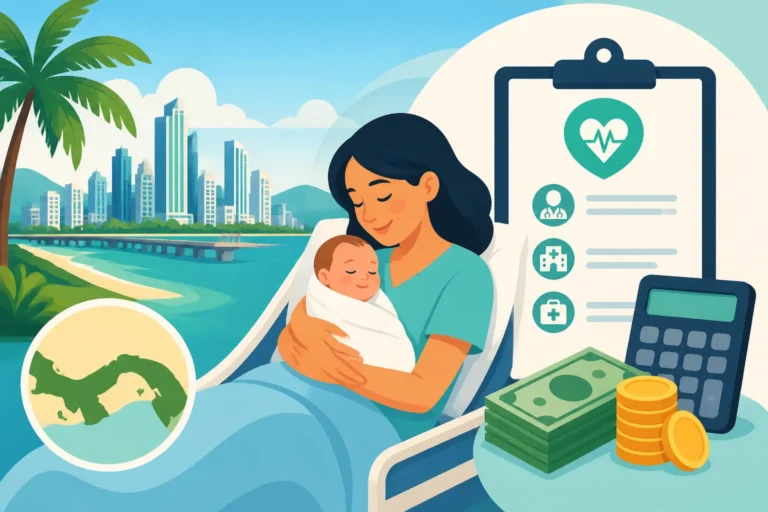
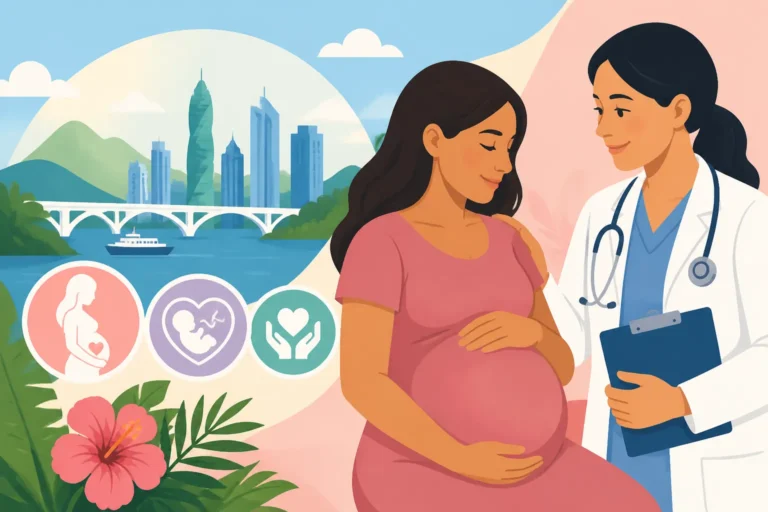
- Your Health Needs: If you have chronic conditions, require frequent specialist visits, or are planning a family (e.g., maternity care), the efficiency and specialization of the private system might be invaluable. If you're generally healthy and only require occasional routine care, the public system might suffice for basic needs. Consider potential future health concerns as well; a plan that covers pre-existing conditions (after a waiting period) or comprehensive care for unforeseen illnesses is paramount.
- Your Location in Panama: While Panama City boasts the most extensive and advanced private facilities, options outside the capital can be more limited. In smaller towns or rural areas, the local CSS polyclinic or hospital might be your only immediate option. If you live in an expat hub like Boquete or Coronado, you’ll find more private clinics catering to English speakers, but for serious issues, a trip to Panama City’s major hospitals will likely be necessary.
- Your Comfort Level with Bureaucracy and Language: Be honest with yourself. If navigating Spanish-speaking administrative processes and potential delays causes you significant stress, the private route will offer a smoother path, albeit at a higher cost.
A Hybrid Approach: Leveraging Both Systems
For many seasoned expats, the most practical and effective strategy is a hybrid approach. This means contributing to the CSS if you're formally employed (as it's often mandatory) but simultaneously maintaining private health insurance.
Here’s how a hybrid approach often works:
- Primary Care and Routine Visits: For a quick check-up or minor illness, you might opt for a private clinic. The ease of getting an appointment, English-speaking staff, and short wait times make it very appealing.
- Specialist Consultations: If a specialist is needed for a non-urgent matter, you'll likely use the private system to avoid long waits and ensure continuity of care.
- Emergency Care: For critical emergencies, heading straight to one of the major private hospitals (like Hospital Punta Pacifica or Hospital Nacional) is often the preferred choice for their advanced facilities and quick response. Your private insurance would cover this.
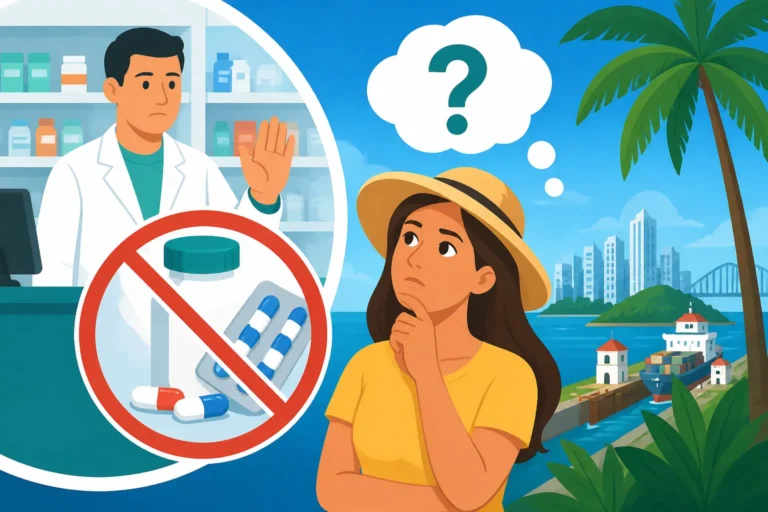
- Prescription Medications: While the CSS pharmacies offer medications at very low costs (or free for contributors), they might not always have the specific brand or dosage you need, or they might have long queues. Private pharmacies, found in almost every neighborhood, are plentiful and well-stocked, making it easy to purchase medicines, though at market prices. You can learn more about this in Prescription Medications and Pharmacies in Panama: The Complete Guide.
- Dental and Vision Care: These are often not fully covered by either CSS or standard private health insurance and are usually paid out-of-pocket or via specific dental/vision plans. You'll find a robust private network for these services.
By combining the strengths of both systems, expats can achieve a balanced approach that offers both cost-effectiveness and access to high-quality, efficient care when it truly matters. It's about being strategic and understanding when each system serves your needs best.
Practical Tips for Navigating Healthcare in Panama
Even with a comprehensive understanding of the public and private systems, a few practical tips can make your healthcare journey in Panama much smoother. These are the little nuggets of wisdom that veteran expats learn over time, often through trial and error.
Finding English-Speaking Professionals
One of the most common anxieties for new arrivals is "What if I get sick and can't explain what's wrong?" While total fluency in Spanish isn't required to get good care, finding healthcare professionals who can communicate effectively in English significantly reduces stress and the risk of misunderstandings.
- Expat Networks and Forums: Join local expat Facebook groups or online forums. These communities are invaluable for recommendations. Ask for specific doctor names, not just clinics. Other expats have been in your shoes and are usually happy to share their experiences.
- International Hospitals: Major private hospitals in Panama City, such as Hospital Punta Pacifica, Hospital Nacional, and Centro Médico Paitilla, often have dedicated international patient departments or a significant number of English-speaking doctors. When calling for an appointment, specifically request an English-speaking physician.
- Direct Contact: Don't hesitate to call a clinic or doctor's office and ask if they have English-speaking staff. Many receptionists will be able to tell you.
- Referrals from Your Home Country: If you have a trusted doctor in your home country, ask if they have any contacts or recommendations in Panama. Medical networks often extend further than you might expect.
- Specialty Clinics: For specific needs like dentistry, optometry, or even mental health services, you'll find numerous private practices that cater to an international clientele, often with English-speaking professionals. Our guide on How to Find an English-Speaking Doctor in Panama is a great place to start.
Building Your Medical Support Network
Beyond individual doctors, creating a broader medical support network is highly beneficial for long-term expat living. This network provides a safety net and helps you feel more secure in your new environment.
- Establish a Primary Care Physician (PCP): Even if you're generally healthy, having a go-to GP in the private sector can be incredibly helpful. This doctor will get to know your medical history, can provide referrals to specialists, and will be your first point of contact for most non-emergency issues. A consistent relationship can make a huge difference in managing your health effectively.
- Identify a Go-To Pharmacy: Get to know your local farmacia. Pharmacies in Panama often have a pharmacist who can provide basic medical advice for minor ailments, and many medications that require a prescription in other countries can be bought over-the-counter here. Understanding the local pharmacy system is key to quick access to common remedies. Check out Understanding the Pharmacy System and Buying Medicines in Panama for more information.
- Keep a Medical File: Maintain a physical or digital file with all your medical records, including past diagnoses, medications, allergies, vaccination history, and insurance details. This is invaluable when seeing new doctors or in an emergency.
- Emergency Contacts: Ensure your phone has ICE (In Case of Emergency) contacts, and that a trusted friend or neighbor knows who to call if you're incapacitated. Share your basic medical information with them if you're comfortable.
- Understand Hospital Admissions: Knowing the process for hospital admissions, whether planned or emergency, can save you precious time and stress. Familiarize yourself with which hospitals your insurance prefers and their general procedures. This proactive knowledge empowers you during potentially stressful times.
By taking these steps, you're not just reacting to medical needs as they arise; you're building a proactive system that enhances your safety and peace of mind, allowing you to truly enjoy your life as an expat in Panama.
Disclaimer
The information provided in this guide is intended for general informational purposes only and does not constitute medical, legal, or financial advice. While we strive to provide accurate and up-to-date information, healthcare systems, regulations, and costs in Panama can change. Always consult with qualified medical professionals, legal advisors, and insurance providers for advice tailored to your specific situation. We are not responsible for any actions taken based on the information presented herein.