How to Choose Private Health Insurance in Panama (2027)
Moving to a new country like Panama, one of the biggest anxieties, beyond remembering to say buenas to everyone you pass, is figuring out healthcare. It’s not just a matter of finding a doctor when you're sick; it’s about understanding an entirely different system, often in a different language, and ensuring you’re financially protected. This comprehensive guide will walk you through the labyrinthine process of choosing the best private health insurance in Panama, helping you make informed decisions that bring peace of mind.
Understanding Panama's Healthcare Landscape for Expats
When you first arrive in Panama, the healthcare system can feel like a bit of a maze. You hear about the Caja de Seguro Social (CSS), the public system, but then everyone talks about private clinics and hospitals. It’s confusing, especially when you’re trying to navigate everything else that comes with settling into a new life abroad. Believe me, I’ve been there, staring blankly at paperwork with no idea where to even start.
The Dual System: CSS vs. Private Sector
Panama operates on a dual healthcare system, which means you've got two main avenues for medical care: the public system, managed by the CSS, and a robust private sector. The public system is funded by employer and employee contributions, offering subsidized care, but it comes with its own set of challenges, particularly for expats. Think long wait times, limited English-speaking staff, and facilities that, while functional, might not always meet the standards you're accustomed to. It’s certainly an option for some, especially those employed by a Panamanian company contributing to the CSS, but it’s rarely the first choice for the majority of foreign residents seeking prompt and comfortable care.
On the other hand, the private sector is where most expats gravitate. Here, you'll find modern hospitals, state-of-the-art equipment, and many highly qualified, often US-trained, doctors who speak English. This is where you’ll typically experience shorter wait times, more personalized attention, and a level of comfort that feels more familiar. Places like Hospital Punta Pacifica, Hospital Nacional, and Centro Médico Paitilla in Panama City are prime examples of the excellent private facilities available. For a deeper dive into how this all works, check out our guide on How Panama's Health System Works: CSS and Private Care Explained (2027).
Why Private Insurance Isn't Just a Luxury, It's a Necessity
There are many cases where an expat thought they could just "wing it" without private insurance, only to face staggering bills after an unexpected medical emergency. While Panama's private healthcare costs are significantly lower than in many Western countries, they can still add up fast if you're paying out of pocket. A simple consultation might be $50-100, but an emergency room visit, diagnostics, or a hospital stay can quickly climb into the thousands.
Private health insurance isn't just a safety net; it’s a non-negotiable part of your expat toolkit in Panama. It provides direct access to the best facilities and specialists without the financial stress or the bureaucratic headaches of the public system. It means you can choose your doctor, get appointments quickly, and receive care in an environment that prioritizes your comfort and communication needs. Without it, you're essentially gambling with your health and your finances, and that's a risk no one should take when living abroad. For more on this, you might find our article on Do I Need Private Health Insurance in Panama? very insightful.
Assessing Your Personal Healthcare Needs and Budget
Before you even start looking at specific plans, you need to take a good, hard look in the mirror and assess what you truly need. This isn’t a one-size-fits-all situation. What works for a young, healthy individual might be completely inadequate for a family with small children or a retiree with pre-existing conditions. This is where you get real about your health, your lifestyle, and your financial situation.
Lifestyle, Age, and Pre-existing Conditions
Your personal circumstances play a huge role in determining the right insurance plan. Are you a thrill-seeker who loves exploring the Panamanian jungle or diving off the coast of Bocas del Toro? Or are you planning a more relaxed retirement in the highlands of Boquete? Your lifestyle directly impacts your risk profile. An adventurous spirit might need more robust emergency coverage, perhaps even with emergency evacuation options.
Age is another critical factor. Younger expats typically find more affordable premiums and fewer restrictions. As we get older, health concerns naturally become more prevalent, and insurance companies factor that into their pricing and coverage. Many plans have age limits for new applicants, and premiums will certainly increase with age.
Then there are pre-existing conditions – oh, the bane of many an expat’s insurance search! If you have any chronic conditions like diabetes, heart disease, or even a history of certain treatments, you need to be completely upfront. Some policies might exclude these conditions, others might cover them after a waiting period, and some might offer coverage at a higher premium. It’s crucial to scrutinize the fine print here, as overlooking this could leave you without coverage when you need it most. This is often the biggest hurdle and source of frustration for many expats, so prepare to be thorough.
Realistic Budgeting for Premiums and Deductibles
Let’s talk money. Private health insurance in Panama can range from surprisingly affordable to quite pricey, depending on the level of coverage, your age, and your health status. You need to establish a realistic budget that you can comfortably maintain year after year. Don't just look at the monthly or annual premium. You also need to consider deductibles, co-pays, and out-of-pocket maximums.
A deductible is the amount you have to pay out of your own pocket before your insurance company starts to cover costs. Plans with higher deductibles usually have lower premiums, and vice-versa. Co-pays are fixed amounts you pay for specific services, like a doctor’s visit or prescription. Out-of-pocket maximums are the most you'll have to pay in a policy year for covered medical expenses. Once you hit this limit, the insurance company pays 100% of the remaining covered costs.
It’s a balancing act: a lower premium might seem attractive, but if it comes with a sky-high deductible that you'd struggle to pay in an emergency, it might not be the best choice. Think about your personal financial resilience. Could you easily cover a $2,000 deductible if you suddenly needed surgery? If not, a plan with a lower deductible and slightly higher premium might offer more security. Understanding these different costs is vital, so make sure to read up on Understanding Out-of-Pocket Healthcare Costs and Co-Pays in Panama.
Local vs. International Coverage: What's Right for You?
This is a big decision point for many expats. You essentially have two main categories of private health insurance: local Panamanian plans and international plans.
Local Panamanian plans are offered by insurance companies operating within Panama, such as ASSA Compañía de Seguros, Internacional de Seguros, and MAPFRE Panamá. These plans are generally tailored to the Panamanian market, often more affordable, and usually provide excellent coverage within Panama’s private healthcare network. They are great if you intend to spend most of your time in Panama and primarily seek care here. However, their coverage outside of Panama might be limited or non-existent, and their customer service might be predominantly in Spanish.
International health insurance plans, on the other hand, are designed for global citizens and offer coverage not just in Panama, but often worldwide. Providers like Cigna Global, Aetna International, and Pacific Cross are popular choices. These plans are typically more expensive but offer unparalleled flexibility. If you travel frequently, split your time between Panama and other countries, or simply want the peace of mind that you can receive top-tier care anywhere in the world, an international plan is usually the way to go. They often come with English-speaking customer service, global networks, and sometimes even medical evacuation benefits.
For those who are just dipping their toes into expat life or are frequent travelers with a home base in Panama, even a robust travel insurance like SafetyWing could provide a stop-gap or supplementary coverage, especially for emergencies outside of Panama. While not a replacement for comprehensive health insurance, it’s worth noting for specific needs. The choice really depends on your travel habits, your desired flexibility, and your budget.
Key Factors to Consider When Evaluating Private Health Insurance Plans
Once you've done your self-assessment, it's time to roll up your sleeves and dive into the nitty-gritty of comparing insurance plans. This is where the details truly matter, and overlooking them can lead to significant headaches down the road.
Coverage Scope: Inpatient, Outpatient, Maternity, Dental, and Vision
The "scope" of a policy refers to what it actually covers. You’ll typically encounter different tiers of coverage:
- Inpatient Care: This is fundamental and almost always included. It covers hospital stays, surgeries, intensive care, and treatments requiring an overnight stay. This is your absolute minimum requirement for any serious medical event.
- Outpatient Care: This covers consultations with doctors and specialists, diagnostic tests (blood work, X-rays, MRIs), and minor procedures that don't require an overnight hospital stay. Many cheaper plans might limit outpatient benefits or offer them as an optional add-on, but for general health maintenance and non-emergency care, this is incredibly important.
- Maternity Coverage: If you’re planning to start or expand your family in Panama, maternity benefits are a critical consideration. Be aware that most policies have a waiting period for maternity coverage, usually 10-12 months, so you can’t sign up when you’re already pregnant. This is a common sticking point, so plan ahead.
- Dental and Vision: These are often separate add-ons or limited benefits within a standard policy. If you anticipate needing regular dental check-ups, cleanings, or require glasses or contact lenses, it’s worth investigating the specific dental and vision benefits offered. Keep in mind that specialized dental work like orthodontics or extensive cosmetic procedures might require a very high-tier plan or a separate dental insurance policy. You can often find affordable and high-quality dental care in Panama, so sometimes paying out-of-pocket for routine dental is more cost-effective. Check out Understanding Dental Care Costs in Panama for more information.
Always read the policy documents carefully to understand what services are explicitly covered and what might be excluded. Don't assume anything.
Network of Hospitals and Doctors in Panama
An insurance policy is only as good as the network of providers it allows you to access. You need to ensure that the plan you choose has agreements with the hospitals and clinics you prefer in Panama, especially in your local area.
- Direct Billing: The gold standard is direct billing, where the insurance company pays the hospital or clinic directly, so you don’t have to pay upfront and then wait for reimbursement. Many private hospitals in Panama, like Hospital Punta Pacifica and Hospital Nacional, have direct billing agreements with major international and local insurers. Confirm this with your potential insurer and the specific hospital.
- Preferred Providers: Some insurers have a "preferred provider" network, which means you might get better rates or more streamlined service if you use their recommended doctors and facilities.
- English-Speaking Professionals: For many expats, access to English-speaking doctors is a huge plus. While many doctors in Panama City, especially in private hospitals, speak excellent English, it's not a given everywhere. Inquire about this. Our guide on How to Find an English-Speaking Doctor in Panama can be a great resource.
Always ask for a list of their network providers and cross-reference it with hospitals and clinics you know and trust, or those that are conveniently located near you.
Deductibles, Co-pays, and Out-of-Pocket Maximums
We touched on this earlier in budgeting, but it bears repeating with a focus on evaluating plans. These three elements significantly impact your financial exposure.
- Deductibles: This is the fixed amount you pay before your insurance kicks in. A $500 deductible means you pay the first $500 of covered medical expenses each policy year. Higher deductibles mean lower premiums, but a higher initial burden if you need significant care.
- Co-pays: These are small, fixed payments you make for specific services after your deductible has been met. For example, a $20 co-pay for a doctor’s visit or $10 for a prescription. Some plans might have different co-pays for general practitioners versus specialists.
- Out-of-Pocket Maximums: This is the absolute ceiling on what you’ll pay for covered medical services in a given policy year. Once you hit this, your insurer covers 100% of additional costs. This is a crucial number because it caps your financial risk in the event of a catastrophic illness or accident. Always look for a plan with a reasonable out-of-pocket maximum that you could realistically afford in a worst-case scenario.
Understanding the interplay of these three is key to choosing a plan that aligns with both your health needs and your financial comfort level. For example, a plan might have a low premium, but if it has a high deductible and no reasonable out-of-pocket maximum, you could be exposed to significant costs.
Emergency Evacuation and Repatriation Benefits
This is a benefit that many expats overlook until they desperately need it. Imagine you’re in a remote part of Panama, or even another country, and suffer a serious injury or illness that requires specialized medical care not available locally. Emergency medical evacuation covers the cost of transporting you to the nearest appropriate medical facility, which could be in Panama City, or even back to your home country. This can involve air ambulances and specialized medical teams, costs that can easily run into the tens or even hundreds of thousands of dollars.
Repatriation, on the other hand, covers the cost of returning your remains to your home country in the unfortunate event of your death abroad. While not pleasant to think about, it’s a compassionate and practical benefit for expat families.
For those considering plans like SafetyWing, which caters to digital nomads and travelers, these evacuation benefits are often a core component. Even if you're settled in Panama, if you frequently travel within Central or South America, this coverage is invaluable. Always verify if this benefit is included, what the coverage limits are, and what constitutes a "medical necessity" for evacuation. For emergencies in Panama, our article on Emergency Medical Care in Panama: What Every Expat Needs to Know provides crucial information.
Navigating Local Panamanian Insurance Providers
When you're settling in Panama, it’s natural to consider local options for everything, including insurance. Panamanian insurance companies offer competitive plans that are often well-suited to expats who plan to reside primarily within the country.
Major Local Players and Their Offerings
Panama has several well-established local insurance companies that offer private health plans. The biggest names you'll likely encounter are:
- ASSA Compañía de Seguros: One of the largest and most reputable insurers in Panama, ASSA offers a range of health plans, from basic to comprehensive. They have a wide network of providers across the country and are known for their strong local presence. Their plans often cater to various budgets and can be a solid choice for individuals and families alike.
- Internacional de Seguros: Another prominent player, Internacional de Seguros provides various health products tailored to the Panamanian market. They are known for good customer service and a decent network of hospitals and clinics. They often have flexible options that allow you to customize your coverage to some extent.
- MAPFRE Panamá: While a global brand, MAPFRE has a strong local presence in Panama, offering a range of insurance products including health. They bring international standards with local adaptation, which can be appealing to some expats.
These companies are deeply embedded in the Panamanian healthcare ecosystem, meaning they often have direct billing agreements with the major private hospitals and clinics, simplifying the payment process significantly.
Pros and Cons of Local Plans
Choosing a local plan has distinct advantages and disadvantages that you need to weigh carefully:
Pros:
- Affordability: Generally, local plans are more affordable than international ones, especially if you plan to receive all your care within Panama.
- Local Network: They typically have strong direct billing relationships with a wide network of local hospitals and doctors, making it easier to navigate care.
- Understanding the Local System: Their staff is well-versed in the specifics of the Panamanian healthcare system and can guide you through local processes.
- Currency: Payments are typically handled in USD, which is Panama's de facto currency, simplifying transactions.
Cons:
- Limited International Coverage: Most local plans offer very limited, if any, coverage outside of Panama. If you travel frequently or anticipate needing care in your home country, this could be a major drawback.
- Language Barrier: While some larger companies may have English-speaking staff, the primary language for communication and documentation will likely be Spanish, which can be challenging for non-Spanish speakers.
- Less Flexibility for Global Expats: If your expat journey might take you to other countries in the future, a local plan ties you down to Panama's network.
- Underwriting: Underwriting can sometimes be more stringent for older applicants or those with significant pre-existing conditions.
The Application Process for Local Insurance
Applying for local insurance in Panama typically involves a few key steps:
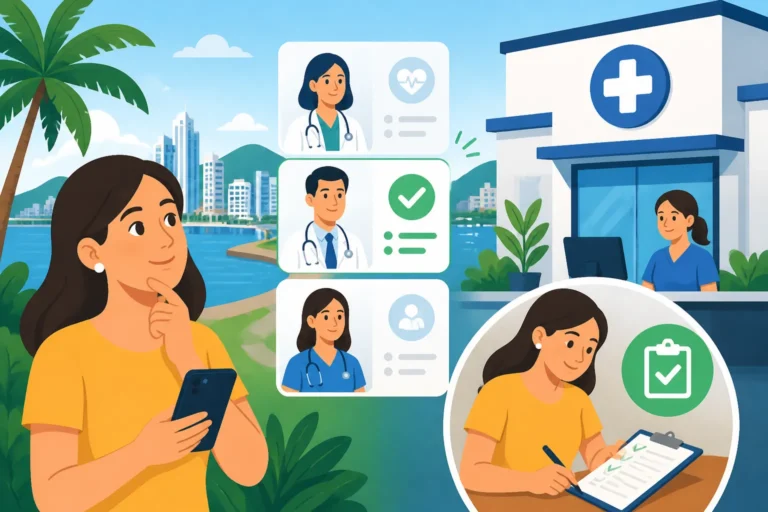
- Contact an Agent: Most local insurers work through agents or brokers. It’s highly recommended to work with one who understands the expat market and can speak English, if necessary. They can help you compare plans and understand the nuances.
- Gather Documents: You'll generally need your passport, your Panamanian residency card (if applicable), proof of address, and sometimes a local bank account for premium payments.
- Medical Questionnaire: You’ll fill out a detailed medical questionnaire about your health history, pre-existing conditions, and any past treatments. Be honest and thorough here; any inaccuracies could jeopardize future claims.
- Medical Exam (Optional but Possible): Depending on your age and health history, the insurer might request a medical examination, blood tests, or other diagnostics.
- Review and Approval: The insurer will review your application and medical information. If approved, they will issue your policy documents. This process can take anywhere from a few days to a few weeks.
Remember, patience is a virtue when dealing with administrative processes in Panama, and insurance is no exception!
Exploring International Health Insurance Options for Panama
For many expats, especially those with a truly international lifestyle or those who prioritize consistency in care no matter where they are, international health insurance is the preferred route. These plans offer a global safety net that local plans simply cannot match.
Leading International Providers
The international health insurance market is dominated by global giants who specialize in catering to expatriates worldwide. When you’re looking at options, you'll frequently come across names like:
- Cigna Global: A widely recognized name, Cigna Global offers comprehensive plans with extensive worldwide coverage. They are known for their flexible modular approach, allowing you to choose core coverage and then add optional benefits like outpatient, dental, or vision plans. Their customer service is often praised for its multilingual support and global network.
- Aetna International: Another top-tier provider, Aetna International provides robust health insurance solutions for expats, often with a focus on holistic well-being. They boast a vast network of medical providers globally and offer various plans designed to suit different expat needs and budgets, including those requiring extensive outpatient care.
- Allianz Care: Known for its strong presence in Europe and increasingly in other expat hubs, Allianz Care offers comprehensive health insurance plans with a focus on accessible and high-quality healthcare anywhere in the world. Their plans often come with a range of wellness benefits and excellent customer support.
- Bupa Global: While perhaps not as ubiquitous in the American expat market, Bupa is a huge name in global health insurance, particularly from the UK. They offer premium, comprehensive plans that are highly regarded for their quality of care and extensive global network.
- SafetyWing: While primarily known as travel medical insurance for digital nomads, SafetyWing has also expanded into offering global health plans. It's a newer, more agile option, often appealing to younger expats or those with a very flexible, location-independent lifestyle. It's an interesting hybrid, providing good value for core medical needs and excellent travel-focused benefits, including emergency evacuation. This can be a great option for those who are just starting out as an expat or have a dynamic lifestyle where they might frequently relocate or take shorter trips back home. It bridges the gap between traditional travel insurance and full-blown international private medical insurance, providing a strong safety net for unforeseen medical emergencies globally.
These providers generally offer plans with broader coverage limits, higher overall policy maximums, and often include benefits like medical evacuation and repatriation as standard.
Benefits of International Coverage: Portability and Broader Networks
The advantages of an international health insurance plan for an expat in Panama are significant:
- Global Portability: This is perhaps the biggest draw. Your coverage isn't tied to Panama; it travels with you. If you move to another country, your policy can often be adjusted or simply continues to cover you wherever you are (excluding your country of citizenship for some plans). This is invaluable for expats whose plans might evolve.
- Extensive Global Network: International insurers have relationships with hospitals and clinics around the world. This means if you need specialized treatment that isn't available in Panama, or if you simply prefer to receive certain types of care back in your home country, your policy can cover it.
- English-Speaking Support: Customer service is almost always available in multiple languages, with English being standard. This eliminates language barriers during stressful times.
- Higher Standards of Care: While Panama's private hospitals are excellent, international plans provide access to top-tier medical facilities globally, offering a wider range of choices for complex conditions.
- Comprehensive Benefits: These plans tend to offer more comprehensive benefits, often including robust outpatient, mental health, and wellness programs as standard or easily added options.
The peace of mind that comes with knowing you’re covered no matter where your expat journey takes you is often worth the higher premium for many. For a complete understanding of your options, it's worth checking out Health Insurance in Panama: Private and International Options Explained.
Understanding International vs. Travel Insurance
It’s crucial to understand the difference between international health insurance and travel insurance, as these terms are sometimes conflated.
- International Health Insurance (IPMI): This is comprehensive, long-term health coverage designed for expatriates living abroad for extended periods. It covers both routine and emergency medical care, planned treatments, and chronic conditions (subject to underwriting and waiting periods). It's your primary healthcare coverage when living outside your home country.
- Travel Insurance: This is short-term coverage, typically for trips lasting a few days to several months. Its primary purpose is to cover unexpected medical emergencies, trip cancellations, lost luggage, and other travel-related incidents. It is not designed to cover routine check-ups, planned treatments, or ongoing management of chronic conditions. While it can be a lifesaver in an emergency while traveling, it should never be seen as a substitute for long-term health insurance when you’re living in Panama.
However, some providers, like SafetyWing, offer a hybrid product that starts as travel medical insurance but can be extended for long-term periods, functioning more like an international health plan for basic medical needs and emergencies. This flexibility is great for digital nomads or those who value a lighter, more adaptable approach to insurance. Always read the fine print to understand the limitations and what is truly covered for both international and travel insurance policies.
The Application and Claims Process: What to Expect
No matter whether you choose a local or international plan, getting set up and then actually using your insurance involves some administrative hurdles. Knowing what to expect can reduce stress and ensure a smoother experience.
Required Documentation and Underwriting
The application process for private health insurance in Panama, especially for a comprehensive international plan, will require thorough documentation. Expect to provide:
- Proof of Identity: Your passport is a must. If you have Panamanian residency, your cédula (residency ID) will also be required.
- Proof of Address: Utility bills, rental agreements, or property deeds in Panama will suffice.
- Medical History: This is the most critical part. You'll fill out a detailed medical questionnaire about your past and current health conditions, medications, surgeries, and family medical history. Be absolutely honest. Insurers are very good at flagging discrepancies, and misrepresentation can lead to policy cancellation or denied claims.
- Declaration of Health: You might need to sign a declaration confirming the accuracy of your medical information.
- Financial Information: For payment setup.
Underwriting is the process by which the insurance company assesses your risk. Based on your medical history, age, and chosen coverage, they will decide whether to offer you a policy, and if so, what the premium will be and whether any conditions will be excluded. This can be the most nerve-wracking part for many expats, especially those with pre-existing conditions. It's common for them to request medical records from your previous doctors, so be prepared for that. This process can take several weeks, so don't leave getting insurance until the last minute.
Submitting Claims and Reimbursements
Ideally, you'll have direct billing with your chosen hospital and insurer for major procedures. But for many outpatient visits, prescriptions, or if you visit a doctor outside your direct billing network, you'll likely need to pay upfront and then submit a claim for reimbursement.
The claims process typically involves:
- Obtain Detailed Receipts: Always ask for a detailed, itemized receipt (a factura fiscal) from the doctor, clinic, or pharmacy. This receipt should include the provider’s name, RUC (tax ID), your name, the date of service, and a clear breakdown of services rendered and costs.
- Medical Report/Diagnosis: For doctor visits, it's often helpful (and sometimes required) to get a brief medical report or diagnosis from the doctor, especially for specialist visits or unusual conditions.
- Complete Claim Form: Fill out your insurance company’s claim form thoroughly. Many international insurers have online portals for easy submission.
- Attach Supporting Documents: Scan and attach all receipts, medical reports, and any other required documentation.
- Submit: Send your claim via the online portal, email, or post, as directed by your insurer.
Reimbursement times can vary, from a few days to several weeks. Keep copies of everything you submit. If you're a new expat, this process can feel overwhelming, but it gets easier with practice. For detailed steps, refer to our article on How to Claim Reimbursement from Private Insurance in Panama.
Dealing with Denials and Appeals
It’s an unfortunate reality that claims can sometimes be denied. This can be incredibly frustrating, especially when you’re relying on that reimbursement. Common reasons for denial include:
- Incomplete Documentation: Missing receipts, forms not fully completed, or lack of a medical report.
- Exclusions: The service or condition is explicitly excluded from your policy (e.g., a pre-existing condition not covered, cosmetic procedures).
- Waiting Periods: You sought treatment for a condition (like maternity) before the waiting period for that benefit expired.
- Policy Lapse: Your policy wasn't active or premiums weren't paid.
- Medical Necessity: The insurer determines the treatment wasn't medically necessary.
If your claim is denied, don't panic. Carefully read the denial letter to understand the reason. Most insurance companies have an appeals process. This usually involves:
- Gather More Information: Provide any missing documents, or get additional details from your doctor to support the medical necessity of the treatment.
- Write an Appeal Letter: Clearly state why you believe the claim should be paid, referencing your policy terms and attaching any new supporting evidence.
- Submit the Appeal: Follow the insurer’s specific instructions for submitting an appeal.
If the appeal is unsuccessful, and you still believe you are in the right, you might consider seeking legal advice or contacting Panama's consumer protection agency (ACODECO), though this can be a lengthy process. It's always best to try and resolve it directly with the insurer first.
Special Considerations for Expats
As an expat, your situation is often more complex than that of a local resident. There are unique factors you need to consider when choosing health insurance in Panama.
Age Restrictions and Renewability
Age plays a significant role in health insurance. Many private insurance companies, particularly local ones, have age limits for new applicants. It's common to see upper age limits around 65 or 70 for new policies. If you're nearing or past these ages, your options might be more limited, and premiums will undoubtedly be higher. International insurers often have more flexibility regarding age.
Renewability is also crucial. Once you have a policy, you want to ensure you can renew it year after year, especially as your health needs evolve. Look for policies that are "guaranteed renewable," meaning the insurer cannot cancel your policy due to a change in your health status (though they can still adjust premiums based on age, claims history, or general inflation). This provides immense peace of mind, knowing you won't suddenly be without coverage in your later years.
Pre-existing Conditions: Navigating the Minefield
Ah, pre-existing conditions. This is often the biggest hurdle and source of frustration for many expats. A pre-existing condition is generally defined as any illness, injury, or medical condition for which you have received diagnosis, medical advice, or treatment prior to enrolling in a new health insurance plan.
How insurers handle these conditions varies widely:
- Exclusion: The insurer might simply exclude coverage for anything related to that specific condition. You'd be responsible for all costs associated with it.
- Waiting Period: They might impose a waiting period (e.g., 12-24 months) before they will cover treatment for a pre-existing condition.
- Loading: They might offer full coverage for the condition but at a higher premium.
- Full Coverage: In rare cases, for minor, well-managed conditions, they might offer full coverage with no extra costs or waiting periods.
It is absolutely vital to be completely transparent about any pre-existing conditions during the application process. Attempting to hide them is a grave mistake that can lead to all future claims being denied and your policy being canceled. If you have significant pre-existing conditions, you might need to work with a specialized broker who understands the nuances of underwriting for complex cases. For those concerned about managing chronic health issues, finding a plan that addresses them is non-negotiable.
Health Insurance for Families and Dependents
If you’re moving to Panama with your family, getting insurance for everyone adds another layer of complexity. Most insurers offer family plans or allow you to add dependents to your individual policy. When choosing a family plan, consider:
- Cost-effectiveness: Sometimes, a family plan is more economical than individual policies for each member.
- Children's Coverage: Ensure the plan covers pediatric care, vaccinations (check Understanding Childhood Vaccination Schedules in Panama), and common childhood illnesses.
- Maternity: If you plan on having children, maternity benefits are a key consideration, along with the typical waiting periods.
- Age of Dependents: Most policies have age limits for children (e.g., up to 18 or 23 if full-time students).
- Adding New Dependents: Understand the process and timelines for adding a newborn or newly adopted child to your policy.
For detailed information on how to ensure your loved ones are covered, take a look at our article on How to Add Dependents to Your Health Insurance in Panama. It's crucial that every member of your family has appropriate coverage to avoid any gaps or unforeseen expenses.
Comparing Your Options: A Practical Approach
By now, you've probably gathered a lot of information, and it can feel overwhelming. The key is to organize your findings and approach the comparison systematically.
Creating a Checklist for Comparison
To help you make an informed decision, I highly recommend creating a detailed checklist. This will allow you to objectively compare different plans side-by-side. Here’s a template you can adapt:
| Feature/Consideration | Plan A (e.g., ASSA) | Plan B (e.g., Cigna Global) | Plan C (e.g., SafetyWing) |
|---|---|---|---|
| Annual Premium | |||
| Deductible | |||
| Out-of-Pocket Max | |||
| Inpatient Coverage | Y/N (Details) | Y/N (Details) | Y/N (Details) |
| Outpatient Coverage | Y/N (Details) | Y/N (Details) | Y/N (Details) |
| Maternity (Waiting) | Y/N (Months) | Y/N (Months) | Y/N (Months) |
| Dental/Vision | Y/N (Details) | Y/N (Details) | Y/N (Details) |
| Pre-existing Conditions | How handled? | How handled? | How handled? |
| Emergency Evacuation | Y/N (Limit) | Y/N (Limit) | Y/N (Limit) |
| Geographical Coverage | Panama Only/Worldwide | Worldwide/Specific | Worldwide/Specific |
| Direct Billing (Panama) | Yes/Limited | Yes/Extensive | Limited/Reimbursement |
| English Support | Limited/Yes | Yes | Yes |
| Renewability | Guaranteed/Terms | Guaranteed/Terms | Guaranteed/Terms |
| Customer Reviews | Good/Average/Poor | Good/Average/Poor | Good/Average/Poor |
Fill this out for at least 2-3 top contenders. It will immediately highlight where each plan excels and where it falls short for your specific needs. Don’t be afraid to add more rows that are particularly important to you, such as mental health coverage or physiotherapy.
Seeking Professional Advice
Navigating the world of international health insurance can be incredibly complex. This is one area where I truly recommend seeking professional advice. An independent insurance broker specializing in expat health insurance can be an invaluable resource.
- Expert Knowledge: They have in-depth knowledge of various plans, their intricacies, and how different insurers handle specific conditions (like those tricky pre-existing ones!).
- Personalized Recommendations: A good broker will take the time to understand your unique circumstances, health history, lifestyle, and budget to recommend plans that genuinely fit your needs.
- Access to Multiple Providers: They work with multiple insurance companies, both local and international, giving you a wider range of options than if you tried to contact each insurer individually.
- Help with Application: They can guide you through the application process, helping you fill out forms correctly and ensuring all necessary documentation is submitted.
- Advocacy: In some cases, a broker can even act as an advocate on your behalf if you encounter issues with claims or policy terms.
Often, their services are free to you, as they are compensated by the insurance companies. Always look for brokers with good reputations and specific experience with expats in Panama.
Real-World Scenarios and Choosing the Best Fit
Finally, put yourself in hypothetical situations. Think about common health scenarios and how each plan would perform.
- Scenario 1: Minor Illness. You get a nasty stomach bug and need to see a doctor quickly. Which plan allows you to see an English-speaking doctor in Panama City with minimal out-of-pocket cost and no reimbursement hassle?
- Scenario 2: Unexpected Surgery. You twist your knee playing pickleball and need surgery. Which plan covers the hospital stay, surgeon's fees, and post-op physical therapy efficiently? What’s your maximum financial exposure here?
- Scenario 3: Traveling Abroad. You’re on a trip to Costa Rica and suffer an accident. Which plan covers you internationally, and does it include emergency medical evacuation back to Panama (or your home country)? This is where plans like SafetyWing shine for travel.
By running through these scenarios, you can visualize the practical implications of each plan. Remember, the "best" plan isn't necessarily the cheapest or the one with the most bells and whistles. It's the one that provides the most peace of mind, fits your budget, and genuinely meets your healthcare needs as an expat in Panama. It’s about being prepared for life's inevitable curveballs in a country you now call home. For a broader view of the healthcare landscape, consider reading The Complete Guide to Healthcare in Panama for Expats (2027).
Disclaimer
The information provided in this guide is for general informational purposes only and does not constitute medical, financial, or legal advice. Healthcare systems, insurance policies, and regulations in Panama can change. Always consult with qualified insurance professionals, legal advisors, and healthcare providers for advice tailored to your specific situation.