How to Enrol Your Child in a School in Panama
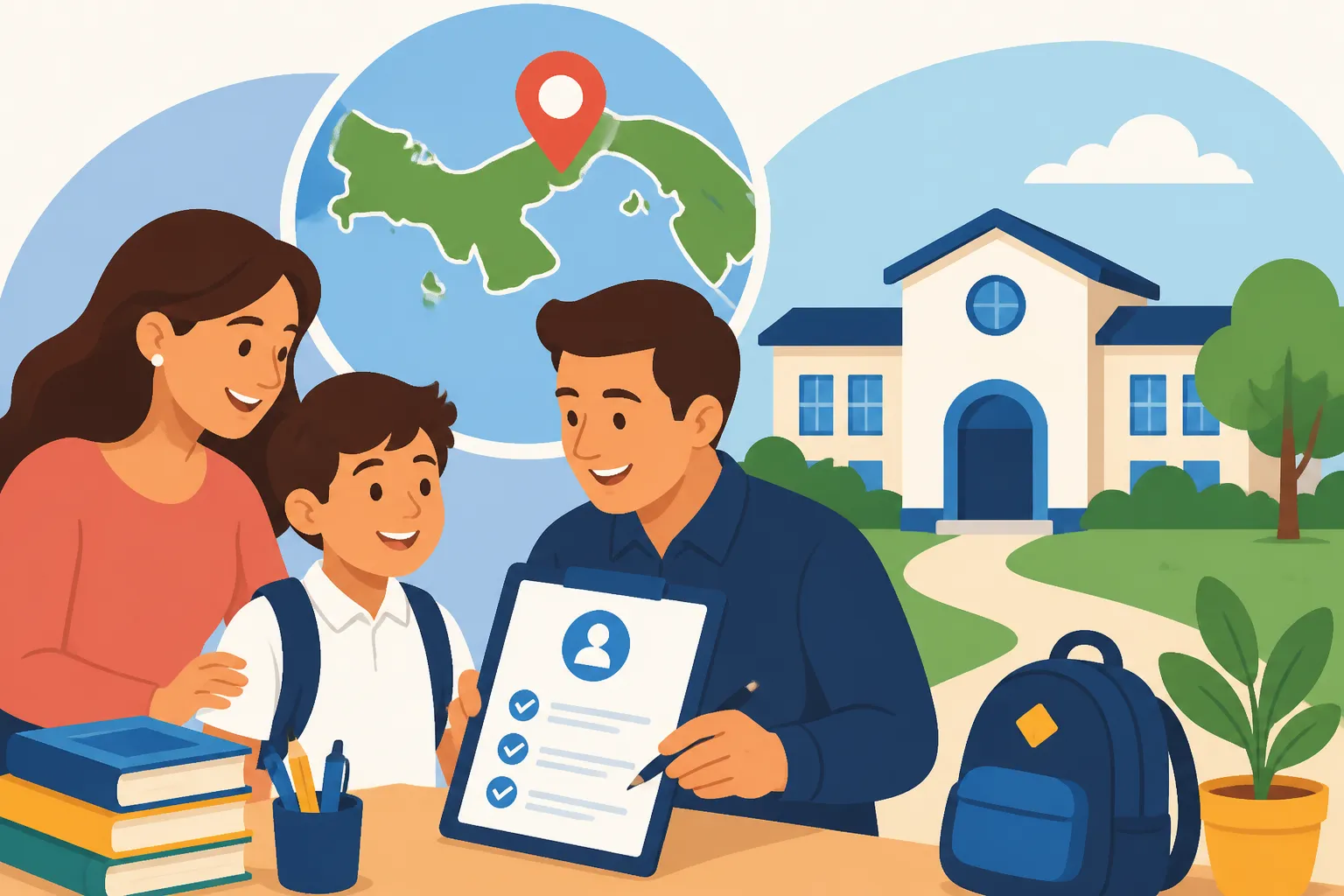
Ah, the big move! You’ve finally landed in beautiful Panama, the sun is shining, the palm trees are swaying, and then it hits you: school. Enrolling your children in a new country, especially one with a different language and educational system, can feel like navigating a jungle without a machete. Believe me, I’ve been there, staring at incomprehensible forms and trying to figure out if "kinder" meant actual kindergarten or something else entirely. This guide is here to hack through that jungle, offering a realistic, empathetic, and comprehensive roadmap to enrolling your child in a school in Panama, whether you're eyeing a local public school or a shiny international academy.
Understanding Panama's Education System
When you first start looking into schooling here, it can feel a bit overwhelming. Panama offers a few distinct paths, and understanding the nuances of each is crucial for expat families trying to find the right fit for their children. It's not just about academics; it's about culture, language, and making sure your child thrives in their new environment.
Public, Private, and International Schools
Let's break down the main options you'll encounter in Panama, and what each entails for your family.
Public Schools: The Local Experience
Panama's public school system, or escuelas públicas, is free for all residents, including expat children. These schools are run by the Ministry of Education (MEDUCA) and follow the national curriculum. The language of instruction is almost exclusively Spanish, which is fantastic for immersion but can be a steep learning curve for kids not already fluent. Class sizes can be large, and resources, while adequate, might not match what you're used to in your home country.
For expat parents, choosing a public school often comes down to a desire for full cultural immersion and, let's be honest, the cost-saving aspect. Your child will undoubtedly become fluent in Spanish, make local friends, and gain a deep understanding of Panamanian culture. However, be prepared for a less individualized approach to learning, and a greater need for parental involvement in helping your child adapt academically if they're struggling with the language. It's a genuine, local experience, but it comes with its own set of challenges, particularly for older children or those with specific learning needs.
Private Schools: A Mid-Range Option
Private schools, or escuelas privadas, are abundant throughout Panama, especially in major cities like Panama City, David, and Coronado. These schools often follow the Panamanian curriculum but may also integrate bilingual programs (Spanish and English) or offer specific religious instruction. They typically have smaller class sizes, better facilities, and a wider range of extracurricular activities compared to public schools.
The cost for private schools can vary significantly, from moderately priced options to those that rival international schools in their fees. Many Panamanian middle and upper-class families choose these schools, so your child will still be immersed in local culture, but often within a more diverse and academically focused environment. If you're looking for a balance between local integration and enhanced educational resources without the full price tag of an international school, a private Panamanian school might be a perfect fit. Just be sure to research their English programs if that's a priority, as the quality can differ greatly.
International Schools: A Home Away From Home
For many expat families, international schools are the go-to choice. These institutions cater specifically to the expatriate community and often follow well-known international curricula such as the International Baccalaureate (IB), American, or British systems. Schools like Balboa Academy, Metropolitan School of Panama, King's College Panama, and Crossroads Christian Academy are popular examples. The primary language of instruction is usually English, though most offer robust Spanish language programs.
International schools provide a familiar educational environment, making the transition much smoother for children who are already accustomed to these curricula. They boast excellent facilities, a wide array of extracurriculars, and a diverse student body representing dozens of nationalities. The downside? They are significantly more expensive, with tuition fees that can be a major component of your The Complete Guide to Cost of Living in Panama for Expats (2026). However, for peace of mind regarding curriculum continuity, university admissions back home, and a strong expat community, many families find the investment worthwhile. For a deeper dive, you might want to look into Understanding the Cost of International and Private Schools in Panama.
Key Differences for Expat Parents
Beyond the structure, there are fundamental differences that expat parents need to prepare for when enrolling their children in Panama.
Cultural and Academic Expectations
Panamanian schools, whether public or private, often have a more traditional, teacher-centric approach to education compared to some Western countries. Rote learning and respect for authority figures are highly valued. While this can provide a structured environment, it might feel different if your child is used to more student-led or project-based learning. Homework loads can also be substantial, and parental involvement in ensuring homework is completed is generally expected.
Socially, Panamanian children are often very welcoming, but cultural norms around friendship and social groups might require some adjustment. Children are expected to be respectful and polite, and manners are emphasized. Understanding these subtle differences will help you prepare your child and mediate any misunderstandings.
Language Barriers and Support
The most obvious hurdle for many expat children, especially those entering public or purely Spanish-speaking private schools, is the language barrier. While young children often pick up Spanish incredibly quickly through immersion, older children might struggle initially. Some private schools offer dedicated ESL (English as a Second Language) programs, but this is less common in public schools.
If your child is not fluent in Spanish, consider private tutoring before or during their first few months. Many expat parents find that a combination of school immersion and supplementary language lessons significantly speeds up the process. Even in international schools, encouraging Spanish learning is beneficial for daily life and integration outside of school walls. Remember that communication with teachers might also require some Spanish proficiency from parents, so brushing up on your own español or utilizing translation apps will be invaluable.
Navigating the Enrolment Process for Public Schools
Enrolling your child in a public school in Panama offers an authentic slice of local life, but it definitely requires a bit more legwork and a good dose of patience. The process can feel like a winding road, but with the right information, it's absolutely manageable.
Eligibility and Requirements
Unlike the often lengthy application processes for private and international schools, public school enrolment is generally more straightforward, focusing primarily on residency and proximity.
Documents Needed for Registration
You'll need a collection of official documents, and it's best to have them ready, preferably translated and apostilled if they're from your home country. Key documents typically include:
- Child's Birth Certificate: Original and a copy. If not in Spanish, it will need to be officially translated.
- Child's Passport and Visa/Residency Card: Proof of legal status in Panama. This is where your efforts in How to Get Residency in Panama: The Full Guide (2027) really pay off!
- Parent/Guardian's Passport and Visa/Residency Card: Also showing legal status.
- Vaccination Records (Tarjeta de Vacunación): This is crucial. Panamanian schools require up-to-date immunization records. It's often best to get your child's foreign vaccination records reviewed and potentially updated by a local pediatrician to align with Understanding Childhood Vaccination Schedules in Panama.
- School Transcripts/Records from Previous School: While not always strictly required for primary grades, these are helpful, especially for older children, to determine appropriate grade placement. Again, official translations may be needed.
- Proof of Address: A utility bill (electricity, water, internet) in your name, or a rental contract, linking your residence to the school's catchment area. This is essential, as public school enrolment is typically based on your residential zone.
- Medical Certificate (Certificado de Salud): A simple certificate from a Panamanian doctor stating your child is fit for school. You can usually get this from a local clinic for a small fee.
Age Cut-offs and Catchment Areas
Public schools adhere strictly to age cut-offs for each grade level, usually based on the child's age by a specific date, often February or March of the academic year (which typically runs from March to December). It’s not uncommon for children to be placed in a grade based solely on their birth year, regardless of their previous academic experience.
Additionally, public schools operate on a strict catchment area system. Your child will be assigned to the school closest to your declared residence. You usually can't simply pick a public school further away if there's one closer, even if you prefer it. It’s worth asking neighbours or local expat groups which schools are in good standing in your desired area before committing to a rental.
Step-by-Step Enrolment
Once you have your documents in order, the enrolment process itself is a series of visits and form-filling.
Finding Your Local School and Initial Contact
Your first step is to identify the public school corresponding to your residential address. You can often do this by asking local neighbours, your landlord, or visiting the local MEDUCA office (though this can be time-consuming). Once identified, you'll need to visit the school directly during their enrolment period, which usually takes place in January and February for the academic year starting in March.
Don't expect an online portal or a dedicated English-speaking enrolment officer. This will likely be an in-person, Spanish-speaking interaction with the school secretary or director. Bring all your documents, and if your Spanish isn't strong, bring a Panamanian friend or a translator. They will provide you with the necessary forms, which you'll need to complete by hand.
Application Forms, Interviews, and Assessments
The application forms themselves are relatively straightforward, asking for personal details, contact information, and previous school history. After submitting the forms and documents, there might be a brief interview with the school director. This is more of a formality to welcome the child and confirm details rather than a rigorous assessment. For older children, some schools might administer a basic placement test, particularly in Spanish and math, to ensure they are in the correct grade. However, this is less common for younger students.
The biggest challenge can often be the bureaucracy and the "Panamanian time" factor. Be prepared for multiple visits, potential long waits, and a process that might not always seem logical or efficient by Western standards. Patience, a friendly attitude, and persistence are your best allies here. Once accepted, you'll receive a confirmation and details on when school starts, uniform requirements (if any, though many public schools require a standard uniform), and supply lists. Remember, this is an adventure, and seeing your child integrate into the local culture through a public school can be an incredibly rewarding experience.
Enrolling in Private and International Schools
For many expat families, private and international schools offer a more familiar and often smoother transition for their children. While the cost is higher, the process is typically more streamlined, and the educational environment is designed with global students in mind.
Selecting the Right Private/International School
Choosing the right school is a huge decision, and in Panama, you have some excellent options, especially if you're in or near Panama City. It's not just about what looks good on paper; it's about the feel, the curriculum, and how it aligns with your family's values and your child's needs.
Factors to Consider: Curriculum, Accreditation, and Location
First and foremost, think about the curriculum. Do you want continuity with your home country's system (e.g., British A-Levels, American AP courses)? Or are you looking for a globally recognized framework like the International Baccalaureate (IB) Programme? Schools like the Metropolitan School of Panama offer the IB, while King's College Panama follows the British curriculum, and Balboa Academy offers an American-style education. Each has its own strengths and approaches.
Accreditation is another vital factor. Ensure the school is accredited by reputable international bodies (e.g., AdvancED/Cognia for American schools, COBIS for British schools). This ensures the quality of education and makes it easier for your child's academic records to be recognized if you move again or apply to universities abroad.
Location is also key. Panama City traffic is no joke. Commute times can quickly eat into your day, so consider schools that are realistically accessible from your chosen neighborhood. Many international schools are located in areas like Clayton, Costa del Este, or the city center, and some offer bus services. If you're looking for internet and mobile service in Panama, you'll find plenty of options that cater to these areas, ensuring you can stay in touch with the school.
Finally, consider the facilities, student-teacher ratio, and extracurricular activities. Do they have good sports fields, arts programs, or technology labs? A robust extracurricular program is not just for fun; it's crucial for helping your child integrate socially and explore new interests.
Researching Specific Schools
Don't just rely on websites. Reach out to other expat families – word of mouth is incredibly powerful here. Visit the schools in person, if possible, to get a feel for the atmosphere. Ask about class sizes, the percentage of expat students vs. Panamanian students, and how they support new arrivals, especially those with limited Spanish.
For instance, schools like the Balboa Academy are renowned for their American curriculum and vibrant international community. The Metropolitan School of Panama (MET) offers the full IB continuum, making it an excellent choice for families seeking a globally consistent education. King's College Panama brings a strong British educational tradition. Each has its own character, and it’s worth exploring what makes them unique.
Application Procedures and Deadlines
Once you’ve shortlisted your preferred schools, it’s time to tackle the application process. Be prepared for a more structured, but also more competitive, journey than with public schools.
Typical Application Packets
Private and international schools typically require a comprehensive application packet. This usually includes:
- Application Form: Usually available online.
- Previous School Transcripts/Report Cards: These will need to be official, translated into English or Spanish (depending on the school's primary language), and often apostilled or notarized, similar to what's needed for How to Get Your Documents Apostilled for Panama Immigration.
- Letters of Recommendation: From previous teachers or school administrators.
- Student Essay/Personal Statement: For older students, this helps the school understand their personality and motivations.
- Copy of Child's Passport and Visa/Residency: Essential for identification and legal status.
- Parent/Guardian's Passport Copy: For verification.
- Vaccination Records: Up-to-date and often needing to be translated or validated by a local doctor.
- Photos: Passport-sized photographs of your child.
Many schools also require entrance exams or assessments, especially for specific grades, to gauge academic readiness in subjects like English, Math, and sometimes Spanish. An interview with the admissions team or school director is also common. This is your chance to ask questions and show your enthusiasm.
Importance of Applying Early
International schools, especially the top-tier ones, can be highly competitive, with limited spots in certain grades. Applying early is paramount. Many schools begin accepting applications a year in advance, and waitlists are common. Don't wait until you land in Panama to start this process. Contact schools as soon as you know you’re moving, even if it’s just to understand their admissions calendar and requirements.
If you're moving mid-academic year, spaces will be even scarcer, so communicate your situation clearly with the admissions office. Some schools might have rolling admissions if space becomes available, but it’s never guaranteed. Being proactive will save you a lot of stress down the line.
Costs and Fees
Let's talk money, because private and international school fees can be a significant part of your expat budget in Panama. These aren't just simple tuition figures; there's usually a whole menu of associated costs.
Breakdown of Tuition and Associated Fees
Tuition for international schools can range from $8,000 to over $20,000 USD per year, per child, sometimes even more for high school grades. This usually covers the core academic program. However, expect additional mandatory fees:
- Application Fee: A non-refundable fee just to process the application.
- Enrolment/Registration Fee: A one-time or annual fee to secure a spot.
- Capital Development Fee: Some schools charge this one-time fee to contribute to facility maintenance and upgrades. This can be substantial.
- Technology Fee: For access to school technology and resources.
- Bus Transportation: If you opt for school transport, this is an additional monthly or annual cost.
- Uniforms: Most private and international schools require uniforms, which you'll purchase separately.
- Books and Supplies: While some schools include basic supplies, others require you to purchase textbooks and specific materials.
- Extracurricular Activities: While many basic clubs are included, specialized activities, sports teams, or external programs might incur extra charges.
It's absolutely essential to get a full breakdown of all potential costs from the admissions office so you can budget accurately. Don't be shy about asking for a detailed fee schedule, which is vital when trying to understand How Much Are International School Fees in Panama City?.
Payment Plans and Financial Aid
Some schools offer payment plans, allowing you to pay tuition in monthly or quarterly installments rather than a lump sum. This can help manage cash flow. However, financial aid or scholarships for expat families are generally rare, especially for international schools. It's not impossible, but you'll need to inquire directly with the school and be prepared to demonstrate significant financial need. Always ask about any discounts for siblings, as some schools offer a small percentage off for additional children enrolled.
Essential Documents and Practicalities
Regardless of whether you choose public, private, or international education, certain administrative hurdles are common to all. Getting your paperwork in order and preparing for the linguistic and cultural shifts are key to a smooth transition.
Gathering Necessary Paperwork
The Panamanian authorities, and consequently the schools, are sticklers for proper documentation. This phase can often be the most frustrating part of the entire enrolment process for expats.
Apostille and Legalization Requirements
For most official documents from your home country, such as birth certificates and previous school transcripts, you will almost certainly need them to be apostilled. An apostille is an international certification that legalizes the document for use in foreign countries that are signatories to the Hague Apostille Convention. If your home country is not part of the Hague Convention, you'll need a full consular legalization process, which involves your country's foreign affairs department and then the Panamanian consulate in your home country.
This process can be time-consuming, so start before you move to Panama. Trying to get documents apostilled from abroad while you're already here is a logistical nightmare. For detailed guidance, I highly recommend checking out How to Get Your Documents Apostilled for Panama Immigration well in advance. Without proper legalization, many Panamanian schools will simply not accept your documents, regardless of how official they look.
Translating Documents into Spanish
Even if your documents are apostilled, if they are not originally in Spanish, most Panamanian institutions (including schools, especially public and many private ones) will require an official translation. This isn't just any translation; it needs to be done by a certified public translator in Panama, or sometimes by a Panamanian consulate-approved translator abroad. Do not try to do this yourself or use a non-certified translator; it will be rejected. The schools can usually provide a list of approved translators, or you can find them through the Panamanian Ministry of Foreign Affairs website. This step adds both time and cost to the enrolment process.
Immunization Records and Panamanian Equivalents
Panama has specific vaccination requirements for school-aged children. You’ll need to present your child’s up-to-date immunization records. It's highly advisable to visit a local Panamanian pediatrician upon arrival, bringing your child's vaccination history. The pediatrician will review it, make any necessary updates to comply with Panamanian standards, and issue a local "Tarjeta de Vacunación" (vaccination card) or a medical certificate confirming compliance. This local document is what the schools typically prefer. This process is also important for Understanding Childhood Vaccination Schedules in Panama. Don't forget, having a local doctor is also key to knowing How to Find an English-Speaking Doctor in Panama if you ever need one.
Bridging the Language Gap
Moving to a new country where a different language is spoken can be tough, especially for kids. As an expat, you’ll want to help your children adjust to the language of their new school.
Tips for Children Learning Spanish and ESL Programs
For younger children, immersion in a Spanish-speaking environment often works wonders. They soak up languages like sponges! For older kids, it can be more challenging. Many international schools offer excellent ESL (English as a Second Language) programs designed to support non-native English speakers as they integrate into the curriculum. If you choose a Spanish-speaking private or public school, look for those that offer extra Spanish lessons for foreigners, though these are less common.
Outside of school, consider hiring a private tutor for a few hours a week, even just for conversational Spanish. Encourage your children to watch Panamanian TV shows, listen to local music, and engage with their new friends. Using apps like Duolingo or Babbel can make language learning feel like a game. Remember that patience is key; it takes time to become proficient, and progress isn't always linear.
Parental Involvement and Communication with School Staff
Your active involvement as a parent will be invaluable during this transition. Attend school orientations, parent-teacher conferences, and any school events you can. This shows your child you’re invested and helps you build relationships with teachers and staff.
Communication might be a hurdle if your Spanish isn't strong. In international schools, most staff will be English-speaking. In private and public schools, however, you might need to rely on translation apps or a bilingual friend to help with important conversations. Don't hesitate to ask for clarity if you don't understand something. Teachers here generally appreciate parental engagement and will do their best to communicate effectively, even if it means a little charades or a helpful student acting as an interpreter!
Beyond the Classroom: Settling In
Enrolling your child is just the first step. Helping them truly settle into their new life in Panama involves more than just academics. It's about fostering social connections and a sense of belonging.
Extracurricular Activities and Social Integration
School isn't just about lessons and homework; it's a huge part of a child's social world. Extracurricular activities are goldmines for integration.
Sports, Clubs, and Arts Opportunities
Panamanian schools, especially private and international ones, offer a range of extracurricular activities. Team sports like football (soccer), basketball, and volleyball are very popular. Many schools also have clubs for chess, debate, environmental awareness, robotics, and various arts like drama, music, and painting.
Encourage your child to try new activities or continue with hobbies they loved back home. These activities are fantastic for meeting new people outside of the regular classroom setting. It’s often through shared passions that children form their strongest bonds, bridging language and cultural differences naturally. Beyond school, check out local sports academies or community centers that offer programs. For instance, the City of Knowledge in Panama City has various clubs and events that often attract expat families and provide opportunities for children to socialize.
Helping Children Make Friends and Adapt
Making friends in a new country can be tough at any age, but especially for children. Start by fostering connections with parents of your child's classmates. School WhatsApp groups, parent associations, and school events are great ways to meet other families. Arrange playdates, invite classmates over, and make an effort to socialize.
Acknowledge your child’s feelings about the move. It’s normal for them to miss old friends or feel overwhelmed. Listen to their concerns, validate their emotions, and remind them that adjusting takes time. Celebrate small victories, like making a new friend or understanding a joke in Spanish. Your emotional support is paramount as they navigate this new chapter. For general tips on navigating the new country, a good resource is The Complete Guide to Moving to Panama: Your First 90 Days (2027).
Parental Involvement and Community
Your role in your child's adaptation extends beyond simply dropping them off at school. Creating a supportive network for yourself will also indirectly benefit your child.
PTA/Parent Associations and School Events
Most private and international schools have active Parent-Teacher Associations (PTAs) or similar parent groups. Getting involved with these groups is a fantastic way to meet other parents, both local and expat, and understand the school community better. These associations often organize events, fundraisers, and social gatherings. It's a prime opportunity for you to ask questions, share experiences, and pick up valuable local insights.
Attending school concerts, sports days, and cultural festivals not only supports your child but also deepens your connection to their school life and the wider community. It shows your child that you are invested and proud of their new environment.
Connecting with Other Expat Families
Finding your tribe among other expat families can be a lifesaver. They understand the unique challenges and joys of living abroad. Look for expat groups on social media (Facebook is very active for expats in Panama), attend expat meet-ups, or simply strike up conversations at school pick-up. These connections can offer practical advice, emotional support, and opportunities for shared experiences. You'll find yourself swapping tips on everything from where to find obscure ingredients to recommendations for How to Choose Private Health Insurance in Panama (2027).
Remember, settling into a new country is a journey for the whole family, and the school plays a central role in that. Embrace the new experiences, be patient with the process, and celebrate every step of your child's growth and integration into their exciting new life in Panama.
School Comparison Table
Here's a quick overview to help you differentiate between the main types of schools in Panama:
| Feature | Public Schools (Escuelas Públicas) | Private Schools (Escuelas Privadas) | International Schools |
|---|---|---|---|
| Cost | Free (nominal fees for materials, uniforms) | Moderate to High (Varies widely, typically $100-$1000+/month) | Very High (Typically $800-$2000+/month, plus many additional fees) |
| Language | Primarily Spanish | Predominantly Spanish, some offer bilingual (Spanish-English) programs | Primarily English, strong Spanish programs offered |
| Curriculum | Panamanian (MEDUCA) | Panamanian (MEDUCA), some incorporate international elements | IB, American, British, or other international curricula |
| Class Size | Often large (30+ students) | Medium (20-30 students) | Smaller (15-25 students typically) |
| Facilities | Basic, can vary significantly in quality | Good to Excellent (often better than public) | Excellent (modern, purpose-built, extensive resources) |
| Teacher Ratio | Higher student-to-teacher ratio | Moderate student-to-teacher ratio | Lower student-to-teacher ratio |
| Extracurriculars | Limited | Good range, often sports and cultural clubs | Extensive range (sports, arts, academics, community service) |
| Expat Integration | Full immersion, challenging for non-Spanish speakers | Good integration with local culture, some expat children | Designed for expats, high diversity, easier transition |
| Documentation | Strict official documents, local medical cert. required | Official documents, often need apostille/translation, local medical cert. | Official documents, apostille/translation highly recommended |
| Enrollment | Zoned by residence, specific periods, in-person | Application, interviews, some assessments, deadlines, in-person/online | Comprehensive application, entrance exams, interviews, early deadlines |
Disclaimer
Please remember that while this guide provides comprehensive information based on current knowledge and personal experience, rules and regulations in Panama can change. It is always advisable to verify specific requirements with the individual schools and the relevant Panamanian government authorities (such as the Ministry of Education or the National Immigration Service) as you plan your move. This guide is for informational purposes only and does not constitute legal or professional advice.