How to Use Local Payment Systems and Cards in Panama
Moving to Panama, or even just visiting for an extended period, means you'll quickly encounter a local financial landscape that operates a little differently from what you might be used to. Navigating everything from daily transactions to setting up bank accounts can feel like trying to solve a Rubik's Cube blindfolded, especially when the local lingo and customs are new. This comprehensive guide is here to demystify Panama's payment systems and help you confidently manage your money like a local.
Understanding the Panamanian Banking Landscape
When you first arrive, it’s easy to feel a bit overwhelmed by the sheer number of banks or the slight differences in how things are done. But once you get a handle on the key players and processes, you’ll find Panama’s banking system robust and generally efficient, especially for daily transactions. The key is knowing what to expect and how to get set up.
The Dominance of Local Banks: Banco General, Banistmo, and More
Panama's banking sector is a significant part of its economy, boasting a mix of local powerhouses and international presences. While global banks like Scotiabank or Citibank have a footprint, the most widely used and accessible banks for day-to-day living are definitely the local giants. You’ll hear names like Banco General, Banistmo, BAC Credomatic, and Caja de Ahorros constantly. Banco General, for instance, is practically ubiquitous, with ATMs and branches seemingly on every corner in Panama City and even in smaller towns like David or Boquete. It's often seen as the go-to for many, offering a comprehensive suite of services from personal accounts to business banking.
Banistmo, another major player, also has a strong network and is known for its modern digital platforms. Each bank has its quirks, but they all offer similar fundamental services crucial for expats. Choosing between them often comes down to personal preference, the location of their branches relative to your home or work, or specific features that might appeal to you. For a deeper dive, check out our guide on Which Bank Is Best for Expats in Panama?. Understanding their differences can save you a lot of time and potential headaches down the line.
Getting Your Feet Wet: Opening a Local Bank Account
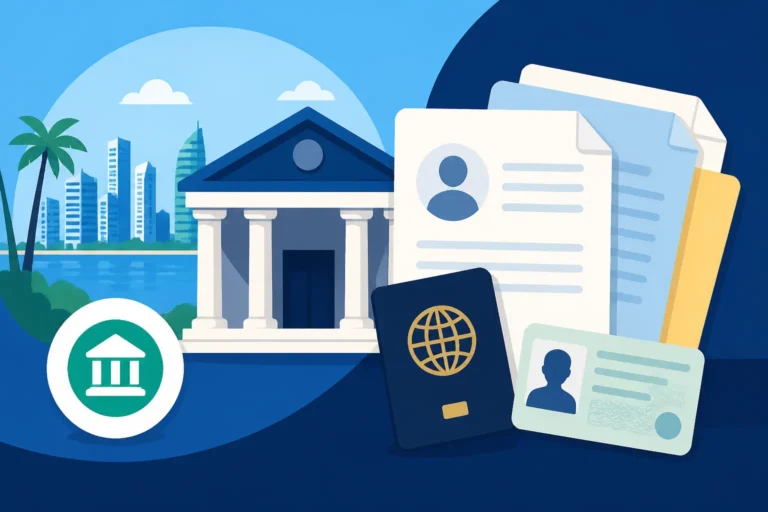
One of the first, and often most frustrating, steps for many newcomers is opening a local bank account. It’s not quite as simple as walking in with your passport. Panamanian banks are stringent about their "Know Your Customer" (KYC) regulations, often requiring a stack of documents that can feel excessive. You’ll typically need your passport, a second form of ID (like a driver's license), proof of address (a utility bill often works), proof of income (employment letter, tax returns, or bank statements from your home country), and sometimes even character references from other account holders or an employer.
Patience is a virtue here, my friends. I remember spending weeks gathering all the necessary papers, only to be told I needed one more obscure document. Don't be discouraged; it's a rite of passage for many expats. Once you have an account, daily financial life becomes infinitely smoother. Without one, you'll constantly deal with foreign transaction fees and limitations. Our detailed guide on How to Open a Bank Account at a Panamanian Bank as a Foreigner provides a step-by-step walkthrough to make this process less painful.
Understanding the Dual Currency System: USD and Balboa
One of the most unique and convenient aspects of Panama’s financial system is its dual currency. Panama uses the U.S. dollar as its legal tender alongside the Panamanian Balboa (PAB), which is pegged at a 1:1 ratio with the USD. This means you don't have to worry about exchange rates when converting between the two, as they are essentially the same currency in terms of value. All paper money circulated is U.S. dollars, but you’ll encounter Panamanian coins (Balboas) for denominations less than a dollar, which are identical in size and value to U.S. coins (e.g., a Panamanian quarter is worth 25 cents USD).
This setup simplifies many things for expats, as you’re already dealing with a familiar currency if you're coming from the U.S. or easily adaptable if not. Prices are always listed in USD, and you pay in USD banknotes. Just don't be surprised when you get Balboa coins in your change – they're perfectly normal and accepted everywhere. Understanding Why Panama Uses the US Dollar is key to appreciating the stability and convenience it brings to daily transactions.
Navigating Everyday Payments: Debit, Credit, and Cash
Once your bank account is sorted, the next step is understanding how people actually pay for things here. It's a blend of modern convenience and traditional methods, and knowing when to use what can save you time and hassle.
Debit Cards: Your Daily Workhorse
Your local Panamanian debit card will quickly become your best friend for everyday spending. Most businesses, from large supermarkets like Riba Smith or El Rey to smaller pharmacies and restaurants, readily accept debit card payments. You’ll find POS (Point of Sale) terminals almost everywhere. Just remember to always carry some form of ID with you, as merchants will often ask to see it when you pay with a card, especially for larger purchases. This is a common security measure to prevent fraud.
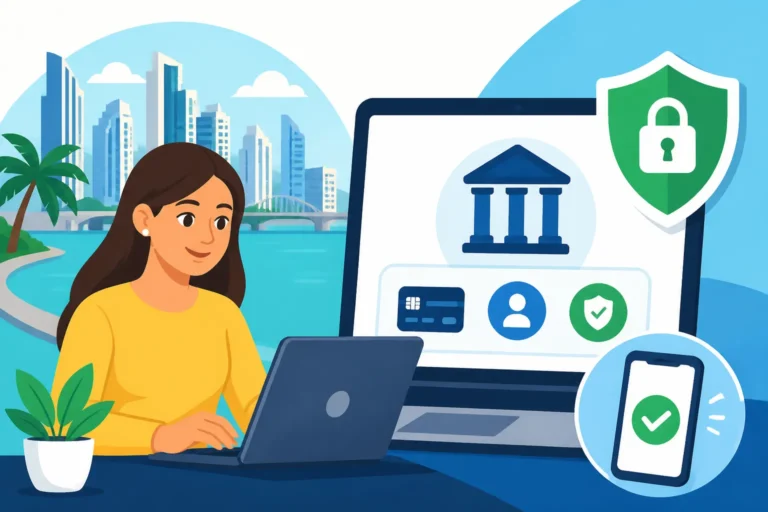
Using your debit card for direct purchases avoids the cash-handling hassle and provides a clear record of your spending, which is incredibly useful for budgeting and tracking expenses. Many banks also offer excellent online banking portals that integrate seamlessly with your debit card activity, making it easy to monitor your balance and transactions from your phone or computer. I highly recommend getting comfortable with online banking early on; it makes everything from bill payments to transfers much easier. You can learn more about How to Set Up Online Banking with a Panamanian Bank for a smooth experience.
Credit Cards: Panamanian vs. International Options
When it comes to credit cards, you have a couple of routes. Many expats arrive with international credit cards, which are generally accepted in larger establishments, hotels, and tourist-focused businesses. However, be mindful of foreign transaction fees, which can add up quickly. If your international card doesn't waive these fees, you'll find your purchases becoming unnecessarily more expensive. Plus, some smaller shops might not accept international cards or prefer local ones due to processing fees.
Obtaining a Panamanian credit card often requires building a credit history here, which can take time. Initially, banks might offer you a secured credit card (where you deposit collateral) or a low-limit card once you've established a relationship with them. While a Panamanian credit card can be beneficial for building local credit and sometimes offers better rewards tailored to the local market, it's not strictly necessary for daily life if you're diligent with your debit card and cash. Always keep an eye on your statements, whether local or international, to detect any suspicious activity promptly.
The Enduring Power of Cash: When and Where to Use It
Despite the rise of digital payments, cash still reigns supreme in many aspects of Panamanian life, especially outside of Panama City's more modern areas. You’ll find that many smaller businesses, street vendors, local fondas (small eateries), and public transport (like taxis and some Metrobus routes if you don't have a card) operate exclusively or predominantly with cash. It’s also crucial for tipping, which is customary in many service industries.
Always carry small denominations (fives, tens, twenties) because many smaller vendors won't have change for a $50 or $100 bill. ATMs are widely available, especially in urban areas and larger towns. However, it's wise to plan ahead if you're heading to more rural or remote locations, as ATMs can be scarce or run out of cash. For example, if you're planning a weekend trip to a beach town outside the city, make sure to withdraw enough cash before you leave. Carrying a mix of payment methods – your debit card for most purchases and a decent amount of cash for smaller transactions or emergencies – is the smartest approach to navigate daily life in Panama.
Embracing Digital and Mobile Payment Solutions
Panama is catching up with global trends in digital payments, offering several convenient options that can simplify your financial life, especially in urban centers. While not as universally adopted as in some highly digitalized nations, these platforms are gaining traction.
A Look at Local Payment Apps and Platforms
While Panama doesn't have a single, dominant mobile payment app like some countries, several local banks offer their own mobile apps that facilitate payments and transfers between their customers. For example, Banco General's Banca Móvil app allows you to send money instantly to other Banco General users, pay bills, and manage your accounts. Similarly, apps from Banistmo or BAC Credomatic offer comparable functionalities. These apps are incredibly useful for transferring money to friends, family, or even some small businesses that prefer direct bank transfers.
Beyond individual bank apps, platforms like Yappy (a feature within Banco General's app and increasingly other banks) have become very popular for instant, fee-free transfers using just a phone number. It’s widely used for splitting bills, paying for services from small entrepreneurs, or even tipping. Think of it as Panama's equivalent of Venmo or Zelle. Another emerging platform is Nequi (from Bancolombia), which functions similarly as a digital wallet and payment app. Getting familiar with these can significantly reduce your reliance on cash and streamline your financial interactions.
Online Shopping and Bill Payments in Panama
Online shopping is definitely a thing here, especially for larger retailers and department stores. Major stores like Félix B. Maduro or Stevens offer online purchasing with home delivery or in-store pickup, and they readily accept local credit and debit cards. International e-commerce giants, of course, also deliver to Panama, though shipping costs and import duties can sometimes be prohibitive.
Where digital payments truly shine is in bill payments. Almost all major utility companies – electricity (Naturgy, ENSA), water (IDAAN), internet (Cable Onda, Tigo), and mobile phone providers – allow you to pay your bills online through their websites or directly via your bank's online portal or mobile app. This is a game-changer for convenience, saving you countless trips to physical payment centers or the post office (which isn't really a thing here for bill payments). I cannot stress enough how much easier this makes managing your household expenses. Our guide on How Do I Pay My Utility Bills in Panama? goes into more detail on this, which is crucial for every expat.
The Rise of QR Codes and Contactless Payments
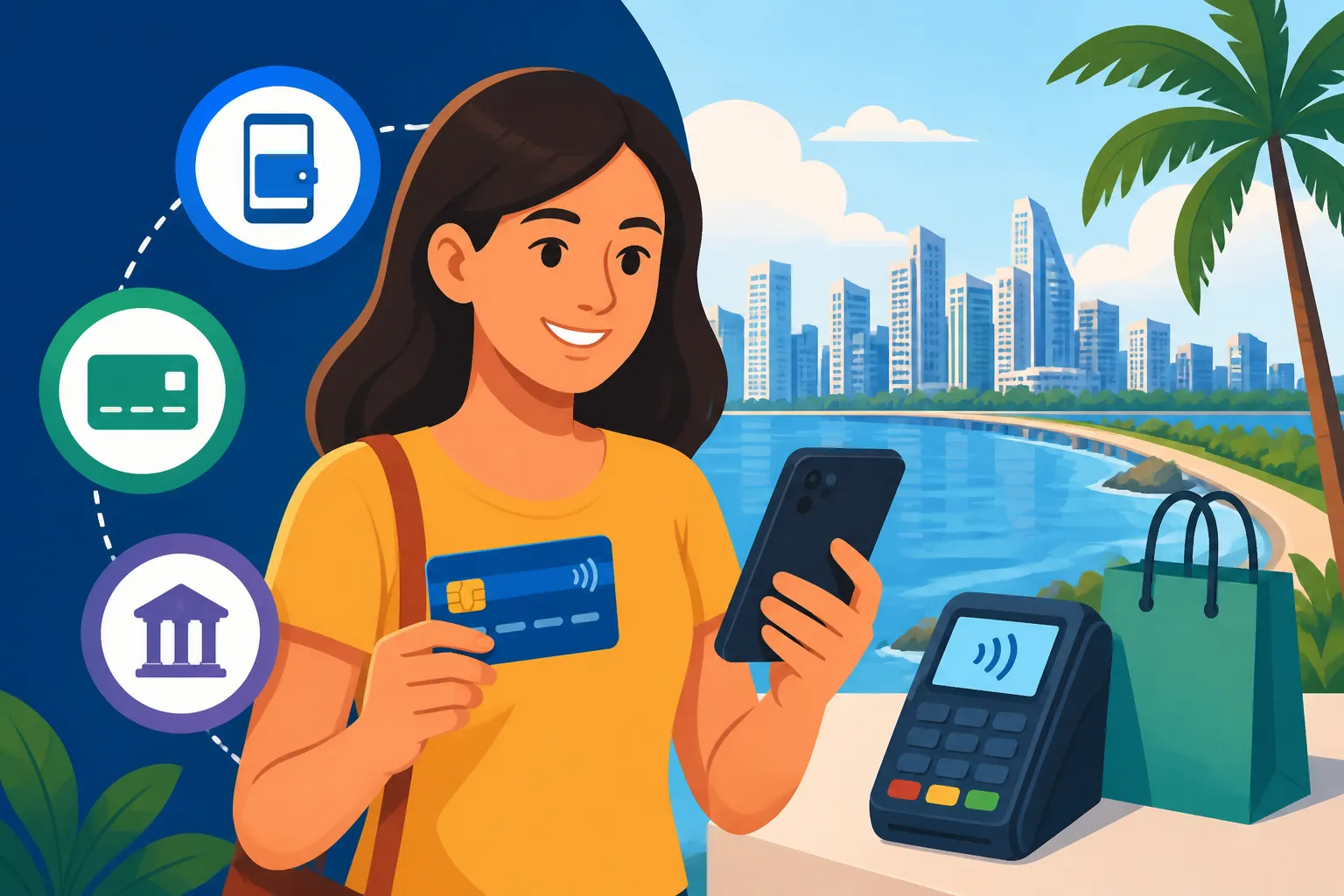
Contactless payment technology, using NFC (Near Field Communication) via cards or mobile wallets like Apple Pay or Google Pay, is slowly but surely making its way into Panama. You’ll find more and more modern POS terminals in large supermarkets, chain restaurants, and bigger stores that support "tap-to-pay" options. It’s not universal yet, but it's becoming more common, especially in Panama City.
QR code payments are also emerging, particularly through bank apps like Yappy. Some small businesses and street vendors are starting to display QR codes for direct payments, offering a cashless alternative without the need for a traditional POS terminal. While these technologies are still developing, keeping an eye on their adoption will benefit you as they become more widespread. It's an exciting time to see Panama's financial tech evolve, making life even more convenient for residents.
Handling International Transfers and Foreign Exchange
Living as an expat means you’ll almost certainly need to move money across borders. Whether it's bringing in your monthly income or sending funds back home, understanding the best methods is crucial for efficiency and cost savings.
Bringing Money In: Remittances and Wire Transfers
For larger sums or regular income, traditional bank wire transfers are a common method for bringing money into Panama. You'll need the swift code and account details of your Panamanian bank. Be aware that wire transfers can incur fees from both the sending and receiving banks, and they might take a few business days to process. The exact cost can vary wildly, so always check with both institutions beforehand.
For those looking for more cost-effective and faster options, specialized money transfer services have become incredibly popular among the expat community. Companies like Wise (formerly TransferWise) offer competitive exchange rates and lower fees than traditional banks, often delivering funds within hours or a day. Wise is widely used for managing international finances and can reduce currency conversion fees compared with many traditional banks. Other options include Xoom, Remitly, or WorldRemit. These services are particularly good for regular remittances or transferring a portion of your income from an overseas employer. Our guide, How to Transfer Money Into and Out of Panama as an Expat, delves deeper into these methods.
Sending Money Out: Options for Expats
Just as important as bringing money in is the ability to send money out, whether to family, for investments back home, or for ongoing expenses. Your Panamanian bank can facilitate international wire transfers, but again, be prepared for fees and potentially less favorable exchange rates compared to dedicated services.
This is another area where platforms like Wise truly shine. They allow you to send money from your Panamanian bank account to accounts in other currencies, usually with transparent fees and better rates. You simply link your Panamanian account, specify the recipient's details, and initiate the transfer. The funds are then converted at the mid-market rate (or very close to it) and deposited into the recipient's bank account. This ease of use and cost-effectiveness makes them indispensable for expats managing cross-border finances. When looking at your overall financial picture, don't forget to consider how international income might affect your tax situation; resources like Taxes for Expats can provide invaluable guidance on navigating those complexities.
Currency Exchange Realities for Foreigners
Since Panama uses the U.S. dollar, direct currency exchange within Panama is primarily for converting other foreign currencies into USD. You won't be exchanging Balboas for USD, as they are interchangeable. While banks do offer currency exchange services for other major currencies, you'll generally find better rates and lower fees by exchanging money before you arrive in Panama, or by using an ATM with your home debit card (checking its international transaction fees first) to withdraw USD directly.
If you absolutely need to exchange a non-USD currency in Panama, seek out reputable banks or dedicated exchange houses. Avoid unofficial changers, as you might get unfavorable rates or even counterfeit money. For travelers passing through Tocumen International Airport, there are exchange services available, but their rates are typically less competitive. Plan your currency needs carefully to avoid unnecessary costs.
Practical Tips for Managing Your Money in Panama
Beyond the mechanics of payment systems, adopting some smart financial habits will greatly enhance your expat experience in Panama. It’s about being proactive and informed.
Budgeting and Cost of Living Considerations
Panama’s cost of living can vary significantly depending on where you choose to reside. Panama City, particularly upscale neighborhoods like Costa del Este or Paitilla, can be quite expensive, rivaling costs in some major U.S. cities. Meanwhile, areas like Chiriquí (David, Boquete) or the Azuero Peninsula offer a more affordable lifestyle. Creating a realistic budget is paramount to financial stability. Factor in not just rent and utilities, but also groceries, transportation, dining out, entertainment, and unexpected expenses.
Keep a close eye on your spending during your first few months to get a clear picture of your actual costs. You might find that while some things are cheaper (like certain local produce or public transport), others (imported goods, electricity if you run AC constantly) can be surprisingly expensive. Our guide on The Complete Guide to Cost of Living in Panama for Expats (2026) is an excellent resource for breaking down these expenses. Remember, Panama operates on a cash-heavy economy in many sectors, so track your cash outflows just as meticulously as your card transactions.
| Payment Method | Acceptance (General) | Convenience | Security | Cost Implications | Notes |
|---|---|---|---|---|---|
| Cash (USD/PAB) | High (especially small vendors, rural areas, taxis) | Medium (need to carry, get change) | Low (prone to theft if lost) | None (direct payment) | Essential for daily small purchases, tipping. Always carry small bills. |
| Local Debit Card | High (supermarkets, restaurants, modern shops) | High (tap-to-pay growing) | Medium (requires ID for large purchases) | None (direct from account) | Your main tool for cashless spending. Monitor transactions via online banking. |
| Local Credit Card | Medium (growing, often for established residents) | High (convenient for purchases) | Medium (security features) | Interest, annual fees possible | Useful for building local credit, some rewards. May require history or collateral. |
| International Credit Card | Medium (larger stores, hotels, tourist areas) | High (familiarity) | Medium (security features) | Foreign transaction fees often apply | Good for initial days, but costs can add up. |
| Bank Mobile Apps (e.g., Yappy) | High (among local bank users, small businesses) | High (instant, phone-based) | High (PIN/biometric security) | Often free for transfers | Excellent for peer-to-peer payments, splitting bills, quick transfers. |
| Online Banking Bill Pay | High (for utilities, major services) | Very High (pay from home) | High (secure portals) | None (direct debit) | Essential for managing recurring expenses like electricity, water, internet. |
| International Transfer Services (e.g., Wise) | N/A (for sending/receiving funds) | High (online, usually fast) | High (encrypted transactions) | Low fees, competitive exchange rates | Best for moving money into or out of Panama. Far cheaper than bank wires. |
Security Best Practices for Your Finances
Living in any new country means being extra vigilant about your financial security, and Panama is no exception. Always be discreet when handling cash in public. Use ATMs located inside banks or busy, well-lit areas, and be aware of your surroundings. It's a good practice to use different ATMs from different banks, or those inside major stores if possible, rather than always sticking to the same one in a quiet street.
When using debit or credit cards, watch the POS terminal carefully to ensure your card isn't swiped multiple times or taken out of your sight. Regularly check your bank statements for any unauthorized transactions. If you lose your wallet or suspect your card details have been compromised, contact your bank immediately to block your cards. Many Panamanian banks have 24/7 hotlines for this purpose. Just like anywhere else, being cautious and proactive is your best defense against fraud.
Building a Local Financial Footprint
Beyond just opening a bank account, actively engaging with the local financial system can make your life smoother in the long run. This includes things like registering for a RUC (Registro Único de Contribuyente) if you're working or running a business here. An RUC is your tax identification number and is necessary for various financial activities, including filing taxes and setting up certain business accounts. Even if you're not self-employed, Understanding Income Tax in Panama (2027) is vital.
Having a local financial history can also help you secure local credit cards, loans, or even mortgages down the line if you plan to stay long-term. This means consistently using your local bank account, paying bills on time, and showing responsible financial behavior. It’s a process, but a worthwhile one for integrating fully into life in Panama.
Common Pitfalls and How to Avoid Them
Even with the best intentions, expats can stumble over common financial hurdles. Being forewarned is being forearmed.
Unexpected Fees and Charges
One of the most common frustrations expats face is unexpected fees. These can come from various sources:
- ATM Fees: While some bank-branded ATMs might be free for their own customers, using an ATM from a different bank, or even some independent ATMs, can incur a small fee (often $1-$5 per transaction). Be mindful, especially if you're making frequent small withdrawals.
- Foreign Transaction Fees: As mentioned, international credit or debit cards will almost certainly charge you a percentage on top of the transaction amount for purchases made in Panama. Check with your home bank before you travel to understand their fee structure.
- Bank Account Maintenance Fees: Some Panamanian bank accounts come with monthly maintenance fees, especially if you don't maintain a certain minimum balance. Inquire about these when opening your account and compare options.
- International Wire Transfer Fees: Banks in Panama and your home country will charge fees for sending or receiving international wires. Always compare these against services like Wise, which are typically much cheaper and more transparent.
To avoid these, always ask about fees upfront, read the fine print, and utilize online banking and money transfer services that offer clear fee structures.
Security Risks and Fraud Prevention
While Panama is generally safe, financial fraud exists, just like everywhere else.
- Skimming: Be cautious at ATMs and POS terminals. Wiggle the card reader before inserting your card to check for loose parts. Cover the keypad when entering your PIN.
- Phishing/Smishing: Be wary of unsolicited emails or text messages claiming to be from your bank, asking for personal information or account details. Banks will rarely ask for sensitive information via these channels. Always go directly to your bank's official website or app if you have concerns.
- Identity Theft: Be careful about sharing personal documents or your Cedula (if you have one) unless absolutely necessary. Keep copies of important documents secure, separate from the originals.
Trust your gut. If something feels off, it probably is. A moment of caution can save you a lot of trouble later.
Dealing with Lost or Stolen Cards
This is every expat’s nightmare, but knowing what to do beforehand can minimize the damage.
- Immediate Action: As soon as you realize your card is lost or stolen, call your bank immediately to report it and have the card blocked. Most banks have dedicated international hotlines for this, available 24/7. Keep these numbers stored in your phone (or written down somewhere secure, separate from your wallet).
- Police Report: If your wallet or cards were stolen, file a police report (denuncia) at the nearest police station. While it might not always lead to recovery, it's often required by your bank or insurance company for fraud claims.
- Emergency Funds: Always have a backup plan. Keep a separate emergency fund in a different location, or a second debit/credit card from a different bank or financial institution. This ensures you're not left stranded without access to cash while awaiting a replacement card.
Having experienced losing a wallet abroad myself, I can tell you that a little preparation goes a long, long way. Make sure your important documents are backed up digitally and that you know how to contact your banks and credit card companies promptly.
Disclaimer
Please note that while this guide provides comprehensive information based on current practices, financial regulations and services in Panama can change. We recommend consulting with local financial advisors or your chosen bank for the most up-to-date and personalized advice regarding your specific circumstances.