Understanding Car Insurance and Registration in Panama
Ah, manejar in Panama! It's one of those experiences that truly separates the seasoned expats from the wide-eyed newcomers. Beyond getting your driver's license sorted, understanding car insurance and vehicle registration here can feel like navigating a maze blindfolded, riddled with administrative quirks and surprising requirements. But don't you worry, my friend. This guide is going to peel back all those layers, giving you the real lowdown on getting your car legally insured and registered in Panama, saving you headaches and potential fines.
The Mandatory Foundations: SOAT and Basic Registration
When you first get behind the wheel in Panama, or even just consider buying a car, there are two non-negotiable legal requirements you absolutely need to grasp: the SOAT (Seguro Obligatorio de Accidentes de Tránsito) and the initial vehicle registration. Skipping either of these is a recipe for trouble, ranging from hefty fines to having your vehicle impounded – believe me, you don't want that kind of dolor de cabeza.
What is SOAT and Why It's Non-Negotiable
Let's talk about SOAT. This isn't just another insurance policy; it's the Mandatory Traffic Accident Insurance that every single vehicle operating on Panamanian roads must have. Think of it as the bare minimum safety net, primarily designed to cover third-party bodily injury and death resulting from a traffic accident. If you're involved in an accident and someone gets hurt, SOAT is there to ensure their basic medical expenses are covered, regardless of who was at fault. It's a fundamental social protection mechanism in Panama.
What does this mean for you? It means you literally cannot renew your vehicle registration or get your annual placa (license plate sticker) without a valid SOAT policy. The policy itself is relatively inexpensive compared to full comprehensive insurance, but its importance cannot be overstated. It's the law, and traffic police are well within their rights to stop you and demand proof of it. If you're caught without it, prepare for a fine, and quite possibly, your vehicle being taken to the dreaded corral (vehicle impound lot). This mandatory coverage is generally easy to obtain; you can get it from various local insurance companies, and sometimes even at the Municipio (municipal office) or ATTT (Autoridad del Tránsito y Transporte Terrestre) offices when you're going through the registration process. However, it’s crucial to understand that while it covers initial medical costs for injuries, it offers absolutely zero protection for damage to your own vehicle or the other party's vehicle. It's a humanitarian safety net, not comprehensive coverage.
Initial Vehicle Registration Process for Expats
So, you've bought a car, perhaps a new one from a dealership or a trusty used one through a private seller. Now comes the exciting (and sometimes patience-testing) part: getting it officially registered in your name. This process initiates your vehicle's legal life in Panama. For a newly purchased vehicle, whether new or used, you'll need a collection of documents. This typically includes your valid Panamanian ID (cedula) or passport, the original sales contract (contrato de compraventa) which proves ownership, and for imported vehicles, the customs clearance documents and title from its country of origin. If you're buying a used car already in Panama, you'll also need the previous owner's Paz y Salvo (a document certifying they have no outstanding traffic fines or property tax on the vehicle), and proof of the existing SOAT policy.
You'll take these documents to your local Municipio or the ATTT office. This is where your car gets its unique identity: the placa (license plate) and the initial revisado (vehicle inspection sticker). The revisado is a yearly safety inspection, but for initial registration, it confirms the vehicle meets basic operational standards. Once all documents are reviewed and approved, you'll pay the registration fees, and they'll issue your placa and revisado sticker. Make sure to keep all original documents, especially the Registro Único Vehicular (vehicle registration certificate), in a safe place, but always carry copies in your car. Getting your car registered is one of those fundamental first steps, much like getting your Panamanian Driver's Licence or understanding How to Buy a Car as a Foreigner in Panama.
Beyond the Basics: Understanding Comprehensive Car Insurance Options
While SOAT is legally mandated, anyone who has driven in Panama for more than a week will tell you that it's simply not enough. The reality of driving here, with its unique blend of aggressive drivers, unexpected potholes, and the sheer volume of traffic in urban centers like Panama City, makes going without comprehensive insurance a genuine gamble. Protecting your investment and your financial well-being demands more than just the bare minimum.
Why Additional Coverage is Crucial for Expats
The limitations of SOAT become painfully clear when you consider any scenario beyond basic bodily injury to a third party. What if someone totals your shiny new SUV? What if your car is stolen from a parking lot? What if you accidentally ding someone's luxury sedan? SOAT won't cover any of these eventualities. For expats, who are often still finding their footing and might not have a huge emergency fund readily available for unexpected car repairs or replacements, private comprehensive insurance isn't just a good idea – it's an absolute necessity.
Think of it as peace of mind. Without it, every fender bender, every minor scrape, every incident of a rogue branch falling on your car during a tropical storm, becomes a direct hit to your wallet. The cost of living in Panama can be surprisingly high in some areas, and unexpected car repairs can quickly spiral out of control. Comprehensive coverage protects your vehicle, covers property damage to others, and can even provide additional medical benefits beyond SOAT's basic offerings. It's about hedging against the unpredictable nature of driving in a bustling, often chaotic, environment.
Types of Private Car Insurance Policies in Panama
Panamanian insurance companies offer a robust range of private car insurance policies designed to go far beyond the SOAT. When you're shopping around, you'll generally find these main types of coverage:
- Collision Coverage: This covers damage to your vehicle resulting from a collision with another vehicle or object, regardless of who is at fault. This is invaluable when navigating busy streets and parking lots.
- Comprehensive Coverage: This is your all-rounder, protecting against non-collision incidents. Think theft, vandalism, fire, natural disasters (a big one during Panama's rainy season with falling trees and flash floods), and even animal impacts. This is often bundled with collision to form a "full coverage" policy.
- Third-Party Property Damage (Responsabilidad Civil para Daños a Terceros): While SOAT covers third-party bodily injury, this coverage is essential to pay for damages to another person's vehicle or property if you are deemed at fault in an accident. Without it, you could be facing significant out-of-pocket expenses.
- Personal Accident Coverage (Gastos Médicos a Ocupantes): This provides medical expense coverage for you and your passengers in case of an accident, often supplementing or exceeding the basic amounts covered by SOAT.
- Additional Benefits: Many policies include perks like roadside assistance (towing, flat tire changes, fuel delivery), legal assistance (crucial in accident disputes), and even rental car reimbursement while your vehicle is being repaired.
Reputable local providers include Mapfre, Assa Compañía de Seguros, Generali, and Internacional de Seguros. Many of these have English-speaking agents, which can be a huge relief when discussing complex policy details. Taking the time to compare quotes and understand the nuances of each policy is a step you definitely shouldn't skip.
Factors Influencing Your Insurance Premiums
Just like anywhere else in the world, several factors will dictate how much you'll pay for private car insurance in Panama. Understanding these can help you shop smarter and potentially save some balboas.
Firstly, the make, model, and year of your vehicle are significant. A brand-new luxury SUV will naturally cost more to insure than an older, more common sedan, simply because repairs are more expensive and parts might need to be imported. Sports cars or high-performance vehicles also tend to have higher premiums. Secondly, your driving history plays a role. While Panamanian insurance companies might not have access to your international driving record, a clean record here will certainly help. Conversely, traffic infractions or previous accidents in Panama will drive up your costs.
Thirdly, the coverage limits and deductibles you choose make a big difference. Higher coverage limits offer more protection but come with a higher premium. Conversely, opting for a higher deductible (the amount you pay out-of-pocket before your insurance kicks in) can lower your monthly or annual payments, but means a larger initial expense if you need to make a claim. Your primary driving location can also influence costs; insurance might be slightly higher if you primarily drive and park in densely populated areas like downtown Panama City, where theft and collision rates might be higher compared to a quieter town in Chiriquí. Finally, the age and experience of the principal driver can be a factor, with younger, less experienced drivers typically facing higher rates.
| Feature | SOAT (Mandatory) | Comprehensive Private Insurance (Recommended) |
|---|---|---|
| Purpose | Basic third-party bodily injury/death coverage | Covers your vehicle, third-party property, injuries, and additional risks |
| Coverage | Limited medical expenses for third-party injuries | Collision, comprehensive (theft, fire, natural disaster), third-party property, personal accident, roadside assistance, legal aid |
| Vehicle Damage | No coverage for any vehicle damage | Yes, covers damage to your vehicle and third-party property (if at fault) |
| Theft | No | Yes |
| Cost | Relatively low annual fee | Varies greatly based on vehicle, driver, and coverage choices; significantly higher than SOAT |
| Mandatory | Yes | No, but highly recommended |
| Peace of Mind | Minimal | Extensive |
The Annual Rite: Renewing Your Car Registration and Revisado
Every year, like clockwork, you'll encounter the Panamanian vehicle renewal process. It's a two-pronged approach that involves both a technical inspection of your vehicle and the renewal of your license plate, complete with new stickers. This annual ritual is something you simply cannot ignore, as the penalties for expired documents are swift and severe.
Understanding the Annual Revisado (Vehicle Inspection)
The revisado is Panama's annual vehicle inspection, designed to ensure that all cars on the road meet basic safety and environmental standards. It's not just a formality; they actually check things. When your revisado is due (the month is usually indicated by the last digit of your license plate), you'll need to take your car to an authorized inspection center. These centers, often called centros de inspección vehicular, are scattered throughout the country. You'll typically find them in major cities and towns.
During the inspection, technicians will scrutinize various aspects of your vehicle: the braking system, headlights and tail lights (including turn signals), tire condition (tread depth and pressure), windshield wipers, exhaust system for emissions, and general structural integrity. They'll also check your vehicle's VIN (Vehicle Identification Number) to ensure it matches your paperwork. If your car passes, you'll receive a sticker to place on your windshield, signifying its roadworthiness for the coming year. If it fails, don't fret too much, but you will be given a list of necessary repairs. You'll then have a set period (usually 30 days) to make those repairs and bring the vehicle back for a re-inspection, often without an additional fee for the second check. Keep in mind that securing this inspection is a prerequisite for getting your annual license plate sticker.
Step-by-Step Guide to Annual License Plate Renewal
Once your vehicle has passed its revisado, you're ready to tackle the annual license plate renewal. This is where many expats encounter a peculiar Panamanian administrative hurdle: the Paz y Salvo. This document literally translates to "Peace and Safety," but in this context, it means you have no outstanding traffic fines, nor any property tax arrears on your vehicle. You cannot get your new placa sticker without it. Checking for fines and getting your Paz y Salvo can sometimes be done online through the ATTT or DGI (Dirección General de Ingresos) websites, or you might have to visit their offices directly. It's always best to check this well in advance, as discovering a surprise fine at the last minute can throw a wrench into your plans.
Next, you'll need proof of your valid SOAT policy. As mentioned earlier, this is mandatory. If you have private comprehensive insurance, it's also a good idea to have that paperwork handy, although SOAT is the legally required minimum for registration. You will then pay the annual circulation tax (impuesto de circulación), which is usually a fixed fee that varies slightly depending on the type of vehicle. Payment can often be made at the Municipio offices, via specific banks, or increasingly, through online platforms.
Finally, armed with your passed revisado certificate, Paz y Salvo, and proof of SOAT payment, you can head to your Municipio office. There, they will issue your new placa sticker. The sticker itself is small and is affixed over the old one on your physical license plate, typically indicating the year it's valid for. The renewal month is determined by the last digit of your license plate, so pay close attention to this schedule to avoid late fees and penalties. For example, if your plate ends in 1, it's usually due in January. For a comprehensive overview of general driving rules, you might want to review Driving in Panama: Licences, Registration and Rules for Expats (2027).
Navigating Common Expat Challenges and Solutions
Let's be real: bureaucracy in any new country can be a beast, and Panama is no exception. While the process for car insurance and registration is relatively straightforward on paper, the practicalities for expats can present some unique challenges. From language barriers to navigating accident scenes, it pays to be prepared.
Language Barriers and Bureaucracy
One of the most immediate hurdles many expats face when dealing with official processes like car registration or insurance claims is the language barrier. While many people in customer service roles or at international insurance companies might speak English, the reality at a local Municipio or ATTT office can be very different. Most forms, official signs, and direct interactions will be in Spanish. It's not uncommon to feel like you're playing a game of charades, trying to understand what document you're missing or why your form was rejected.
My advice? Embrace paciencia (patience), because you'll need it in spades. Don't go alone if your Spanish isn't up to par. Bringing a Panamanian friend, a trusted local assistant, or a professional translator can make a world of difference. They can help you understand instructions, fill out forms correctly, and advocate for you if something goes awry. This is often where a good local lawyer or facilitator, especially one who specializes in expat services, can be invaluable for the initial setup. They know the ins and outs of the ATTT and Municipio processes, the unspoken rules, and who to talk to. While it's an added cost, the time and stress it saves can be well worth it, especially when you're first getting settled in. Remember, these processes often involve multiple visits and unexpected requirements, so a calm demeanor and a reliable local contact are your best assets.
Dealing with Accidents and Insurance Claims
Unfortunately, accidents happen, and knowing what to do in the immediate aftermath can significantly impact your insurance claim and legal standing. Firstly, safety is paramount. Move your vehicle to a safe location if possible, and check for injuries. If there are serious injuries, call 911 immediately for emergency medical services. For any accident involving another vehicle or significant damage, you must call the Tránsito (traffic police) at 104. They will come to the scene, take statements, and create an official report, which is absolutely vital for your insurance claim.
While waiting for the police, document everything. Take photos and videos of the accident scene from multiple angles, including vehicle damage, road conditions, and any relevant traffic signs. Exchange information with the other party: names, contact numbers, vehicle make/model/license plate, and insurance details. Do not admit fault at the scene. Simply state the facts to the police. As soon as you can, contact your insurance company. They will guide you through the claims process, assign an adjuster, and potentially arrange for legal assistance. Be prepared for a fair amount of paperwork and follow-up. This can be one of the most stressful parts of living abroad, but having good private insurance and knowing the basic steps can alleviate a lot of that pressure. For other emergencies, it’s good to know Understanding Emergency Numbers (911) and Ambulance Care in Panama.
Special Considerations for Imported Vehicles
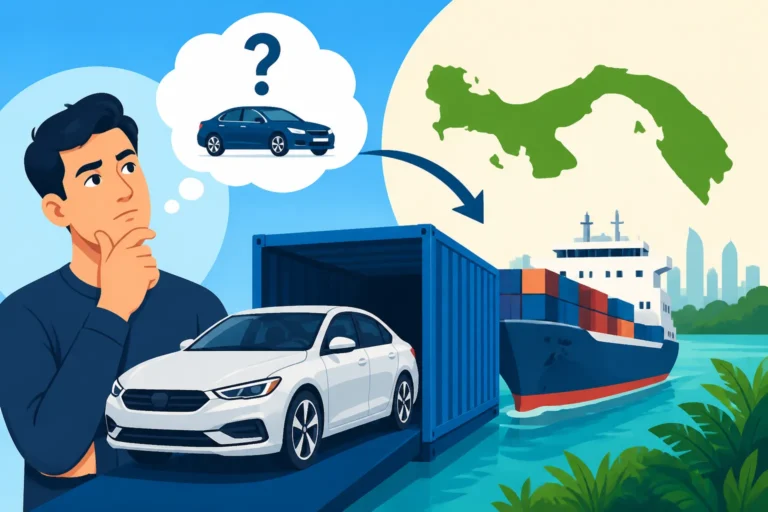
For some expats, the idea of bringing their beloved car from back home to Panama is appealing. However, this path is often fraught with more complexity than simply buying a car already in the country. The first hurdle is customs duties and taxes. These can be substantial, often calculated based on the vehicle's value, age, and engine size. You'll need to work with a customs broker to navigate this, and the costs can sometimes make importing an older vehicle financially unviable.
Beyond taxes, there are homologation requirements. This means your vehicle might need to meet specific Panamanian technical and environmental standards, which could involve modifications or certifications. For instance, certain safety features or emission standards might differ. The title transfer process for a foreign vehicle can also be more complex, requiring your original foreign title to be properly authenticated and translated. Generally, unless your vehicle is a very specific classic or high-value model you simply can't part with, it's often far easier and more cost-effective to purchase a vehicle that is already in Panama. This avoids the import duties, the homologation headaches, and the complicated title transfers, allowing you to focus on the standard registration and insurance process. If you used a service like Sirelo for your initial move, they might offer guidance on vehicle transport, but they'd likely also advise on the local complexities.
Essential Tips and Resources for Hassle-Free Driving in Panama
Navigating car insurance and registration in Panama doesn't have to be a constant struggle. With the right information, a proactive approach, and a few handy resources, you can minimize the stress and keep your wheels rolling smoothly.
Recommended Insurance Providers and Services
When it comes to choosing a private car insurance provider in Panama, you have several solid options. As I mentioned, companies like Mapfre, Assa Compañía de Seguros, Generali, and Internacional de Seguros are well-established and generally offer good service. Many expats have positive experiences with these larger companies, particularly because they often have dedicated departments or agents who are fluent in English, which can be a lifesaver when discussing the intricacies of your policy or making a claim. It's wise to get quotes from at least two or three different providers to compare coverage, deductibles, and premiums. Don't just go for the cheapest; make sure you understand exactly what is and isn't covered. Reading reviews on expat forums and asking for recommendations from other expats can also provide valuable insights into customer service experiences. Knowing How Much Does Private Health Insurance Cost in Panama in 2026? might give you a rough idea of how insurance pricing works here, though car insurance is a different beast.
Beyond the major players, some insurance brokers specialize in expat services, acting as intermediaries between you and various insurance companies. They can often help you find a tailored policy and assist with the paperwork, providing an extra layer of support for those who prefer to have a local expert on their side.
Leveraging Digital Tools and Community Support
In today's connected world, there are more resources than ever to help you navigate Panamanian bureaucracy. The ATTT website and the DGI website (for taxes and Paz y Salvo checks) are excellent places to start. While not always perfectly user-friendly, they increasingly offer online services for checking traffic fines, paying fees, and tracking the status of certain documents. Getting comfortable with these digital platforms can save you many trips to the office.
Beyond official channels, expat forums and Facebook groups are goldmines of real-time advice and shared experiences. Search for groups like "Expats in Panama City" or "Chiriquí Expats" if you're in that region. Members often share tips, recommended mechanics, English-speaking lawyers, and even warn each other about common traffic pitfalls or changes in regulations. When you’re out and about, especially driving, having a reliable internet connection on your phone is non-negotiable. This is where services like Airalo can be incredibly useful, providing eSIMs for local data plans. Whether you're using Waze to navigate Panama City's notorious traffic, looking up a repair shop, or making an emergency call, reliable data keeps you connected. This connectivity also helps you use apps for navigation (Waze is a local favorite) or quickly access emergency contacts.
Keeping Up-to-Date with Regulations
Panamanian laws, especially traffic and administrative regulations, can and do change. What was true last year might have a slight tweak this year, and you don't want to be caught off guard. Make it a habit to periodically check the official websites of the ATTT and the DGI for any announcements or updates. Subscribing to newsletters from reputable expat legal or relocation services can also help keep you informed.
Crucially, maintaining a relationship with a trusted local advisor – be it a lawyer, an insurance agent, or a Panamanian friend deeply familiar with the system – is invaluable. They can often provide insights into upcoming changes, interpret official notices, and clarify any ambiguities. Remember, the goal is to drive safely, legally, and with minimal stress, and staying informed is a big part of achieving that. For other aspects of getting settled, explore resources like The Complete Guide to Moving to Panama: Your First 90 Days (2027) and The Expat Guide to Setting Up Utilities (Electricity, Water, Internet) in Panama.
Disclaimer
Please remember that this guide provides general information based on current regulations and common expat experiences in Panama. Laws and procedures, particularly those related to vehicle registration and insurance, can change. It is always recommended to consult with a qualified Panamanian legal professional or insurance expert for personalized advice tailored to your specific situation. This information should not be considered as legal or professional advice.