Are International Schools Expensive in Panama?
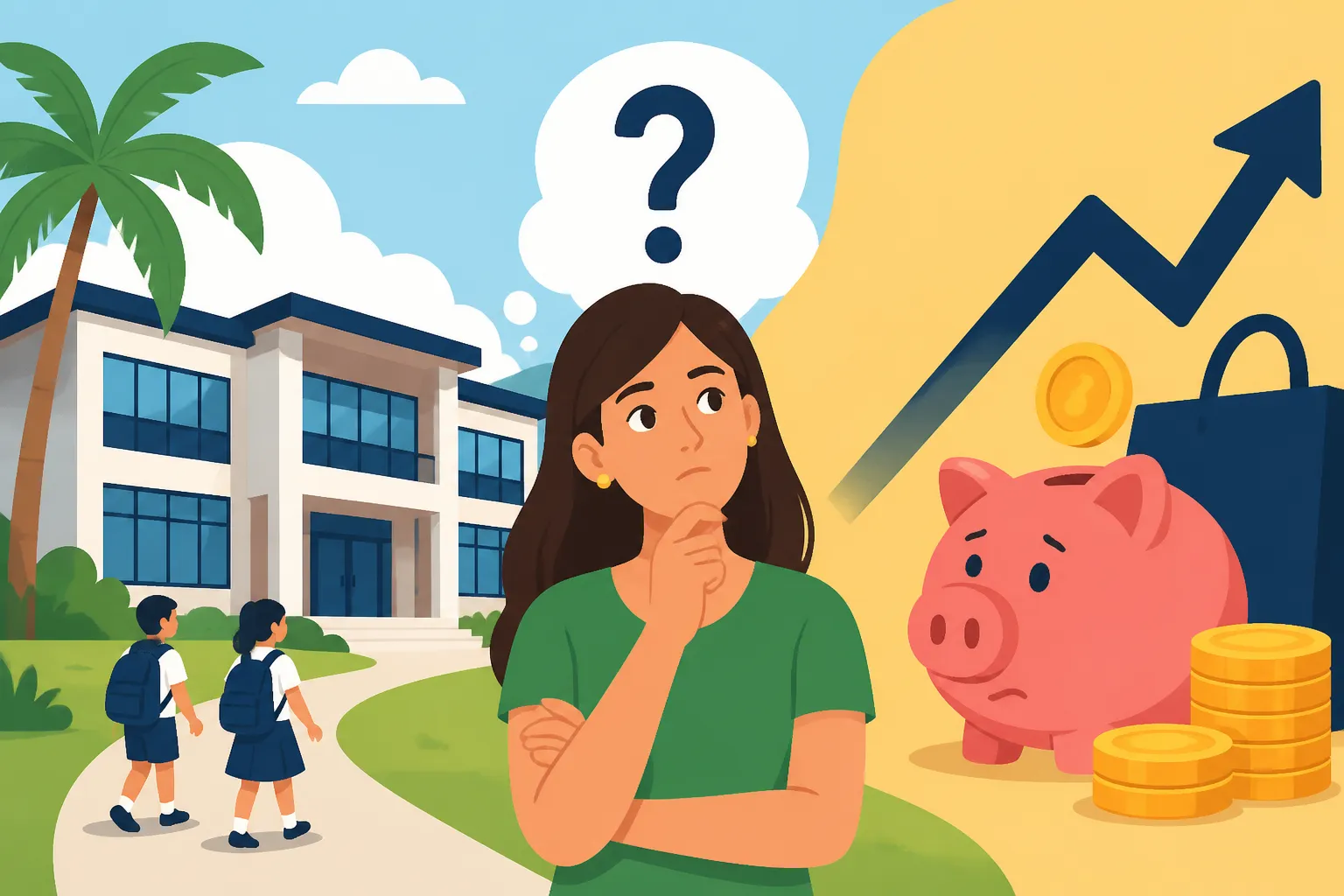
Moving to a new country like Panama is incredibly exciting, but let's be honest, the moment you start looking into schooling for your kids, a whole new level of anxiety can creep in. You scour websites, you see those dollar signs, and you wonder: "Are international schools in Panama really that expensive? And can we even afford this on top of everything else?" Believe me, I've been there, staring at tuition figures that made my eyes water. This guide is here to cut through the confusion, break down the actual costs, and help you navigate the world of international education in Panama, so you can make an informed decision without feeling completely overwhelmed.
The Reality of International School Costs in Panama
Let's address the elephant in the room right away: yes, international schools in Panama can be quite expensive, especially when compared to local private or public schooling options. But "expensive" is a subjective term, isn't it? What feels pricey here might be on par, or even less, than what you'd pay in a major North American or European city. The key is understanding what you're paying for and what factors drive these costs.
International schools aren't just about a classroom and a teacher; they're often comprehensive institutions offering globally recognized curricula like the International Baccalaureate (IB), American, or British systems. This means they adhere to high academic standards, often recruit highly qualified international teachers (who naturally command higher salaries), and boast impressive facilities. Think modern science labs, well-equipped sports fields, arts studios, and libraries brimming with English-language resources. They also typically maintain smaller class sizes, providing a more personalized learning environment. These features are a significant draw for expat families, offering a familiar educational framework and a smooth transition for children, which is invaluable when you're already dealing with the upheaval of a big move. Furthermore, many international schools also invest heavily in professional development for their staff, ensuring they stay at the forefront of global educational best practices. This commitment to continuous improvement, while beneficial for students, adds to the overall operational expenses that are reflected in tuition fees.
Unpacking the Various Fee Structures
When you look at an international school's fee schedule, it's rarely just one number. You'll encounter a medley of charges that can be quite daunting if you're not prepared. It’s not just the annual tuition; there are often several other significant costs.
Firstly, there's typically an application fee (a non-refundable charge just to process your child's application, usually a few hundred dollars). Then comes the big one: the enrollment fee or registration fee, which secures your child's spot and can often be equivalent to a month or two of tuition. For new families, many schools also charge a capital levy or building fund fee. This is a one-time, non-refundable payment that goes towards the school's infrastructure development and maintenance. This particular fee can be a real sticker shock, ranging from a few thousand to over $20,000 USD at some of the more prestigious institutions. It's important to factor this substantial initial outlay into your relocation budget.
Beyond these initial costs, you'll have annual tuition, which often varies significantly by grade level – generally increasing as your child moves from elementary to middle and high school. On top of tuition, expect to pay for uniforms (some schools have specific vendors), books and materials, technology fees (for laptops, software, etc.), extracurricular activities (sports, clubs, music lessons), transportation (if the school offers it and you choose to use it), and lunch programs. It truly adds up, and it's essential to get a full breakdown of all potential costs before committing, so you can clearly see what the overall financial commitment will be for your family. This can drastically affect your overall budget for living in Panama, so being thorough is key.
A Closer Look at Specific Schools and Their Fee Structures
Panama City is home to several well-regarded international schools, each with its own curriculum, culture, and, of course, fee structure. While I can't give you exact figures for 2026 (schools adjust them annually), I can give you a realistic idea based on current trends and general ranges. It's always best to check their official websites for the most up-to-date information.
Let's talk about some of the big names that many expat families consider. The International School of Panama (ISP), for instance, is one of the oldest and most established, offering an American-based curriculum and the IB Diploma Programme. Their tuition can range from approximately $13,000 to over $26,000 annually, depending on the grade level, with initial capital fees potentially running into the tens of thousands. Then there's Balboa Academy, another popular choice with an American curriculum, often praised for its strong community feel. Their annual tuition typically falls in the range of $10,000 to $20,000, again with various additional fees. The Metropolitan School of Panama (MET) offers the full IB continuum (Primary Years, Middle Years, and Diploma Programmes) and is known for its modern facilities. Their fees are generally competitive with ISP, often starting around $15,000 for younger grades and climbing to over $27,000 for high school, plus substantial one-time fees.
Keep in mind that these figures don't include extras like specialized learning support, private music lessons, or extensive sports travel, all of which come with their own price tags. When you're budgeting, think about all these moving parts. It’s not just the sticker price on the tuition sheet; it's the entire ecosystem of costs associated with providing an international education. This is where meticulous planning becomes paramount, and honestly, a lot of expats find themselves juggling these figures alongside other relocation costs. Speaking of which, if you're still planning your move, services like Sirelo can help you manage your moving logistics, leaving you with more bandwidth to focus on these crucial decisions like schooling.
Here's a simplified table to give you a general idea of the potential costs, keeping in mind these are approximate ranges and can change:
| Fee Type | Approximate Annual Range (USD) | Notes |
|---|---|---|
| Application Fee | $200 – $500 | Non-refundable, one-time per application |
| Enrollment/Registration | $1,000 – $4,000 | One-time fee for new students, may be annual for returning students |
| Capital Levy/Building Fund | $5,000 – $25,000+ | One-time, non-refundable for new families (varies widely by school) |
| Annual Tuition (Pre-K) | $8,000 – $15,000 | Lower for younger grades |
| Annual Tuition (Elementary) | $10,000 – $20,000 | Mid-range |
| Annual Tuition (Secondary) | $15,000 – $27,000+ | Higher for older grades, especially IB Diploma years |
| Books & Materials | $300 – $800 | Can be included in tuition at some schools, or separate |
| Technology Fee | $200 – $600 | For devices, software licenses, IT support |
| Uniforms | $300 – $800+ | Initial purchase, then replacement as needed |
| Transportation | $1,000 – $2,500 | Optional, per year for school bus service |
| Lunch Program | $800 – $1,500 | Optional, per year |
| Extracurricular Activities | $100 – $500+ per activity | Varies widely based on number and type of activities |
Understanding these different categories of expenses is crucial for families assessing the true cost of an international education here. When you’re looking at these numbers, it quickly becomes clear why a lot of people ask if it’s truly worth it. It often comes down to the quality of education and the peace of mind it offers, especially for families planning a long-term stay. If you're considering the overall financial picture of living here, diving into resources like The Complete Guide to Cost of Living in Panama for Expats (2026) can provide an even broader context.
The Value Proposition: What You Get for Your Investment
It’s easy to get caught up in the numbers and feel overwhelmed, but it’s important to step back and look at the value you receive for these significant investments. International schools in Panama offer more than just an education; they provide a multicultural environment, often with students from dozens of different nationalities. This exposes your children to a global perspective, teaching them adaptability and cross-cultural communication skills that are invaluable in today's world.
Moreover, these schools typically have excellent track records for university placements, with many graduates going on to attend prestigious universities worldwide. The curricula are designed to be rigorous and recognized internationally, which can be a huge advantage if your family plans to move again in the future, ensuring a smoother transition between educational systems. The focus on holistic development, including a wide array of extracurriculars – from competitive sports teams to Model UN, drama, and robotics clubs – means your child gets a well-rounded experience that goes far beyond academics. For many expat parents, this comprehensive package, including access to English-speaking counselors and support staff, justifies the expense, even if it pinches the wallet a bit. It really is about investing in your child's future and ensuring they thrive in an international setting.
Strategies for Managing International School Expenses
Okay, so we know they're expensive. Now, what can you actually do about it? It’s not about finding hidden discounts, because those are rare, but about smart planning and exploring all your options.
The first step is always thorough research and budgeting. Don't just look at one school; compare at least two or three that fit your criteria and budget. Create a detailed spreadsheet for each, breaking down every single fee from application to annual extras. You might find that one school, while having slightly higher tuition, includes more services (like books or transportation) that another school charges separately for. This kind of due diligence can reveal the true cost difference between institutions. When you're mapping out your expenses, consider the overall family budget. Are there other areas where you can trim costs? Perhaps choosing a slightly smaller apartment, or cooking at home more often, can free up funds for education. Remember, every little bit counts when you’re dealing with substantial school fees.
Another aspect to consider is when to apply. Many international schools have rolling admissions or specific application windows. Applying early can sometimes give you a slight advantage in securing a spot, but it rarely impacts the fees themselves. However, it does give you more time to save and prepare for those initial capital levies and enrollment fees.
Exploring Alternatives to Traditional International Schools
While international schools are a popular choice for expats, they are not the only choice. Panama offers a broader educational landscape worth exploring, especially if the international school fees feel prohibitive.
Local Private Schools: Panama has a robust system of private schools, often faith-based or with specific academic focuses, which can be significantly more affordable than their international counterparts. Many teach in Spanish, but some offer bilingual programs (Spanish-English). The curriculum will typically follow the Panamanian Ministry of Education guidelines. The challenge here for expat families is often the language barrier, both for the student adapting to instruction in Spanish and for parents trying to communicate with school staff. However, for younger children, immersion can be incredibly effective, and it’s a wonderful way for your child to integrate deeply into Panamanian culture. You'd be surprised at how quickly kids pick up a new language! Learning about options like How Do I Enrol My Child in a School in Panama? can offer further insights.
Homeschooling: This is a growing option among expat families worldwide, and Panama is no exception. If one parent is able to dedicate time to education, or if you prefer a highly customized learning experience, homeschooling might be for you. There are many online curricula and resources available that align with international standards, allowing you to maintain an English-language education. The cost savings can be substantial, as you primarily pay for curriculum materials, not tuition. However, it requires a huge commitment of time and energy from parents, and you need to consider how to provide social interaction and extracurricular activities for your child outside of a traditional school setting.
Online International Schools: This is another increasingly viable alternative. Many accredited online schools offer full K-12 programs with international curricula, providing flexibility in schedule and location. While not free, they are generally less expensive than brick-and-mortar international schools, as they don't have the overhead of physical facilities. This can be a great option for families who travel frequently or live in areas of Panama where international schools are not easily accessible. You can often find options that cater to different time zones, which is a major benefit for maintaining a consistent schedule.
Each of these alternatives has its own set of pros and cons, and the "right" choice really depends on your family's specific needs, budget, and priorities. What works for one family might not work for another. Exploring these diverse possibilities can open doors you didn't even know existed and potentially save you a significant amount of money in the long run. When you’re considering the logistics of moving your life and family to Panama, understanding all these educational pathways can be as important as coordinating your actual household move with a reliable service like Sirelo.
Looking for Financial Aid or Scholarships
While not as common as in some other countries, it's always worth inquiring about financial aid or scholarship opportunities. Some international schools in Panama might offer a limited number of academic or need-based scholarships, particularly for Panamanian students or those demonstrating exceptional talent in specific areas. However, these are often highly competitive and not widely advertised for expat families.
Don't be afraid to ask the admissions office directly about any available programs. Sometimes, schools might offer a slight discount for enrolling multiple siblings, but this is also not universal. It’s also worth checking if your employer offers any educational allowances as part of your expat package. Many multinational corporations recognize the high cost of international schooling and include this as a benefit for employees relocating with families. A comprehensive guide like Schools and Education in Panama: A Complete Guide for Expat Families might offer broader perspectives on various types of support too.
Ultimately, managing these expenses requires a proactive approach, diligent research, and an open mind to different educational pathways. It's a significant financial commitment, but for many expat families, the quality of education and the international community provided by these schools are well worth the investment.
Public vs Private vs International Schools: Making the Right Choice
Deciding where your children will go to school is one of the most significant decisions you'll make when relocating to Panama. It’s not just about the cost; it's about fit, academic rigor, social integration, and your long-term family goals. Understanding the distinct differences between public, local private, and international schools is crucial for expat families.
Public Schools (Escuelas Públicas):
These are funded by the Panamanian government and are free for all residents, including expats. The curriculum is entirely in Spanish, and the focus is on national standards.
- Pros: No tuition costs, full immersion in Spanish language and Panamanian culture, often very community-focused, gives children a deep understanding of local life.
- Cons: Language barrier can be a huge hurdle, especially for older children; facilities and resources can be more basic compared to private or international schools; class sizes can be large; curriculum might not align with educational systems in your home country.
- Best For: Expats planning a very long-term stay who are committed to their children becoming fully bilingual and integrated into Panamanian society, or families with very young children for whom language acquisition is easier.
Local Private Schools (Colegios Privados):
These vary widely in quality, size, and educational philosophy, but generally offer better facilities and smaller class sizes than public schools. Many are religiously affiliated. While some are bilingual, Spanish is usually the primary language of instruction.
- Pros: More affordable than international schools (often between $200-$1000 per month), better facilities than public schools, some offer bilingual programs, often strong academic programs tailored to Panamanian university entry.
- Cons: Still primarily Spanish-speaking, curriculum might not transfer easily back to home country education systems, limited international faculty, may lack certain extracurriculars found in international schools.
- Best For: Families seeking a high-quality education at a more moderate price point, who are comfortable with Spanish as the main language of instruction or want their children to become fluent in Spanish while still following a structured curriculum.
International Schools:
As we've discussed, these schools offer foreign curricula (American, British, IB), primarily in English, with a diverse student body and faculty.
- Pros: Globally recognized curricula (e.g., IB, AP), excellent facilities, highly qualified international teachers, English as the primary language of instruction, strong university placement records, multicultural environment, smoother transition for children moving between countries.
- Cons: High tuition and fees, potential for "expat bubble" isolation if not actively seeking local integration, may have different holiday schedules than local schools.
- Best For: Families prioritizing continuity of education, English-language instruction, international university aspirations, and a diverse expat community for their children. If you're pondering the nuances of the school system, take a look at Understanding the School System Public Private International in Panama.
The choice often comes down to balancing your family's budget, your children's language proficiency, your long-term plans for living in Panama, and your desired educational outcomes. There’s no single right answer, and it’s okay to take your time and visit schools, talk to other expat parents, and assess what truly fits your family's unique situation. When you’re navigating your relocation, remember that services like Sirelo can simplify the logistical challenge of getting your belongings here, giving you more peace of mind to focus on these important family decisions. Getting settled in a new country is a marathon, not a sprint, and finding the right educational environment for your kids is a huge part of feeling truly at home. For those keen to know more about finding the perfect community for their family, reading up on How to Find Family-Friendly Areas in Panama City can also be incredibly useful.
Disclaimer
The information provided in this guide is for general informational purposes only and does not constitute financial, legal, or educational advice. Tuition fees and school policies are subject to change annually. Always consult with individual schools for the most accurate and up-to-date fee schedules and admission requirements. It is recommended to seek professional advice from educational consultants or legal experts for specific circumstances related to your family's relocation and schooling needs in Panama.