How Do I Choose Between Renting and Buying in Panama?
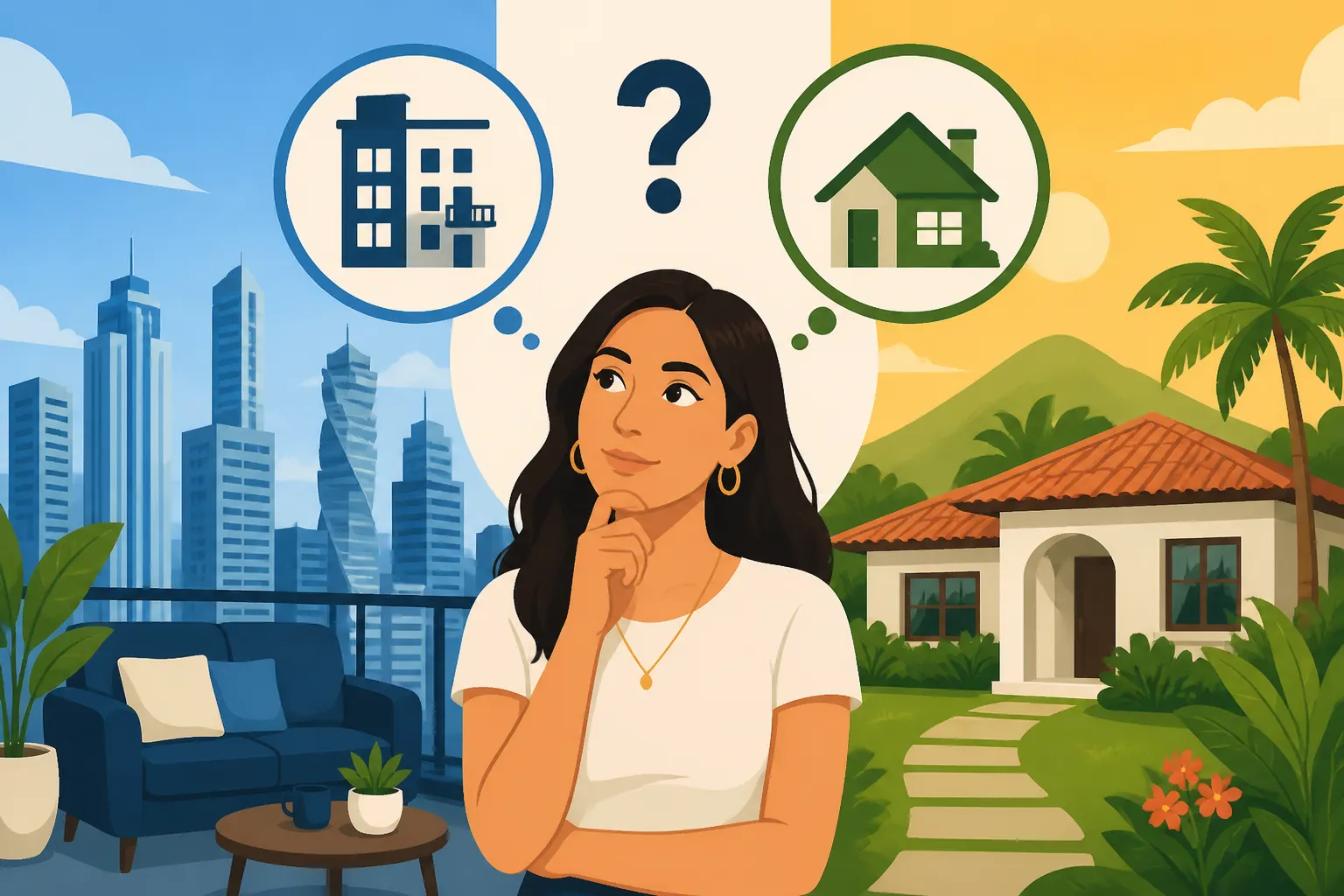
Ah, the age-old expat dilemma: should you rent or take the plunge and buy property here in Panama? It’s a question that keeps so many of us up at night, fraught with financial implications, lifestyle considerations, and a fair bit of emotional wrestling. Having been through the wringer myself and seen countless friends navigate this very decision, I can tell you there’s no single "right" answer. This guide will walk you through the nuances of both renting and buying in Panama, shedding light on the real-world pros, cons, and practicalities to help you make the best choice for your unique expat journey.
Understanding the Expat Experience with Housing in Panama
When you first arrive in Panama, everything feels new, exciting, and a little overwhelming. Finding a place to live, whether temporary or permanent, quickly becomes a top priority, and it's rarely as straightforward as you might hope.
The Initial Shock: Rental Market Realities
For many expats, their first encounter with the Panamanian housing market is through renting, and it can be quite a revelation. You might have visions of charming colonial homes or sleek, modern apartments, and while both exist, the path to securing one can be bumpy. The rental market, especially in bustling Panama City, moves at its own pace, a pace that often feels frustratingly slow or surprisingly fast depending on the specific property.
You’ll quickly learn that while many listings are online, a significant portion of the best properties are still found through word-of-mouth, local agents, or even just by walking around an area you like and seeing "Se Alquila" (for rent) signs. The initial negotiations often involve a landlord or agent who might not speak much English, leading to potential misunderstandings about lease terms, maintenance responsibilities, and even the dreaded security deposit. It’s not uncommon to hear tales of expats struggling to get their full deposit back, or finding hidden clauses that suddenly appear only after the ink has dried. Utilities, too, can be a bit of a maze to set up for the first time, and it's crucial to understand how to get your internet and electricity connected efficiently. Remember, having reliable connectivity is essential, even if it's just a temporary solution like an eSIM from a provider like Airalo while you're sorting out your home internet.
The Dream vs. Reality: Property Ownership Aspirations
The idea of owning a slice of paradise in Panama is incredibly appealing. Imagine a beachfront condo in Coronado, a quaint casita in the cool mountains of Boquete, or a spacious apartment overlooking the city skyline in San Francisco. This dream is what draws many foreigners to Panama in the first place. However, translating that dream into reality involves navigating a property market that has its own unique set of rules and complexities.
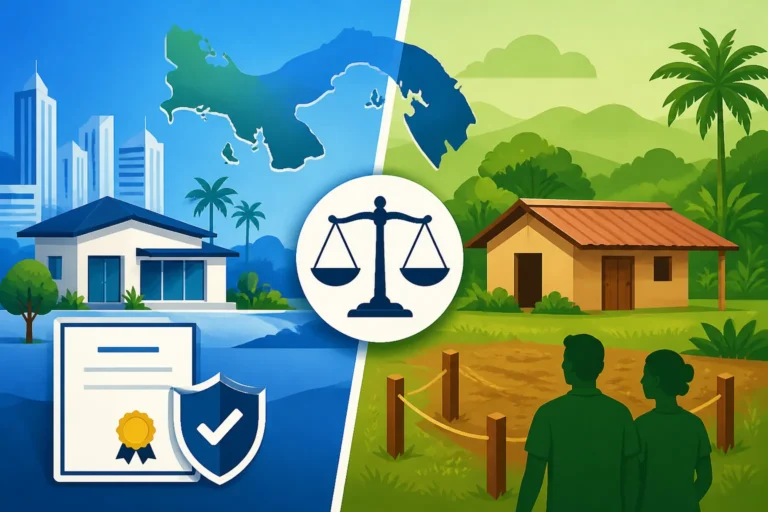
For starters, not all properties are created equal, especially when it comes to land titles. You’ll frequently hear about the distinction between titled property and Rights of Possession (ROP) property. While ROP can sometimes offer a lower entry price, it comes with significant risks and far less security than a properly titled property registered with the Public Registry. Many expats have learned the hard way that a "good deal" on ROP land can quickly turn into a legal quagmire. Furthermore, the closing costs and legal fees involved in purchasing property can be substantial, often catching unsuspecting buyers off guard. It’s a far cry from simply picking a house and signing a mortgage. It’s a full-on administrative marathon that requires patience, diligence, and a reliable legal team.
Diving Deep into Renting in Panama: Pros, Cons, and Practicalities
For many, renting is the logical first step in Panama, offering a bridge into expat life without the immediate, heavy commitment of property ownership.
The Advantages of Renting for Newcomers
One of the biggest benefits of renting is the sheer flexibility it offers. When you first arrive, you’re still figuring things out – where you want to live, what kind of neighborhood suits you best, and even if Panama is truly the right fit long-term. Renting allows you to "test drive" different areas. Perhaps you start in the vibrant hustle of Panama City, then decide you prefer the calmer, cooler climate of Boquete, or the coastal charm of Las Tablas. Moving between these locales is far less complicated and costly when you’re renting month-to-month or on a short-term lease.
Renting also means significantly lower upfront costs compared to buying. Typically, you'll need to pay a security deposit (often one or two months' rent) and the first month's rent. That’s it. You don't have to worry about hefty down payments, closing costs, or property taxes, which can add up to tens of thousands of dollars when buying. This financial breathing room can be invaluable as you settle in and get your finances sorted. For those on a Digital Nomad (Short Stay) Visa in Panama, renting is almost always the only sensible option, as it aligns with the temporary nature of their stay.
Another huge plus is the reduced administrative burden. When you rent, major repairs to the property's structure, roof, or appliances are generally the landlord's responsibility. You don't have to deal with the complexities of finding reliable contractors, negotiating prices, or overseeing repairs – a huge relief in a country where "manana" (tomorrow) can sometimes mean "sometime next week, maybe." This frees up your time and energy to focus on other aspects of settling into your new life, like learning Spanish or exploring the country.
The Downsides and Challenges of Renting
Of course, renting isn’t without its drawbacks. The most significant one is that you're not building equity. Every rent payment goes towards someone else's mortgage or investment, rather than contributing to your own long-term wealth. For expats who view their time in Panama as a multi-year chapter, this can feel like lost opportunity.
You're also generally at the mercy of your landlord when it comes to rent increases or lease renewals. While Panamanian law does offer some tenant protections, annual rent increases are a common reality, and your landlord might decide not to renew your lease for various reasons, forcing you to move, which is always a hassle. Furthermore, you have less control over the property itself. Want to paint the walls a different color, renovate the kitchen, or install a new ceiling fan? You'll likely need permission, and many landlords will simply say no, or expect you to restore it to its original condition when you leave. This lack of personalization can make a rented house feel less like a true "home."
One common frustration for expats renting here is the occasional difficulty in recovering security deposits. While laws are in place, some landlords might find creative ways to deduct from your deposit for what you perceive as normal wear and tear. It’s always best to have a clear, documented inventory before moving in, ideally with photos or videos, to mitigate these potential issues.
What to Consider When Renting
Before signing on the dotted line, there are several key things to scrutinize. First, thoroughly read and understand your lease agreement. If it’s in Spanish, pay for a professional translation or have a trusted bilingual lawyer review it. Look closely at the lease term (usually 6 months to a year), notice periods for termination, and any clauses regarding rent increases.
Secondly, clarify the security deposit situation. How much is it, under what conditions can deductions be made, and what is the typical timeline for its return? Get everything in writing. Thirdly, understand who is responsible for utilities. Most rentals require tenants to set up and pay for electricity, water, and internet. For more details, you might want to check out guides like How Do I Set Up Electricity After Moving to Panama? and How Do I Set Up Internet in My Panama Home?. Always take photos or videos of the property's condition before moving in, noting any pre-existing damage, and send them to your landlord or agent for acknowledgement. This can be your saving grace if there's a dispute later on. Lastly, consider working with a reputable real estate agent who specializes in expat rentals. They can help navigate the market, translate contracts, and act as a buffer between you and the landlord.
Exploring Property Ownership in Panama: Pros, Cons, and Key Considerations
For those with a longer-term vision for their life in Panama, buying property often becomes a compelling option. It represents a deeper commitment and offers a different set of advantages and challenges.
The Benefits and Long-Term Vision of Buying
The most obvious advantage of buying is building equity. As you pay down your mortgage, or if property values appreciate, you're investing in your own financial future. This can be particularly appealing in a growing market like Panama's, especially in desirable areas of Panama City or the burgeoning communities of Chiriquí. Over time, your property can become a significant asset.
Ownership provides a sense of stability and permanence that renting simply can't match. You’re not subject to rent increases or the whim of a landlord deciding not to renew your lease. You can truly make the place your own, from renovations to landscaping, without needing permission. This ability to customize and create a home that perfectly suits your tastes and needs is a huge draw for many expats.
Beyond personal use, buying property can also be a strategic investment. Many expats purchase homes or condos with the intention of renting them out later, either short-term to tourists or long-term to other expats, generating passive income. Panama also offers specific residency programs tied to real estate investment, such as the Qualified Investor (Golden Visa) Programme in Panama or Residency Through Real Estate Investment in Panama, making ownership a pathway to legal residency, which is a significant benefit for some. The process of actually purchasing property is something you'll want to understand deeply, so looking into How to Buy Property in Panama as a Foreigner: The Full Guide would be a wise next step.
The Hurdles and Financial Commitments of Buying
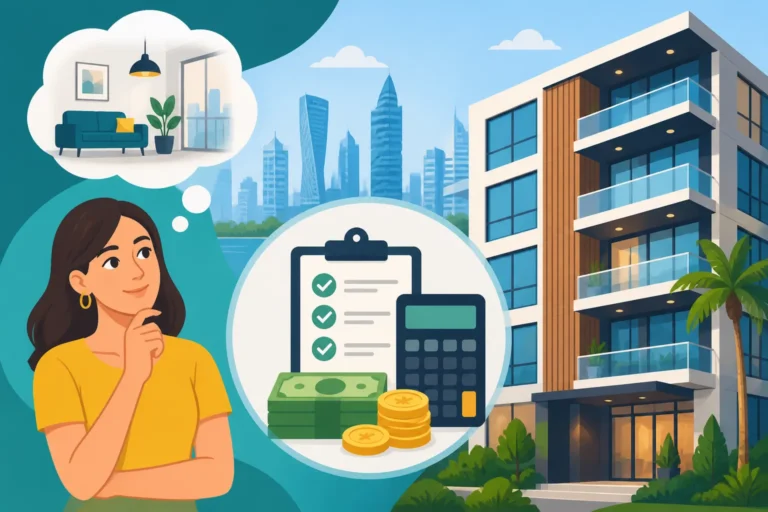
The biggest barrier to entry for many is the substantial upfront cost. This isn't just the purchase price; it includes a down payment (often 10-30% of the purchase price), closing costs (which can range from 2-5% of the purchase price, covering legal fees, registration fees, and transfer taxes), and potentially appraisal fees. All these costs can quickly add up to a significant sum that needs to be paid out of pocket before you even move in.
Beyond the initial outlay, there are ongoing financial commitments. You'll be responsible for property taxes (IBI), which vary depending on the value and location of your property. For a detailed breakdown, you can learn more about Understanding Property Tax (IBI) for Homeowners in Panama. If you buy an apartment or a home in a gated community, you'll also have Homeowners Association (HOA) fees, known locally as "PH fees," which cover maintenance of common areas, security, and amenities. These can range from a couple of hundred dollars to well over a thousand dollars per month in high-end buildings, so be sure to investigate How Much Are the HOA Fees (PH Fees) for an Apartment in Panama? before committing.
The legal complexities involved in a property purchase in Panama can also be daunting. It’s absolutely critical to engage an experienced Panamanian lawyer who specializes in real estate. They will conduct due diligence, ensuring the property has a clear title (not ROP, for instance, which is crucial for expats to understand – see Understanding Titled vs ROP (Rights of Possession) Property in Panama), that there are no liens or encumbrances, and that all necessary permits are in order. This isn't a DIY project; a good lawyer is worth every penny, a lesson many expats have learned the hard way. The entire process, from finding a property to closing, can also be lengthy, sometimes taking several months.
Key Questions Before You Buy
Before you start seriously house hunting, ask yourself some fundamental questions. First, how long do you genuinely plan to live in Panama? If it's only a few years, the transaction costs of buying and selling might negate any potential gains. Second, what is your comfort level with the Panamanian legal and administrative system? Property ownership requires a deeper engagement with these systems than renting. Third, have you thoroughly researched the area you're considering? Panama City offers diverse neighborhoods, while areas like Boquete or David provide vastly different lifestyles. Understanding The Best Places to Live in Panama for Expats: A Complete Guide will be essential.
Consider the current real estate market. Is it a buyer's or seller's market? Are property values appreciating steadily, or are they stagnant? Think about your exit strategy too. How easily could you sell the property if your plans change? While moving your belongings across borders can be a huge headache whether renting or buying, services like Sirelo can help compare international movers if the time comes. This kind of forward planning is crucial. Finally, make sure your finances are robust enough to cover not just the purchase price but also all the associated fees, taxes, and ongoing maintenance. Don't forget, if you're working remotely for a foreign company, your financial situation might be different than someone employed locally, so understanding Can I Work Remotely from Panama for a Foreign Company? is also key for financial planning.
Making Your Choice: Factors to Weigh and a Comparative Table
Ultimately, the decision to rent or buy in Panama boils down to your personal circumstances, financial situation, and long-term goals.
Personal Circumstances and Future Plans
Your age, family situation, and career stage will heavily influence this choice. If you’re a young expat exploring career opportunities, renting offers the flexibility to move for a job or to explore different regions without being tied down. If you have children, factors like proximity to good international schools (which you can learn more about in guides like How Much Are International School Fees in Panama City?) might drive your decision on where to live, whether you rent or buy. For retirees, stability and a fixed cost of living (if you buy outright) might be more appealing.
Consider your time horizon. If you envision living in Panama for five years or less, the high transaction costs of buying (closing costs, real estate commissions when selling) might make renting the more financially sensible option. For stays of five years or more, buying starts to look more attractive as you can amortize those initial costs over a longer period and potentially benefit from appreciation.
Market Conditions and Investment Goals
The state of the Panamanian real estate market plays a crucial role. During periods of rapid appreciation, buying can be a smart move. In a stagnant or declining market, renting might save you from potential losses. Do your research on local property trends, average rental yields, and interest rates if you plan to get a mortgage.
Think about your investment goals. Are you looking for a pure investment, a lifestyle asset, or a combination of both? Some expats buy property with the intention of securing a rental income, either immediately or in the future. If you're planning to generate rental income, research typical rental rates in different areas and factor in potential vacancies and management costs. A deeper understanding of the overall Cost of Living in Panama for Expats will help you align your housing choice with your broader financial plan.
Comparative Overview: Renting vs. Buying in Panama
Here's a quick side-by-side comparison to help crystallize the decision:
| Feature | Renting in Panama | Buying in Panama |
|---|---|---|
| Flexibility | High (easier to move, explore areas) | Low (significant time and cost to sell) |
| Upfront Costs | Relatively Low (deposit + first month's rent) | Very High (down payment, closing costs, legal fees) |
| Ongoing Costs | Rent, utilities, minor repairs | Mortgage (if applicable), property taxes, HOA fees, maintenance, insurance, utilities |
| Equity Building | None | Yes (builds wealth, potential appreciation) |
| Control/Customization | Low (need landlord's permission for changes) | High (can personalize and renovate freely) |
| Administrative Burden | Moderate (setting up utilities, dealing with landlord) | High (legal process, ongoing taxes, maintenance, potential tenant issues if renting out) |
| Long-Term Stability | Moderate (subject to lease renewal, rent increases) | High (secure tenure, fixed costs if mortgage-free) |
| Residency Potential | Indirect (doesn't directly grant residency) | Direct for certain visas (Qualified Investor (Golden Visa) Programme in Panama) |
No matter which path you choose, remember that patience and thorough due diligence are your best friends in Panama. Don't rush into anything, ask plenty of questions, and seek professional advice when needed.
Disclaimer
Please note that the information provided in this guide is for general informational purposes only and does not constitute legal, financial, or real estate advice. Laws and regulations in Panama can change, and individual circumstances vary. It is strongly recommended to consult with qualified Panamanian legal, financial, and real estate professionals before making any decisions related to renting or buying property in Panama.