How to Use Major Hospitals Like Punta Pacifica and Hospital Nacional
Let's be honest, facing a medical situation in a foreign country, especially one as unfamiliar as Panama, can send shivers down even the most seasoned expat's spine. The thought of navigating a new healthcare system, particularly when you’re feeling vulnerable, is daunting. This guide aims to pull back the curtain on using Panama's top private hospitals, like Hospital Punta Pacifica and Hospital Nacional, providing you with the peace of mind that comes from knowing exactly what to expect.
Understanding Panama's Premier Private Hospitals: Punta Pacifica and Hospital Nacional
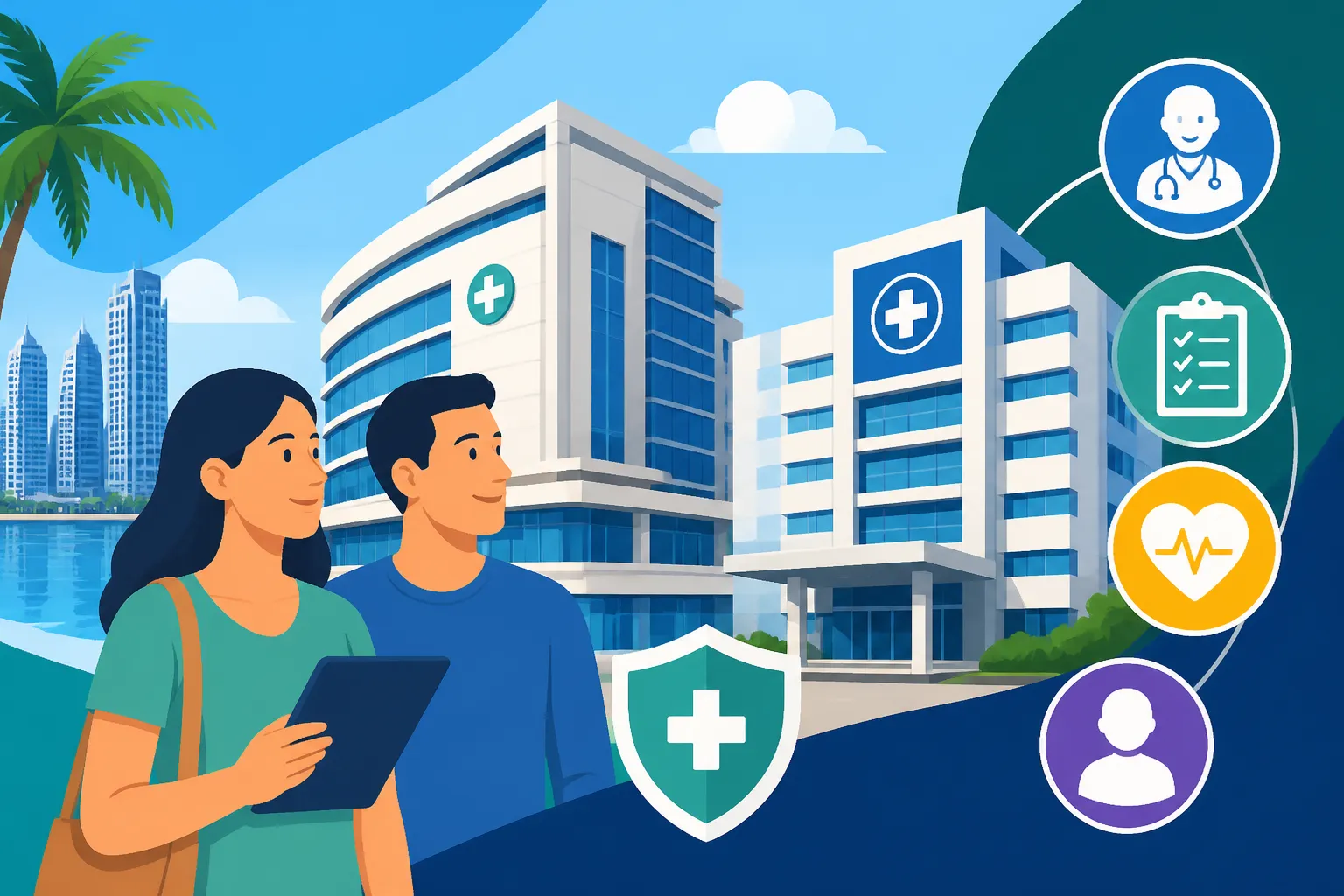
When you first arrive in Panama, or even after living here for a while, the sheer choice of medical facilities can be overwhelming. While the public system, the Caja de Seguro Social (CSS), is there, many expats find themselves drawn to the private sector for its amenities, shorter wait times, and often, English-speaking staff. Among these, two names consistently rise to the top: Hospital Punta Pacifica and Hospital Nacional. These aren't just hospitals; they are modern medical complexes that serve a significant portion of the expat community and Panamanians seeking high-level care.
Hospital Punta Pacifica: A Look Inside
Hospital Punta Pacifica is probably the most well-known private hospital among the expat community, and for good reason. It boasts an affiliation with Johns Hopkins Medicine International, which immediately lends it a reputation for adhering to stringent international standards. This isn't just a marketing ploy; you can feel the difference the moment you walk in. The facilities are modern, clean, and often feel more like a high-end hotel than a hospital.
Located conveniently in the upscale Punta Pacifica neighborhood of Panama City, it's easily accessible if you're living in areas like Costa del Este, San Francisco, or downtown. They offer a comprehensive range of services, from general consultations and specialist clinics to advanced surgical procedures, intensive care, and diagnostic imaging. Many of the doctors are U.S. or European-trained and speak excellent English, which can be a huge relief during a stressful medical situation. My friend, Maria, who had an emergency appendectomy there last year, raved about the attentive nursing staff and how smoothly everything ran, even for a non-Spanish speaker. She mentioned the private rooms felt comfortable and well-equipped, making her recovery feel less institutionalized.
Hospital Nacional: Legacy and Modern Care
Not to be outdone, Hospital Nacional has a long-standing reputation in Panama, having served the community for decades. While perhaps not as overtly "flashy" as Punta Pacifica, it has consistently invested in modernizing its facilities and expanding its medical offerings. It's located more centrally in the city, closer to areas like Bella Vista, and is another excellent choice for expats.
Hospital Nacional offers a similarly broad spectrum of medical services, including cardiology, oncology, orthopedics, neurology, and a robust emergency department. Many highly respected Panamanian doctors maintain practices and perform surgeries here. You'll find state-of-the-art equipment and a dedicated team of healthcare professionals. What often sets Hospital Nacional apart for some is its slightly more traditional Panamanian feel, while still delivering top-tier care that meets international expectations. It can sometimes feel a bit less crowded than Punta Pacifica, depending on the day, but the quality of care remains consistently high. Both hospitals are pillars of private healthcare in Panama, offering distinct but equally reliable options for complex medical needs.
Why Expats Often Choose Private Facilities
The choice between public and private healthcare in Panama is a significant one, and for many expats, the private sector, particularly institutions like Punta Pacifica and Hospital Nacional, becomes the preferred route. It often boils down to a few key factors: language, speed, and amenities. While the public system, the How Panama's Health System Works: CSS and Private Care Explained (2027), is accessible, appointments can involve longer wait times, and English-speaking staff are far less common.
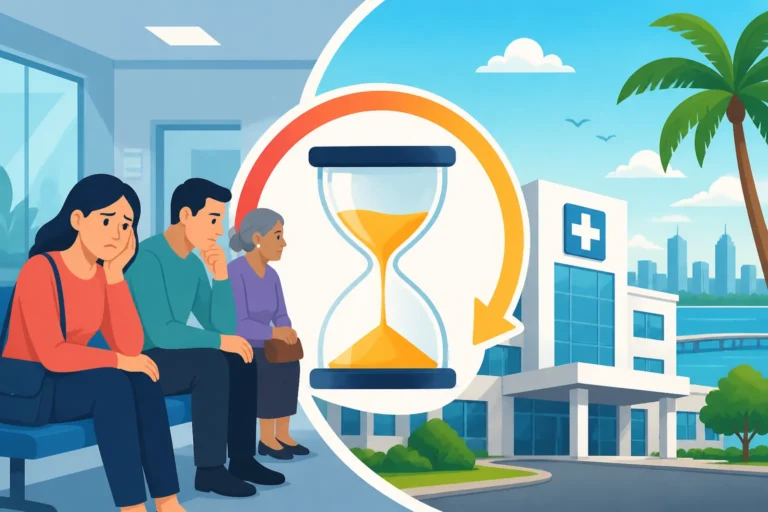
In a private hospital, the likelihood of finding a doctor, nurse, or administrative staff member who can communicate effectively in English is significantly higher. This isn't just a convenience; it's a critical component of receiving accurate care and understanding your treatment plan. Imagine trying to explain complex symptoms or understand a diagnosis in a language you're not fluent in – it's incredibly stressful. Private hospitals often streamline administrative processes, leading to shorter wait times for appointments, diagnostic tests, and even emergency care. For many, the peace of mind offered by these modern, well-equipped private facilities, coupled with the ability to communicate freely, outweighs the higher cost.
Navigating Admissions and Initial Consultations
Stepping into any hospital can be intimidating, let alone one in a foreign country. Knowing the ropes for admissions and initial consultations at major private hospitals like Hospital Punta Pacifica and Hospital Nacional can significantly reduce your anxiety. Whether it's an unexpected emergency or a planned visit, having a clear understanding of the process will empower you.
Emergency Room Procedures and What to Expect
Let's talk about the dreaded emergency room visit. No one wants to end up there, but it's crucial to know what to do if you do. If you find yourself needing urgent care, head directly to the emergency department (Urgencias) at either Hospital Punta Pacifica or Hospital Nacional. Upon arrival, you'll first go through a triage process, much like in many Western countries. A nurse will assess your condition to determine the severity and prioritize your care. Be prepared to provide basic personal information – your name, date of birth, and any known allergies or medical conditions.
Crucially, have your passport or residency card, and your private health insurance details ready. While they will always stabilize you first, administrative details and payment discussions will follow. Don't be surprised if you're asked for an upfront deposit or proof of insurance coverage, especially if your condition isn't immediately life-threatening. If you have international health insurance, make sure to inform them immediately so they can begin the pre-authorization process. For more detailed information on urgent care, check out our guide on Emergency Medical Care in Panama: What Every Expat Needs to Know.
Scheduled Admissions and Pre-Registration
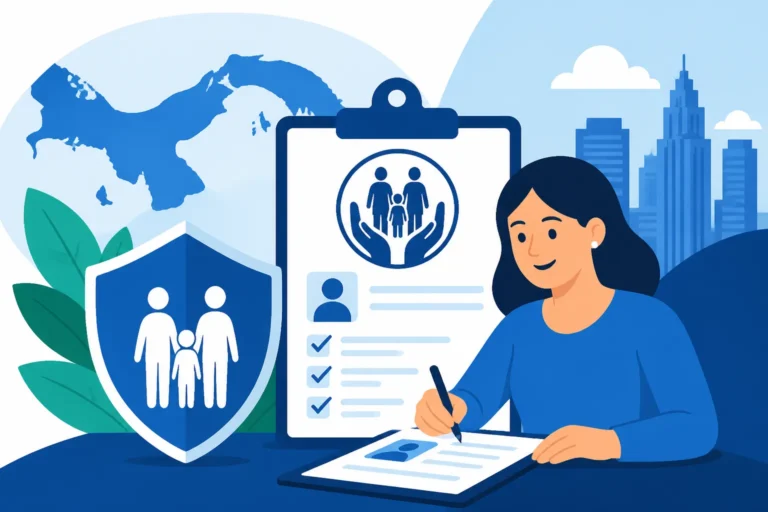
For planned procedures, specialist appointments, or scheduled admissions, the process is much smoother, requiring pre-registration. This typically involves making an appointment by phone or through the hospital's website, or directly with the specialist's office if they operate within the hospital's network. When you schedule, they'll usually ask for your personal details, the reason for your visit, and your insurance information.
For an inpatient stay, you’ll usually need to complete admission paperwork in advance or upon arrival at the admissions desk, not the ER. They’ll confirm your insurance details, explain any co-pays or deductibles, and assign you a room. Having all your documents organized beforehand, including a referral from a general practitioner if required by your insurance, will make the check-in process much faster. Remember, showing up prepared is key to a stress-free experience. If you need help finding a doctor to refer you, our guide on How to Choose and Register with a Doctor or Clinic in Panama can be a great starting point.
Language Support and Communication Tips
One of the biggest anxieties for expats in a medical setting is the language barrier. While many doctors and some administrative staff at Punta Pacifica and Hospital Nacional speak English, it's not guaranteed for every nurse or technician, especially in less critical areas. Don't hesitate to politely ask if an English-speaking staff member is available. Many hospitals also have "international departments" or specific personnel trained to assist foreign patients.
If you're facing a serious or complex discussion, consider bringing a trusted Spanish-speaking friend, family member, or even hiring a medical interpreter. Google Translate or other translation apps can be helpful for simple phrases, but for nuanced medical discussions, a human interpreter is always best. Don't be shy about clarifying instructions or asking questions repeatedly until you fully understand. Your health is paramount, and effective communication is a non-negotiable part of good care.
Understanding Costs, Billing, and Insurance Coverage
The financial aspect of healthcare can be a labyrinth, and in Panama's private system, it’s no different. While often more affordable than comparable private care in North America or Europe, it’s far from free. Understanding how costs work, what to expect with billing, and how your insurance factors in is essential.
Typical Costs at Private Hospitals
The costs at private hospitals like Punta Pacifica and Hospital Nacional can vary significantly depending on the service. A basic consultation with a specialist might range from $50 to $100 USD, though some highly specialized doctors might charge more. Diagnostic tests like X-rays could be $30-$70, while an MRI can cost anywhere from $300 to $600 or more, which is still considerably less than many Western countries. For a deeper dive into costs, you might find our article on The Cost of Healthcare in Panama: A Complete Breakdown for Foreigners (2026) helpful.
For emergencies, an ER visit without admission might be $100-$300 before any tests or treatments. A minor procedure, say stitching a cut, could be $200-$500. Major surgeries or an ICU stay will naturally run into the thousands. It's important to remember these are general estimates; always ask for a breakdown of costs where possible. While these figures might seem steep compared to Panama’s public system, they offer a value proposition when you consider the quality of care and facilities.
How Private and International Health Insurance Works
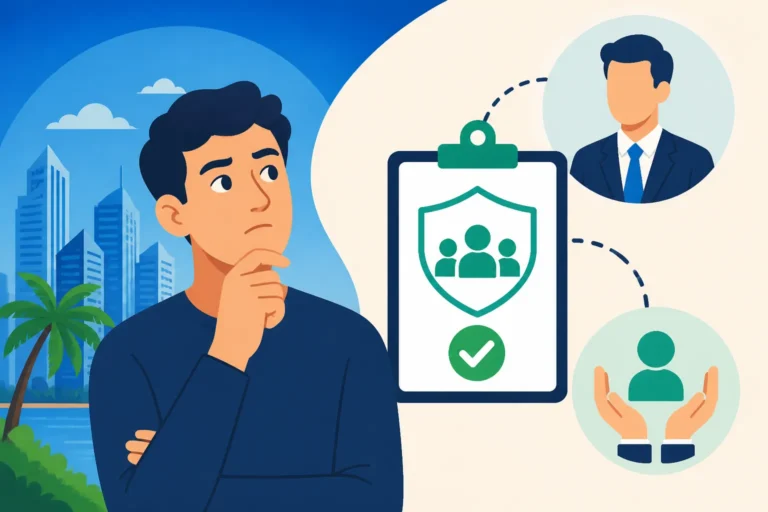
This is where your financial lifeline comes in. Most expats in Panama rely on private health insurance, either local or international. When you're admitted or receive treatment at a major private hospital, there are generally two ways your insurance works:
- Direct Billing: This is the most convenient. Your insurance company has a direct agreement with the hospital, and once pre-authorization is obtained (especially for planned procedures or admissions), the hospital bills your insurer directly for eligible costs. You'd only be responsible for your deductible, co-insurance, or any non-covered services.
- Reimbursement: If your insurer doesn't have a direct billing arrangement, or for smaller outpatient visits, you'll pay upfront and then submit a claim to your insurance company for reimbursement. Keep all receipts, medical reports, and itemized bills.
It's absolutely crucial to contact your insurance provider as soon as possible, especially for emergency admissions or planned procedures. They will guide you through their specific requirements for pre-authorization or claim submission. Companies like SafetyWing, which are designed for digital nomads and long-term travelers, often have a straightforward claims process, but you still need to follow their protocol. They are an excellent option for covering unexpected medical emergencies or travel-related incidents, offering a safety net for expats. Understanding your policy inside and out is paramount. Our guide to Health Insurance in Panama: Private and International Options Explained delves into this further. If you're wondering how to get your money back from your insurer, this article on How to Claim Reimbursement from Private Insurance in Panama is a must-read.
Self-Pay and Payment Plans
What if you don't have private health insurance, or your policy has limits? The reality is that for major private hospitals, you will likely be required to pay upfront for services, or at least provide a significant deposit. For large bills, if you're self-paying, don't be afraid to ask the hospital's billing department if they offer payment plans. While not universally available, some might work with you, especially for substantial amounts.
Always inquire about any potential discounts for self-paying patients who pay in full. You might be surprised. It’s a common misconception that all hospitals are rigid with their pricing; sometimes, there's a little wiggle room, particularly if you're prepared to pay in cash or via bank transfer. Having a credit card with a decent limit for emergencies is also a very sensible precaution if you plan to self-insure, or if your policy only covers a portion of the costs. No one wants to worry about the bill when they're unwell, so planning ahead for these possibilities is smart.
Specialist Referrals, Diagnostic Services, and Follow-up Care
Navigating specialized medical needs and ensuring continuity of care are critical aspects of managing your health in Panama. Major private hospitals are equipped to handle a wide range of conditions, from the initial diagnosis to long-term recovery.
Accessing Specialist Care and Referrals
Panama's private healthcare system typically allows for more direct access to specialists than some other countries. While your insurance might require a referral from a general practitioner (GP) for coverage, you can often make an appointment with a specialist directly at hospitals like Punta Pacifica or Hospital Nacional without one, if you're self-paying. However, if you're using insurance, always double-check your policy requirements first.
Both hospitals house numerous clinics and independent specialist offices within their complexes. You'll find everything from cardiologists, neurologists, and oncologists to orthopedic surgeons and dermatologists. To find a specialist, you can ask for recommendations from your GP, fellow expats, or consult the hospital's directory online. Wait times for specialist appointments are generally much shorter than in public facilities, often within a few days or weeks, rather than months. If you need to understand the referral system, our article on How Specialist and Hospital Referrals Work in Panama provides an in-depth explanation. For information on general specialist access, consider reviewing How to Access Specialist Care in Panama.
Diagnostic Imaging and Laboratory Services
Major private hospitals in Panama are well-equipped with modern diagnostic technologies. At both Hospital Punta Pacifica and Hospital Nacional, you'll find comprehensive services including:
- Imaging: X-rays, ultrasounds, CT scans, and MRI scans. These facilities often use cutting-edge equipment, meaning you're getting high-quality diagnostics.
- Laboratory Services: A full range of blood tests, urine tests, and other pathology services are available on-site, providing quick turnaround times for results.
To schedule these tests, you'll typically need a doctor's order or prescription. You can usually book appointments directly with the imaging or lab department. For non-urgent tests, it's worth checking if your insurance requires pre-authorization. The convenience of having these services within the hospital complex means less running around, which is a huge plus, especially when you're not feeling your best. For instance, if you've ever wondered about the cost of advanced imaging, our post How Much Does an MRI Scan Cost in Panama in 2026? offers some insights.
Post-Hospital Care and Rehabilitation
Once you're discharged from the hospital, the care doesn't necessarily stop there. Both Punta Pacifica and Hospital Nacional have networks that extend to various post-hospital care options. This can include:
- Follow-up Appointments: Scheduling revisits with your surgeon or specialist to monitor your recovery.
- Physical Therapy/Rehabilitation: If you've had surgery or an injury, you might need physiotherapy. The hospitals can often recommend affiliated clinics or therapists.
- Home Nursing Care: For those needing ongoing medical assistance at home, options exist, although these are typically arranged privately or through specific insurance policies.
It’s crucial to discuss your discharge plan thoroughly with your doctor and nurses before leaving the hospital. Ensure you understand all medication instructions, follow-up appointments, and any restrictions on your activity. Don't be afraid to ask for written instructions, as this can be invaluable, especially if you're still grappling with language nuances. The goal is to ensure a smooth transition from hospital to home and a full recovery.
Preparing for Your Hospital Visit: Practical Advice for Expats
Being prepared can significantly ease the stress of a hospital visit, whether it's planned or an emergency. As an expat in Panama, a little forethought goes a long way.
Essential Documents and Information to Have Ready
This is probably the most critical piece of advice. Keep an easily accessible "medical essentials" kit or folder, both physically and digitally. This should include:
- Identification: Your passport and Panamanian residency card (Cedula). These are vital for any hospital admission.
- Insurance Information: Your physical insurance card, policy number, and the contact number for your insurance provider. If you use a provider like SafetyWing, have their contact info readily available.
- Medical History: A concise summary of your significant medical conditions, past surgeries, and allergies.
- Medication List: A current list of all prescription and over-the-counter medications you take, including dosages.
- Emergency Contacts: Names and phone numbers of at least two people (local or international) to notify in an emergency.
- Local Address and Phone Number: For hospital records.
Consider printing out a basic medical history form in both English and Spanish to hand over to admitting staff. It saves time and ensures accuracy.
| Document/Information | Why It's Essential | Where to Keep It |
|---|---|---|
| Passport/Cedula | Official identification required for all admissions and medical records. | A physical copy in your wallet/bag, a digital copy on your phone/cloud, and inform your local contact of its location. |
| Insurance Card/Policy | Proof of coverage, crucial for direct billing or reimbursement. | Physical card in wallet, digital copy on phone, and a separate note with your policy number and provider's emergency contact (e.g., SafetyWing support line). |
| Medical History | Provides doctors with immediate context for your health, allergies, and past treatments. | Printed summary (English & Spanish if possible) in your medical folder, and a digital version. |
| Medication List | Prevents adverse drug interactions and ensures continuity of care. | Printed list with dosages, digital copy, and keep it updated. |
| Emergency Contacts | Allows the hospital to notify loved ones quickly. | Written on your medical information sheet, saved in your phone as "ICE" (In Case of Emergency), and shared with your local contact. |
| Local Address/Phone | Necessary for administrative purposes and follow-up communication. | Written on your medical information sheet. |
Packing Your Hospital Bag (for Planned Stays)
If you have a scheduled admission, packing a small bag with personal essentials can make your stay much more comfortable. Remember, private hospitals in Panama are generally well-appointed, but personal touches help.
- Comfortable Clothing: Pajamas, a robe, and loose-fitting clothes for discharge.
- Toiletries: Toothbrush, toothpaste, shampoo, soap, moisturizer, etc.
- Entertainment: A book, e-reader, tablet, or phone (with headphones!). Wi-Fi is usually available.
- Chargers: For all your electronic devices.
- Snacks/Drinks: While meals are provided, having some familiar snacks or your favorite tea can be comforting.
- Eyeglasses/Hearing Aids: Don't forget these vital items!
- Small Amount of Cash: For minor purchases or unexpected needs.
Leave valuables at home or with a trusted person. You want to focus on your recovery, not worry about your belongings.
Enlisting Support: Friends, Family, and Patient Advocates
Going through a medical ordeal alone in a foreign country can be incredibly isolating. Don't try to be a hero. Enlist support from your expat friends, family (if they're local), or even consider professional patient advocate services.
- Companionship: Having a friend with you, especially during an ER visit or initial consultations, can be immensely helpful. They can listen, take notes, provide moral support, and even help with translation if they're fluent in Spanish.
- Logistics: A trusted friend can help with transportation, picking up prescriptions, or communicating with your family back home.
- Advocacy: If you're feeling overwhelmed or unable to advocate for yourself, a patient advocate (sometimes offered by international insurance providers or independent services) can liaise with medical staff on your behalf, ensuring your wishes are respected and you understand your treatment options. This extra layer of support is invaluable, especially when navigating complex medical decisions.
Key Considerations for Expat Patients
As an expat, your experience in Panamanian hospitals will always have a unique flavour due to cultural differences and logistical considerations. Understanding these nuances can help you navigate the system more effectively.
Cultural Nuances and Patient Rights
Panamanian healthcare, while modern in its facilities, often operates within a cultural framework that can feel different from what you're used to. Doctors here are highly respected, and the patient-doctor relationship can sometimes be more paternalistic than in Western cultures. This means doctors might present information with a confident authority, and direct questioning or challenging their recommendations might be perceived differently. However, this doesn't mean you don't have rights or shouldn't ask questions.
You absolutely have the right to understand your diagnosis, treatment options, potential risks, and prognosis. You can ask for a second opinion, and you have the right to refuse treatment. If you feel uncomfortable or unclear, politely rephrase your questions or ask for a detailed explanation. Patient confidentiality is also upheld. It's about finding a balance: respecting local customs while ensuring your needs and concerns are fully addressed. Being aware of these subtle differences can prevent misunderstandings and foster a more positive interaction.
Making an Informed Choice
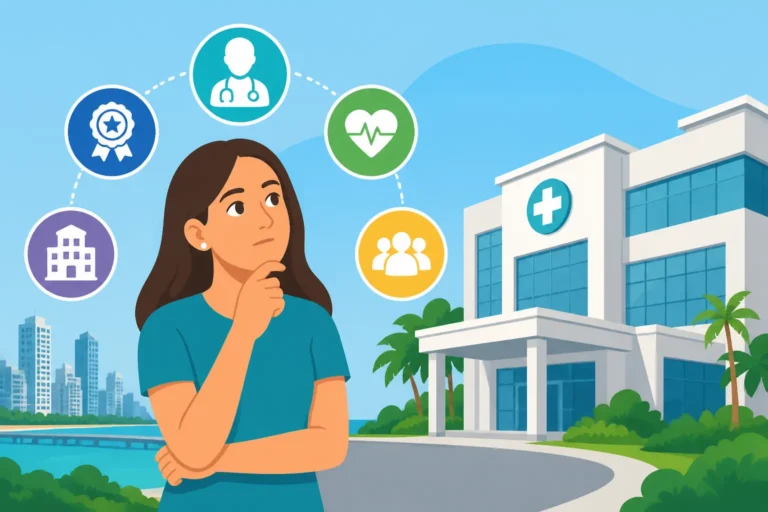
Choosing a hospital, or even a specific doctor within a hospital, is a personal decision that should be based on several factors. While Hospital Punta Pacifica and Hospital Nacional are both excellent choices, their suitability might depend on your specific needs:
- Specialty: If you need a very specific type of surgery or treatment, one hospital might have a more renowned department or a leading specialist in that field.
- Location: Proximity to your home can be a major factor, especially for emergencies or frequent follow-up visits.
- Insurance Acceptance: Confirm which hospital your private or international insurance (like SafetyWing) prefers or has direct billing agreements with. This can save you a lot of administrative hassle.
- Recommendations: Talk to other expats. Word-of-mouth recommendations can be incredibly valuable in finding a doctor or facility that aligns with your expectations.
- Personal Comfort: Sometimes, it just comes down to where you feel more comfortable. Visit both, if possible, for non-emergency situations, to get a feel for their environment.
Ultimately, your choice should empower you to feel confident in the care you're receiving.
Ongoing Health Management
Moving to a new country is often a prompt for many expats to re-evaluate their health management strategies. It's not just about what to do in an emergency, but how you maintain your health day-to-day. Establish yourself with a good general practitioner (GP) in Panama, even if you rarely get sick. This doctor can become your primary point of contact for referrals, routine check-ups, and managing chronic conditions. For a broader perspective on healthcare, explore The Complete Guide to Healthcare in Panama for Expats (2027).
Regular check-ups and preventative care are just as important here as they were back home. Don't wait until you're seriously ill to learn the ropes of the Panamanian healthcare system. Understand your insurance policy, know where the nearest clinics and pharmacies are, and keep your medical information organized. Being proactive about your health in Panama means you’ll be much better equipped to handle any medical situation, big or small, with greater confidence and less stress. Think of it as your personal roadmap for Navigating the Panamanian Healthcare System: An Expat's Roadmap (2027).
Disclaimer
Please remember that this guide provides general information and advice based on common expat experiences in Panama. Healthcare systems, policies, and costs can change. Always verify specific details with your chosen healthcare provider, insurance company, and legal counsel if necessary. This information should not be taken as medical or legal advice.