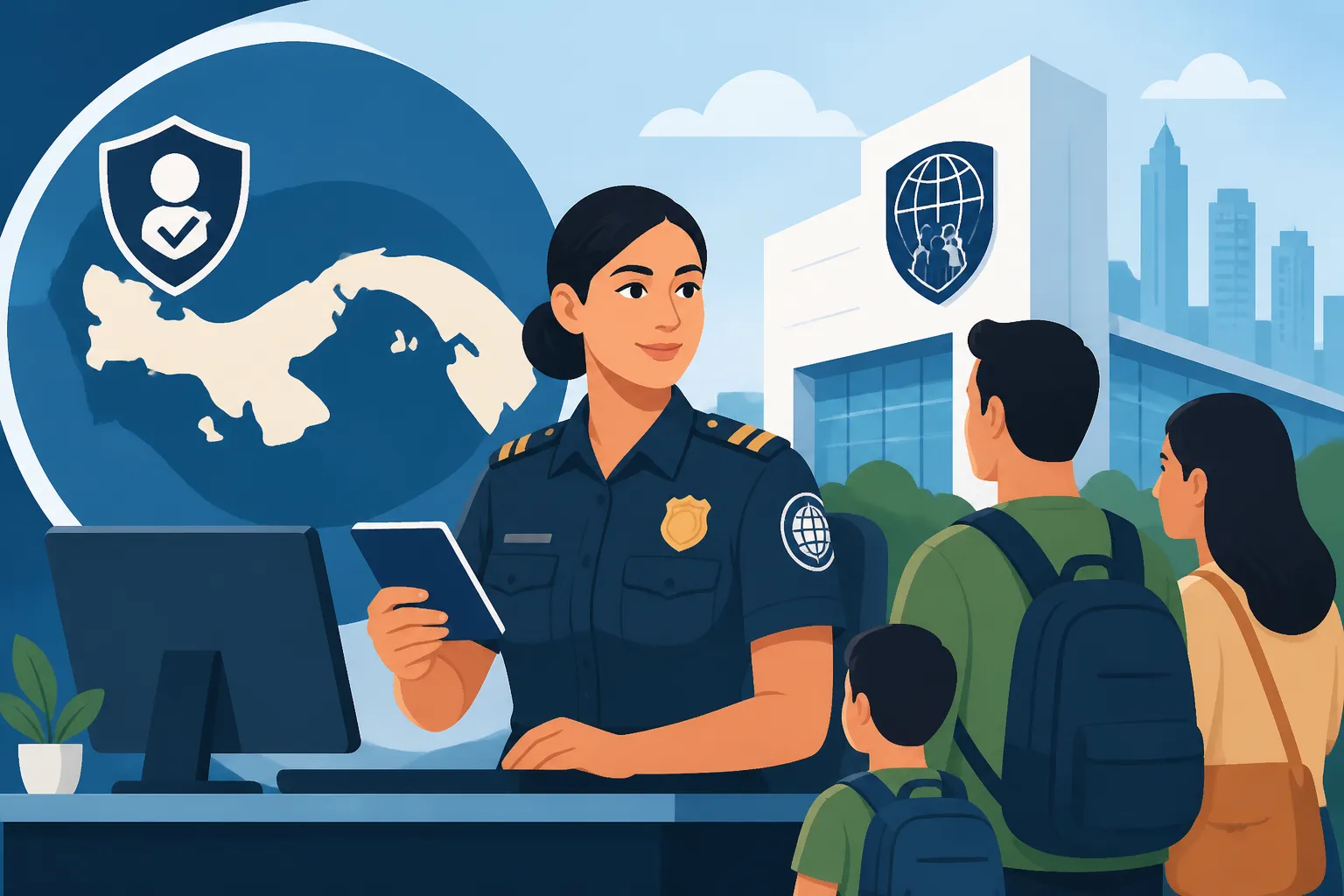
Understanding the Role of the National Immigration Service in Panama
Moving to Panama, or even just extending your stay, can feel like navigating a complex maze, especially when it comes to the official channels. Many of us expats have stood in line, clutching a stack of meticulously prepared documents, only to be told one form is missing or the rules have changed overnight. It’s frustrating, bewildering, and often feels like an exercise in patience. This guide is here to demystify the Servicio Nacional de Migración (SNM), Panama's National Immigration Service, helping you understand their role, how to interact with them, and what to expect on your immigration journey.
What is the National Immigration Service (Servicio Nacional de Migración – SNM)?
Think of the SNM as the gatekeeper and the administrator of all things immigration in Panama. They are the government body responsible for controlling who enters, stays, and exits the country, as well as managing the various statuses of foreigners residing within Panama's borders. For expats, the SNM is arguably one of the most important entities you'll ever deal with, dictating everything from your initial visa to your eventual permanent residency. It's a fundamental part of How to Move to Panama Legally from Abroad (2026).
Its Mandate and Authority
The SNM operates under the Ministry of Public Security and is empowered by Panamanian law to enforce immigration policies. Their mandate is broad, covering national security, economic interests, and social order, all while managing the flow of people. This means they're not just processing paperwork; they're essentially upholding the country's sovereign right to determine its demographic makeup and protect its citizens. This can sometimes feel impersonal when you're just trying to get a stamp, but it helps to understand the larger context of their duties. They interpret and apply the immigration laws, which, as many of us have experienced, can be subject to change and interpretation.
Organizational Structure and Key Locations
The SNM has a hierarchical structure, with a central office in Panama City serving as the main hub for all major applications and policy decisions. The main building in Ancon, Panama City, is where most expats will spend a significant amount of their time, dealing with applications, renewals, and other procedures. Beyond the capital, they also operate regional offices in key provinces like David (Chiriquí) and Santiago (Veraguas), primarily for more routine matters or specific regional needs. However, for anything substantial like a new residency application or a complex visa issue, you'll almost certainly find yourself back in Panama City. This centralisation can be a bit of a trek if you've decided to embrace the quieter life in the interior, but it's part of the process.
Why the SNM Matters to Every Expat
Simply put, your legal status in Panama hinges entirely on your interactions with the SNM. From the moment you arrive on a tourist visa to the day you apply for Panamanian Citizenship: How to Naturalise After Residency (2027), the SNM is the authority that grants or denies your requests. Without proper documentation and an approved status from them, you could face fines, deportation, or simply be unable to access essential services like opening a bank account or getting a driver's license. It’s not just a formality; it’s the bedrock of your legal presence here. Understanding their processes, even when they seem opaque, is your best defense against potential issues.
Key Functions and Departments of the SNM
The National Immigration Service handles a vast array of tasks, far beyond what most expats might initially imagine. While your primary concern might be your visa or residency, their responsibilities encompass everything from patrolling borders to processing a simple entry stamp. Knowing these functions can help you understand why certain procedures are in place and who you might need to speak with.
Visa and Residency Processing
This is, without a doubt, the department expats will interact with the most. This section of the SNM is responsible for reviewing, approving, or denying all types of visas and residency applications. Whether you're coming in on a specific work visa, applying for the popular Understanding the Friendly Nations Visa in Panama (2027), or starting the journey toward The Expat Guide to the Pensionado (Retiree) Visa in Panama (2027), your paperwork goes through these desks. They meticulously check every document, verify your eligibility, and ultimately determine your right to live and work in Panama. It’s where your stack of papers, apostilled documents, and patience are truly put to the test.
Border Control and Entry/Exit Management
The SNM also oversees all points of entry and exit in Panama – airports, seaports, and land borders. Those friendly (or sometimes not-so-friendly) immigration officers you meet at Tocumen International Airport? They work for the SNM. Their job is to ensure that everyone entering Panama has the legal right to do so and to track entries and exits for national security and immigration compliance. They manage the initial tourist stamp, ensure you haven't overstayed your welcome, and register your departure. It's their vigilance that ensures the integrity of Panama's borders, and sometimes, that means a few extra questions for us foreigners.
Enforcement and Compliance
Beyond processing applications, the SNM is also the enforcement arm of Panama's immigration laws. This department handles investigations into illegal immigration, processes deportations, and monitors foreigners to ensure they are complying with the terms of their visas or residency. While hopefully, you’ll never have to deal with this side of the SNM, it's crucial to understand its existence. Non-compliance, such as overstaying a tourist visa or working without a proper permit, can lead to severe consequences. This is why always ensuring your documents are in order and your status is current is paramount, even if it feels like a constant battle against bureaucracy.
Navigating the SNM: Practical Tips for Expats
Dealing with any government office in a foreign country can be daunting, and Panama’s SNM is no exception. It’s a unique experience that combines strict protocols with a dash of Caribbean time, requiring a specific approach. My years here have taught me a few things about how to keep your sanity and actually get things done.
Preparing Your Documents Meticulously
I cannot stress this enough: preparation is key. The SNM operates on a "one missing document, try again tomorrow" policy. Before you even think about setting foot in their offices, ensure every single document required for your application is not only present but also correctly apostilled, translated (if necessary), and notarized. Understanding Document and Apostille Requirements for Panama Immigration is essential reading here. Gather originals and multiple sets of copies. Organize them neatly in a folder, perhaps with a clear table of contents. If your application calls for a paz y salvo (a certificate of good standing from various government entities), make sure it's current. Little details like an expired police check or a photocopy of a copy that isn't legible can send you right back to square one. When I moved here, I learned the hard way that "almost there" doesn't count. Double-check everything, then check it again.
Understanding the Appointment System and Wait Times
Gone are the days (mostly) of simply showing up and hoping for the best. The SNM often operates on an appointment system, especially for major applications like initial residency. This system, while intended to streamline things, can sometimes add another layer of complexity. Appointments might need to be booked weeks or even months in advance. And even with an appointment, be prepared to wait. Panama time, as we affectionately call it, is a real phenomenon in government offices. Bring a good book, a fully charged phone, and snacks. Don't plan anything immediately after your SNM visit. A routine document drop-off can easily turn into a half-day affair. My friend, for instance, once waited four hours just to get a single document stamped, despite having an appointment. Patience truly is a virtue here.
Communicating Effectively and Politely
While some SNM staff speak English, the primary language of operation is Spanish. If your Spanish isn't up to par, it's absolutely vital to bring someone who can translate for you, whether it's a friend, your lawyer, or a professional interpreter. Misunderstandings due to language barriers are incredibly common and can lead to errors, delays, or even outright rejections. Beyond language, a polite and respectful demeanor goes a long way. While frustrations can run high, remember that the person at the counter is just doing their job. A smile, a "por favor," and a "gracias" can make a surprising difference in how your interaction unfolds. It's a cultural nuance that can either smooth your path or make it incredibly rocky.
Common Services Provided by the SNM
The SNM is a one-stop-shop for most of your legal stay requirements in Panama. From initial visits to long-term settlement, understanding the spectrum of services they offer will help you navigate your journey. Many of these processes are part of The Complete Guide to Panama Visas and Immigration for Expats (2027).
Types of Visas and Temporary Residency Permits
For those just starting their Panamanian adventure or planning a short-to-medium-term stay, the SNM processes a variety of visas and temporary residency permits. This includes everything from specific professional visas for those employed by Panamanian companies to student visas for international learners at local universities. There are also specific visas for certain nationalities, often tied to bilateral agreements. Many people initially arrive on a tourist visa and then, with the help of a lawyer, transition to a temporary residency while their longer-term applications are processed. This provisional period is crucial and managed entirely by the SNM. Remember, a temporary permit means you’re essentially on a probationary period, and any deviation from the rules could jeopardize your future here.
Permanent Residency Applications and Renewals
The holy grail for many expats is, of course, permanent residency. This is where the SNM truly shines (or sometimes bewilders). They handle the applications for various permanent residency programs, such as the How to Get Residency in Panama: The Full Guide (2027) pathways, investment visas, or even marriage-based residency. Once granted, permanent residency allows you to live in Panama indefinitely, though it still requires periodic renewals of your residency card, or cédula. Each renewal process, typically every few years, also goes through the SNM. This involves submitting updated documents, paying fees, and sometimes, another round of fingerprinting. It’s a process designed to ensure that you continue to meet the requirements for your specific residency category. It's also worth noting that many international health insurance providers like Cigna Global require proof of stable residency for certain long-term plans, highlighting the importance of keeping your permanent residency current.
Panamanian Citizenship and Naturalization Processes
For those who truly make Panama their home and wish to become full citizens, the SNM is also the starting point for the naturalization process. After a certain number of years as a permanent resident (which varies depending on your original residency type and nationality), you can apply for Panamanian citizenship. This involves proving your integration into Panamanian society, demonstrating basic knowledge of the country's history and government, and undergoing various interviews and background checks. It’s a lengthy and rigorous process, ultimately culminating in a presidential decree. The SNM acts as the initial administrative gateway, compiling your file before it moves on to higher government echelons.
Here’s a simplified table outlining some common SNM services and their general requirements:
| Service Category | Common Requirement Examples | Typical Processing Time (Estimate) | Key SNM Role |
|---|---|---|---|
| Tourist Visa Extension | Passport, proof of funds, return ticket, application form | 1-2 weeks | Review, approval, stamp extension |
| Temporary Residency (e.g., Friendly Nations) | Passport, criminal background check, bank solvency, apostilled documents, lawyer letter | 3-6 months (initial provisional) | Provisional approval, initial Cedula, file processing |
| Permanent Residency (e.g., Pensionado) | Pension proof, medical exam, criminal background check, apostilled documents, lawyer letter | 6-12 months (after provisional) | Final approval, permanent Cedula, ongoing record management |
| Residency Card (Cédula) Renewal | Current Cedula, passport, updated photos, application form, payment | 1-3 months | Verification of status, issuance of new Cedula |
| Work Permit Application | Valid residency, job offer, employer's documents, police record, specific professional title | 2-4 months | Review and approval of legal right to work |
| Naturalization | Permanent residency history, proof of integration, language/history test, background checks | 2-5 years (after application) | Initial file compilation, processing for higher government review |
Note: All processing times are estimates and can vary significantly based on individual circumstances, SNM workload, and current policies.
Challenges and Frustrations Expats Face with the SNM
If you’ve spent any time interacting with the SNM, you know it's rarely a smooth, straightforward journey. Expats often share war stories about the bureaucratic hurdles, the perplexing changes in requirements, and the sheer amount of time it can consume. It's a shared experience that often binds us together.
The Bureaucratic Maze and Paperwork Headaches
The sheer volume of paperwork required for even the simplest transaction can be overwhelming. Beyond that, the rules often feel like they're written in invisible ink, subject to change without public notice. One day, a document is accepted; the next, you're told it needs a different stamp or a new certification. This inconsistency is a major source of frustration. For instance, when I was processing my own residency, the requirement for a specific type of bank letter changed twice in three months, meaning I had to revisit my bank multiple times and waste precious time and resources. This is where meticulous organization and having an excellent lawyer become not just helpful, but absolutely essential. Moving companies like Sirelo can help with the physical relocation, but preparing for the paper chase is a separate, equally demanding project.
Language Barriers and Cultural Nuances
As mentioned earlier, Spanish is the language of government in Panama. While many officials in Panama City may have some English proficiency, you cannot rely on it. This can lead to significant communication breakdowns, misinterpretations of instructions, and a general feeling of helplessness if you're not fluent. Beyond language, there are cultural nuances at play. Panamanian bureaucracy can sometimes prioritize personal connections or informal processes over strict, published rules, which can be baffling for those accustomed to highly formalized systems. Understanding that sometimes a polite inquiry, a bit of patience, or even just knowing who to ask can unlock a faster path is a lesson many expats learn through trial and error.
Dealing with Delays and Inconsistent Information
Panama's SNM is notorious for its processing times, which can often stretch far beyond initial estimates. A "few weeks" can easily become "a few months," leaving expats in limbo, unable to travel or finalize other administrative tasks. What's worse is the inconsistency in information. You might get one answer from an official on Monday and a completely different one from another official on Tuesday for the same query. This lack of standardization is maddening. I've heard countless stories of people being told they need X, Y, and Z, only to watch someone else in line get through with just X and Y. This is why having a trusted Panamanian immigration lawyer is paramount; they often have the most up-to-date intel and know how to navigate these fluid situations. Trying to do it all on your own is a surefire way to get a massive headache.
Staying Up-to-Date and Getting Help
Given the complexities, staying informed and knowing where to turn for help is vital for any expat dealing with the SNM. Relying solely on casual advice from online forums can be risky, as policies are always evolving.
Official Channels vs. Unofficial Advice
The SNM does have an official website, but like many government sites, it can be sparse on detailed, current information and may not always be fully up-to-date with recent changes in law or procedure. They also have social media channels, but these are primarily for general announcements, not specific case inquiries. While expat Facebook groups and online forums can be a fantastic source of shared experiences and peer support, remember that this is unofficial advice. What worked for one person last year might not work for you today, or their specific circumstances might differ vastly from yours. Always, always cross-reference any advice with a professional or the most official source you can find. For instance, questions about How Your Residence Status Affects Health Coverage in Panama should always be confirmed with official sources.
The Indispensable Role of a Good Immigration Lawyer
This is not a sales pitch, it's a statement of fact for most expats: a competent, reputable Panamanian immigration lawyer is not a luxury; they are an absolute necessity. They are your guide through the labyrinth. A good lawyer will know the latest requirements, understand the nuances of the law, and often have established relationships within the SNM that can help smooth the process. They prepare your documents correctly, submit them on your behalf, track your application, and represent your interests. They can save you countless hours of waiting, prevent costly mistakes, and generally shield you from much of the administrative headache. While they come with a fee, consider it an investment in your peace of mind and the legality of your stay. When looking for a lawyer, seek recommendations from other long-term expats, ask for references, and ensure they are well-versed in the specific visa or residency you are pursuing. This is highlighted in Understanding Why You Need a Panamanian Lawyer for Residency.
Third-Party Services and Support Networks
Beyond lawyers, there are other support networks and services that can help. Some specialized consultants or relocation services offer assistance with document procurement, translation, or even help with things like getting your How to Get Your Cedula (Residency ID) in Panama. These can be invaluable for tasks that don't necessarily require legal expertise but are time-consuming or require local knowledge. Expat groups, both online and in person, also provide a wealth of collective experience. Don't be afraid to ask questions, learn from others' mistakes, and share your own insights. These communities are often a lifeline when you're feeling overwhelmed by the bureaucratic processes here. Whether you're trying to figure out How to Renew Your Residency in Panama or just understand a complex form, fellow expats often have practical tips.
Navigating the National Immigration Service in Panama requires patience, meticulous preparation, and often, professional guidance. While it can be a challenging journey, understanding their role and arming yourself with the right knowledge and support will make a world of difference in securing your legal status and truly making Panama your home.
Disclaimer
Please note that immigration laws and procedures in Panama are subject to change without prior notice. The information provided in this article is for general guidance only and does not constitute legal advice. Always consult with a qualified Panamanian immigration lawyer for the most accurate and up-to-date information regarding your specific situation.