How Long Does Residency Last in Panama?
One of the biggest anxieties for anyone looking to make a life in Panama, after navigating the labyrinthine process of actually getting here, is wondering if all that effort was for naught. You've jumped through hoops, gathered stacks of documents, perhaps even learned a bit of Spanish, and finally, you have your residency. But how long does that precious status actually last? It’s a question that keeps many expats up at night, fraught with uncertainty. This comprehensive guide is here to untangle the nuances of Panamanian residency duration, walking you through the lifespan of different visa types, the crucial steps to maintain your status, and what could happen if you stumble along the way.
Understanding the Different Flavors of Panamanian Residency
When you talk about "residency" in Panama, it’s not a single, monolithic thing. It’s more like a spectrum, with various categories offering different benefits and, yes, different durations and renewal requirements. Understanding these distinctions is the first step to knowing exactly where you stand and what to expect down the road.
Provisional vs. Permanent Residency: The Initial Hurdles
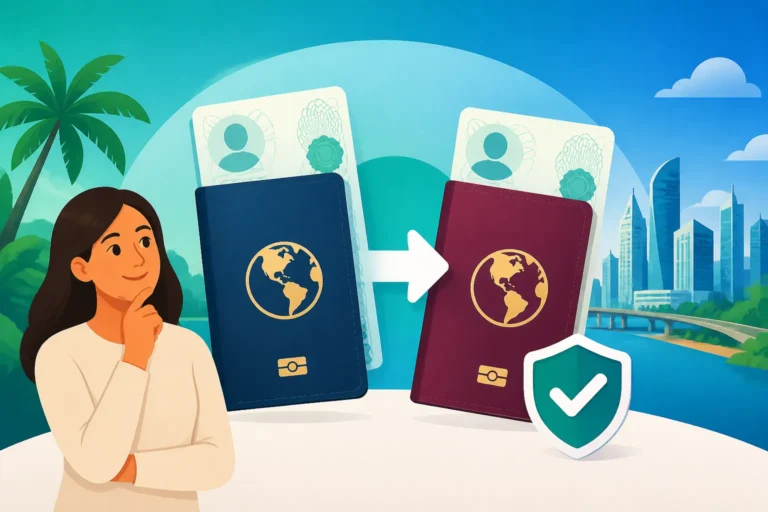
Most expats begin their journey towards a long-term life in Panama with what's called residencia provisional, or provisional residency. Think of this as the training wheels phase. It's a temporary status, typically granted for a period of one or two years, depending on the specific visa program you've applied under. The Friendly Nations Visa, for instance, famously offered a two-year provisional period before transitioning to permanent status (though the rules for new applicants have changed significantly since 2021). Similarly, many of the Qualified Investor visas also start with a provisional phase.
The purpose of provisional residency is twofold: it allows the Panamanian government time to ensure you meet all the long-term requirements and continue to be a suitable resident, and it gives you time to settle in and demonstrate your genuine intent to live in Panama. During this period, you’ll typically receive a temporary cédula, or residency ID card, which will clearly state its expiration date. This stage can feel a bit like living in limbo, constantly aware that your status isn't fully solidified. The clock is ticking, and the ultimate goal is to convert that provisional status into something more enduring. This transition often involves reapplying and providing updated documentation to prove you still meet the initial criteria and haven't violated any immigration laws.
Permanent Residency: The Goal
Ah, residencia permanente – permanent residency. For many expats, this is the brass ring, the coveted status that signifies a truly stable foothold in their new Panamanian life. When you achieve permanent residency, the term "permanent" often suggests an indefinite stay. And indeed, for most purposes, it is. Unlike provisional residency, which has a clear expiration date leading to a reapplication for the next stage, permanent residency itself does not expire. It grants you the right to live and reside in Panama indefinitely.
There are several pathways to obtaining permanent residency. Some, like the Pensionado Visa (Retiree Visa), grant permanent residency from the outset, a significant benefit for those who qualify. Others, as mentioned, involve first obtaining provisional residency and then applying for permanent status after a specified period, typically two years. This shift from provisional to permanent brings a profound sense of relief and security. You no longer have the looming deadline of a complete reapplication for a different status. However, and this is where many expats get tripped up, "permanent" does not mean "set it and forget it." While the right to reside is indefinite, the physical documents that prove your status need regular attention.
How Long Does Permanent Residency Really Last? Maintaining Your Status
So, you’ve got your permanent residency in Panama. Congratulations! But now for the crucial clarification: while your right to live here is permanent, the physical documentation proving that right has an expiry date, and there are conditions you must meet to avoid losing your status. This is a common point of confusion and source of anxiety for many expats, and understanding the nuances is absolutely vital.
The Myth of "Forever": Cedula Renewal and Physical Presence
Many expats, especially those coming from countries with different immigration systems, hear "permanent residency" and breathe a sigh of relief, thinking they’re done with immigration offices forever. Unfortunately, that's a myth that can lead to serious headaches. While your residency status itself doesn't expire, your physical cédula (your national ID card) does.
Initially, your permanent residency cédula might be issued for a period of five years. After that, you’ll typically renew it for ten years. For older residents, there might even be an option for a "permanent" cédula that doesn't show an expiry date, but even then, it's tied to your residency status remaining valid. Renewing your cédula is a relatively straightforward administrative process, much simpler than applying for residency itself. You'll typically need to visit the immigration office (or the Tribunal Electoral for the cédula itself), pay a fee, and provide updated photos and fingerprints. Neglecting to renew your cédula, however, can lead to fines and complications, even if your underlying residency status is technically still active. It’s your primary proof of legal residence, so keep it current!
Beyond the cédula, there's another, often more critical factor: physical presence. For most permanent residency visas in Panama, there is a requirement to maintain a connection to the country. While the specific rules can vary slightly by visa type and are subject to interpretation by immigration authorities, a general guideline that often causes concern is the risk of losing permanent residency if you are absent from Panama for an extended, continuous period. The general rule of thumb for many is not to be outside of Panama for more than two consecutive years.
This "physical presence" requirement is less about counting every single day and more about demonstrating that Panama is indeed your primary place of residence. If you’re genuinely living here, taking trips for a few weeks or months won't be an issue. However, if you spend years abroad without returning, immigration authorities may, in theory, deem that you have abandoned your residency. For those who frequently travel or consider Panama a second home, this can be a real worry. It's why many expats make sure to return to Panama, even for a short visit, within the two-year window to "reset the clock," so to speak. Always keep meticulous records of your entry and exit stamps!
Specific Visa Categories and Their Nuances
While the general principles apply, some residency categories have unique quirks when it comes to duration and maintenance.
The Pensionado (Retiree) Visa: This is arguably one of the most stable and straightforward permanent residency options, and it offers significant peace of mind. The Pensionado Visa grants immediate permanent residency, provided you meet the minimum income requirement from a pension or annuity (currently $1,000 USD per month, plus an additional $250 for each dependent). What's more, for Pensionado residents, the physical presence requirement is generally less stringent than for other visa types. While you still need to renew your cédula, the risk of losing your residency due to extended absence is considerably lower. This makes it an incredibly attractive option for retirees who wish to maintain flexibility for international travel or even spend extended periods outside of Panama. To learn more about this popular pathway, check out The Expat Guide to the Pensionado (Retiree) Visa in Panama.
The Friendly Nations Visa (Pre-2021 Changes): Before the major immigration reforms in August 2021, the Friendly Nations Visa was a golden ticket for many. It allowed citizens from a list of "friendly" countries to obtain provisional residency, which then transitioned to permanent residency after two years. For those who obtained their permanent residency through this route prior to the changes, their permanent status remains intact, subject to the general cédula renewal and physical presence rules. However, for new applicants, the pathway is now different, requiring employment or investment for provisional status. Understanding these historical changes is important, as many long-term expats still operate under the pre-2021 rules. You can delve deeper into this visa by reading Understanding the Friendly Nations Visa in Panama.
The Qualified Investor Visa: This visa offers a pathway to permanent residency through significant investment in Panama, whether in real estate, a reforestation project, or a bank deposit. Like other forms of permanent residency, once granted, your right to reside is indefinite. However, the catch here is the maintenance of your investment. If your residency was tied to a specific real estate purchase, you generally need to maintain ownership of that property. If it was a fixed-term deposit, you need to ensure it remains active for the required period. Failing to maintain the qualifying investment could, in theory, jeopardize your residency status. For a broader overview of how to secure your long-term stay, consult How to Get Residency in Panama: The Full Guide.
Here's a quick comparison of the common residency types and their renewal/maintenance aspects:
| Residency Type | Initial Duration | Renewal Schedule (Cédula) | Key Maintenance Requirement | Physical Presence |
|---|---|---|---|---|
| Provisional (e.g., FNV prior to 2021) | 2 years | After 2 years, transition to permanent | Meet initial visa conditions, apply for permanent | Generally expected to reside in Panama |
| Permanent (e.g., FNV post-provisional) | Indefinite | 5 years, then 10 years, then potentially permanent for seniors | Renew cédula, generally return to Panama within 2 years | Expected to show continued ties/residence in Panama |
| Pensionado (Retiree) | Indefinite | 5 years, then 10 years, then potentially permanent for seniors | Maintain minimum pension income ($1,000/month + dependents) | Less stringent; frequent travel or longer absences tolerated |
| Qualified Investor | Indefinite | 5 years, then 10 years, then potentially permanent for seniors | Maintain qualifying investment (property, deposit, etc.) | Generally return to Panama within 2 years |
Remember, while the table gives a good overview, immigration laws can be complex and are subject to change. Always consult with a qualified Panamanian immigration lawyer for personalized advice.
What Happens If You Don't Maintain Your Residency? Risks and Repercussions
The last thing any expat wants to face is the possibility of losing the residency they worked so hard to obtain. Unfortunately, failing to adhere to the maintenance requirements can lead to severe consequences. It’s crucial to understand these risks so you can proactively protect your status.
Losing Your Permanent Residency Status: The Hard Truth
Permanent residency in Panama, despite its name, is not an unbreakable shield. There are specific circumstances under which it can be revoked by the National Immigration Service (SNM). The most common reason, as discussed, is prolonged absence from the country. If you stay outside of Panama for more than two consecutive years without prior notification or justification to immigration authorities, your permanent residency could be deemed abandoned. While the SNM generally doesn’t actively hunt down expats who have left, if you attempt to re-enter Panama after a significant absence, you might find your residency challenged or even cancelled at the border. This could lead to being denied entry or, at best, having to re-enter as a tourist and restart your immigration process from scratch.
Other reasons for revocation, though less common for most law-abiding expats, include engaging in criminal activity in Panama, providing fraudulent information during your application, or failing to meet specific conditions of your visa (such as maintaining your investment for the Qualified Investor Visa). The Panamanian government has the right to protect its borders and ensure that residents are contributing positively to society. The thought of losing your status can be terrifying, especially if you've built a life here, bought property, or have family in Panama. This is why staying informed and compliant is not just a recommendation, it's a necessity. For detailed guidance on how to secure your long-term status, refer to How to Apply for Permanent Residency in Panama.
Reapplying or Changing Status: When Things Go Wrong
If you find yourself in the unfortunate position of having your permanent residency challenged or revoked, the situation isn't necessarily hopeless, but it will be incredibly difficult and expensive to remedy. Trying to reapply for the same type of residency after revocation is often a non-starter, as you've essentially proven that you couldn't maintain the previous one. However, depending on your circumstances, you might be able to apply for a different type of visa if you meet its specific requirements (e.g., if you now qualify for the Pensionado Visa).
The key takeaway here is that prevention is infinitely better than cure. If you anticipate needing to be away from Panama for an extended period, or if you're unsure about any aspect of your residency maintenance, your very first step should be to consult with a qualified Panamanian immigration lawyer. They can advise you on the specific rules pertaining to your visa, help you understand the risks, and potentially guide you through any necessary administrative steps to mitigate problems. Trying to navigate this complex legal landscape alone after a revocation notice is a recipe for disaster. This is precisely why Understanding Why You Need a Panamanian Lawyer for Residency is such an important read.
Practical Advice for Expats: Staying Compliant and Stress-Free
Living in a foreign country comes with its unique set of challenges, and immigration matters are often at the top of that list. While the thought of constantly monitoring your residency status might seem daunting, with a proactive approach and the right mindset, you can navigate these requirements with minimal stress.
Staying Organized and Informed
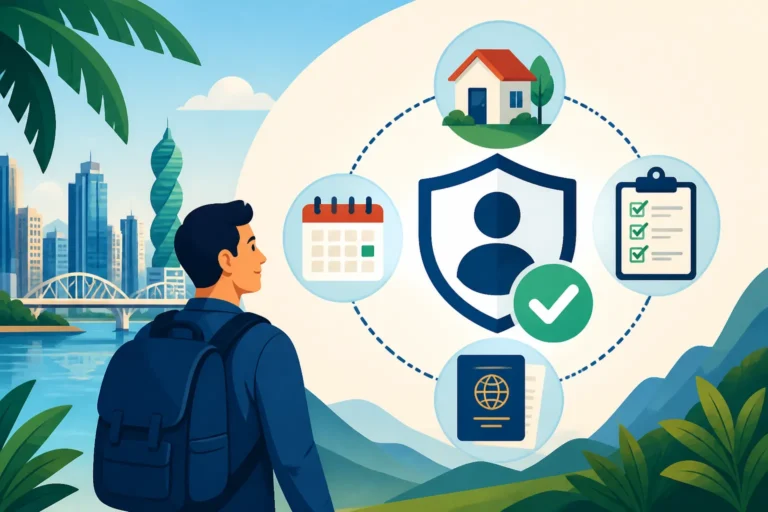
One of the simplest yet most effective ways to ensure your residency lasts indefinitely is to be meticulously organized. This starts from day one. Keep physical and digital copies of every single document related to your visa application, residency approval, and cédula renewals. This includes copies of your passport, all immigration stamps, receipts for fees paid, and any official correspondence from the National Immigration Service. When you are packing up your life and moving, perhaps with the help of an international moving service like Sirelo, ensure that these critical documents are kept separate and easily accessible. They are, after all, the keys to your life in Panama!
Beyond organization, staying informed is paramount. Panamanian immigration laws, like those in any country, can and do change. What was true yesterday might not be true tomorrow. While official government websites are a starting point, they can often be challenging to navigate and might not always reflect the latest practical interpretations. This is where a reliable Panamanian immigration lawyer becomes invaluable. They are up-to-date on all legislative changes and can provide specific advice tailored to your situation. Don't rely solely on expat forums for legal advice, as well-meaning as they may be; regulations can be interpreted differently, and what applies to one person might not apply to another. Regularly checking in with your lawyer, especially as renewal dates approach, can save you a world of trouble. Furthermore, understanding the nuances of how to get all your paperwork correctly certified, as explained in Understanding Document and Apostille Requirements for Panama Immigration, is a fundamental skill for any expat dealing with official processes.
Set up reminders for important dates: your cédula expiry, the two-year mark for physical presence if applicable to your visa, and any other specific conditions of your residency. A simple digital calendar notification can prevent a costly oversight.
Planning for the Long Haul
Moving to Panama and securing your residency is a significant life decision, and it requires a long-term perspective. Beyond the legalities, think about how your life here will evolve. Having international health insurance, perhaps with a reputable provider like Cigna Global, can provide significant peace of mind, knowing that whatever medical emergencies arise, your focus can remain on your health rather than on navigating an unfamiliar healthcare system and worrying about your residency.
Consider the emotional and practical aspects of living abroad. Bureaucracy, even after residency is secured, can be a source of frustration. Building a strong support network of fellow expats and local friends can be incredibly helpful for sharing experiences and getting practical tips. Remember the reasons you chose Panama in the first place, and keep those goals in sight. Whether you're here for retirement, a new career, or a different pace of life, proactively engaging with the local community and embracing the culture will enrich your experience and solidify your connection to the country. For a broader perspective on settling in, explore The Complete Guide to Moving to Panama: Your First 90 Days and Understanding How to Move to Panama Legally from Abroad. By being prepared, organized, and engaged, your "permanent" residency in Panama can truly be a lifelong journey.
Disclaimer
The information provided in this guide is for general informational purposes only and does not constitute legal or immigration advice. Panamanian immigration laws are complex and subject to change. It is essential to consult with a qualified Panamanian immigration attorney for advice tailored to your specific situation and current regulations. While every effort has been made to ensure accuracy, we cannot guarantee that the information is free from errors or omissions.