What Documents Prove My Residency in Panama?
Landing in a new country like Panama, you quickly learn that proving who you are and where you belong is a constant battle, especially when you're trying to integrate into local life. It's not just about having a visa; it's about having the right documents to confirm your legal status. This guide is here to untangle the bureaucratic knots and clearly lay out which documents truly prove your residency in Panama, helping you navigate everything from opening a bank account to accessing services without the usual expat headaches.
Your Cedula E: The Unquestionable Proof of Panamanian Residency
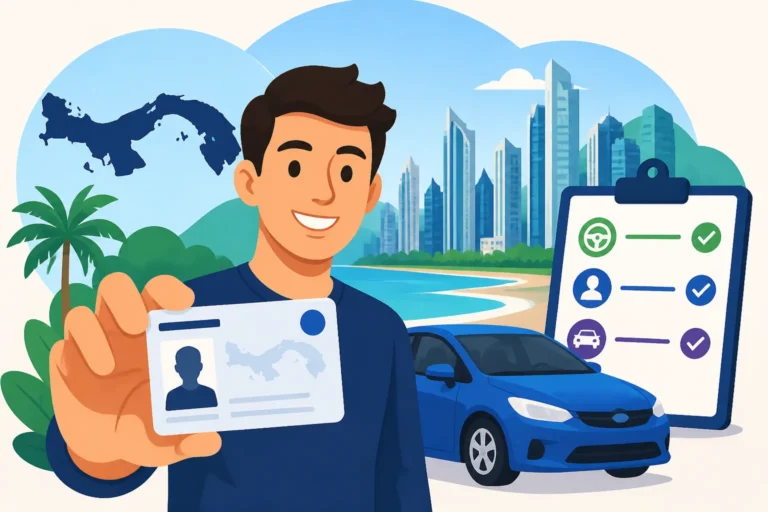
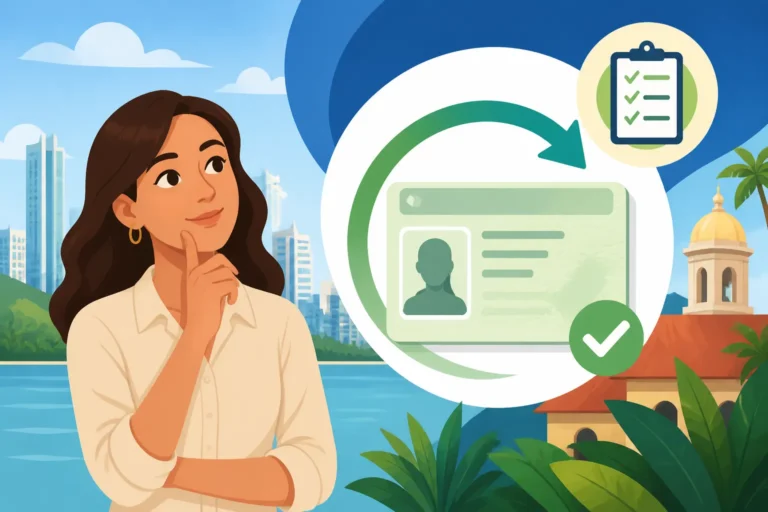
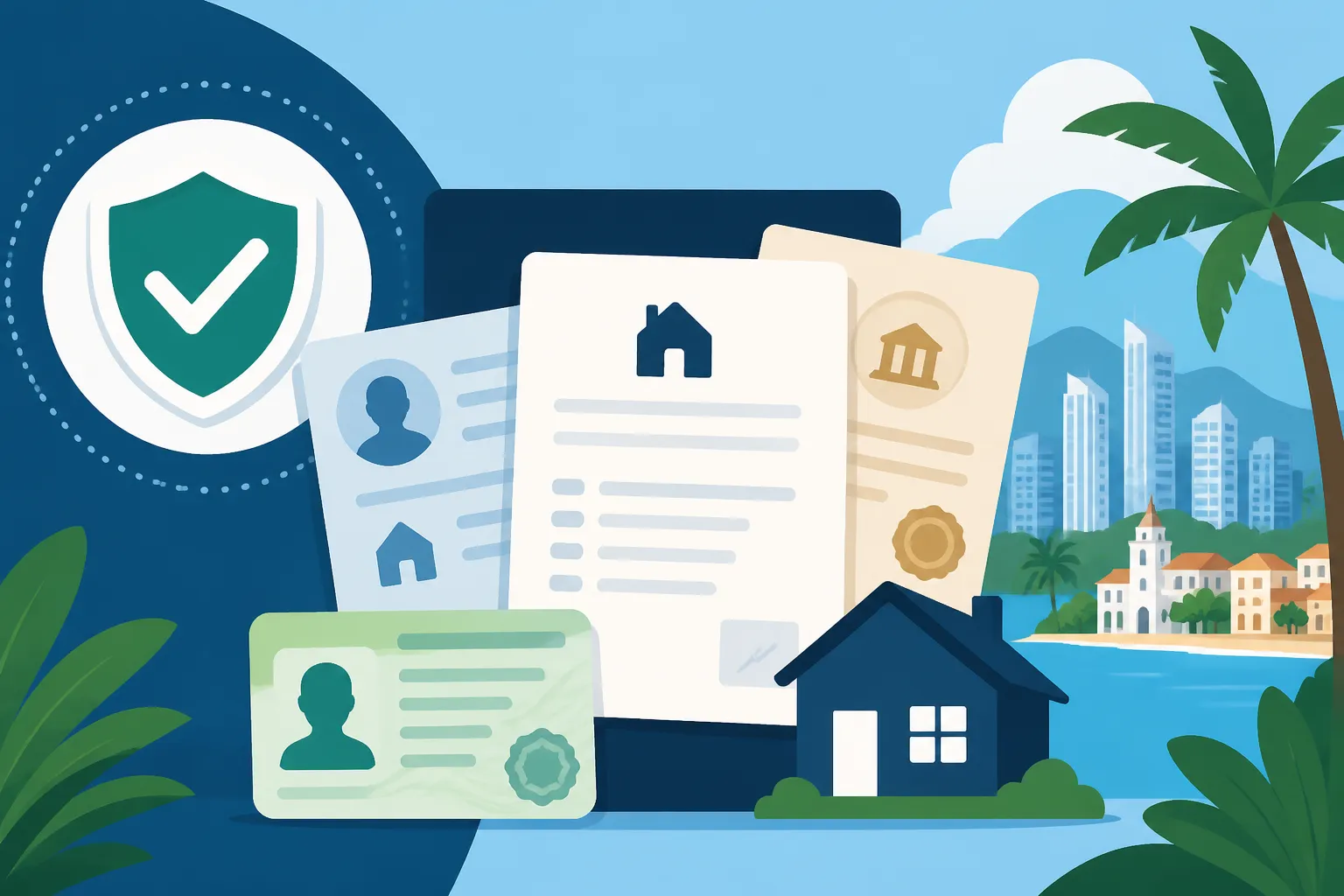
When it comes to solid proof of your legal right to call Panama home, nothing quite beats the cédula E, or the "E-category" national identification card. This little card, resembling a driver's license, is more than just an ID; it's your primary and most recognized evidence of permanent residency here. Every time you're asked for identification or proof of status, this is the document you'll be reaching for.
What Exactly Is a Cedula E and Why Is It So Important?
The cédula de identidad personal, specifically the "E" series for foreigners with permanent residency, is your golden ticket. Think of it as the Panamanian equivalent of a green card or a national ID card that explicitly states your permanent resident status. It features your photo, full name, cédula number, date of birth, and most importantly, your residency type. The "E" category designates you as a permanently registered foreigner, distinguishing it from cédulas issued to Panamanian citizens (usually "N" for Nacimiento – birth) or even temporary residents.
This card is absolutely indispensable. Without it, you’ll find simple tasks become frustratingly complex. Banks will require it for almost any significant transaction beyond basic withdrawals. Government offices, whether you're trying to How Do I Get a Driving Licence with My Residency in Panama?, register for social security, or even just inquire about taxes, will invariably ask for your cédula E. It’s not just a convenience; it's a legal requirement for many aspects of daily life, acting as the bedrock of your official identity in Panama. It tells everyone you encounter that you're not just a tourist passing through, but a fully recognized, contributing member of the Panamanian resident community.
The Process of Obtaining Your Cedula E and What to Expect
Ah, the cédula journey. It's often a saga of patience, paperwork, and multiple trips to various offices, but the reward is immense. Once your permanent residency application has been officially approved by the National Immigration Service (Servicio Nacional de Migración), you'll receive a Resolución (which we'll discuss more below) confirming your new status. This Resolución then becomes the key document you need to take to the Electoral Tribunal (Tribunal Electoral) to apply for your cédula E.
The process at the Tribunal Electoral involves fingerprinting, digital photography, and verifying all your personal details. You'll submit your Resolución, passport, and often other supporting documents like your marriage certificate (if applicable) and a recent utility bill to confirm your address. It's usually a fairly streamlined process once you get to the front of the queue, but expect waiting times. The good news is that once you’ve completed this step, they’ll typically issue you a temporary paper cédula or provide an estimated date for when your physical card will be ready for pick-up. This temporary paper cédula, while not ideal, can serve as proof in the interim. Remember, even with lawyers handling your residency process, the cédula itself requires your personal presence for biometric data collection. Many expats have described the feeling of finally holding their cédula E as a true milestone, solidifying their place in Panama.
Keeping Your Cedula Valid: Renewal and What to Do If It's Lost
Like many official documents, your cédula E isn't forever; it has an expiration date, usually tied to the expiry of your passport. It's crucial to keep track of this date because letting it expire can lead to unnecessary complications and delays. The renewal process involves returning to the Tribunal Electoral with your expiring cédula, a valid passport, and sometimes updated proof of address or income. It's generally less arduous than the initial application, but still requires attention to detail.
What if your cherished cédula E goes missing? Panic is a natural first reaction, but swift action is key. First, report the loss or theft to the police (Policía Nacional) immediately to get a police report (denuncia). This document is absolutely vital. Then, armed with your police report and your passport, you’ll head back to the Tribunal Electoral to apply for a replacement. They will verify your identity using your existing records and the police report. While inconvenient and potentially costly, replacing a lost cédula is a standard procedure. Having a digital copy and a physical photocopy of your cédula stored separately from the original can be a real lifesaver in such situations, allowing you to show temporary proof while awaiting your replacement. And speaking of keeping documents safe, it's a good reminder to secure all your important papers, especially if you're using services like Sirelo to help you relocate your belongings – you want these crucial identification documents with you at all times.
Beyond the Cedula: Essential Supporting Documents for Your Residency
While the cédula E is your ultimate proof, there are other documents that play supporting roles, particularly during the interim period before your cédula is issued, or in specific bureaucratic situations where a more detailed history of your residency is required. These documents help tell the complete story of your legal status in Panama.
The Crucial "Resolución" or Resolution Document
Before your cédula E ever sees the light of day, you'll receive a document from the National Immigration Service called a Resolución. This official paper, often several pages long, is the ministerial resolution that officially grants you permanent residency in Panama. It details the legal basis for your residency (e.g., Friendly Nations Visa, Pensionado Visa, or Qualified Investor program), your personal information, and the date your residency was approved. In essence, it's the government's formal decree confirming your new status.
This Resolución is incredibly important, especially in the period between getting your immigration approval and actually receiving your physical cédula E. Many institutions, particularly banks like Banco General or Banistmo, and other government agencies, will accept the Resolución (along with your passport) as proof of your legal residency. It's the document that bridges the gap, allowing you to start setting up vital services like opening a bank account in Panama or registering for utilities. Always keep the original Resolución in a safe place and have multiple certified copies readily available. Some expats even carry a laminated copy, though the original is usually required for official verification. It's the official record that validates your status, often referenced when you How Do I Apply for Permanent Residency in Panama or when clarifying any discrepancies.
Passport Stamps and Your Temporary Residency Card
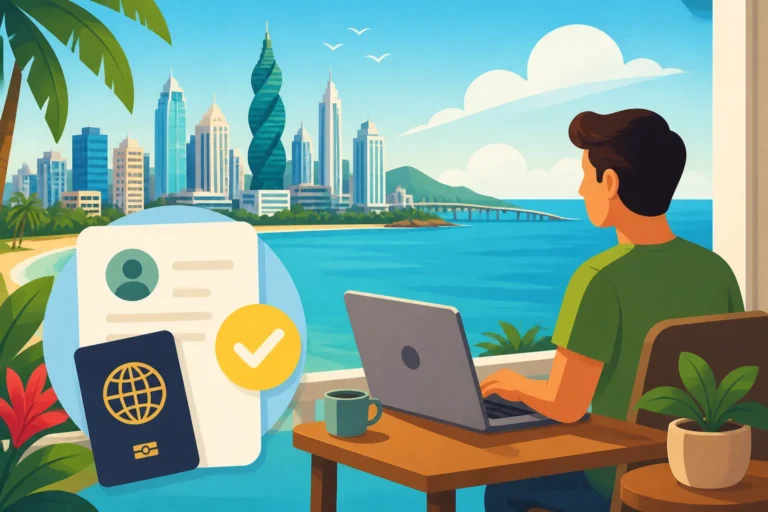
Your passport, naturally, plays a continuous role in proving your identity and status. When you first arrive in Panama and during the initial stages of your residency application, your passport will contain the stamps that mark your entry and, crucially, any temporary visas or permits. For those applying for residency, the National Immigration Service will often stamp a temporary residency sticker or stamp directly into your passport. This sticker or stamp acts as your primary proof of provisional residency during the processing period of your permanent status. It typically states the type of residency you've applied for (e.g., "Residente Provisional por un Año" – Provisional Resident for One Year) and its validity period.
This temporary passport stamp is invaluable for proving your legal presence and status, particularly if you need to travel in and out of Panama during the application phase. Immigration officials at Tocumen International Airport will rely on this stamp to allow your re-entry. However, it's important to understand that this is provisional. It doesn't grant you all the same rights as a permanent cédula E, nor is it as universally recognized. Once your permanent residency is approved and you receive your Resolución, that temporary stamp is effectively superseded by your new, more permanent status. Still, keep your passport updated and ensure all stamps are clear and legible.
Auxiliary Proof: Utility Bills, Bank Statements, and Local Contracts
While not primary documents to prove your legal residency status, utility bills, bank statements, and local contracts can serve as powerful auxiliary evidence, especially in day-to-day scenarios where a quick confirmation of your address or local ties is needed. These documents show that you are physically residing in Panama and actively participating in the local economy and community.
For instance, when you're setting up internet or cable television with providers like Cable Onda or Tigo, they might ask for a utility bill in your name as proof of address. Similarly, a local bank statement, showing transactions within Panama, further cements your presence. These aren't just pieces of paper; they are tangible records of your integration into Panamanian life. Even simple rental contracts or service agreements can indirectly support your residency claim by demonstrating a long-term commitment to living in the country. They show you're not just passing through, but you're here to stay, with a home and local financial activity. These documents become particularly useful when you're asked to How Do I Register with the DGI in Panama for tax purposes or any situation where demonstrating a physical presence is critical, especially when combining them with your official cédula E.
Practical Scenarios: When and Where You'll Need to Show Your Residency Proof
Understanding which documents prove your residency is one thing; knowing when and where to present them is another. As an expat in Panama, you'll encounter numerous situations, both mundane and critical, where you'll need to flash your credentials. Being prepared with the right document can save you time, frustration, and a lot of explanation.
Everyday Transactions and Engaging with Panamanian Bureaucracy
Get ready to show your cédula E frequently. For many expats, the initial shock is how often official ID is requested for things that might seem trivial back home. For instance, picking up a registered package at the post office, going to a notary for any legal document signing, or even just checking into some hotels might require your cédula E. It’s the standard form of identification. If you're looking to open a new account or renew an existing one at financial institutions like Global Bank, the cédula E (or your Resolución and passport if you're newly approved) will be paramount.
Any dealings with government agencies are almost guaranteed to require your residency proof. This includes everything from registering a car or renewing your driver's license (after you've completed the How Do I Get a Panamanian Driver's Licence? process) to handling property taxes. Without your cédula E, or at least your Resolución and passport, you'll often hit a brick wall. This is where keeping those certified copies handy can really pay off. The Panamanian bureaucratic system relies heavily on official documentation, and your residency proof is at the top of that list. Being polite, patient, and prepared with the correct documents will make these interactions much smoother.
Traveling In and Out of Panama as a Resident
This is a scenario where your residency proof is non-negotiable. When you're departing or re-entering Panama, immigration officials will scrutinize your documents. While your foreign passport identifies your nationality, it's your cédula E (or your temporary residency stamp in your passport if you're provisional) that confirms your right to reside in the country. Always carry both your valid passport and your cédula E when traveling internationally.
If you only have provisional residency, your passport with the valid temporary sticker is crucial for re-entry. Immigration officers will check the expiry date on that sticker just as meticulously as they would a visa. Failing to present proper proof of residency upon re-entry can lead to extensive questioning, delays, or even denial of entry until your status is clarified. For this reason, many expats recommend against international travel during critical phases of your residency application, especially after your temporary visa expires but before your permanent cédula E is issued. Make sure your documents are always valid and up-to-date before planning any international trips. This is a critical point that can sometimes catch new residents off guard, leading to unexpected stress at the border.
Accessing Public and Private Services
Once you're a legal resident, you'll want to access the various services available in Panama, both public and private. For instance, enrolling your children in local schools (whether private or public) will require proof of your family’s residency status. When you're looking to How Panama's Health System Works: CSS and Private Care Explained (2027), having your cédula E is essential for registering with the Caja de Seguro Social (CSS) or even for signing up for private health insurance plans. Companies like Cigna Global will need to verify your residency status to ensure you qualify for certain expat-specific plans designed for long-term residents.
Even less critical services, like setting up a new phone contract, might ask for your cédula E. It's about establishing your identity and demonstrating that you're a legitimate, long-term customer or service user. This allows you to integrate fully into the Panamanian system, enjoy the benefits of residency, and avoid being treated as a short-term visitor. Without this proof, you might find yourself limited to tourist-tier services or simply unable to access certain benefits reserved for residents.
Navigating Challenges: Troubleshooting Common Residency Proof Issues
Let's be real, expat life is full of unexpected twists, and sometimes that means dealing with lost documents, expiring cards, or being stuck in that "in-between" stage of provisional residency. These aren't just minor inconveniences; they can bring your life to a standstill if not addressed promptly. Having a plan for these hiccups is part of becoming a seasoned expat in Panama.
Dealing with Expired or Missing Documents
An expired cédula E or a missing Resolución can be a major headache. If your cédula has expired, renew it as soon as possible at the Tribunal Electoral. Operating with an expired ID can cause issues with banks, service providers, and even legal processes. Some institutions might simply refuse service if your cédula is out of date. The penalties for late renewal are usually financial, but the bigger cost is often the lost time and missed opportunities due to inaccessible services.
If a document like your Resolución is missing, and you don't have certified copies, you'll need to go back to the National Immigration Service to request a new certified copy. This can be a lengthy process, so it underscores the importance of proper document management. For a lost or stolen cédula, as mentioned, the police report is your first step. Remember that patience is your strongest ally when navigating these bureaucratic waters. Don't be afraid to ask for clear instructions and double-check requirements before making a trip to an office.
The Provisional Period: What to Use Before Your Permanent Cedula
Many expats find themselves in a limbo phase, having been approved for residency but still waiting for their permanent cédula E. This is the provisional period, and it can be confusing. During this time, your main proofs will be your valid passport with the temporary residency stamp or sticker, and the official Resolución document from Immigration. It's crucial to understand that not all entities will accept the provisional status with the same ease as a permanent cédula E.
You might find that some banks are hesitant to process certain transactions, or certain government services are harder to access. However, for most essential services like setting up utilities or basic banking, the combination of your passport and Resolución should suffice. Always carry both. It's a testament to your legal process, demonstrating that you are actively working towards permanent residency. It's also vital to keep track of the expiry date on any temporary sticker in your passport, as this directly affects your ability to legally remain in the country and re-enter if you travel. Getting to know the nuances of Understanding the Path from Temporary to Permanent Residency in Panama can really help manage expectations during this period.
Best Practices for Document Management and Safekeeping
Protecting your residency documents is paramount. Here are a few best practices:
- Physical Originals: Keep your original cédula E, passport, and Resolución in a secure, fireproof location at home, only taking them out when absolutely necessary.
- Certified Copies: Obtain several certified copies (copias autenticadas) of your Resolución and cédula E from a notary public. These are often accepted where an original isn't strictly required, such as for rental agreements or certain registrations.
- Digital Copies: Scan all your essential documents and save them in a secure cloud storage service (e.g., Google Drive, Dropbox, encrypted USB drive). This way, if physical documents are lost or stolen, you have accessible backups.
- Emergency Contact Information: Keep a list of emergency contacts, including your lawyer and relevant government offices, along with your cédula number, separate from your documents.
- Travel Prep: When traveling, make sure your passport and cédula E are not stored together in case of theft. Keep them in separate, secure compartments or with different travel companions. This small step can save you immense grief.
- Regular Review: Periodically check the expiry dates on all your documents, especially your passport and cédula E, to avoid last-minute rush renewals.
Following these tips can significantly reduce stress and help you maintain uninterrupted access to all the services and freedoms that come with being a legal resident in Panama.
Here’s a quick overview of the key documents and their uses:
| Document Type | Primary Use | Secondary Use | Issued By | Key Feature(s) |
|---|---|---|---|---|
| Cédula E | Primary proof of Permanent Residency, ID card | Opening bank accounts, driving license, administrative tasks | Tribunal Electoral | Photo, cédula number, expiry, "E" designation |
| Resolución | Official grant of Permanent Residency | Interim proof before cédula, legal confirmation | Servicio Nacional de Migración | Legal decree, specifies residency type/basis |
| Passport | National identity, international travel | Entry/exit stamps, temporary residency sticker | Your country's passport authority | Photo, nationality, biometric data, visa stamps |
| Temporary Residency | Proof of provisional status during application | Re-entry to Panama during processing | Servicio Nacional de Migración (stamp in passport) | Valid for specific period, provisional status |
| Utility Bills | Proof of address | Establishing local ties | Utility companies (electricity, water, internet) | Your name & address, billing history |
| Bank Statements | Proof of financial activity, address | Credit applications, financial verification | Panamanian banks | Account details, transaction history, address |
Disclaimer
Please remember that immigration laws and administrative processes in Panama can change. The information provided in this guide is for general informational purposes only and does not constitute legal advice. It is always recommended to consult with a qualified Panamanian immigration lawyer or the official Servicio Nacional de Migración for the most current and personalized advice regarding your specific residency situation and documentation requirements.