How Do I Get Permanent Residency in Panama?
Ah, the big question, isn't it? How do I actually get permanent residency in Panama? If you're anything like I was when I first started looking into this, you're probably feeling a mix of excitement, hope, and a healthy dose of dread at the sheer mountain of paperwork and official processes ahead. Trust me, it’s a journey, not a sprint, and there will be moments when you want to pull your hair out. But here's the good news: Panama wants you here, and there are well-established paths to permanent residency. This guide is going to walk you through those paths, the nitty-gritty of the application process, and what you need to keep in mind once you’ve got that coveted status.
Understanding the Avenues to Permanent Residency in Panama
When it comes to putting down roots in Panama for good, there isn't just one golden ticket. The Panamanian government has created several different categories of visas and residency programs, each designed to attract different types of foreign residents. It’s about finding the one that best fits your personal situation, whether you're looking to retire, invest, or bring your skills to the local economy. Navigating these options can feel a bit like reading a foreign language textbook, so let's break down the most common and accessible routes that lead to permanent residency here.
The Friendly Nations Visa: A Popular Path
For a long time, the Friendly Nations Visa was arguably the most popular and straightforward path for citizens from certain countries to gain permanent residency in Panama. While the requirements have seen some adjustments over the years – and boy, do they love to tweak things here! – it remains a viable option for many. Originally, this visa was incredibly easy: show you're from one of the "friendly nations," prove economic solvency by opening a bank account, and boom, you were pretty much set.
After updates, the Friendly Nations Visa now typically requires a bit more than just opening a bank account. You usually need to establish an economic link to Panama, meaning you'll need to either purchase real estate in Panama with a value of at least $200,000, have a job offer from a Panamanian company, or incorporate a Panamanian company and be able to demonstrate its economic activity. This shift has made it a bit more involved, but it still caters to a broad demographic looking to relocate. For instance, if you're an American or Canadian considering a move, getting a legitimate job offer from a local company or setting up a small business, even a consulting one, could qualify you. Don't underestimate the legwork involved in finding that job or properly incorporating a business, but it's totally doable. The upside is that once approved, this visa directly leads to permanent residency, giving you the peace of mind that comes with long-term stability. If you're curious about the specifics, you can dive deeper into Understanding the Friendly Nations Visa in Panama (2027) for all the details.
The Pensionado (Retiree) Visa: For the Silver Fox Expats
If you're eyeing Panama as your retirement haven, the Pensionado Visa is probably the shining star of the show. This visa is specifically designed to attract retirees and offers some truly appealing benefits, making it one of the best retirement programs globally. The main requirement is fairly simple on paper: demonstrate a lifetime pension or annuity that provides a minimum income of $1,000 USD per month. If you're bringing a spouse, you typically need an additional $250 USD per month for their support.
What makes this visa so fantastic isn't just the ease of qualifying, but the perks that come with it. Think discounts on everything from medical services, electricity bills, and flights, to movies and restaurants. It's Panama's way of saying, "Thank you for choosing us!" Countless expats, many of whom made their move with trusted international movers like Sirelo, happily settling into communities in places like Boquete or Coronado, enjoying these benefits immensely. For someone on a fixed income, those discounts truly add up and improve your quality of life. Plus, it's a direct route to permanent residency. It’s an incredibly popular option, and for good reason. For a more exhaustive rundown, check out The Expat Guide to the Pensionado (Retiree) Visa in Panama (2027).
Qualified Investor Visas: Golden Opportunities
Panama is also keen on attracting foreign investment, and for those with more substantial capital, there are several "Qualified Investor" programs, often informally referred to as "Golden Visas." These programs offer an accelerated path to permanent residency in exchange for a significant investment in the Panamanian economy. We're talking about options like investing in real estate, purchasing Panamanian government bonds, or making a deposit in a Panamanian bank.
For example, the real estate investment option typically requires purchasing property valued at least at $300,000. This amount can fluctuate, so always get the latest figures. Another popular route is investing in a Panamanian stock market security for a certain amount or depositing a significant sum in a fixed-term deposit with a local bank. These options are perfect for individuals who have the financial means and are looking for a relatively quick and secure way to establish residency. The process, while still requiring due diligence and legal guidance, is often streamlined. It's a fantastic option for those who want to integrate financially into Panama and gain permanent residency without the need for a job or a traditional pension. If you have the capital, this can be a very direct route. You can find more comprehensive details on these programs in Understanding the Qualified Investor (Golden Visa) Programme in Panama.
Other Less Common Routes
While the Friendly Nations, Pensionado, and Investor visas cover the vast majority of expats seeking permanent residency, there are a few other, less frequently used, paths. These often cater to very specific circumstances:
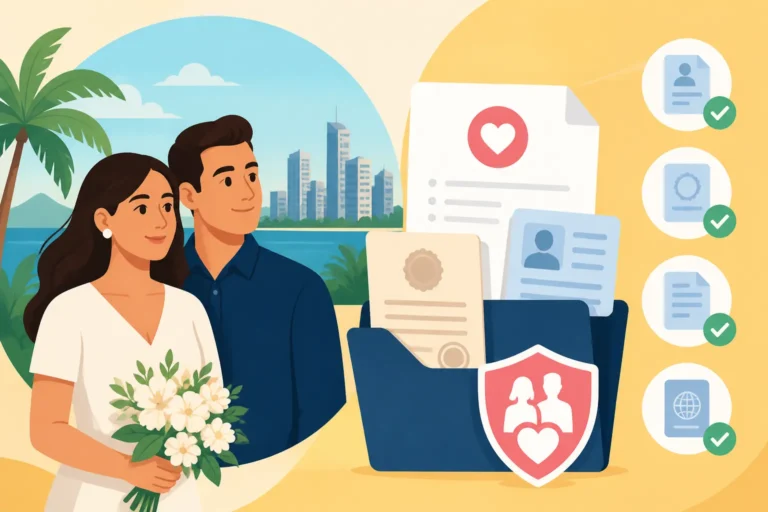
- Married to a Panamanian Citizen: If you're lucky enough to have found love with a Panamanian, this is a direct, albeit sometimes lengthy, path. The process involves demonstrating the legitimacy of the marriage, which means a lot of documents and interviews, but it's a solid route to permanent residency and eventually, citizenship.
- Parents of Panamanian Citizens: If you have a child born in Panama, this can also open a path to residency for the parents. Again, the focus is on proving the familial link and commitment to living in Panama.
- Reforestation Visa: This program involves investing in a reforestation project in Panama. While it sounds appealing to the eco-conscious, the investment amount is substantial, and you need to be very careful to choose a legitimate and well-managed project to ensure your investment actually qualifies you. It's less common because of the specialized nature of the investment.
- Specific Professional Visas: For certain professions deemed critical to Panama's development (like some specialized engineers or doctors), there can be pathways, but these are highly regulated and often require strong local sponsorship and recognition of foreign qualifications. This is not a general route but one for very specific skilled individuals.
Each of these paths has its own unique set of requirements and timelines. It's crucial to understand which one applies to you and to gather the right documentation from the start to avoid frustrating delays.
The General Requirements and Application Process
No matter which path to permanent residency you choose in Panama, there are some fundamental commonalities in the application process. Think of it as a series of hurdles that everyone has to clear, regardless of their visa type. This is where meticulous planning and attention to detail become your best friends. Panamanian bureaucracy, while generally navigable, thrives on complete and accurate paperwork. Don't assume anything, and always double-check.
Essential Documents You'll Need
Gathering documents is usually the first major task, and it's where many people stumble. It’s not just about having the documents, but having them in the correct format. This often means apostilles, translations, and certifications. Here’s a general rundown of what you’ll likely need:
- Passport: Of course, a valid passport is non-negotiable. Ensure it has at least six months validity remaining. You’ll need copies of every page, notarized by a Panamanian notary public. Yes, every single page, even the blank ones!
- Police Clearance Certificate: This is a big one. You’ll need a criminal record check from your country of origin (and any other country you've lived in for more than two years over the last five years). This document needs to be apostilled. The apostille process can take time, so start early! For more on this, check out Understanding Document and Apostille Requirements for Panama Immigration.
- Medical Certificate: A Panamanian doctor must issue this. It's usually a simple check-up to confirm you're in good health and free of contagious diseases. You can't get this done before you arrive in Panama, so factor that into your timeline.
- Five Passport-Sized Photos: Make sure they meet standard passport photo specifications: white background, full face, no glasses (unless for medical reasons).
- Proof of Economic Solvency: This is where the specific visa type comes into play. For the Pensionado, it's your pension letter. For Friendly Nations, it could be a bank statement, property title, or employment contract. For investors, it's proof of your investment.
- Letter of Repatriation: This is a signed letter stating that the Panamanian government has permission to repatriate your remains to your home country in the event of your death. It sounds grim, but it's a standard requirement.
- Notarized Copies of Everything: Expect to have copies of almost all your documents notarized by a Panamanian notary. Your immigration lawyer will guide you on this, but it’s an extra step and cost to anticipate.
Remember, every document that's not in Spanish will need an official translation done by a certified public translator in Panama. This adds another layer of cost and time. It's a tedious process, but getting it right from the beginning will save you immense headaches later.
The Step-by-Step Filing Journey
Once you have your documents in order, the actual filing process begins. While specific steps can vary slightly by visa, the general flow looks something like this:
- Entry to Panama: You usually enter Panama as a tourist. This allows your immigration lawyer to start preparing your dossier while you are physically in the country.
- Gather & Legalize Documents: This involves collecting all the necessary documents, getting them apostilled (if from abroad), translated, and then notarized in Panama. Your lawyer will guide you through getting the Panamanian-specific documents, like the medical certificate.
- Submit Application: Your lawyer will formally submit your application to the National Immigration Service (Servicio Nacional de Migración). At this point, you'll pay various government fees. You’ll also get a provisional residency card or stamp, which allows you to stay in the country legally while your application is processed. This is usually valid for a year.
- Interviews (Sometimes): While not always required for every visa type, you might be called for an interview with an immigration official. This is usually straightforward, verifying the information in your application.
- Approval of Provisional Residency: Once your initial application is reviewed and approved, you'll be granted provisional residency, often for a year or two.
- Application for Permanent Residency: After your provisional period, your lawyer will file for permanent residency. This often involves re-submitting updated versions of some documents, such as a new police clearance certificate or bank statements.
- Approval of Permanent Residency & Cedula: Once approved, you'll receive your permanent residency card, known as a cédula. This is your official ID as a permanent resident in Panama and is a huge milestone!
This entire process, from initial submission to receiving your permanent cédula, can take anywhere from 6 months to 2 years, sometimes even longer depending on the visa category and the current backlog at immigration. Patience is definitely a virtue when dealing with Panamanian bureaucracy. You can learn more about the timelines and costs in Understanding the Cost and Timeline of the Panama Residency Process.
The Role of a Panamanian Immigration Lawyer
Let me be absolutely crystal clear on this: do not attempt to get permanent residency in Panama without a reputable Panamanian immigration lawyer. I cannot stress this enough. While it might seem like an added expense, it is an essential investment that will save you time, stress, and potentially costly mistakes.
An experienced lawyer will:
- Assess your eligibility: They'll help you identify the best visa category for your situation.
- Guide document gathering: They know exactly what documents are needed, which need apostilles, and which need translations. They can also connect you with certified translators.
- Navigate the bureaucracy: They understand the nuances of the National Immigration Service, the specific forms, and the correct order of operations. They know how to speak the "government language."
- Represent you: They will submit your application, follow up, and act as your official representative. This is invaluable, as direct interaction with immigration officials can be challenging without fluent Spanish and an understanding of the system.
- Troubleshoot problems: If there's an issue with your application, they are the ones who can address it and guide you on how to rectify it.
Choosing the right lawyer is paramount. Ask for recommendations, check reviews, and ensure they are responsive and clear about their fees. A good lawyer will be upfront about the process, costs, and potential challenges. For a deep dive into why this is so critical, definitely read Understanding Why You Need a Panamanian Lawyer for Residency.
Maintaining Your Permanent Residency Status
Getting your permanent residency card is a massive achievement, but it's not a "set it and forget it" situation. Like many countries, Panama has certain expectations for its permanent residents, primarily concerning your presence in the country and the occasional renewal of your physical card. Understanding these ongoing requirements is crucial to ensure you don't inadvertently jeopardize your hard-earned status.
Understanding Residency Renewal and Travel
Once you have permanent residency, your cédula (ID card) will typically have an expiration date. Initially, it might be valid for a few years, perhaps five or ten. When it expires, you'll need to go through a renewal process. This is usually much simpler than the initial application and involves updating some documents, like a new police check or a recent medical certificate, and paying a fee. Your immigration lawyer will handle this renewal for you, ensuring that you maintain your legal status. It’s essentially confirming that you’re still a good standing resident of Panama. More detailed guidance can be found in How to Renew Your Residency in Panama.
Regarding travel, permanent residency generally allows you to enter and exit Panama freely. However, there's often a misconception that you can just disappear for years and come back. Most permanent residency programs have an implicit or explicit requirement that you maintain a connection to Panama. While there isn't a strict "minimum days per year" rule like some countries, prolonged absences (e.g., leaving for 2-3 years without explanation) could potentially lead to questions about your intent to reside permanently. It’s always best to discuss your long-term travel plans with your immigration lawyer to understand any potential risks. Generally, if you're truly living here, even if you take extended trips abroad, you won't have an issue.
The Path to Panamanian Citizenship Optional Next Step
For many, permanent residency is the end goal, and that's perfectly fine. You can live out your days happily in Panama as a permanent resident. However, for some, the ultimate aspiration is to become a Panamanian citizen. Panama does offer a path to naturalization, but it's a more involved process and often requires a significant period of continuous permanent residency.
Generally, you need to have held permanent residency for at least five consecutive years before you can even apply for citizenship. If you're married to a Panamanian, this period can be reduced to three years. Beyond the time requirement, you'll also need to demonstrate:
- Proficiency in Spanish: You'll be tested on your ability to speak, read, and write Spanish. This isn't just basic conversational Spanish; it's a formal assessment.
- Knowledge of Panamanian History, Geography, and Civics: Another test! You'll need to understand the country's past, its landscape, and how its government works.
- Good Conduct: Essentially, no criminal record and a demonstration of being a law-abiding resident.
- Integration into Panamanian Society: While not always formally tested, showing that you've genuinely integrated into the local culture and community can only help your case.
Applying for citizenship is a personal choice, and it's a significantly longer and more demanding process than obtaining permanent residency. It grants you the right to a Panamanian passport, the ability to vote, and all the rights of a natural-born Panamanian (with a few exceptions related to holding high office). If you're considering this ultimate step, you should definitely consult with your immigration lawyer and read up on How to Apply for Panamanian Citizenship by Naturalisation.
Navigating Common Hurdles and Finding Support
Moving to a new country and securing your permanent residency is a huge life event, and it rarely goes off without a hitch. You’ll encounter cultural differences, administrative quirks, and possibly a few moments of sheer exasperation. That’s perfectly normal! Newcomers often find that the key is to anticipate these hurdles, develop a good support system, and maintain a sense of humor.
Managing Delays and Bureaucracy
Ah, Panamanian bureaucracy. It’s a beast of its own, and if you’ve lived here for any length of time, you’ll have your own stories. Delays are not uncommon. A process that’s "supposed" to take three months might stretch to six, or even longer. Your documents might sit on someone’s desk for weeks. You might be asked for an additional document you thought you already provided. It’s par for the course.
My best advice for managing this is:
- Patience is paramount: Get used to "mañana" not always meaning tomorrow, and sometimes not even next week. Rushing or getting angry usually won’t speed things up and can even be counterproductive.
- Stay organized: Keep meticulous copies of everything you submit. Scan them, put them in folders, make backups. If you're asked for something again, you'll have it ready.
- Trust your lawyer: This is why a good lawyer is so critical. They are your buffer against the system. They know the polite but persistent ways to follow up and understand the internal workings better than you ever could.
- Don't over-plan immediately: While it's good to have a rough timeline, avoid making unchangeable plans (like booking international travel for an exact date) based on official processing estimates. Give yourself buffer time.
Remember, every expat here has dealt with similar frustrations. You're not alone.
Financial Planning for Your Permanent Move
Securing residency isn’t just about paperwork; it's also about solid financial planning. Beyond the initial investment or pension requirements for your visa, you need to budget for the moving costs, legal fees, government fees, and then, of course, the actual cost of living in Panama.
- Legal and Government Fees: These can range significantly depending on your visa type and the complexity of your case. Your lawyer will provide a clear breakdown of their fees and the government charges. Don't be surprised if the total is in the thousands of dollars, easily.
- Moving Costs: If you're bringing your household goods, factor in shipping costs. Companies like Sirelo can give you quotes and help manage the logistics, but it's a significant expense.
- Initial Setup Costs: Once you arrive, you’ll have deposits for rent, utilities, furnishing your new place (unless you ship everything). While the Cost of Living in Panama for Expats (2026) can be lower than in many Western countries, initial setup can still be pricey.
- Health Insurance: This is non-negotiable. While Panama has public healthcare, most expats opt for private insurance. International providers like Cigna Global offer comprehensive plans that cover you both in Panama and internationally. It's an essential part of your financial safety net. To learn more about options, look at Health Insurance in Panama: Private and International Options Explained.
- Emergency Fund: Always, always have an emergency fund. Unforeseen expenses happen, especially when moving internationally.
Having a clear understanding of all these financial aspects will alleviate a lot of stress during your transition. It’s not just about getting the visa; it’s about setting yourself up for a comfortable and secure life here in Panama.
Getting permanent residency in Panama is a significant step, one that promises a new chapter in a vibrant and beautiful country. While the process demands patience and diligence, the rewards—from a lower cost of living and a warmer climate to a welcoming community—are well worth the effort. Do your homework, gather your documents carefully, find a trusted lawyer, and prepare for an exciting new life under the Panamanian sun.
Disclaimer
The information provided in this guide is for general informational purposes only and does not constitute legal or financial advice. Immigration laws and requirements in Panama are subject to change. It is essential to consult with a qualified Panamanian immigration lawyer for personalized advice regarding your specific situation before making any decisions related to residency or investment in Panama.