How Do I Renew My Permanent Residency in Panama?
Moving to Panama, or even just living here for a while, teaches you one universal truth: administrative processes, especially anything to do with immigration, can feel like navigating a labyrinth blindfolded. One of the questions that pops up regularly in expat forums and coffee meet-ups is about renewing permanent residency. It can trigger a bit of panic, imagining all the paperwork you went through the first time. But let me tell you, it's not quite the same beast. This guide is here to walk you through exactly what "renewal" means for your permanent residency in Panama, step by step, so you can breathe a little easier.
Understanding Permanent Residency Renewal in Panama
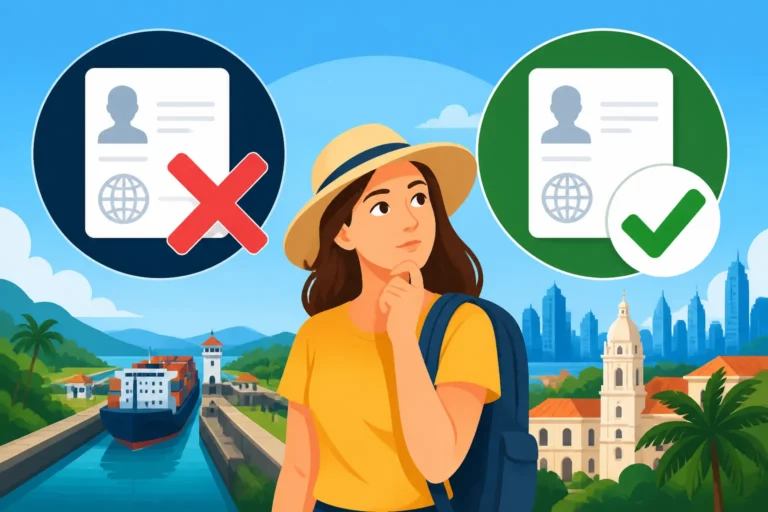
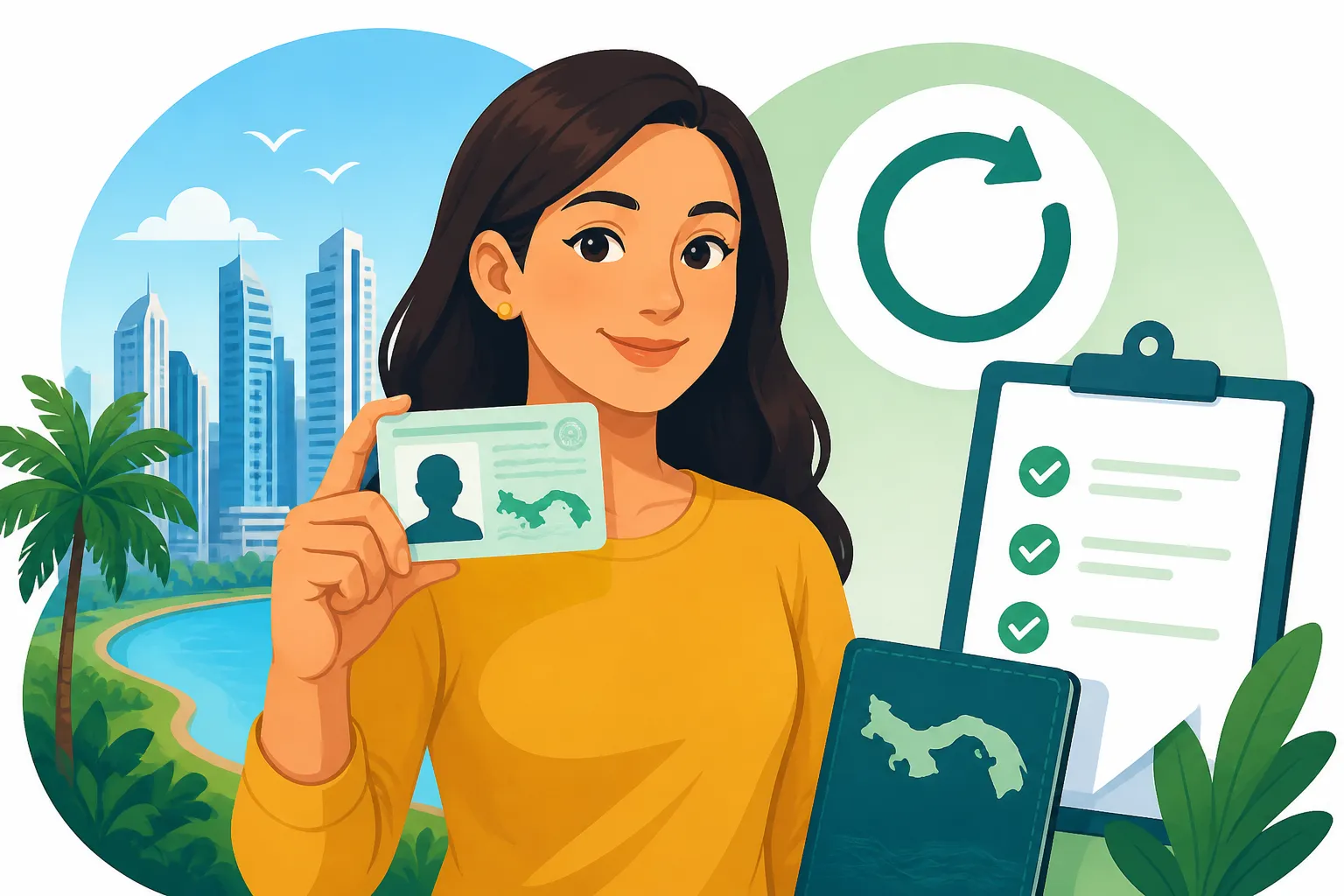
When we talk about "renewing permanent residency" in Panama, there's a really important distinction to make that often confuses people. Many expats get a little knot in their stomach thinking they have to re-qualify for their permanent status all over again, digging up old bank statements and police records. Thankfully, that's usually not the case. Your permanent residency status itself is, well, permanent. What you're actually renewing is your Cedula card, which is your physical identification document issued by the Electoral Tribunal.
Cedula vs. Permanent Residency Status
Let's clarify this crucial point. Once you've been granted permanent residency in Panama, the government has, in essence, said "Welcome, you can stay." This status is typically not time-limited. What is time-limited is your Cedula, which serves as your national ID card and proof of your permanent status. Think of it like a driver's license: your right to drive might be permanent (if you've passed the tests), but the physical card needs to be updated every few years. In Panama, adult Cedulas for residents are usually valid for 10 years, and children's Cedulas for 5 years.
If your Cedula card expires, it doesn't mean your permanent residency is automatically revoked. You don't suddenly become undocumented. What it does mean is that your primary form of identification is no longer valid, which can cause issues with banking, travel, driving, and pretty much any official transaction. It's a massive inconvenience, and something you absolutely want to avoid. The key is to remember you're not proving your eligibility again, but rather updating your official ID. It's much simpler, but still requires attention to detail and working with the right people.
When to Start the Renewal Process
The general consensus among expats and immigration lawyers is to kick off your Cedula renewal process about six months before its expiration date. This might sound like a huge lead time, but trust me, in Panama, administrative gears grind at their own unique pace. Giving yourself ample time helps mitigate the stress of potential delays at the National Immigration Service (SNM) or the Electoral Tribunal, document gathering hiccups, or unexpected lawyer availability issues.
Starting early ensures that you won't find yourself in a bind with an expired Cedula, which can be a real headache. Imagine trying to access your bank account, catch a domestic flight, or even just pick up a registered package with an invalid ID. It’s not just an inconvenience; it can bring your daily life to a grinding halt. While you can typically still process the renewal even after it expires, having an expired ID can lead to fines at the Electoral Tribunal, not to mention the bureaucratic friction it creates in your day-to-day life. It’s always better to be proactive than reactive when dealing with official documents in Panama.
The Step-by-Step Renewal Process
Alright, let's get down to brass tacks. Renewing your permanent residency card, or Cedula, in Panama is a process that requires precision and, almost universally, the assistance of a good Panamanian immigration lawyer. Trying to navigate this yourself is akin to attempting to translate a complex legal document into a language you barely speak – possible, but fraught with potential errors and immense frustration.
Gathering Your Documents
Even though you’re not re-applying for residency, there’s still a specific set of documents you’ll need to provide to renew your Cedula. This is where your lawyer becomes invaluable, as they’ll give you the most up-to-date and accurate list, ensuring you don’t miss anything crucial. Over the years, the exact requirements have shifted slightly, but these are the usual suspects:
- Original Expiring/Expired Cedula: This is your current, soon-to-be-renewed identification card. They'll need the original.
- Original Passport: You'll need your valid passport. Ensure it has at least six months of validity remaining. Copies of the main biographical page and your last entry stamp into Panama (if applicable) are also typically required.
- Original Permanent Residency Resolution (Resuelto): This is the official document from the National Immigration Service (SNM) that initially granted you permanent residency. It’s your proof of status. Make sure you keep this precious document safe.
- Two Passport-Sized Photographs: These need to be recent, with a white background, and should meet specific dimensions (your lawyer will confirm these, usually 2×2 inches or 4×5 cm). No selfies, please!
- Proof of Address: A recent utility bill (electricity, water, or internet) showing your name and current Panamanian address is usually sufficient.
- Power of Attorney: This document, prepared by your lawyer, formally authorizes them to act on your behalf with the immigration authorities and the Electoral Tribunal. You will need to sign this, often in front of a Panamanian notary.
- Affidavit of Continued Residency: Your lawyer will typically draft an affidavit for you to sign, declaring your intent to continue residing in Panama. This is a straightforward declaration, not a re-qualification.
Sometimes, for specific cases or if there have been extended absences from Panama, additional documents like a recent police record from Panama or a medical certificate might be requested. However, for a standard Cedula renewal, the list above usually covers it. Always rely on your lawyer for the definitive list at the time of your renewal. Missing even a minor document can lead to significant delays, and nobody wants to be stuck in bureaucratic limbo.
Working with Your Immigration Lawyer
If you take one piece of advice from this entire guide, let it be this: get a good Panamanian immigration lawyer. Seriously. Panama's legal system, particularly immigration, has its own unique quirks and interpretations. Trying to navigate the Cedula renewal process without one is not just difficult, it's virtually impossible for most expats. Your lawyer is not just a document preparer; they are your advocate, your translator, and your guide through what can be an opaque system.
Their role extends far beyond merely filling out forms. Your lawyer will:
- Consultation and Document Checklist: Provide you with the most accurate and current list of required documents.
- Petition Preparation: Draft all necessary legal petitions and affidavits in Spanish, ensuring they meet the exact specifications of the SNM and the Electoral Tribunal.
- Document Submission: Handle the submission of your complete application to the National Immigration Service, and then subsequently to the Electoral Tribunal. They know the correct departments, the right officials, and the specific nuances of each office. This alone saves you countless hours of waiting in lines and being redirected from one window to another.
- Follow-Up and Communication: Monitor the progress of your application, respond to any requests for additional information, and keep you informed. This is crucial because government agencies here aren't always proactive with updates.
- Appointment Scheduling: Schedule and accompany you (if necessary) to any required appointments, such as fingerprinting or photo sessions.
I remember my lawyer, Juan Carlos, walking me through every single form, explaining what each section meant in plain English, which was a lifesaver. His local knowledge and connections made a world of difference. While legal fees are an additional cost, view it as an essential investment in your peace of mind and the successful continuation of your life in Panama. Expect legal fees for a Cedula renewal to vary, but budget anywhere from $500 to $1,500, depending on the complexity of your case and the lawyer's reputation. It’s worth every penny to have someone knowledgeable handle this for you.
Immigration Appointments and Submissions
Once your documents are meticulously gathered and prepared by your lawyer, the journey begins with submissions to the various government entities.
First up, your lawyer will submit your renewal application to the National Immigration Service (SNM). This step confirms your continued status and initiates the process for a new identification document. You'll typically get a temporary receipt or a provisional "multi-card" at this stage. This provisional card is a lifesaver, as it serves as a temporary ID while your official Cedula is being processed. It allows you to continue with basic transactions and travel within Panama, avoiding the headache of having an expired main ID.
Next, depending on the current procedures, you might need to visit an Electoral Tribunal office for a "toma de datos" or data capture appointment. This involves getting your fingerprints (if they don't have up-to-date ones), updated photograph, and signature digitally recorded. Your lawyer will schedule this and often accompany you. It's usually a quick, straightforward process, but like everything else, it requires the right forms in hand and knowing which window to go to.
After these steps, the infamous waiting game begins. Panama's administrative processes are not known for their lightning speed. This is where patience truly becomes a virtue. Your lawyer will be the primary point of contact for follow-ups, alleviating you from the stress of constant checking. Understanding the local pace is key; things will move, but rarely at the speed you might be accustomed to in your home country. For a broader perspective on the general timeline and costs associated with these processes, you might find it helpful to review Understanding the Cost and Timeline of the Panama Residency Process.
Fees, Timelines, and Potential Hurdles
Let’s be realistic about the financial and temporal commitments involved in renewing your permanent residency card in Panama. It’s not just about turning in a few forms; there are costs, potential delays, and nuances you need to be aware of to manage your expectations effectively.
Expected Costs for Renewal
The fees for renewing your Panamanian Cedula primarily break down into government charges and legal fees. While these are estimates, they provide a good budgeting baseline.
| Expense Category | Estimated Cost (USD) | Notes |
|---|---|---|
| Government Fees (SNM) | $50 – $100 | Fees for processing at the National Immigration Service. |
| Government Fees (Electoral Tribunal) | $50 – $150 | Fees for issuing the new Cedula card itself, including the "multi-card" provisional ID. Might include small fines for late renewal. |
| Legal Fees | $500 – $1,500 | Varies widely based on lawyer experience, complexity (e.g., if you have issues like a lost Cedula), and region. |
| Document Translations/Notarizations | $50 – $200 | If any supporting documents require official translation or notarization. Your lawyer will advise. |
| Passport Photos | $5 – $15 | Standard cost for professional passport-sized photos. |
| Miscellaneous | $50 – $100 | Courier fees, printing, travel expenses for appointments, etc. |
| Total Estimated Cost | $705 – $2,165 | This range is broad; your lawyer will give a precise quote. |
It's crucial to get a clear breakdown from your chosen immigration lawyer so you know exactly what to expect. Remember, some lawyers might quote a "package price" that includes government fees, while others separate them. Always clarify.
Realistic Timelines and Common Delays
The timeline for Cedula renewal in Panama can test the patience of even the most seasoned expat. While the process itself is simpler than your initial residency application, it's still subject to the ebb and flow of government bureaucracy. Typically, from submission to receiving your new Cedula, you could be looking at anywhere from three to six months. However, it's not unheard of for it to stretch longer, particularly during peak application seasons or if there are unforeseen administrative backlogs.
Factors that can cause delays include:
- Missing or Incorrect Documents: The number one culprit. Even a tiny error or omission can send your application back, adding weeks to the process.
- High Workload at Immigration/Electoral Tribunal: Some periods are simply busier than others.
- Public Holidays: Panama has numerous public holidays, which can extend processing times.
- System Upgrades/Changes: Occasionally, the government implements new systems or procedures, leading to temporary slowdowns.
My best advice here is to adopt a relaxed attitude, stay in regular contact with your lawyer (but don't hound them daily), and simply factor the wait into your plans. Don't plan any international travel around the time your old Cedula expires and your new one is expected to be ready, unless you're confident in your provisional ID for re-entry, or you've consulted your lawyer about travel while your application is pending. For detailed insights into the overall bureaucratic landscape, Understanding the Cost and Timeline of the Panama Residency Process offers excellent context.
Maintaining Your Residency Status and Avoiding Issues
While the act of renewing your Cedula is generally about updating your ID, it's also a good time to reflect on maintaining your permanent residency status itself. Most permanent residency categories in Panama require you to demonstrate an intent to reside in the country. This usually means not being absent for excessively long, uninterrupted periods. While there isn't a strict annual limit that applies to all permanent residency holders, prolonged absences (e.g., years at a time) without valid justification could, theoretically, raise questions about your intent to reside, especially if you want to apply for citizenship down the line. It's always best to consult your lawyer if you anticipate being out of the country for extended periods.
Furthermore, always ensure your registered address with the authorities is up-to-date. If the SNM needs to send you correspondence, you want to receive it. Losing your Cedula is a separate, more involved process that requires filing a police report and then applying for a replacement. It's an extra layer of bureaucracy you definitely want to avoid! Regularly review How to Maintain Your Permanent Residency in Panama to stay on top of any ongoing requirements.
Life with Your Renewed Cedula
Finally, after the waiting and the occasional nail-biting, you'll hold that shiny, new Cedula in your hand. It's more than just an ID; it's your key to continued seamless living in Panama.
Seamless Living and Other Document Updates
Your renewed Cedula is the cornerstone of your official identity in Panama. Once you have it, you'll find that many aspects of your life here become instantly smoother. This document is essential for:
- Banking: Most banks will require you to update your Cedula information. If your old one has expired, you might experience issues with transactions or even accessing your accounts until the new one is registered.
- Driving License: If you have a Panamanian driver's license, you absolutely must update your Cedula information with the transit authority (ATTT). Your driver's license often references your Cedula number, and an expired Cedula can invalidate your driving privileges. Check out How Do I Get a Driving Licence with My Residency in Panama? for more details on this.
- Utilities and Services: While not always immediately demanded, having an updated ID on file with electricity, water, internet, and mobile phone providers is good practice. It prevents any future headaches if they need to verify your identity for service changes or inquiries.
- Travel within Panama: Your Cedula is the primary identification required for domestic flights and checking into hotels. Without a valid one, you could face delays or even be denied service.
- General Transactions: From picking up packages at the post office to signing contracts, your Cedula is your go-to identification.
It's a huge relief to have a current, valid ID, and you'll find that many of the small frustrations of expat life disappear once this core document is in order.
Planning for Future Renewals and Beyond
Getting your renewed Cedula is a great opportunity to get organized for the long haul. Make multiple copies of your new Cedula, both physical and digital, and store them securely. You should also ensure you have copies of your original permanent residency resolution and all the supporting documents from your initial application and this renewal. This kind of meticulous record-keeping will save you immense stress down the line, whether it's for future renewals or other administrative tasks. Many expats find tools like cloud storage for documents incredibly helpful for this.
While you're managing your residency documents, it's also a smart move to review your other essential expat provisions. For instance, maintaining robust health coverage is paramount in Panama. While the public system (CSS) is available if you're employed and contribute, many expats opt for private and international health insurance for broader coverage and access to top-tier private hospitals like Hospital Punta Pacifica or Hospital Nacional. Companies like Cigna Global offer comprehensive plans that can give you peace of mind, covering you not just in Panama but potentially worldwide, which is invaluable. For more details, explore How Much Does Private Health Insurance Cost in Panama in 2026? and The Complete Guide to Healthcare in Panama for Expats (2027).
Looking further ahead, if Panama truly feels like home and you're considering a deeper commitment, permanent residency is also a crucial step on the path to Panamanian citizenship. After a certain period (usually five years for most categories, if married to a Panamanian citizen, or meeting other criteria), you can apply for naturalization. If that's something you envision, every successful renewal of your Cedula brings you closer to that goal. You can find more information on How to Apply for Panamanian Citizenship by Naturalisation.
Ultimately, renewing your permanent residency card in Panama is another rite of passage for expats here. It underscores the reality that living abroad involves continuous engagement with local systems. But by understanding the process, preparing thoroughly, and leveraging expert legal help, it's a hurdle you can clear with confidence, ensuring your continued, comfortable life in this beautiful country.
Disclaimer
Please remember that I am a lifestyle blogger and not a legal professional. The information provided in this guide is based on general expat experiences, publicly available information, and common practices in Panama. Immigration laws and procedures can change rapidly. Always consult with a qualified Panamanian immigration lawyer or the National Immigration Service (SNM) for the most current and personalized advice regarding your specific situation. This guide is for informational purposes only and should not be considered legal counsel.