Can I Get Panamanian Citizenship Through Marriage?
Moving to a new country and finding your forever home is a huge undertaking, and for many expats in Panama, the ultimate dream is often full citizenship. You’ve settled in, maybe even fallen in love with a local, and now the question naturally arises: "Can I get Panamanian citizenship through marriage?" It’s a common path in many nations, but Panama has its own unique way of doing things, often a bit more nuanced and slower than you might expect. This guide will walk you through the realities, the requirements, and the often-lengthy journey to becoming a Panamanian citizen by marrying a local.
The Basics of Panamanian Citizenship and the Marriage Route
Let's be clear from the get-go: marrying a Panamanian citizen doesn't grant you immediate citizenship. That's a common misconception that can lead to a lot of frustration. Instead, it offers a specific, often streamlined, pathway to residency, which then makes you eligible to apply for naturalization down the line. It’s a process that requires patience, paperwork, and a genuine commitment not just to your spouse, but to living in Panama.
Understanding Naturalization in Panama
Panama's naturalization process, or the legal act by which a non-citizen acquires citizenship, is governed by its Constitution and immigration laws. While there are several routes to naturalization – like living in Panama for a certain number of years, or investing significantly in the country – marriage to a Panamanian national is indeed one of the more common paths. However, it's not a simple formality. The government takes the authenticity of these marriages very seriously to prevent marriages of convenience.
For general naturalization, the typical requirement for most foreigners is to have lived in Panama for at least five consecutive years as a permanent resident. For those married to a Panamanian national, this period is significantly reduced. This is where the marriage route offers a distinct advantage in terms of timeline, but it's still a multi-stage process that starts with securing proper residency. Believe me, the bureaucracy here can test the patience of a saint, and navigating these waters without a clear understanding is a recipe for headaches. You'll often feel like you're jumping through endless hoops, but understanding why those hoops are there can help a little.
The Specifics of Marriage-Based Residency and the Leap to Citizenship
The first and most critical step after marrying a Panamanian citizen is to apply for permanent residency based on that marriage. This isn't citizenship yet, but it’s the foundational stone. This residency category falls under Article 199, Number 3 of the Panamanian Executive Decree on Immigration, specifically for a "Married Person to Panamanian National."
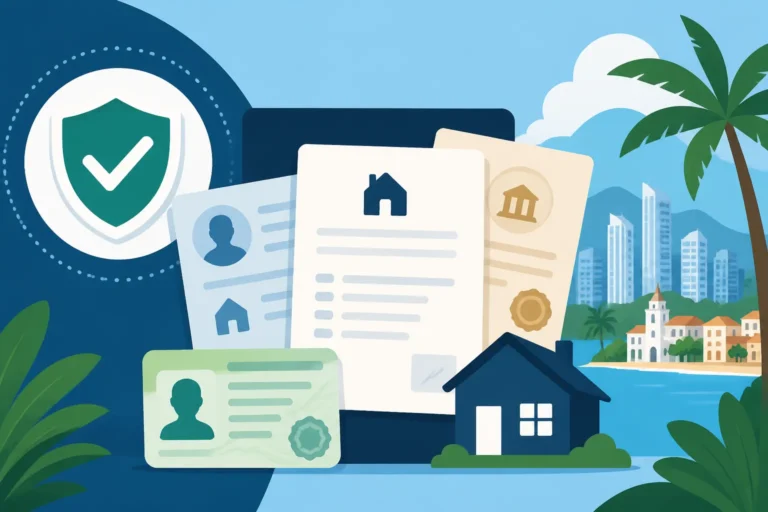
To secure this residency, you and your Panamanian spouse will need to present a myriad of documents to the National Immigration Service (SNM). This includes your valid passport, the Panamanian marriage certificate, your spouse's cédula (national ID card), a police record from your home country, a health certificate, and proof of your economic solvency, among other things. The immigration authorities will scrutinize these documents and may even conduct home visits or interviews to ensure the marriage is genuine and not just a means to residency.
Once you obtain your permanent residency through marriage, you'll be issued a cédula E, which is your official ID as a permanent resident. Now, here's the crucial part regarding citizenship: after residing legally in Panama for three continuous years as the spouse of a Panamanian national, you become eligible to apply for Panamanian citizenship by naturalization. This three-year period starts from the moment your permanent residency is granted, not from the date of marriage. This significantly reduces the standard five-year wait for general permanent residents, highlighting the advantage of the marriage pathway.
It’s important to reiterate: residency is not citizenship. Residency gives you the right to live, work, and stay in Panama indefinitely (as long as you maintain your resident status). Citizenship, on the other hand, grants you full political rights, the right to a Panamanian passport, and all the privileges and obligations of a born Panamanian. It's a fundamental difference that many expats initially misunderstand. For more details on the general healthcare aspects once you are a resident, you might want to read about The Complete Guide to Healthcare in Panama for Expats (2027).
Eligibility Requirements and Documentation for Marriage-Based Citizenship
The path to citizenship through marriage is more demanding than just presenting a marriage certificate. It requires demonstrating a deep connection to Panama, both legally and culturally. The Panamanian authorities want to ensure you are genuinely integrating into the country and committed to its future.
Proving a Legitimate Marriage and Relationship
This is often the most scrutinized aspect of your application. The Panamanian government is highly vigilant about preventing sham marriages. When you apply for residency as a spouse, and later for citizenship, you'll need to provide compelling evidence that your marriage is legitimate and ongoing.
Here’s what they look for:
- Panamanian Marriage Certificate: This is non-negotiable. If you married outside Panama, your marriage must be duly registered with the Civil Registry in Panama. If you married here, fantastic, you'll have it already.
- Cohabitation: You and your spouse must generally live together. Expect to provide utility bills in both names, rental agreements or property titles, and other documents that show a shared household. Sometimes, immigration officials might even conduct an unannounced home visit.
- Shared Life: This goes beyond just living together. They'll want to see evidence of a shared life. This could include joint bank accounts, shared credit cards, photos of you together over time, social media posts, testimonies from friends and family (Panamanian friends are a big plus!), and even travel itineraries showing you've taken trips together.
- Financial Interdependence: While not strictly mandatory, having some joint finances, like a shared bank account or a jointly owned asset, can strengthen your case. It shows you're building a life together, not just cohabiting for a piece of paper.
- Interviews: Both you and your spouse will likely undergo separate interviews with immigration officials. They will ask questions about your relationship, how you met, your daily lives, and details about your spouse. Inconsistencies can raise red flags, so make sure your stories align! This can feel intrusive, but it’s part of their due diligence. If you're currently in the process of moving your entire life here, remember that companies like Sirelo can help manage the logistics, allowing you more time to focus on these crucial personal details.
Remember, a marriage certificate alone is never enough. The Panamanian authorities want to see a genuine, loving relationship that forms the basis of your new life in the country.
Essential Documents for the Citizenship Application (After Residency)
Once you've fulfilled the three-year residency requirement and proven your marriage, the next step is the actual citizenship application. This is a separate, more rigorous process with its own set of documents, some of which are quite different from your initial residency application.
Here's a breakdown of what you'll typically need, in addition to maintaining a valid residency status:
- Application Letter: A formal request addressed to the President of Panama, outlining your desire for citizenship and the legal basis (marriage to a Panamanian national). This must be drafted by a Panamanian lawyer.
- Your Cédula E: Your permanent resident ID card, showing you've completed the required residency period.
- Valid Passport: Copies of all pages, current and previous passports, to demonstrate your continuous legal stay in Panama.
- Birth Certificate: Duly apostilled and translated into Spanish by an authorized public translator in Panama.
- Police Clearance Certificates: This is crucial. You'll need one from the Directorate of Judicial Investigation (DIJ) in Panama, covering your time in the country, and one from your country of origin (and any other country you've resided in for more than two years over the past five years), also apostilled and translated.
- Economic Solvency Proof: Documents showing you have stable financial means to support yourself in Panama. This could include bank statements, job letters, or proof of income from investments.
- Medical Certificate: A general health certificate issued by a Panamanian doctor.
- Tax Clearance Certificate (Paz y Salvo Nacional): Proof that you are up-to-date with all your tax obligations in Panama. For understanding how income tax works for residents, consider reading Understanding Income Tax in Panama (2027).
- Renunciation of Previous Citizenship: This is one of the most significant and often surprising requirements. Panama generally does not allow dual citizenship for naturalized citizens. This means you will likely be required to formally renounce your previous citizenship(s) before you can be granted Panamanian citizenship. This is a deeply personal decision with significant implications, and it's something you must discuss thoroughly with your lawyer and your home country's embassy.
- Language and Culture Test: You'll be required to demonstrate proficiency in Spanish and knowledge of Panamanian history, geography, and civic duties. This isn't just a formality; it's a real test. Many expats underestimate this part. Start studying early!
- Affidavits and References: You may need Panamanian citizens to vouch for your good character and integration into Panamanian society.
This list isn't exhaustive, and requirements can change, so always consult with a reputable Panamanian immigration lawyer. They are truly indispensable in navigating this complex process. If you’re thinking about How to Get Residency in Panama: The Full Guide (2027), you’ll see how much emphasis is placed on proper documentation.
The Application Process: Steps, Challenges, and Timelines
Even with the benefit of marriage, the application for Panamanian citizenship is a multi-stage bureaucratic marathon. It's not for the faint of heart, but with persistence and the right legal guidance, it is achievable.
Navigating the Immigration Office (SNM) and the Ministry of Government
Your journey begins, as mentioned, with securing your permanent residency through marriage at the National Immigration Service (SNM). This involves compiling all necessary documents, paying the relevant fees, and attending interviews. Once your permanent residency is approved and you receive your cédula E, the clock starts ticking on your three-year eligibility period for citizenship.
After those three years, your citizenship application shifts to the Ministry of Government (Ministerio de Gobierno), which oversees the naturalization process. This means a new set of forms, new fees, and a thorough review by a different government body.
Here’s a general sequence of events for the citizenship application itself:
- Preparation and Filing: Your lawyer will help you gather all the extensive documentation, ensure it's properly translated and apostilled, and then formally file your application with the Ministry of Government.
- Review and Investigation: The Ministry will thoroughly review your application, which includes background checks and verifying the authenticity of your marriage and your continuous residency. They might reach out for additional information or clarification.
- Public Ministry Involvement: The application then goes to the Public Ministry (Ministerio Público), which conducts its own investigation, including validating the legitimacy of your marriage and your social integration. They might interview you, your spouse, and even neighbors or colleagues. This step can feel particularly intense and can take a considerable amount of time.
- Language and Civics Test: You'll be scheduled for the crucial Spanish language and Panamanian history/civics test. This is an oral test, often conducted by a panel, and it's designed to assess your commitment to the country.
- Presidential Approval: If all stages are successfully cleared, your application is then sent to the President of Panama for final approval via an Executive Decree. This is the highest level of approval and can, understandably, take time as well.
This entire process, especially the back-and-forth between different government departments, is why having a good, experienced Panamanian immigration lawyer is not just recommended, but practically essential. They understand the nuances, know who to talk to, and can help you navigate the inevitable bureaucratic hurdles and delays. When you consider the effort involved, you'll see why a smooth transition, even for things like managing your belongings via services like Sirelo, can make a difference in your overall stress levels.
The Interview, Renunciation, and Oath
After all the paperwork and investigations, if your application is successful, you'll be called for the final stages.
- Naturalization Interview: This is often the formal test of your knowledge and commitment. Be prepared to speak Spanish, discuss Panamanian history, geography, and civic principles, and reiterate your reasons for seeking citizenship. It's not just an academic exercise; they're looking for genuine engagement.
- Renunciation of Previous Citizenship: If your country of origin doesn't have a dual citizenship agreement with Panama (which is generally the case for naturalized citizens), you will be required to provide proof that you have formally renounced your previous nationality. This is usually done through your former country's embassy or consulate. This step must be completed before the final Panamanian citizenship is granted. This can be an emotional and complex process, so be prepared for it.
- The Oath Ceremony: Once all conditions are met, including the renunciation, you will attend a solemn oath ceremony where you officially swear allegiance to Panama and its Constitution. This is the moment you officially become a Panamanian citizen!
Throughout this lengthy period, ensuring your well-being, particularly your health, is paramount. Many expats find robust international health insurance like Cigna Global to be incredibly helpful for maintaining peace of mind during such drawn-out administrative processes. You wouldn’t want a medical emergency to add another layer of stress to an already complex situation.
Realistic Timelines and Potential Hurdles
Managing your expectations regarding timelines is crucial. This isn't a quick process. While the three-year residency requirement for spouses is an advantage, the entire process from first applying for residency to finally obtaining citizenship can easily take anywhere from 5 to 8 years, or even longer.
Here’s a rough breakdown:
| Stage | Estimated Timeframe (Post-Marriage) |
|---|---|
| Obtaining Permanent Residency (Spouse) | 12 – 24 months |
| Maintaining Residency for Eligibility | 36 months (3 years) |
| Citizenship Application Filing & Review | 12 – 36 months |
| Public Ministry Investigation | 6 – 24 months |
| Presidential Decree & Oath | 6 – 12 months |
| Total Estimated Time | 5 – 8+ years |
Potential Hurdles:
- Bureaucratic Delays: This is Panama. Things move at their own pace. Be prepared for documents to sit for weeks or months in various offices.
- Incomplete or Incorrect Documents: Any missing or improperly apostilled/translated document can cause significant delays, sending you back to square one.
- Proving Genuine Marriage: If the authorities suspect a marriage of convenience, your application will be heavily scrutinized or rejected.
- Language Barrier: Not being fluent in Spanish can hinder communication and make the civics test extremely challenging.
- Changes in Law: Immigration laws can change, sometimes unexpectedly, potentially impacting ongoing applications.
- Political Shifts: Since the final approval is by Executive Decree, shifts in government administrations can sometimes affect the speed or focus of naturalization processes.
Patience is not just a virtue here; it's a necessity. Persistence, a meticulous approach to documentation, and solid legal representation will be your best friends on this journey. Learning How to Get Your Cedula (Residency ID) in Panama is an early, crucial step in this long process.
Maintaining Your Panamanian Citizenship
Congratulations! After years of effort, you've taken the oath and are now a proud Panamanian citizen. But what does that really mean, and what responsibilities come with it?
Rights and Responsibilities of a Panamanian Citizen
Becoming a citizen isn't just about a new passport; it's about gaining full membership in Panamanian society.
Rights:
- Panamanian Passport: You can travel internationally as a Panamanian national.
- Voting Rights: You gain the right to vote in national and local elections.
- Run for Public Office: With some exceptions (e.g., President must be Panamanian by birth), you can participate more fully in the political life of the country.
- Full Access to Public Services: While residents already have access, citizenship removes any remaining potential restrictions on certain public sector jobs or benefits.
- Land Ownership: You have full rights to own titled land, including within restricted coastal and border zones that sometimes have limitations for non-citizens.
- Protection: You gain full diplomatic protection from the Panamanian government when abroad.
Responsibilities:
- Adherence to Laws: You are expected to uphold the Panamanian Constitution and laws.
- Taxes: While Panama operates on a territorial tax system (meaning only income generated within Panama is taxed, regardless of your citizenship), as a citizen, you are still subject to this. Your citizenship status doesn't change this fundamental principle, which is often a big draw for expats. For more on this, check out How Panama's Tax System Works: Territorial Taxation Explained (2027).
- Civic Duty: Participation in civic life and contributing positively to society.
- Military Service: Panama does not have a standing army, so there is no mandatory military service to worry about.
Potential Pitfalls and How to Avoid Losing Citizenship
Once acquired, Panamanian citizenship is generally permanent. However, it's not entirely without conditions under specific, extreme circumstances.
- Fraud: If it is discovered that you obtained citizenship through fraudulent means, such as a sham marriage or presenting false documents, your citizenship can be revoked.
- Serious Crimes: Committing severe crimes, especially those against the state or national security, can lead to denaturalization.
- Renunciation: While you likely renounced your previous citizenship to get Panamanian citizenship, you could, in theory, choose to formally renounce your Panamanian citizenship at a later date, though this is rare.
- Failure to Uphold the Law: Continuous and egregious violations of Panamanian law, even without being a severe crime, could potentially lead to a review of your citizenship, especially if it indicates a lack of integration or respect for the nation.
In essence, once you become a Panamanian citizen, the best way to maintain that status is to simply be a good, law-abiding resident and citizen. Continue to live in Panama, contribute to its society, and respect its laws and culture. The vast majority of naturalized citizens never face any issues, enjoying their new identity without concern. If you're pondering Can I Keep My Permanent Residency If I Leave Panama for a While?, remember that citizenship has different implications.
It's a long road, becoming a Panamanian citizen through marriage. It demands dedication, an open mind to bureaucracy, and a true love for this incredible country. But for those who make it, the rewards of full integration and belonging are truly priceless.
Disclaimer
Please remember that I am an expat blogger and not a legal professional. The information provided in this guide is for general informational purposes only and does not constitute legal advice. Immigration laws and procedures in Panama can be complex and are subject to change. It is absolutely essential to consult with a qualified and reputable Panamanian immigration lawyer for personalized advice regarding your specific situation before making any decisions related to residency or citizenship.