What Are the Requirements to Keep My Permanent Residency in Panama?
You’ve done it! You’ve navigated the often-confusing, sometimes frustrating, but ultimately rewarding path to securing your permanent residency in Panama. That feeling of relief, of finally being able to call this beautiful country home without constant visa worries, is truly unparalleled. But here’s the thing many expats don’t fully realize until they’re already here: "permanent" doesn't necessarily mean "set it and forget it." To genuinely keep your permanent residency status intact, there are ongoing requirements you absolutely need to understand and follow. This guide will walk you through exactly what’s expected, helping you protect your long-term future here in Panama.
Understanding the Core Principles of Maintaining Residency
When you gain permanent residency in Panama, the government grants you that status under the assumption that you intend to make Panama your home. It’s not just a formality or a second passport; it implies a genuine connection and commitment to living here. This underlying principle guides all the rules and requirements for maintaining your status. It’s less about a punitive system and more about ensuring that the benefits of permanent residency are extended to those who are truly integrating into Panamanian life.
It's easy to get complacent once you have that plastic card in hand, your cédula. You might think, "Great, I'm permanent, I can come and go as I please!" And while you certainly have more freedom than with a tourist visa, there are still crucial parameters. Immigration authorities in Panama, much like in many other countries, are keen on distinguishing between genuine residents and those who might just be using the status for convenience without truly residing in the country. This means you need to demonstrate an ongoing link, a 'life lived' in Panama, rather than just an occasional visit. This distinction is vital for anyone planning to stay long-term. If you’re unclear on the initial steps, a good place to start is understanding How to Get Residency in Panama: The Full Guide (2027).
The Importance of Physical Presence in Panama
One of the most significant and often misunderstood requirements for maintaining permanent residency in Panama is the need for physical presence within the country. While the rules can sometimes feel a bit ambiguous or subject to interpretation, the general expectation is that you spend the majority of your time here. Panama wants you to be here, contributing to the local economy and community, not just using it as a mailing address.
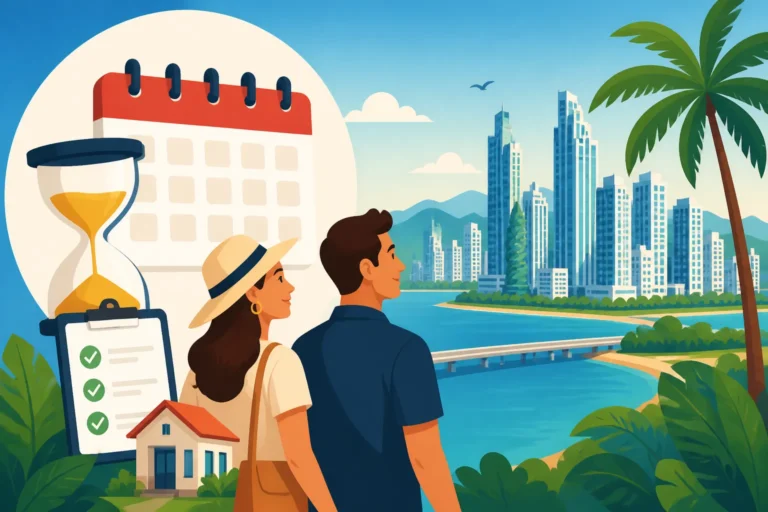
For most permanent residency categories, the critical rule is often cited as not being absent from Panama for more than two consecutive years. However, and this is where it gets tricky, the spirit of the law implies even shorter, repeated absences could raise eyebrows if they suggest you are not truly residing in Panama. Imagine you leave for 23 months, return for a week, and then leave for another 23 months. While technically within the letter of the law for the "two consecutive years" rule, an immigration officer might question your true intent to reside during a future renewal or immigration interaction. They might look for other signs of integration. This is why many experienced expats and lawyers will advise you to return to Panama more frequently, ideally at least once a year, and to make your stays here meaningful. For a broader overview of the immigration landscape, check out The Complete Guide to Panama Visas and Immigration for Expats (2027).
Demonstrating Intent to Reside Beyond Simple Presence
Beyond simply clocking in and out, immigration authorities often look for evidence of your intent to reside permanently. This isn’t just about the stamps in your passport; it’s about your life on the ground. Think about how you would prove to anyone that you live somewhere. It includes:
- Maintaining a Local Address: Having a consistent, registered address in Panama is foundational. This means having utility bills in your name, a rental contract, or property ownership. If you suddenly change addresses frequently without updating the immigration office, it can create unnecessary administrative headaches.
- Financial Ties: Keeping an active Panamanian bank account, even if it's just for local expenses, signals that you are integrated into the financial system. If you are on a Pensionado Visa, showing continued receipt of your pension in Panama is paramount. For general banking advice, see The Expat Guide to Opening a Bank Account in Panama.
- Community Engagement (Optional but helpful): While not a strict requirement, participating in local clubs, volunteering, or simply having a network of friends and acquaintances here can be soft evidence of your integration. It demonstrates that you're building a life, not just passing through.
If you are planning a significant move or have been away for an extended period, perhaps you used a service like Sirelo to help move your belongings initially, demonstrating commitment to setting up a home here. Keeping records of such moves and establishing your household can serve as supporting evidence of your residency intent, should you ever need it.
Administrative Responsibilities: Staying on Top of Paperwork
Let's be honest, bureaucracy in Panama (and many other places!) can feel like a sport. But when it comes to your residency, staying diligent with your paperwork is non-negotiable. Ignoring administrative tasks can quickly turn a minor inconvenience into a major headache, potentially jeopardizing your status.
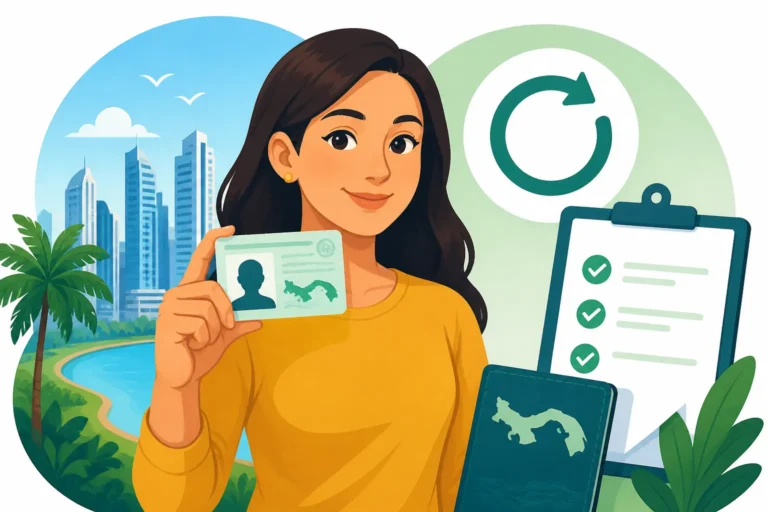
Your cédula, that essential identity card, isn't a "once and done" document. It has an expiry date, and it needs to be renewed. The renewal process for your cédula is a prime example of an administrative task you cannot overlook. The expiry date is clearly printed on the card, and it's your responsibility to initiate the renewal process well in advance. While permanent residency itself is, well, permanent, the physical card is not. Renewing your cédula on time confirms your continued intention to reside in Panama and keeps your official records current. You can learn more about this process in How to Get Your Cedula (Residency ID) in Panama and also generally about How to Renew Your Residency in Panama.
Updating Personal Information
Life happens, and things change. You might move to a new apartment, get a new passport, or even get married. It is crucial to inform the National Immigration Service (SNM) of any significant changes to your personal information.
- Change of Address: This is a big one. Your registered address is how the government communicates with you. If you move, you need to update your address with immigration. Failing to do so can mean missing important notices, which could lead to complications down the road.
- Passport Renewal: If you renew your passport from your home country, you’ll need to present the new passport to immigration in Panama to update your records. They need to know your valid travel document.
- Marital Status/Dependents: If your residency is tied to a spouse, or if you’ve added dependents like children to your residency, any changes in these statuses (e.g., divorce, children reaching adulthood and needing their own status) must be reported. The rules surrounding Dependent Residency in Panama are specific and need careful attention.
Always keep copies of all documents submitted and any receipts received. When you are dealing with the immigration office, it often feels like you need to have a personal filing system more organized than theirs.
Tax Compliance and Other Formalities
Even if your income is solely foreign-sourced and therefore not taxed in Panama under its territorial tax system, you still have obligations. Expats often breathe a sigh of relief about territorial taxation, thinking it means no tax duties. However, that's not entirely accurate for residents.
- RUC and DGI Registration: As a permanent resident, especially if you have any local income (e.g., rental income, freelance work for Panamanian clients), you might need an RUC (tax identification number) and to register with the Dirección General de Ingresos (DGI), Panama's tax authority. Even if you have no Panama-source income, some categories of residents may still need to file an annual "nil" or informational tax return. It's always best to consult with a local accountant to ensure full compliance. For detailed information, refer to The Complete Guide to Taxes in Panama for Expats (2027) and Filing Your Tax Return with the DGI in Panama: The Complete Walkthrough (2027).
- Social Security (CSS): If you are employed in Panama, your employer will register you with the Caja de Seguro Social (CSS). If you are self-employed or not working, your contributions might differ, but understanding your status regarding CSS is part of being an integrated resident. For some residency types, like the Friendly Nations Visa, you may have initially established a business or employment relationship that implies ongoing engagement.
It's tempting to think of these as separate bureaucratic annoyances, but they all weave together to form the fabric of your legal existence in Panama. Neglecting one can impact another.
Avoiding Common Pitfalls and Ensuring Continuity
Many expats have, unfortunately, learned the hard way that complacency can be costly. Losing your permanent residency due to oversight is a nightmare scenario, but it is entirely avoidable with proper planning and attention.
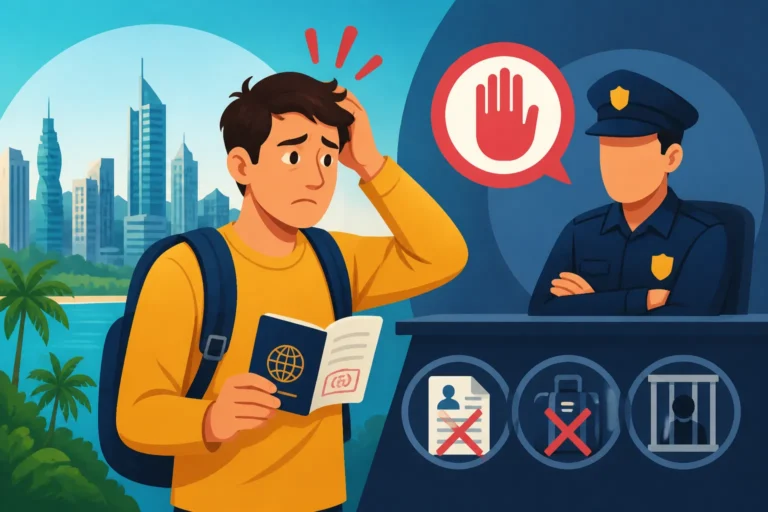
One of the biggest mistakes is assuming "permanent" means indefinite absence. The rule about not being out of the country for more than two consecutive years is serious. If you overstay this period, you risk your permanent residency being revoked. This usually means starting the entire arduous residency process from scratch, which is something no one wants to do! If you’re concerned about being away, especially for unforeseen circumstances, it's critical to understand Can I Keep My Permanent Residency If I Leave Panama for a While? and How to Avoid Losing My Residency by Leaving Panama?. Proactive communication with your immigration lawyer is key in such situations.
Proactive Planning for Absences
If you know you will be away for an extended period, it's always best to consult with your Panamanian immigration lawyer. They can advise you on the specifics of your residency category and any nuances that might apply. Some specific situations might warrant a special permit or a more formal notification to the authorities, though these are generally rare for typical permanent residency.
Consider a hypothetical: You have a family emergency back home and need to leave Panama for an indefinite period. You don't know if it will be a few months or over a year. In this scenario, it is vital to keep track of your days outside Panama meticulously. Set calendar reminders. Even if it's just a short trip back to Panama every 18 months, those brief returns reset the clock on the "two consecutive years" absence rule. Think of it as hitting the refresh button on your residency timer.
Maintaining Necessary Records
Keep a dedicated file, physical or digital, of all your important documents. This should include:
- Copies of your passport (current and previous ones).
- Copies of your cédula (front and back).
- Your original residency resolution document.
- Proof of address (utility bills in your name).
- Bank statements showing activity (even minimal).
- Any official correspondence from immigration or the DGI.
- Travel records (flight tickets, boarding passes, although passport stamps are the official record).
This diligence can save you immeasurable stress if you ever need to demonstrate your residency status or appeal a decision. When you're dealing with a multi-layered system like the National Immigration Service, having all your ducks in a row is the best defense.
Healthcare Considerations for Long-Term Expats
While not a direct requirement for maintaining residency, ensuring continuous healthcare coverage is a practical necessity for anyone living permanently in Panama. If you're relying on the public CSS system, be aware that your eligibility might be tied to active contributions, which could be affected by long absences or changes in employment. For many expats, especially those who travel frequently or want peace of mind, private international health insurance is a lifeline. Companies like Cigna Global offer comprehensive plans that cover you both in Panama and when you travel, ensuring you're never without critical medical support. Understanding your health options is crucial, as outlined in Health Insurance in Panama: Private and International Options Explained.
| Requirement | Description | Frequency / Key Action | Risk of Non-Compliance |
|---|---|---|---|
| Physical Presence | Not being absent from Panama for more than two consecutive years (ideally return more frequently). | Continual monitoring of absences | Revocation of Permanent Residency |
| Cédula Renewal | Renewing your physical ID card to keep it valid and current. | As per expiry date (e.g., 10 years) | Fines, inability to conduct official transactions |
| Update Personal Info | Informing Immigration of changes like address, passport, or marital status. | As changes occur | Missed communications, invalid records |
| Tax Compliance | Meeting DGI requirements, filing returns (even nil), paying taxes if applicable. | Annually (or as per activity) | Fines, legal issues, difficulty with renewals |
| Maintain Local Ties | Active bank account, utility bills in your name, local phone number. | Ongoing | May be used as evidence against intent to reside |
In summary, maintaining permanent residency in Panama isn't about jumping through hoops every day, but it is about consistent awareness and proactive management of a few key areas. It's about demonstrating, through your actions and your paperwork, that Panama truly is your chosen home. With a little diligence, you can enjoy the fruits of your labor and build a secure, long-term life in this vibrant country.
Disclaimer
The information provided in this guide is for general informational purposes only and does not constitute legal or financial advice. Immigration laws and regulations in Panama are subject to change, and individual circumstances can vary greatly. It is highly recommended to consult with a qualified Panamanian immigration lawyer and/or tax professional for personalized advice regarding your specific situation and to ensure compliance with all current laws.