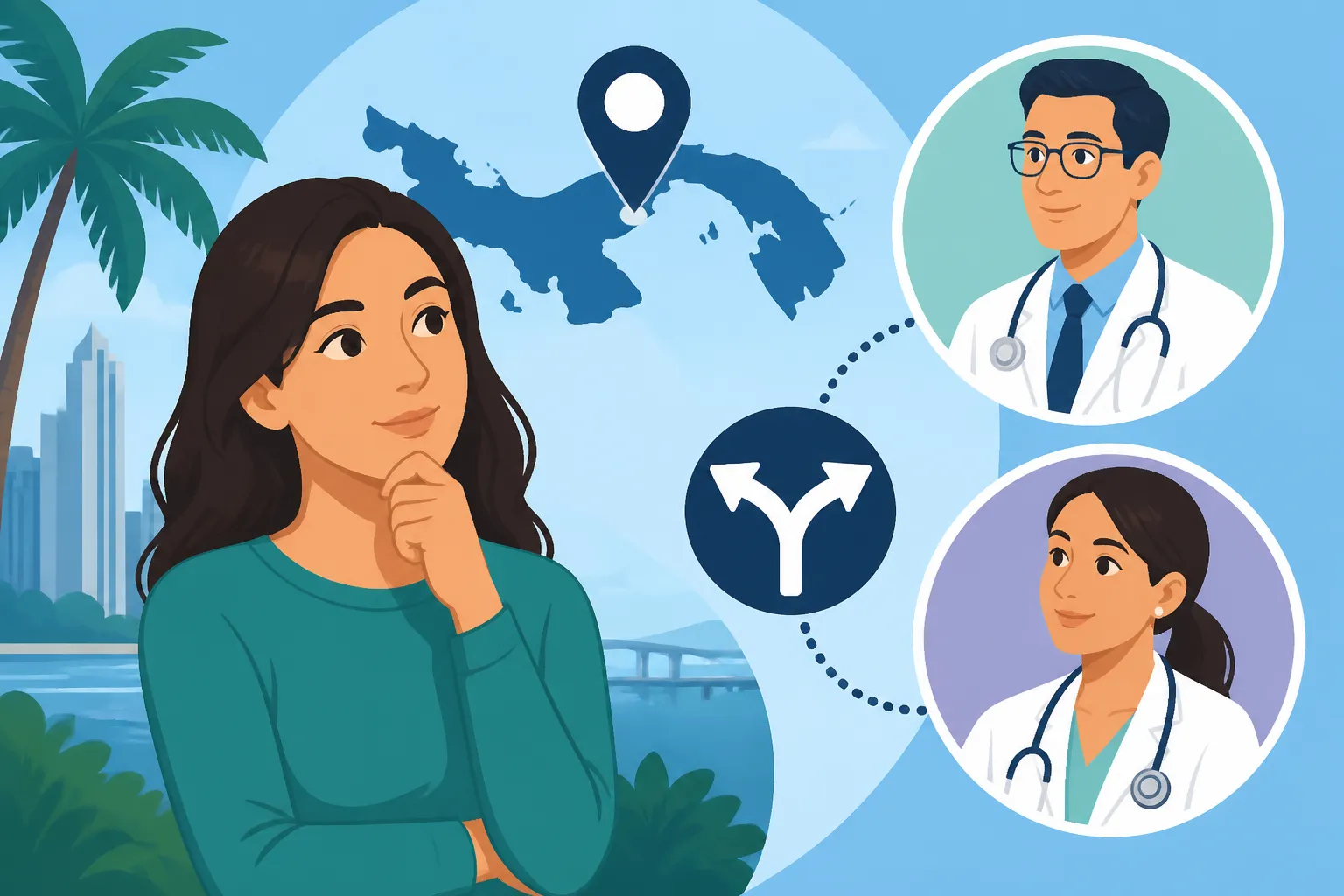
Can I Get a Second Medical Opinion in Panama?
Moving to a new country like Panama is an adventure, but let's be honest, it also comes with its fair share of anxieties, especially when it comes to something as vital as your health. When you're facing a medical diagnosis, particularly a complex one, it's completely natural to wonder if you're getting the full picture, or if there might be another approach. This guide is here to demystify the process of getting a second medical opinion in Panama, helping you navigate the system with confidence and peace of mind.
Why a Second Opinion Matters, Especially as an Expat in Panama
It's a universal truth that when it comes to your health, you want to be absolutely sure. As an expat in Panama, this feeling can be amplified by a whole host of factors. You're in a new environment, possibly dealing with a different language and a medical system that operates differently from what you're used to back home. All of these elements can add layers of stress and uncertainty to an already challenging situation.
The Lingering Doubts and Cultural Nuances
I’ve been there, staring at a doctor with a polite smile, nodding along, but inside my head, a million questions were swirling. Is this really the best course of action? Is there something I'm missing because of a cultural misunderstanding or a slight language barrier, even with an English-speaking doctor? It's a very real expat frustration. You might find that diagnostic approaches or treatment philosophies here differ from your home country, which isn't necessarily a bad thing, but it can certainly sow seeds of doubt.
Imagine you've been diagnosed with a chronic condition, and the initial treatment plan feels a bit aggressive or perhaps too conservative. Or maybe you've had a procedure recommended, and you just want to understand all your options before committing. These moments are precisely when a second opinion becomes invaluable. It’s about empowering yourself with more information, gaining different perspectives, and ultimately feeling truly comfortable with the decisions being made about your body and your future. It's not about distrust; it's about due diligence and self-advocacy.
Understanding Panama's Medical Landscape
Panama boasts a dual healthcare system: the public Caja de Seguro Social (CSS) and a robust private sector. While the CSS provides essential services, the private healthcare system, especially in major cities like Panama City, offers modern facilities, state-of-the-art equipment, and highly trained specialists, many of whom have international experience. You can learn more about this by checking out How Panama's Health System Works: CSS and Private Care Explained (2027). Hospitals like Hospital Punta Pacifica and Hospital Nacional are shining examples of the quality available.
However, even in the best medical systems, doctors are individuals. They bring their unique training, experience, and perspectives to each case. What one doctor might see as the primary issue or the optimal treatment, another might view differently. This isn't a flaw in the system; it's simply the nature of complex medical diagnosis. A second opinion can clarify the consensus, introduce alternative treatments you hadn't considered, or confirm that you're already on the best possible path. It’s an extra layer of assurance, and for an expat, that can be worth its weight in gold.
Navigating the Process: How to Get a Second Opinion in Panama
Alright, so you've decided a second opinion is the way to go. Excellent choice. Now, how do you actually make it happen in Panama? It's not as daunting as it might seem, especially if you follow a structured approach.
Gathering Your Medical Records
This is your absolute first and most crucial step. Before you even think about seeing another doctor, you need to collect every single piece of information related to your initial diagnosis and treatment. This includes:
- Doctor's Notes and Reports: Any summaries, consultation notes, or discharge papers from your previous visits.
- Lab Results: Blood tests, urine tests, biopsies – anything that came back with numerical data or pathology reports.
- Imaging Scans: X-rays, MRIs, CT scans, ultrasounds. Ideally, get the actual images (often on a CD or accessed via a portal) in addition to the radiologist's written report.
- Prescription List: A clear list of all medications you are currently taking, including dosage and frequency, and any medications you were previously prescribed for this condition.
One challenge expats often face is that some records might be in Spanish, especially if your initial care was through the public system or a local clinic. While many private hospitals have English-speaking staff, having key documents translated can be incredibly helpful for a seamless consultation. You'll want to ensure that the new doctor has a clear, comprehensive understanding of your medical history without any information getting lost in translation. For more details on accessing your existing records, take a look at How Do I Access My Medical Records in Panama?. Don't be afraid to ask your current doctor's office or clinic for these records; it's your right to have them.
Finding the Right Specialist for a Second Opinion
Once your records are neatly organized, the next step is finding the specialist who can offer that fresh perspective. This is where your expat network often shines!
- Expat Groups and Online Forums: Ask for recommendations in local expat social media groups or forums. Fellow foreigners are often quick to share their positive (or negative) experiences with specific doctors and clinics. This is often how I've found some of my best contacts over the years.
- Private Hospital Directories: Major private hospitals like Hospital Punta Pacifica, Hospital Nacional, or Centro Médico Paitilla have extensive directories of their specialists on their websites. You can often filter by specialty and even language spoken. Many doctors in these facilities are bilingual. Check out How to Use Major Hospitals Like Punta Pacifica and Hospital Nacional for more information on specific institutions.
- Your Embassy or Consulate: Some embassies maintain lists of English-speaking medical professionals.
- Word of Mouth: Sometimes, the best recommendations come from other trusted professionals you know, like your family doctor if you have one, or even a friend's Panamanian contact.
When you're looking, pay particular attention to doctors with qualifications from countries known for high medical standards (e.g., USA, Canada, Europe), as their training might align more closely with what you're accustomed to. Moreover, explicitly seek out those who are known to be proficient in English. For complex medical issues, the nuances of language are paramount. Having a doctor who can explain things clearly in your native tongue will make a huge difference to your understanding and peace of mind. If you need more tips on finding a medical professional, read How to Find an English-Speaking Doctor in Panama.
Booking the Appointment and What to Expect
Once you've identified a few potential specialists, it's time to book your appointment. In Panama, you can typically do this by calling the clinic directly, or sometimes through an online portal if the hospital or clinic has one. When you call, make it clear that you are seeking a second opinion and will be bringing existing medical records. This helps them allocate enough time for a thorough review.
During your initial consultation, be prepared to:
- Present Your Records: Hand over your organized medical documents. The doctor or their assistant will likely take time to review them.
- Explain Your Concerns: Clearly articulate why you are seeking a second opinion. Is it to confirm a diagnosis? Explore alternative treatments? Understand risks better? Don't hold back any details, even if you feel you're repeating yourself from previous consultations.
- Ask Questions: This is your time to be proactive. Write down all your questions beforehand. Don't leave until you feel you have a clear understanding of the second opinion and any new recommendations.
- Be Open-Minded: The second opinion might confirm the first diagnosis and treatment plan, or it might offer a completely different perspective. Both outcomes are valuable. The goal is clarity and confidence.
Some specialists, especially if you're coming from afar or your case is particularly well-documented, might offer a preliminary opinion based on an emailed review of your records before an in-person visit. This can be a good way to gauge if an in-person consultation is warranted, though a definitive second opinion almost always requires a face-to-face meeting.
Costs, Insurance, and Practical Considerations for a Second Opinion
Dealing with health matters is stressful enough without having to worry about unexpected costs. As an expat in Panama, understanding the financial and logistical aspects of seeking a second medical opinion is key.
The Financial Aspect: What to Budget For
The cost of a second medical opinion in Panama will depend largely on where you seek it and the specialty of the doctor. Generally, private healthcare in Panama is more affordable than in many Western countries, but it’s still an expense you need to consider.
- Consultation Fees: A specialist consultation can range anywhere from $50 to $150 USD, sometimes more for highly specialized fields or very senior doctors. These are typically paid directly at the clinic. For a detailed breakdown, you might find How Much Does a Specialist Consultation Cost in Panama? useful.
- New Tests or Scans: The second doctor might want to run additional tests or repeat certain scans to get a fresh look or more up-to-date information. These costs can vary widely:
- Basic blood work: $30-$100
- X-ray: $30-$70
- Ultrasound: $80-$150
- MRI/CT Scan: $250-$800+ (depending on the body part and complexity)
- Procedure Costs: If a different procedure is recommended, that's a whole new ball game, and you'll need a detailed quote.
It's always a good idea to ask for an estimate of costs upfront when you book your appointment or during the initial consultation. Don't be shy about it. You can get a broader sense of medical expenses in the country by reviewing The Cost of Healthcare in Panama: A Complete Breakdown for Foreigners (2026). These costs can add up, so being prepared is essential.
Insurance Coverage for Second Opinions
This is where your health insurance plan comes into play. If you have private health insurance in Panama, either local or international, it will likely cover a second medical opinion. However, you must check the specifics of your policy. Key things to look for:
- Network Providers: Does your insurance require you to see doctors within a specific network?
- Pre-authorization: Do you need to get approval from your insurance provider before seeing the second doctor or undergoing new tests? Many policies require this for specialist visits or expensive diagnostics. Missing this step can lead to your claim being denied.
- Deductibles and Co-pays: Remember that you might still be responsible for a deductible or a co-payment, as explained in Understanding Out-of-Pocket Healthcare Costs and Co-Pays in Panama.
Many expat insurance plans like SafetyWing understand the need for comprehensive care, including second opinions, especially when dealing with the uncertainties of a new country's medical system. They often offer clear guidance on their coverage for such situations. Make sure to call your insurance provider and discuss your intention to seek a second opinion. Give them the details of your situation and the specialist you plan to see. With a plan from providers like SafetyWing, you'll want to confirm the specifics of specialist consultations and diagnostic tests to avoid any surprises.
If you rely on Panama's public CSS (Caja de Seguro Social), obtaining a "second opinion" outside of their internal referral system can be more challenging. While you can certainly see a private doctor, the CSS typically operates on its own referral pathways, and getting them to cover an external, elective second opinion is unlikely. This is one of the primary reasons why many expats choose to invest in private or international health insurance plans. For more on selecting the right coverage, read How to Choose Private Health Insurance in Panama (2027) and Health Insurance in Panama: Private and International Options Explained.
Overcoming Language Barriers and Logistics
While many specialists in Panama's private sector speak excellent English, don't assume. If English isn't their first language, or if you're concerned about understanding complex medical terms, consider bringing a trusted friend or hiring a professional medical translator. A slight misunderstanding could have significant implications.
Logistically, Panama City is quite navigable. Taxis, Uber, and the Metro system make getting to appointments relatively easy. However, traffic can be intense, so always budget extra travel time. Be prepared for potential wait times in clinics, even private ones. While typically shorter than in public hospitals, it's not uncommon to wait 30 minutes or more past your appointment time. Bring a book or something to keep you occupied.
Here's a quick overview of typical costs and considerations for private second opinions:
| Service Type | Estimated Cost (USD) | Typical Wait Time (Appointment) | Key Considerations |
|---|---|---|---|
| Initial Specialist Visit | $50 – $150 | 1-7 days | Bring all records, confirm English speaker |
| Follow-up Consultation | $40 – $100 | 1-3 days | Discuss findings, clarify treatment options |
| Basic Lab Tests (Blood/Urine) | $30 – $100 | Same day or next day | Fasting may be required, results often quick |
| X-rays / Ultrasounds | $30 – $150 | Same day or next day | Get images on CD/USB, not just report |
| MRI / CT Scans | $250 – $800+ | 2-5 days | Pre-authorization usually required by insurance |
Note: These are estimates and can vary by clinic, specialist, and specific tests required.
Making an Informed Decision: What to Do After Your Second Opinion
You’ve gone through the process, seen another specialist, and now you have a second opinion in hand. This is often the most critical stage: evaluating the information and deciding on your next steps. It can feel like a lot to process, especially if the opinions differ significantly.
Comparing Opinions and Treatment Plans
Take a deep breath. Now, sit down with both sets of medical records and reports. Compare them side by side. What are the points of agreement? Where do they diverge?
- Diagnosis: Do both doctors agree on the fundamental diagnosis? Sometimes, a second opinion might refine or even change the initial diagnosis, which can be a relief or, admittedly, a new challenge.
- Recommended Treatment: If the diagnoses are the same, are the treatment plans similar or different? One doctor might suggest a less invasive approach, while another might recommend a more aggressive intervention.
- Prognosis: What are the expected outcomes for each recommended path?
- Risks and Benefits: Have both doctors clearly laid out the potential risks and benefits of their suggested treatments?
It’s a good idea to write down any new questions that arise as you compare the opinions. Don't hesitate to reach out to both doctors' offices if you need clarification on specific points. Sometimes, simply having another perspective helps you understand the initial diagnosis more thoroughly, even if the core recommendation remains the same. The goal here is not necessarily to find a "better" opinion, but to achieve a holistic understanding of your situation.
Deciding on Your Next Steps
This is ultimately a very personal decision, and there's no single right answer. Here are some common paths and considerations:
- Stick with the First Doctor: If the second opinion largely confirms the first, and you feel comfortable and confident with your initial doctor, you might choose to continue your care with them. The second opinion merely provided valuable reassurance.
- Go with the Second Doctor: If the second opinion offered a diagnosis or treatment plan that resonates more with you, or if you felt a better connection with the second specialist, you might decide to switch your care. This is perfectly acceptable.
- Seek a Third Opinion: In rare, very complex, or highly divergent cases, you might consider a third opinion. While this can add to costs and time, for life-altering diagnoses, some people find it necessary to establish a clear consensus or to explore all possible avenues.
- Combine Elements: Sometimes, you might find that elements from both opinions could be beneficial, and you can discuss this possibility with your chosen doctor.
The most important factor is your comfort and trust. Which doctor do you feel communicates best with you? Which approach feels right for your body and your lifestyle? Don't feel pressured. This is your health, and you are your own best advocate. For a broader perspective on navigating the Panamanian medical system, you should read Navigating the Panamanian Healthcare System: An Expat's Roadmap (2027). If a different treatment plan is recommended, it's wise to double-check with your insurance provider, like SafetyWing, to ensure the new path is covered and to understand any potential changes to your out-of-pocket expenses.
Final Thoughts: Empowering Your Healthcare Journey in Panama
Living abroad, especially in a beautiful country like Panama, offers incredible experiences, but it also means taking charge of your own well-being in a new way. Seeking a second medical opinion isn't a sign of mistrust; it's a testament to your commitment to your health and your proactive approach to navigating the unknown. It's a smart move that allows you to gather all the information you need to make truly informed decisions.
By understanding the process, knowing what to expect regarding costs and insurance, and actively participating in your healthcare journey, you empower yourself. You don't have to navigate these waters alone. Lean on expat communities, leverage the excellent private medical facilities here, and always, always prioritize your peace of mind. Your health is your most valuable asset, and getting a second opinion is a powerful tool to protect it.
Disclaimer
The information provided in this guide is for general informational purposes only and does not constitute medical advice. It is essential to consult with qualified healthcare professionals for any health concerns or before making any decisions related to your medical care. Healthcare systems and regulations can change, so always verify current procedures and requirements with official sources and your medical provider.