What Health Risks Should Expats Be Aware of in Panama?
Moving to a new country like Panama is an exhilarating adventure, but let's be honest, it also comes with its fair share of anxieties, especially when it comes to your health. You're stepping into a new environment with different climates, ecosystems, and even different strains of everyday bugs. It's perfectly normal to worry about what lurking health risks you might encounter far from your familiar doctors and pharmacies. This comprehensive guide will walk you through the key health concerns for expats in Panama, helping you understand, prevent, and manage them so you can enjoy your new life with peace of mind.
Common Infectious Diseases and Prevention
One of the first things many expats learn when they arrive in Panama is that the tropical climate, while beautiful, also harbors a different set of microbial friends and foes. It's not about being paranoid, but being prepared and knowledgeable can make all the difference.
Mosquito-Borne Illnesses
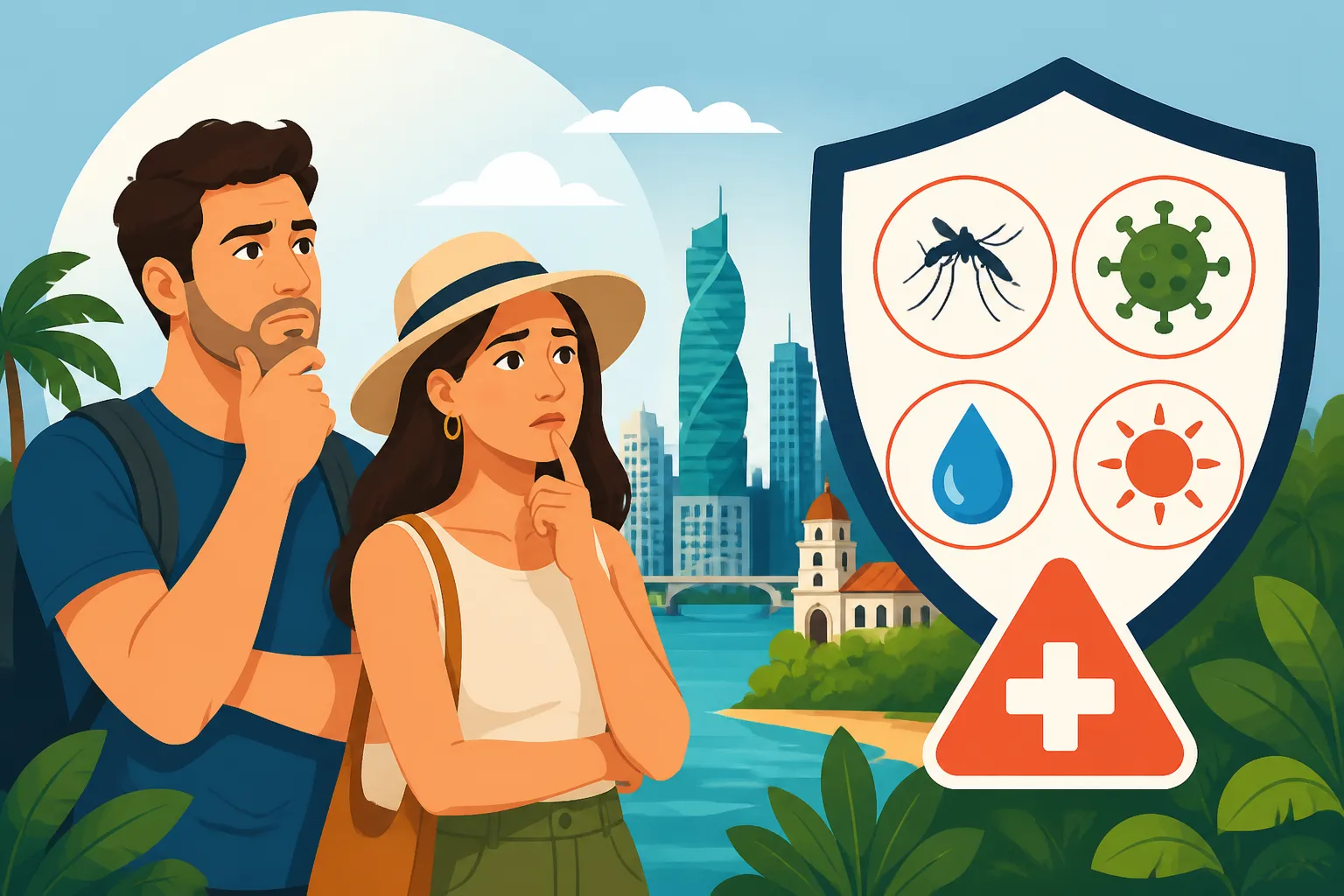
Ah, the ubiquitous mosquito. In Panama, these little buzzers aren't just annoying; they can be carriers of some serious illnesses. You'll hear talk of dengue, Zika, and chikungunya, all viral infections transmitted by the Aedes aegypti mosquito, which is most active during the day. Malaria, while less common in urban centers like Panama City, is still a concern in more rural or jungle-dense areas, particularly in provinces bordering Colombia like Darién, and is spread by the Anopheles mosquito, which is active at night.
The symptoms for dengue, Zika, and chikungunya often overlap: fever, joint pain, muscle pain, headache, and rash. Dengue can sometimes progress to a more severe form, which is why early detection and medical attention are crucial. Zika is particularly concerning for pregnant women due to its link to birth defects.
Self-care Tip: Prevention is your best defense. This means liberal use of insect repellent containing DEET, picaridin, or oil of lemon eucalyptus. Wear long sleeves and pants, especially during peak mosquito activity (dawn and dusk for Anopheles, daytime for Aedes). Ensure your accommodation has intact window screens and consider sleeping under a mosquito net if you're in a more rustic setting. Eliminating standing water around your home – even tiny amounts in plant pots or old tires – is vital to prevent mosquito breeding.
Food and Waterborne Illnesses
Panama boasts an incredible array of fresh fruits, delicious street food, and vibrant local cuisine. But your stomach, especially when first adjusting, might not be as adventurous as your taste buds. Traveler's diarrhea is a common complaint among newcomers, often caused by bacteria like E. coli or parasites. More serious infections like giardia, cryptosporidium, or even hepatitis A can also be transmitted through contaminated food or water.
The tap water in Panama City and most major towns is generally considered safe to drink and is treated, but your gut might not agree, especially in rural areas. Many expats opt for bottled water or use a water filter system for drinking and cooking, at least initially. When eating out, observe hygiene practices: are food vendors handling money and food with the same hands? Is the food kept hot or properly refrigerated?
Self-care Tip: Be mindful of what you consume. Stick to cooked foods, peeled fruits (like bananas, oranges, papayas), and pasteurized dairy products. Avoid salads or unpeeled fruits unless you know they've been properly washed with safe water. Street food can be delicious, but exercise caution; look for busy stalls with high turnover, as this usually means the food is fresh. Always wash your hands thoroughly with soap and water before eating, or use an alcohol-based hand sanitizer.
Other Infectious Concerns
Beyond the immediate suspects, there are other infectious diseases to be aware of. Respiratory infections, including various strains of flu and common colds, can spread quickly in densely populated areas, just like anywhere else. Though less common, certain fungal infections are more prevalent in tropical climates due to the humidity. For instance, skin fungal infections can occur, particularly in warm, moist areas of the body if hygiene isn't meticulously maintained.
Self-care Tip: Maintain good personal hygiene, especially handwashing. If you're someone who often picks up colds, consider wearing a mask in crowded indoor spaces during flu season. For skin health, keep dry after showers and use antifungal powders if you're prone to such issues, especially if you spend a lot of time sweating or in humid conditions. It’s also wise to make sure your Understanding Childhood Vaccination Schedules in Panama are up to date, and if you have kids, check on their What Vaccinations Are Required for Children in Panama?.
Environmental and Lifestyle Health Considerations
Life in Panama often means more time outdoors, embracing the sunshine and natural beauty. But this tropical paradise also comes with its own set of environmental realities that require a bit of savvy to navigate safely.
Sun Exposure and Skin Health
The Panamanian sun, being so close to the equator, is incredibly strong. You’ll feel its intensity, and it doesn't take long for fair skin to burn. Chronic sun exposure doesn't just lead to painful sunburns; it significantly increases your risk of skin cancer over time. Many expats who spent their lives in more temperate climates are surprised by how quickly the sun can impact their skin here.
Even on cloudy days, a substantial amount of UV radiation penetrates the clouds. This is a critical factor to remember, especially if you're out enjoying the beaches, hiking through national parks, or simply going about your daily errands.
Self-care Tip: Sunscreen is non-negotiable. Opt for a broad-spectrum sunscreen with an SPF of 30 or higher and reapply it frequently, especially after swimming or sweating. Seek shade during peak sun hours (typically 10 AM to 4 PM). Wear wide-brimmed hats, sunglasses, and lightweight, long-sleeved clothing with UPF protection if you're going to be outdoors for extended periods. Regularly check your skin for any unusual moles or changes and consult a doctor if you have concerns.
Heat-Related Illnesses and Dehydration
Panama’s tropical climate means high temperatures and even higher humidity for much of the year, particularly in coastal areas and lowlands. This combination can make it challenging for your body to cool itself through sweating, leading to a risk of heat-related illnesses like heat exhaustion and, in severe cases, heatstroke. Dehydration is a constant companion if you're not proactive about fluid intake.
Symptoms of heat exhaustion include heavy sweating, weakness, dizziness, nausea, headache, and muscle cramps. Heatstroke is a medical emergency with symptoms like a high body temperature (above 104°F or 40°C), hot, red, dry or moist skin, rapid and strong pulse, and confusion or unconsciousness.
Self-care Tip: Hydration is key. Drink plenty of water throughout the day, even if you don't feel thirsty. Carry a reusable water bottle and refill it regularly. Electrolyte-rich drinks can be beneficial, especially if you're sweating a lot or engaging in physical activity. Avoid excessive alcohol and sugary drinks, as they can contribute to dehydration. Dress in light-colored, loose-fitting clothing made from breathable fabrics. Take frequent breaks in the shade or air conditioning when engaging in outdoor activities.
Accident and Injury Prevention
Whether you're driving on Panamanian roads, exploring nature, or simply navigating city sidewalks, accidents and injuries are a real concern. Traffic can be chaotic, roads in rural areas might be poorly maintained, and sidewalk conditions in cities like Panama City can be, shall we say, "challenging" with unexpected potholes or uneven surfaces. Outdoor activities like hiking in the jungle or swimming in rivers and the ocean also carry inherent risks.
Self-care Tip: When driving, be extra vigilant and defensive. Consider taking taxis or ride-shares, especially in busy urban areas. For pedestrians, always watch your step, especially after dark. If you're adventuring outdoors, go with a reputable guide, inform someone of your itinerary, and ensure you have appropriate gear. Always swim in designated areas and be aware of currents, especially at beaches with stronger surf. Having a comprehensive Emergency Medical Care in Panama: What Every Expat Needs to Know plan is also crucial.
Non-Communicable Diseases and Healthcare Access Challenges
Beyond the immediate threats of infections and environmental factors, expats in Panama also need to consider how the local healthcare system can support their ongoing health needs, especially for chronic conditions and mental well-being.
Managing Chronic Conditions Abroad
If you live with a chronic condition like diabetes, hypertension, or a heart condition, managing it effectively in a new country can be daunting. You'll need to find new doctors, navigate a different pharmacy system, and ensure a consistent supply of your essential medications. Transferring medical records can be a bureaucratic headache, and the names or availability of certain drugs might differ from what you’re used to.
Panama has a dual healthcare system, with both public (Caja de Seguro Social – CSS) and private options. While the private hospitals and clinics, especially in Panama City, are excellent and often have English-speaking staff, access to specialists or specific medications might still require some adjustment.
Self-care Tip: Before you move, gather all your medical records, including prescriptions, diagnostic test results, and a summary of your medical history from your current doctor. Bring an ample supply of your medications for at least a few months. Once in Panama, prioritize finding a primary care physician and any necessary specialists. Ask fellow expats for recommendations for doctors, and don't hesitate to visit a few until you find one you trust. You can learn more about finding the right care in our guide on How to Find an English-Speaking Doctor in Panama. Familiarize yourself with the Prescription Medications and Pharmacies in Panama: The Complete Guide system early on.
Mental Health and Adjusting to Expat Life
Expat life, while exciting, isn't always sunshine and rainbows. The challenges of adapting to a new culture, language barriers, leaving behind a support network, and dealing with administrative hurdles can take a significant toll on your mental health. Feelings of isolation, loneliness, anxiety, and even depression are not uncommon, particularly during the initial adjustment phase, often referred to as culture shock.
It's easy to feel like you "should" be happy because you're living in a beautiful place, but these feelings are valid and normal. Ignoring them can lead to more serious issues.
Self-care Tip: Acknowledge that cultural adjustment is a process, and it's okay to have tough days. Actively seek out expat groups, social clubs, or community activities to build a new support network. Maintain communication with friends and family back home. Prioritize self-care, whether that's exercise, hobbies, or mindfulness. If you find yourself struggling significantly, don't hesitate to seek professional help. There are English-speaking therapists and counselors available in Panama City and some other larger expat communities. Our article on How to Access Mental Health Services in Panama as an Expat can provide more resources.
Navigating the Healthcare System for Specific Risks
Understanding how to access care when a specific health risk arises is crucial. Whether it's a sudden onset of dengue symptoms, a nasty cut from a hiking fall, or an unexpected flare-up of a chronic condition, knowing the pathways to treatment saves valuable time and reduces stress. The private hospitals, like Hospital Punta Pacifica or Hospital Nacional, often have emergency rooms that cater to international patients and are generally where expats head for urgent care.
However, for routine concerns, understanding the primary care system, how referrals work, and which clinics are best for what needs can be a learning curve. For a broader overview, you should definitely check out The Complete Guide to Healthcare in Panama for Expats (2027).
Self-care Tip: Spend some time Understanding How to Choose a Hospital in Panama and familiarizing yourself with the hospitals and clinics nearest to your home. Keep a list of emergency numbers, including the general emergency number (911) and your doctor's contact details. Make sure your health insurance information is easily accessible.
Proactive Health Management and Travel Preparedness
Being proactive about your health is not just about reacting when something goes wrong; it's about setting yourself up for success. This includes getting the right vaccinations, packing a smart medical kit, and, critically, having appropriate health insurance.
Vaccinations and Pre-Travel Consultations
Before you even step foot in Panama, or soon after arrival, a visit to a travel health clinic or your doctor for a pre-travel consultation is highly recommended. They can advise you on routine vaccinations that might be recommended for Panama, such as hepatitis A and B, typhoid, and a booster for tetanus-diphtheria-pertussis (Tdap) and measles-mumps-rubella (MMR). Yellow fever vaccination is often recommended if you plan to travel to certain rural or jungle areas, especially near the Darién Gap, though it's not typically required for entry unless you're coming from a country with high yellow fever transmission.
Self-care Tip: Don't rely on guesswork. Get professional advice on which vaccinations are right for your specific travel plans and health history. Ensure your routine vaccinations are up to date. Keep a record of your vaccination history handy. This is particularly important if you're relocating with family, so consider our guide on Understanding Childhood Vaccination Schedules in Panama.
Essential Medical Kit and Emergency Planning
Even with the best preparation, minor ailments or injuries can happen. A well-stocked personal medical kit can address many common issues without an immediate trip to the pharmacy or doctor. Think about what you might need for common expat complaints or minor emergencies.
For more significant emergencies, knowing what to do and having a plan is paramount. This includes knowing your closest emergency services, having relevant contact numbers, and understanding how to communicate your needs in Spanish if necessary.
Self-care Tip: Your medical kit should include:
- Basic first aid: Band-aids, antiseptic wipes, gauze, medical tape.
- Pain relievers/fever reducers: Ibuprofen or acetaminophen.
- Antihistamines: For allergic reactions or insect bites.
- Anti-diarrhea medication: Loperamide (Imodium).
- Oral rehydration salts: Crucial for battling dehydration from heat or illness.
- Topical anti-itch cream: For mosquito bites or rashes.
- Prescription medications: Enough for an extended period, plus copies of your prescriptions.
- Sunscreen and insect repellent.
- Hand sanitizer.
Beyond the kit, discuss emergency scenarios with your family. Ensure everyone knows Understanding Emergency Numbers (911) and Ambulance Care in Panama and how to contact them, along with where important documents are kept.
Health Insurance: Your Safety Net
Perhaps the most critical piece of your proactive health management in Panama is having robust health insurance. While Panama offers public healthcare through the CSS, many expats opt for private health insurance due to shorter wait times, access to private hospitals, and often English-speaking staff. Without insurance, medical costs can quickly become substantial, especially for emergencies or serious illnesses.
When choosing a plan, consider factors like coverage for pre-existing conditions, international coverage (if you travel frequently), and direct billing options with major hospitals. Many expats choose a local Panamanian private insurance plan once they are established, but for newcomers, or those who travel frequently, an international health insurance provider like SafetyWing might be a good short-term or supplementary option, especially if you're just getting your feet wet or need coverage that follows you wherever you go. Finding the right coverage is addressed in Health Insurance in Panama: Private and International Options Explained and for those looking specifically at local options, How to Choose Private Health Insurance in Panama (2027) is a great resource.
Self-care Tip: Research your insurance options thoroughly before or soon after your arrival. Understand your coverage limits, deductibles, and what is not covered. Keep your insurance card and policy details readily accessible. If you're on a tourist visa or still figuring out your long-term residency, consider a travel medical insurance like SafetyWing to ensure you're covered for unexpected illnesses or accidents. Even if you have an employer-provided plan, understand its limitations and whether an international policy like SafetyWing could fill any gaps, particularly for travel outside Panama.
Here's a quick overview of some common health risks:
| Health Risk Category | Specific Concerns | Common Symptoms | Prevention & Management |
|---|---|---|---|
| Infectious Diseases | Dengue, Zika, Chikungunya, Malaria | Fever, joint/muscle pain, rash, headache | Insect repellent, protective clothing, mosquito nets, eliminate standing water. |
| Traveler's Diarrhea, Hepatitis A | Nausea, vomiting, diarrhea, abdominal cramps | Bottled water, cooked food, peeled fruits, hand hygiene. | |
| Environmental Concerns | Sunburn, Skin Cancer | Redness, pain, blisters; unusual moles | Sunscreen (SPF 30+), hats, sunglasses, seek shade, regular skin checks. |
| Heat Exhaustion, Heatstroke | Dizziness, weakness, headache, heavy sweating | Hydration, loose clothing, avoid peak sun, rest in shade/AC. | |
| Accidents & Injuries | Traffic accidents, falls, outdoor injuries | Fractures, cuts, sprains | Defensive driving, watch steps, guided outdoor activities, appropriate gear. |
| Chronic/Mental Health | Managing pre-existing conditions, stress, depression | Varies; anxiety, sadness, isolation, mood changes | Comprehensive medical records, find local doctors, expat support groups, professional counseling. |
Navigating health in a new country can feel like a lot, but by understanding these common risks and taking proactive steps, you can significantly reduce potential issues. Remember, your health is your most valuable asset, especially when you're making a new life for yourself in a place as vibrant and exciting as Panama.
Disclaimer
The information provided in this guide is intended for general informational purposes only and does not constitute medical advice. While we strive to provide accurate and up-to-date information, healthcare guidelines and recommendations can change. Always consult with a qualified healthcare professional or your doctor for any health concerns or before making any decisions related to your health or treatment.