Can I Extend My Tourist Stay in Panama?
Oh, the age-old expat dilemma: you arrive in Panama, fall head over heels for its vibrant culture, stunning landscapes, and laid-back pace, and suddenly, those 90 days on your tourist stamp feel like they're flying by way too fast. You find yourself wondering, "Can I actually stay longer? Is there a way to extend this amazing journey without having to pack up and leave?" You're not alone in that thought; it’s one of the most common questions newcomers and even seasoned temporary visitors grapple with. This guide is going to walk you through the nitty-gritty of extending your tourist stay in Panama, covering the official routes, the risks of unofficial shortcuts, and what you really need to consider if you're hoping to call this tropical paradise home for a little longer.
Understanding Panama's Initial Tourist Stay Rules
When you first arrive in Panama, whether it's by air at Tocumen International Airport or crossing a land border, you'll typically be granted a specific period of stay. For many nationalities, especially those from North America and most European countries, this isn't a pre-approved visa in the traditional sense, but rather a stamp in your passport that permits entry for a certain duration. This initial period is absolutely crucial to understand, as it sets the stage for any potential extension.
The Standard 90-Day Allotment and What It Means for You
More often than not, upon entry into Panama, immigration officials will grant you a tourist stay of 90 days. It's important to realize that while Panamanian law allows up to 180 days for citizens of many "friendly nations" and other eligible countries, the initial stamp you receive is almost always for 90 days. This isn't a mistake or an oversight; it's standard operating procedure. This 90-day period begins the moment your passport is stamped, and that's your official countdown.
Imagine arriving at Tocumen, fresh off the plane, and handing your passport to the immigration officer. They flip through it, ask a quick question or two, and then thwack – there's the stamp. You might not even notice the "90 days" written in tiny script next to the entry date. But trust me, that number is your golden ticket, and your clock has officially started ticking. Missing this detail can lead to a lot of stress down the line, so always double-check your stamp before you even leave the immigration counter. It’s your responsibility to know when your legal stay expires.
Who Needs a Visa and Who Gets a Stamp?
The distinction between needing a pre-arranged visa and simply receiving an entry stamp is vital. Citizens of certain countries, like the United States, Canada, most European Union nations, and many Latin American countries, generally do not require a visa in advance to enter Panama for tourism. They typically just get the aforementioned 90-day stamp upon arrival. The immigration officer, however, has the final say and can grant less or, in some rare cases, more, depending on their discretion and your presented documents.
On the flip side, individuals from many other countries do need to apply for a tourist visa through a Panamanian consulate or embassy before they even travel to Panama. For these individuals, the process of extending a stay can be more complex, as it involves an existing visa, not just a simple entry permit. Regardless of whether you need a visa or just receive a stamp, the underlying principle is that your authorized stay has a clear end date. Always check the official Panamanian immigration website or consult with a consulate in your home country before planning your trip to understand your specific requirements. This step alone can save you immense headaches later on.
The Official Process for Extending Your Tourist Stay in Panama
So, you've enjoyed your 90 days, and you're not ready to leave. Maybe you've found a project you want to finish, or you're just enjoying the beach life in Pedasí too much to pack up. Good news: Panama does offer an official route to extend your tourist stay. However, like much of the bureaucracy here, it requires patience, preparation, and a good understanding of the system.
Applying for an Extension at Immigration Servicio Nacional de Migración
If you want to do things by the book, your first step is to visit the Servicio Nacional de Migración (National Immigration Service) office. For most people, this means heading to the main office in Panama City, which can be an experience in itself! However, there are also regional offices in places like David, Chiriquí, or Santiago, Veraguas, if you're living outside the capital. It’s always a good idea to confirm if your local office handles extensions for tourists, as services can vary.
The process typically involves filling out an application form, paying a fee, and submitting a stack of supporting documents. Don't expect a quick in-and-out visit; Panamanian government offices are famous for their waiting times, so bring a book, stay hydrated, and practice your Spanish. The fee for an extension typically ranges from $50 to $100, but always confirm the current amount, as it can change. Remember, this isn't a guaranteed extension; it's an application that will be reviewed by immigration authorities, and the final decision rests with them.
Required Documents and Proving Solvency
This is where many people stumble. The Panamanian immigration authorities want to see that you are genuinely a tourist, have enough funds to support your extended stay, and intend to leave the country. You'll need to gather several documents, and it's best to have them all in order before you even set foot in the immigration office.
Here's a list of typical documents they'll ask for:
- Your original passport: Ensure it's valid for at least six months beyond your proposed extended stay.
- Photocopies of your passport: Usually the biographical page and the page with your entry stamp.
- Completed application form: You can often get this at the office or sometimes download it online.
- Two passport-sized photos: White background, no glasses or hats, recent.
- Proof of economic solvency: This is critical. They want to see that you can support yourself without working illegally. This could be recent bank statements (showing a balance of at least $500-$1000 for your stay), credit card statements, an employment letter from your home country, or even a notarized letter from someone else stating they will support you. The more proof you have, the better.
- Onward or return ticket: Even for an extension, they want to see that you have a plan to leave Panama. This can be an airline ticket or a bus ticket to a neighboring country.
- Receipt of fee payment: You’ll typically pay this at a specific bank window within or near the immigration office.
Sometimes, for more complex residency applications, you might need documents to be apostilled, but for a simple tourist extension, this is less common. However, having all your financial documents clearly showing sufficient funds is paramount. Many an expat has had their application delayed or denied because their bank statements didn't clearly demonstrate they weren't going to become a burden. For more complex document requirements related to longer stays, you might find guidance in articles like What Documents Do I Need for Panama Residency?.
The "Voluntary Departure" Extension Prórroga de Estadía
The official term for a tourist extension in Panama is often referred to as a "Prórroga de Estadía" or "Voluntary Departure" extension. This extension is typically granted for an additional 30 or 60 days, bringing your total stay up to a maximum of 180 days for those nationalities eligible for the 180-day allowance. It's rare, though not impossible, to get another full 90 days. The crucial thing to remember is that this is not an automatic right. It's a privilege granted at the discretion of the immigration authorities.
They will evaluate your reasons for the extension, your financial solvency, and your overall track record. If they suspect you're trying to live in Panama permanently on a tourist visa or are working illegally, your application will likely be denied. While the process exists, it’s far from a rubber stamp. Don't go into it expecting to walk out with an immediate approval. Be prepared for follow-up questions, potential requests for additional documentation, and sometimes, simply being told "no." This is a temporary solution, not a pathway to long-term residency.
Common Pitfalls and Alternatives to Extending Your Tourist Stay
While the official extension process is there, many expats and tourists, often out of frustration with bureaucracy or a misunderstanding of the rules, explore other avenues. Some of these can be legitimate, while others carry significant risks. It's vital to be aware of both.
The Border Run: A Risky Strategy
Ah, the infamous "border run." This is a widely practiced, though increasingly risky, strategy for those looking to extend their stay without going through the official extension process. The idea is simple: before your 90 days are up, you leave Panama (often by bus to Costa Rica or by plane to a nearby country) and then re-enter, hoping to get a fresh 90-day stamp. For some, it works like a charm; they get a new stamp and continue their Panamanian adventure.
However, immigration authorities are becoming increasingly aware of and less tolerant of this practice. While it used to be a fairly reliable method, now you might return to Panama only to be granted a 30-day stay, or worse, be questioned intensely about your intentions. If officials suspect you're trying to live in Panama permanently on a tourist visa, or engaging in "perpetual tourism," they can deny you re-entry altogether. I've heard too many stories of people trying this one too many times and finding themselves suddenly stuck outside the country, unable to return. It's an unwritten rule that shouldn't be relied upon. While it might seem like a quick fix, it's not without significant peril.
Overstaying Your Welcome: Penalties and Consequences
This is the path you absolutely, unequivocally must avoid. Overstaying your legal period of stay in Panama, even by a day, comes with penalties. The Panamanian government imposes fines for overstays, typically calculated per month or part thereof that you have remained beyond your authorized date. As of early 2024, the fine for overstaying is usually around $50 per month, or part of a month, though this can vary and accumulate over time. The longer you overstay, the larger the fine will be, often capped at a certain amount (e.g., $1000 or $2000).
Beyond the financial penalty, overstaying can have far more serious implications. It can negatively impact any future attempts to apply for a legitimate residency visa or even re-enter Panama as a tourist. Immigration records are becoming more sophisticated, and a history of overstaying can flag you as a risk. Imagine trying to get your dream Friendly Nations Visa in Panama (2026) only to have your application complicated by a past overstay. It's just not worth the risk, as it marks you in the system as someone who doesn't respect the laws. For a deeper dive into the repercussions, check out What Happens If I Overstay My Visa in Panama?.
Considering Longer-Term Residency Options When a Tourist Stay Isn't Enough
If you're repeatedly looking to extend your tourist stay, it might be a sign that a tourist visa isn't truly suited for your long-term intentions. Panama offers various residency programs that are designed for individuals who wish to live here for extended periods, or even permanently. These options provide a legal, stable pathway to reside in the country, allowing you to settle in, open bank accounts more easily, and often obtain a work permit.
Programs like the Pensionado (Retiree) Visa in Panama (2026) are fantastic for retirees, offering benefits and a clear path to residency based on a stable pension income. For professionals or entrepreneurs from specific countries, the Understanding the Friendly Nations Visa in Panama (2027) could be an excellent option. There are also residency options through investment, or for those with family ties. If Panama is truly becoming your second home, exploring these legitimate residency pathways is a far more sustainable and stress-free solution than constantly trying to navigate tourist extensions or border runs. When you decide to make that move, companies like Sirelo can be invaluable partners in helping you manage the logistics of an international relocation. They specialize in making the often-daunting task of moving your belongings across borders a much smoother process, allowing you to focus on the immigration details.
Practical Tips and Important Considerations
Navigating any bureaucratic process in a foreign country can be challenging, and Panama is no exception. A bit of foresight and preparation can save you a lot of grief.
Seek Professional Advice
While this guide provides a general overview, every individual's situation can be unique. If you're encountering complications, have specific questions, or are considering a more long-term stay beyond a simple tourist extension, seeking professional advice is highly recommended. A reputable Panamanian immigration lawyer can provide personalized guidance, help you understand the nuances of the law, and assist with document preparation. They understand the intricacies of the system and can often anticipate potential issues.
It's tempting to rely on advice from fellow expats in online forums or Facebook groups, and while their shared experiences can be helpful, laws and regulations change. What worked for someone a few years ago might not be applicable today. An official lawyer is your best bet for accurate, up-to-date information. They can ensure you're on the right track, whether you're dealing with a temporary extension or planning for Permanent Residency in Panama (2026). The peace of mind alone is worth the investment, particularly when your legal status is at stake.
Be Prepared and Patient
If you've spent any time in Panama, you'll know that things generally move at a slower pace, and this includes government offices. Long queues, multiple visits, and unexpected requests for additional documents are not uncommon. It’s the Panamanian way. Embrace it. Trying to rush or becoming agitated will only make the process more difficult for you.
My advice? Start the extension process well in advance of your initial 90-day period expiring. Don't wait until the last week. Aim to begin at least 3-4 weeks before your deadline to give yourself ample buffer time for any unforeseen delays. Bring all the documents you think you might need, plus copies, and then some more copies just in case. A polite, patient, and respectful demeanor goes a long way with officials. Remember, you are asking for a favor, not demanding a right. And while you're patiently waiting, having reliable international health insurance like Cigna Global can offer immense comfort, ensuring that any unforeseen medical needs are covered without adding financial stress to your bureaucratic journey.
Financial Planning for Your Extended Stay
An extended stay, even just for an additional month or two, means additional expenses. Panamanian immigration authorities will want to see proof of your financial capacity to cover these costs. Beyond the extension fee itself, you'll need funds for your accommodation, food, transportation, and any other activities you plan to enjoy.
Budgeting for your extended period is crucial. Consider the average Cost of Living in Panama for Expats (2026), including daily expenses, and ensure your bank statements reflect sufficient funds to comfortably cover this. Don't forget to account for any potential lawyer fees if you decide to go that route. Having a clear financial plan will not only help your application but also ensure you can genuinely enjoy your extra time in Panama without financial stress. If your plans for an extended stay blossom into a permanent move, remember that companies like Sirelo can simplify the complex logistics of relocating all your cherished belongings to your new home in Panama. They offer services that allow you to plan and execute your move efficiently, whether it's just a few boxes or an entire household.
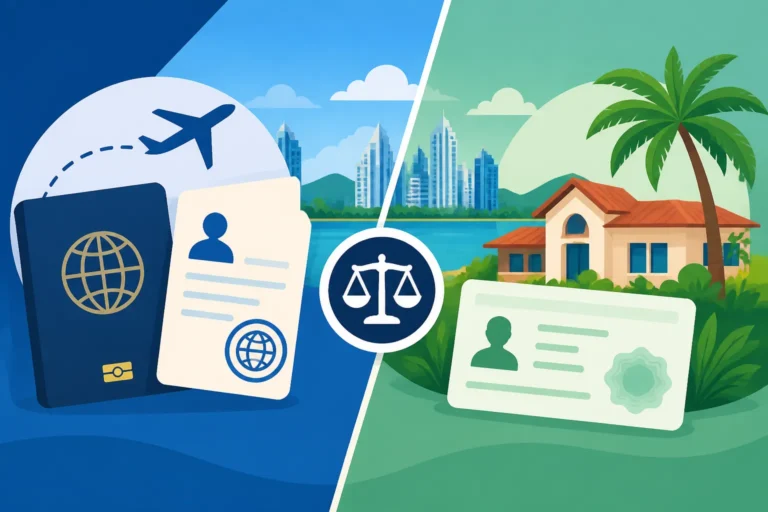
| Aspect | Official Extension (Prórroga de Estadía) | Border Run (Exit & Re-entry) |
|---|---|---|
| Legality | Fully legal and recognized by Panamanian immigration. | Technically legal to exit and re-enter, but frowned upon for frequent use as a visa loophole. |
| Duration Granted | Typically 30-60 additional days (total 180 days maximum for eligible nationalities). | Variable; can be 90 days, 30 days, or even denial of re-entry. |
| Bureaucracy | Requires visits to immigration office, forms, documents, waiting. | No direct immigration application, but still deals with border officials. |
| Cost | Application fee ($50-$100+), potential lawyer fees. | Travel costs (bus/flight), border crossing fees. |
| Risk of Denial | Moderate; based on documentation, solvency, and immigration discretion. | High; increasingly scrutinized by immigration, risk of refusal of re-entry or shorter stamps. |
| Future Impact | Positive; demonstrates compliance. | Negative if done repeatedly; can flag you for future issues. |
| Proof of Funds | Required (bank statements, etc.). | Generally required for re-entry, but less formally reviewed. |
| Convenience | Can be time-consuming and frustrating. | Can be quicker if successful, but involves travel. |
Disclaimer
Please remember that immigration laws and procedures are subject to change without notice. This guide provides general information based on current understanding and common experiences. It is always advisable to consult directly with the Panamanian Servicio Nacional de Migración or a qualified immigration lawyer for the most up-to-date and personalized advice for your specific situation.