Understanding Emergency Numbers (911) and Ambulance Care in Panama
Let's be real for a moment: when you move to a new country like Panama, one of the biggest anxieties lurking in the back of your mind is, "What happens if there's a medical emergency?" It's a valid concern. You're suddenly in a place where the language, the systems, and even the simple act of dialing for help can feel overwhelming and confusing. This guide is here to cut through the noise, explaining exactly how emergency services, especially the 911 system and ambulance care, work in Panama, and what you, as an expat or tourist, need to know to stay safe and prepared.
The Basics of Emergency Services in Panama: Understanding 911
When you dial 911 in your home country, there’s an almost instinctual trust that help is on its way, quickly and efficiently. In Panama, 911 is indeed the official emergency number, but the reality of how it operates can sometimes differ from what you might be used to. It's not a unified, federal system in the same way some other countries have, which means understanding its nuances is crucial for any foreigner living or traveling here.
What 911 Really Means in Panama
Panama's 911 system is designed to connect you to various emergency services: police, fire, and medical assistance. However, it's managed at a more local level and might not always integrate seamlessly across all provinces or specific regions. In Panama City, the system is generally more robust and staffed, but as you venture into more rural or remote areas, the effectiveness and speed of the response can vary significantly. This isn't to scare you, but to set realistic expectations.
For instance, if you're in a bustling area of Panama City like El Cangrejo and dial 911 for a sudden medical crisis, you'll likely connect to an operator who can dispatch the proper authorities. However, if you're deep in the Azuero Peninsula, the same call might connect you to a local police station or a general dispatcher who then needs to manually contact the nearest ambulance service, which might be a volunteer fire department. The system is there, it works, but it often relies on local resources and communication networks, which aren't always state-of-the-art. Knowing this helps you manage your expectations and prepare for potential delays.
When to Call 911 (and When Not To)
This is a critical distinction for expats in Panama. While 911 is for genuine emergencies, its scope isn't always as broad as in some Western countries. A true emergency in Panama warrants a 911 call: a serious accident, a sudden life-threatening medical condition, a fire, or a crime in progress. Think heart attack, severe trauma from a car crash, or witnessing a robbery. For these situations, 911 is your first port of call.
However, for non-life-threatening situations, dialing 911 might not be the most effective or even appropriate action. If you have a fever but aren't acutely ill, or need general medical advice, calling 911 will tie up resources that could be used for a true emergency. For less urgent medical needs, it's often better to contact your private clinic, an English-speaking doctor in Panama, or a hospital's direct line. Many private hospitals, especially in Panama City, have their own emergency lines or direct admission procedures that can often bypass the general 911 system, particularly if you have private health insurance. Consider if your issue truly requires an immediate, public-funded emergency response, or if it's something that can be handled by a private medical provider or a walk-in clinic during regular hours. This distinction can save you time and frustration, and ensure that 911 is available for those who need it most.
Navigating Ambulance Services in Panama
When it comes to ambulance services in Panama, it’s not always a straightforward system where one type of service covers everything. Expats often discover a dual system at play, with significant differences in speed, equipment, and cost. Understanding these distinctions is paramount, especially when every second counts in a crisis.
Public vs. Private Ambulance Services: What's the Difference?
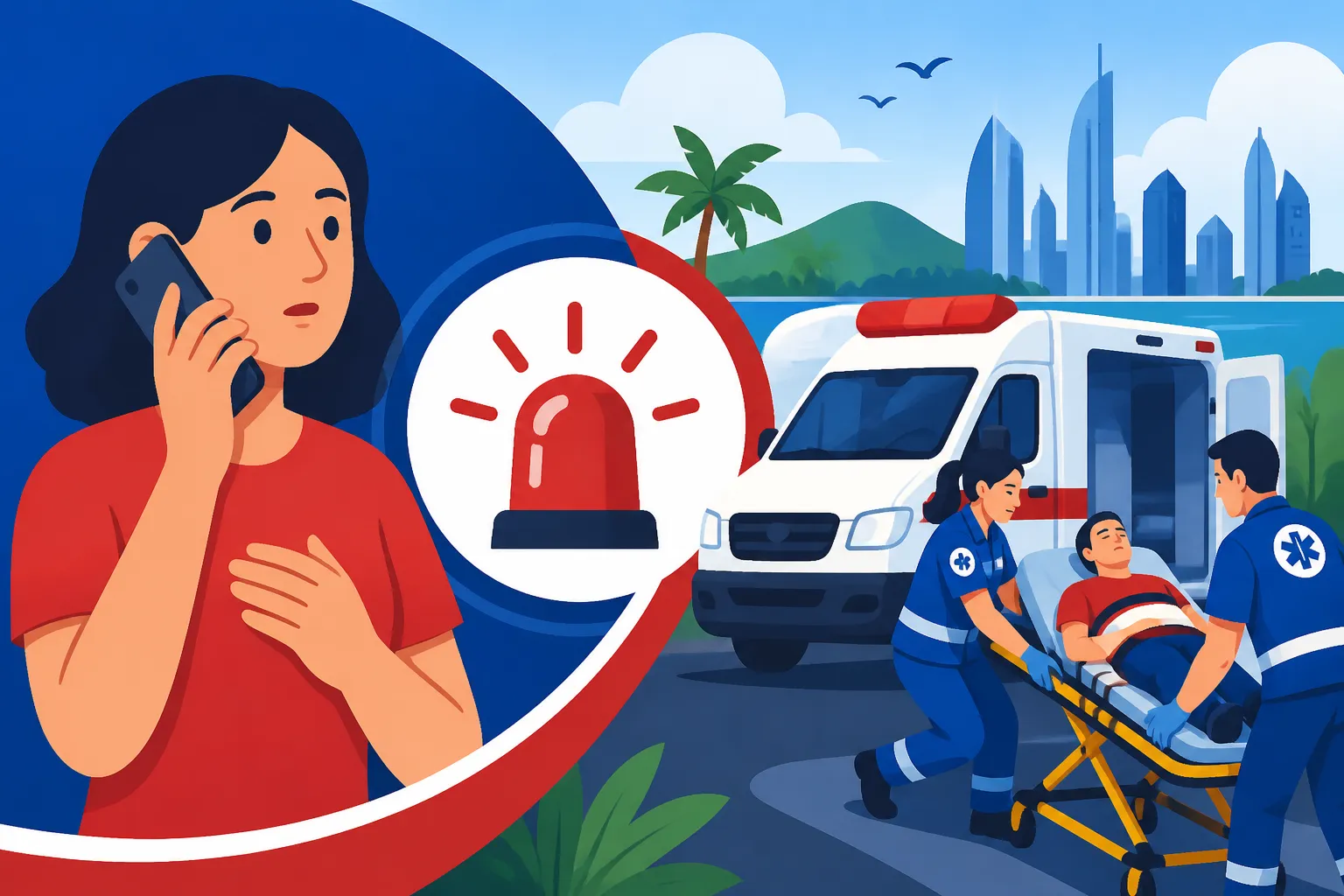
In Panama, you'll primarily encounter two types of ambulance services: public and private. The public ambulance service is typically dispatched through the 911 system and is operated by the Benemérito Cuerpo de Bomberos (Fire Department) or the Caja de Seguro Social (CSS), which is the public social security health system. These services are technically available to everyone, regardless of insurance or ability to pay. They provide essential emergency transport and initial medical care. However, the level of equipment, the training of the personnel, and the overall response time can sometimes be inconsistent, particularly outside of the main metropolitan areas.
On the other hand, Panama also has several private ambulance services. These are often run by or affiliated with private hospitals, such as Hospital Punta Pacifica or Hospital Nacional, or independent medical assistance companies. If you have private health insurance in Panama, or even some international travel insurance plans, you might have access to these private ambulances. They are generally known for quicker response times, more advanced medical equipment, and highly trained paramedics, some of whom may speak English. While the public system is a safety net, if you have the option, a private ambulance can offer a significantly higher level of service and peace of mind during a critical moment. It's truly a case where you often get what you pay for, or what your insurance covers.
The Realities of Response Times and Availability
Let's talk frankly about response times. In Panama City, you can generally expect a quicker response from both public and private ambulances compared to rural areas. Public ambulances, dispatched through 911, can sometimes face delays due to traffic, resource allocation, or, at times, communication issues. There have been instances where expats have reported waiting longer than ideal for a public ambulance, especially if the situation isn't immediately perceived as life-threatening or if it's during peak traffic hours. The infrastructure can be challenging, and while efforts are made to improve it, it's a reality you should be aware of.
Private ambulance services, especially those tied to major private hospitals or dedicated medical assistance providers, usually boast much faster response times. They often have dedicated vehicles and dispatch teams, and their network is designed for efficiency. For example, if you live in a popular expat area and have a direct line to a private medical service, their response might be significantly quicker. This is why many expats choose to invest in comprehensive health insurance in Panama that includes private ambulance coverage or sign up for a medical alert service that has its own private ambulance fleet. Don't assume the same response time you might get in New York or London; a little planning can go a long way here.
Who Pays for the Ride? Costs and Insurance Considerations
This is a big one for many foreigners: the cost of ambulance care in Panama. If you use the public ambulance service dispatched via 911, the service itself is generally covered as part of the public health system. You won't typically receive a bill for the ambulance ride itself, though subsequent medical treatment at a public hospital or CSS facility would follow their respective billing procedures.
However, if you opt for a private ambulance service, be prepared for a fee. The cost of an ambulance in Panama, specifically a private one, can range from $100 to upwards of $500, depending on the distance, the services rendered (e.g., advanced life support), and the specific provider. This is where your health insurance really comes into play. Most private health insurance in Panama, especially plans designed for expats, will cover private ambulance transport. It's crucial to understand your policy's terms regarding emergency transportation. Some policies might require you to call a specific number first or only cover transport to their affiliated hospitals.
For those without comprehensive local health insurance, or those who are just visiting, international travel insurance often includes emergency medical evacuation and ambulance coverage. Companies like SafetyWing, for example, are known for offering travel medical insurance that can cover such unexpected costs, which is a massive relief if you face an emergency and need a private ambulance, or even air ambulance services in more dire situations. Even if you're feeling healthy, understanding What Happens If I Get Sick Without Insurance in Panama? – especially for ambulance services – is vital. Always check your coverage details before you need them.
| Service Type | Dispatch Method | Typical Response | Cost | Coverage |
|---|---|---|---|---|
| Public | 911 | Variable | Free | General CSS/Public System |
| Private | Direct Call, 911 (sometimes) | Faster | $100-$500+ | Private Health Insurance, International Travel Insurance |
What to Expect When You Call 911
Making that emergency call in a foreign country can be daunting, especially when adrenaline is pumping and language barriers might be present. Knowing what to expect when you dial 911 in Panama can help you stay calm and provide the necessary information effectively.
Communicating with Operators: Language Barriers and Essential Information
When you call 911 in Panama, there's a good chance the operator will speak Spanish. While some operators, especially in Panama City, might have basic English skills, it's not guaranteed. This is perhaps one of the most frustrating hurdles expats face during an emergency. Imagine trying to explain complex medical symptoms or a detailed accident scene in a language you're not fully fluent in – it's incredibly stressful.
Therefore, it's highly advisable to learn some basic emergency phrases in Spanish. Even better, if you're with someone who speaks fluent Spanish, have them make the call. When you do call, be prepared to provide concise and critical information:
- "¿Cuál es tu emergencia?" (What is your emergency?): State clearly what the emergency is (e.g., "Necesito una ambulancia, hay un accidente automovilístico" – I need an ambulance, there's a car accident; or "Mi esposo tiene un dolor de pecho muy fuerte" – My husband has severe chest pain).
- "¿Dónde estás?" (Where are you?): Provide your exact address, including the building name, apartment number, and any nearby landmarks. Panamanian addresses can sometimes be tricky, so being specific is key. "Estamos cerca de Multiplaza, en la Torre X, apartamento Y" is much more helpful than just "Via Israel."
- "¿Cuál es tu nombre y número de teléfono?" (What is your name and phone number?): Give your contact details so they can call you back if needed.
- "¿Hay alguien herido? ¿Cuántas personas?" (Is anyone injured? How many people?): Describe the situation briefly but accurately.
Keep the call focused, don't hang up until the operator tells you to, and be ready to repeat information if necessary. The goal is to convey the urgency and location as clearly as possible despite any language challenges.
First Responders: What to Prepare For
Once you've made the call, try to stay calm and prepare for the arrival of first responders. This might be police, firefighters (who often double as paramedics in the public system), or a private ambulance crew. If you called for a medical emergency, you'll likely see personnel in uniforms, often with basic medical equipment.
Here are a few things to keep in mind:
- Patience: Response times can vary, especially if you're outside a major city or during heavy traffic. Try to keep an eye out for them and be ready to flag them down if you're in a confusing location.
- Identification: Have your ID, passport, and health insurance information readily available. While not always asked for immediately in a life-or-death situation, it will be needed eventually.
- Medical Information: If the emergency is medical, have any relevant medical history, allergies, and current medications written down or easily accessible. This is invaluable information for paramedics.
- Crowds: In Panama, it's not uncommon for onlookers to gather at the scene of an emergency. Try to keep the area clear for the responders if possible, but don't be surprised by the curiosity.
- Documentation: If it's an accident, try to take photos or notes if you're able, but prioritize your safety and the care of the injured.
The first responders will assess the situation, administer initial care, and prepare for transport to the nearest appropriate hospital. Their priority will be stabilization and safe transit.
Arriving at the Hospital: The Initial Triage
When the ambulance arrives at the hospital, whether it's a public CSS hospital or a private facility like Hospital Nacional, you'll enter the triage process. This is where medical staff quickly assess the patient's condition to determine the severity of their illness or injury and prioritize treatment.
In private hospitals, this process might feel a bit more streamlined. You'll often be directed to a dedicated emergency room and seen by a doctor fairly quickly, particularly if the ambulance crew has communicated the severity of the case. They'll ask for your identification and insurance details upfront.
In public hospitals, especially if it's very busy, wait times can sometimes be longer, even for ambulance arrivals. This can be frustrating, especially if you're in pain or distress. Be prepared to wait, and ensure you have all necessary documents ready. The initial assessment might involve checking vital signs, a brief medical history, and deciding whether immediate intervention is needed or if you can wait for a full consultation. If you're a tourist, be aware that while hospitals will treat you in an emergency, they will expect payment. Knowing about Can Tourists Access Emergency Care in Panama? is essential. It's always a good idea to research Understanding Hospital Admission and Billing in Panama beforehand, if possible.
Beyond 911: Other Essential Emergency Contacts and Resources
While 911 is your primary point of contact for immediate, life-threatening emergencies, it’s far from the only resource you should have in your emergency toolkit as an expat in Panama. Building a robust network of alternative contacts can prove invaluable for various situations, some of which might not warrant a 911 call but still require urgent attention.
Local Police and Fire Department Numbers
Sometimes, an emergency might be specific to the police or fire department, and having direct local numbers can save you time, especially in smaller towns where the 911 system might route you through a central office that then needs to redirect your call.
- National Police (Policía Nacional): While 911 is supposed to dispatch police, knowing the direct non-emergency number for your local police station can be useful for reporting non-urgent crimes, seeking advice, or if 911 is busy. For example, in Panama City, the National Police also have a direct line: 104. This could be helpful if you need to report a theft that has already occurred and no immediate danger is present.
- Fire Department (Cuerpo de Bomberos): As mentioned, the fire department often handles public ambulance services. Their direct number, 103, is specifically for fire emergencies. If you see a fire and know its precise location, calling 103 might sometimes lead to a quicker dispatch of fire trucks than going through 911, though 911 should still be your first option for serious incidents where you also need medical help.
These direct lines are not meant to replace 911 for life-threatening situations but rather to supplement your emergency contacts for specific departmental needs or in circumstances where the 911 system might be overloaded or less efficient.
Your Embassy or Consulate
In any emergency abroad, your embassy or consulate is a crucial resource, especially if you're facing legal issues, need to replace lost travel documents, or require assistance with repatriation. While they cannot intervene in local legal matters or pay your medical bills, they can provide a vital link to resources and support.
Most embassies in Panama City maintain an emergency hotline for their citizens. For instance, the US Embassy, Canadian Embassy, and UK Embassy all have dedicated emergency contact information available on their websites. You should save this number in your phone the moment you arrive. They can help with:
- Notifying family members back home (with your permission).
- Providing lists of local lawyers or English-speaking doctors in Panama.
- Assisting with emergency passport issuance if yours is lost or stolen.
- Guidance on local laws and procedures.
Remember, they are there to help their citizens navigate foreign systems, not to act as a substitute for local emergency services. But having their number can be a lifeline in situations that go beyond immediate medical care.
Private Medical Assistance Hotlines and Why They Matter
This is where planning truly pays off for expats. Many private hospitals and clinics in Panama offer their own 24/7 emergency hotlines or dedicated medical assistance services. These can often be a more direct and efficient route to getting medical care than going through 911, particularly if you have a non-life-threatening but urgent medical issue.
For example, major private hospitals like Hospital Punta Pacifica or Hospital Nacional often have direct emergency numbers. If you're a patient there or plan to be, having their specific emergency line saved is a smart move. They can dispatch their own private ambulances, connect you directly to an on-call doctor, or advise you on whether to come to their emergency room. This bypasses the general 911 system entirely and can mean faster access to care, often with English-speaking staff.
Furthermore, some comprehensive health insurance plans for expats, including international providers like SafetyWing, offer their own medical assistance hotlines. These hotlines are staffed by professionals who can help coordinate emergency medical services, guide you to appropriate facilities, and even arrange for medical evacuation if necessary. This kind of service adds a significant layer of security and can greatly reduce stress during an emergency, ensuring you get the right care without navigating the local system alone. Understanding how to use these services is key to leveraging your health insurance in Panama effectively.
Preparing for Emergencies as an Expat
Living in Panama is generally safe and enjoyable, but being prepared for the unexpected is simply smart living, no matter where you are. As an expat, you often have to think a few steps ahead, anticipating potential hurdles that locals might not face, such as language barriers or unfamiliar administrative processes.
Building Your Emergency Contact List
This seems obvious, right? But it’s amazing how many people rely solely on 911 and don't take the time to build a comprehensive, localized emergency contact list. Your list should go beyond just the official numbers:
- Local Emergency Numbers: 911 (general emergency), 104 (National Police), 103 (Fire Department).
- Private Hospital Emergency Lines: If you have a preferred private hospital (e.g., Hospital Punta Pacifica, Hospital Nacional), save their direct ER or ambulance service numbers.
- Your Doctor's Contact: If you have an English-speaking doctor in Panama, their office number and perhaps an after-hours contact.
- Close Expat Friends/Neighbors: Someone who knows your location, speaks Spanish well, and can assist in communication or logistics.
- Your Embassy/Consulate: As discussed, their emergency line is critical.
- Insurance Provider's Emergency Hotline: This is paramount, especially if you have international or private health insurance. Companies like SafetyWing provide a 24/7 emergency assistance number for their policyholders. Knowing how to claim reimbursement from private insurance in Panama starts with knowing this number.
- Trusted Local Attorney: Especially important if an emergency involves legal matters, such as a serious accident.
- Landlord/Property Manager: They know the building/area and might be able to provide access or local guidance.
Keep this list accessible – both on your phone (with "ICE" or "In Case of Emergency" contacts) and a physical copy in your wallet or a prominent place at home.
Essential Documents and Information to Have Ready
In a medical emergency, you won't want to be scrambling for paperwork. Having a designated "emergency packet" ready to grab can make a world of difference. This should include:
- Identification: Passport, Panamanian Cedula (residency ID), and driver's license. Keep copies of these stored securely online or with a trusted person.
- Health Insurance Cards/Policy Details: Both your local private health insurance and any international travel insurance (e.g., SafetyWing policy details). Make sure you understand Understanding Private Health Insurance Plans in Panama and what they cover for emergencies.
- Medical History: A concise document listing any pre-existing conditions, allergies, current medications (with dosages), and past surgeries. Include your blood type.
- Emergency Contacts: A printed list of the people to call, including their relationship to you and their phone numbers.
- Copies of Visas/Residency Permits: Especially important if you end up in a public hospital and need to prove your status.
- Financial Information: A small amount of cash, and copies of credit cards (front and back, stored securely) in case you need to cover immediate out-of-pocket costs or a taxi ride home.
Consider keeping this packet in a waterproof bag, easily accessible near your door. A small, laminated card with critical information in both English and Spanish in your wallet is also a smart idea.
The Importance of Comprehensive Health Insurance
I cannot stress this enough: do not live in or travel to Panama without comprehensive health insurance. Relying solely on the public system for emergencies can leave you vulnerable, especially if you're accustomed to high-quality, immediate care. While public hospitals will treat you in an emergency, the facilities and wait times might not meet your expectations.
Private health insurance for expats in Panama offers access to much better facilities, often with English-speaking staff, shorter wait times, and more advanced equipment. When considering your options, look for policies that specifically include:
- Emergency Room Visits: Full coverage for consultations, tests, and initial treatments.
- Ambulance Services: Coverage for private ambulance transport, which, as we've discussed, can be crucial.
- Medical Evacuation: This is critical, especially if you are in a remote area or need specialized treatment not available in Panama. International policies like those from SafetyWing often have robust medical evacuation benefits.
- Hospitalization: Coverage for inpatient stays, surgeries, and intensive care.
- Repatriation of Remains: While grim, it's a necessary consideration for comprehensive coverage.
If you're a newcomer, learning How to Buy Private Health Insurance as a Newcomer in Panama is one of your top priorities. Don't cheap out on this. The peace of mind alone is worth the investment, and it truly is your safety net in the unpredictable world of emergencies abroad. Understanding the cost of healthcare in Panama: A Complete Breakdown for Foreigners (2026) will show you just how quickly expenses can mount without proper coverage.
Disclaimer
The information provided in this article is intended for general guidance and informational purposes only, and does not constitute professional medical, legal, or financial advice. While every effort has been made to ensure accuracy and timeliness, regulations, services, and costs in Panama can change. Always consult with qualified local professionals, such as doctors, lawyers, insurance agents, or government authorities, for advice tailored to your specific situation. Reliance on any information in this article is solely at your own risk.