How to Find and Register with a Doctor in Panama
One of the trickiest parts about settling into a new country, beyond the paperwork and finding a good cup of coffee, is navigating the healthcare system. It's often a source of significant anxiety, especially when you don't know where to turn if you get sick. For expats in Panama, finding and registering with a doctor might seem daunting, but it’s a crucial step for your well-being. This guide aims to demystify that process, offering practical, empathetic advice from someone who’s been through it all.
Understanding Panama's Healthcare Landscape for Expats
Stepping into Panama's healthcare system can feel like learning a new dance, especially if you're used to a very different structure back home. It's not a single, monolithic entity, but rather a blend of public and private options, each with its own quirks and benefits. Knowing this distinction from the get-go will save you a lot of headaches, trust me.
Public vs. Private Healthcare Overview
Panama operates with a dual healthcare system, which is pretty common in many countries, but it’s vital to understand how it specifically works here. On one side, you have the public system, primarily managed by the Caja de Seguro Social (CSS), or the Social Security Fund. If you're employed by a Panamanian company and paying into the system, you'll have access to CSS facilities, which include hospitals and clinics across the country. The CSS is designed to provide comprehensive care, from general consultations to specialized treatments and surgeries.
However, and this is where the expat experience often diverges, the public system can be challenging to navigate. Wait times can be long, facilities might not always be state-of-the-art, and English-speaking staff are not guaranteed. While it's an essential safety net, many expats find themselves leaning more heavily on the private sector for routine care and emergencies. If you're curious about the deeper workings, our guide on How Panama's Health System Works: CSS and Private Care Explained (2027) dives into the specifics.
The private healthcare sector, on the other hand, offers a stark contrast. It boasts modern hospitals like Hospital Punta Pacifica, Hospital Nacional, and Centro Médico Paitilla, particularly in Panama City, which are equipped with advanced technology and often have English-speaking staff. You'll find a wide range of private clinics, individual doctor's offices, and specialized centers. The care is generally faster, more personalized, and the environment is more comfortable. This is typically where most expats find their primary doctors. The key difference in quality and access between the two is something you really need to grasp as an expat, which we cover in detail in Public vs Private Healthcare in Panama: What Expats Need to Know.
The Importance of a Primary Care Physician
Now, whether you choose the public or private route, establishing a relationship with a primary care physician (PCP), often called a médico general or doctor de cabecera, is incredibly important. Think of them as your first point of contact for most non-emergency health concerns. They're the ones who will get to know your medical history, understand your general health, and be able to guide you through the system.
In Panama's private system, while you can often go directly to a specialist, starting with a PCP provides a more holistic approach. They can assess your symptoms, provide initial treatment, and if necessary, refer you to the appropriate specialist. This saves you time and money by ensuring you see the right person from the start, rather than bouncing between different specialists without a clear diagnosis. It also means you have a trusted medical professional who can advocate for you, which is invaluable when you're in a foreign country. Don't underestimate the comfort of having "your" doctor, someone who knows you beyond just your symptoms.
Finding a Doctor in Panama: Where to Begin Your Search
So, you've landed, you've unpacked, and now you realize you need a doctor, maybe just for a routine check-up, or perhaps something more urgent has come up. The first hurdle is often where to even begin looking. It's not like back home where you might have a long-standing family doctor or an insurance network directory that clearly points the way. Here, a little local knowledge goes a long way.
Leveraging Expat Networks and Online Resources
One of the absolute best resources you have as an expat in Panama is other expats. Seriously, the community here is generally very helpful, and word-of-mouth recommendations are gold. Join Facebook groups like "Expats in Panama," "Panama City Expats," or specific regional groups if you're living in places like Boquete or Coronado. These groups are treasure troves of information, and people are usually more than happy to share their experiences and recommend doctors they trust, especially English-speaking ones. You can ask for recommendations for a general practitioner, a pediatrician, or even specific specialists.
Beyond social media, there are online forums and local expat websites that often compile lists of recommended medical professionals. Some embassies or consulates might also maintain lists of local doctors, though these are typically just for information and not endorsements. Don't forget to check with your relocation agent or local friends; they often have reliable contacts. This is often the quickest way to find someone who comes highly recommended by people who share your cultural background and expectations for medical care. If you're specifically looking for an English-speaking doctor, you might want to read our guide on Where Can I Find an English-Speaking Doctor in Panama City?.
Exploring Private Clinics and Hospitals
As mentioned, Panama's private healthcare system is where most expats find their doctors. The major private hospitals in Panama City are excellent starting points. Places like Hospital Punta Pacifica, affiliated with Johns Hopkins Medicine International, Hospital Nacional, Centro Médico Paitilla, and Clínica Hospital San Fernando are well-regarded. These hospitals house numerous doctors who have their private practices within the hospital compounds or in adjacent medical towers.
You can often browse their websites for directories of affiliated doctors, sometimes even filtering by specialty or language. Many doctors who practice at these hospitals are highly qualified, having trained in the US, Europe, or other well-respected medical institutions. While these facilities are primarily for acute care, many general practitioners also have offices there, making it convenient for follow-up tests or referrals. For minor issues or when your regular doctor isn't available, some of these hospitals also have walk-in or urgent care clinics (known as urgencias), which can be a lifesaver. Learning How to Use Major Hospitals Like Punta Pacifica and Hospital Nacional can save you a lot of stress in an emergency.
General Practitioners vs. Specialists
The distinction between general practitioners (GPs) and specialists is important, even in the private system where access might seem more direct. In many cases, especially if you have private insurance that isn't direct billing, it's a good idea to start with a GP. They can perform an initial assessment, order basic tests, and then refer you to the most appropriate specialist if needed. This streamlined approach can often be more efficient and cost-effective, preventing unnecessary visits to multiple specialists.
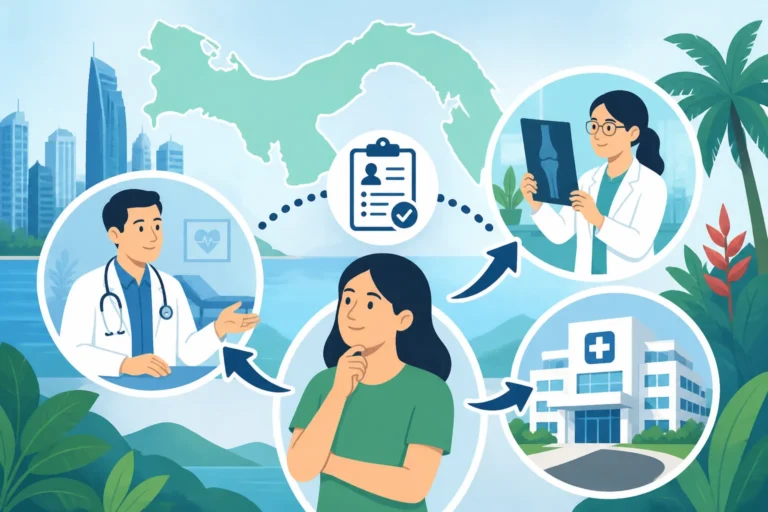
However, if you already know you need to see a specific type of specialist – say, a dermatologist or an ophthalmologist – you can often book an appointment directly with them in the private system without a GP referral. Many expats appreciate this direct access, particularly for chronic conditions where they already know which specialist they need to see. Still, for comprehensive and coordinated care, a trusted GP who oversees your general health is invaluable. Understanding How Specialist and Hospital Referrals Work in Panama is key to navigating this.
The Registration Process: What to Expect
Once you've identified a potential doctor, the next step is actually getting registered and seen. This part of the process, while generally less bureaucratic than other aspects of expat life in Panama, still has its own nuances. Don't expect a fully integrated digital system like you might find in some highly developed countries; personal interaction and a bit of patience often go further.
Required Documents and Information
When you first visit a new doctor or clinic, they'll need some basic information to create your patient file. Typically, you'll be asked for your passport (or a copy of it) and your cédula if you've already obtained your Panamanian residency ID. You’ll also need your current contact information – local phone number, email address, and your physical address in Panama. If you have private health insurance, make sure to bring your insurance card or policy information.
A crucial, often overlooked, aspect is your medical history from back home. While Panama's private medical records are typically kept in-house (meaning they're not universally shared between different clinics or hospitals), having a summary of your medical history, a list of current medications, and any significant diagnoses or surgeries can be incredibly helpful. If you can get these records translated into Spanish, even better, but English is often understood by doctors in the private sector, especially in Panama City. Don't be surprised if they start a new file from scratch; it's quite common. For a more comprehensive list, check out What Documents Do I Need to See a Doctor in Panama?.
Understanding Appointments and Walk-Ins
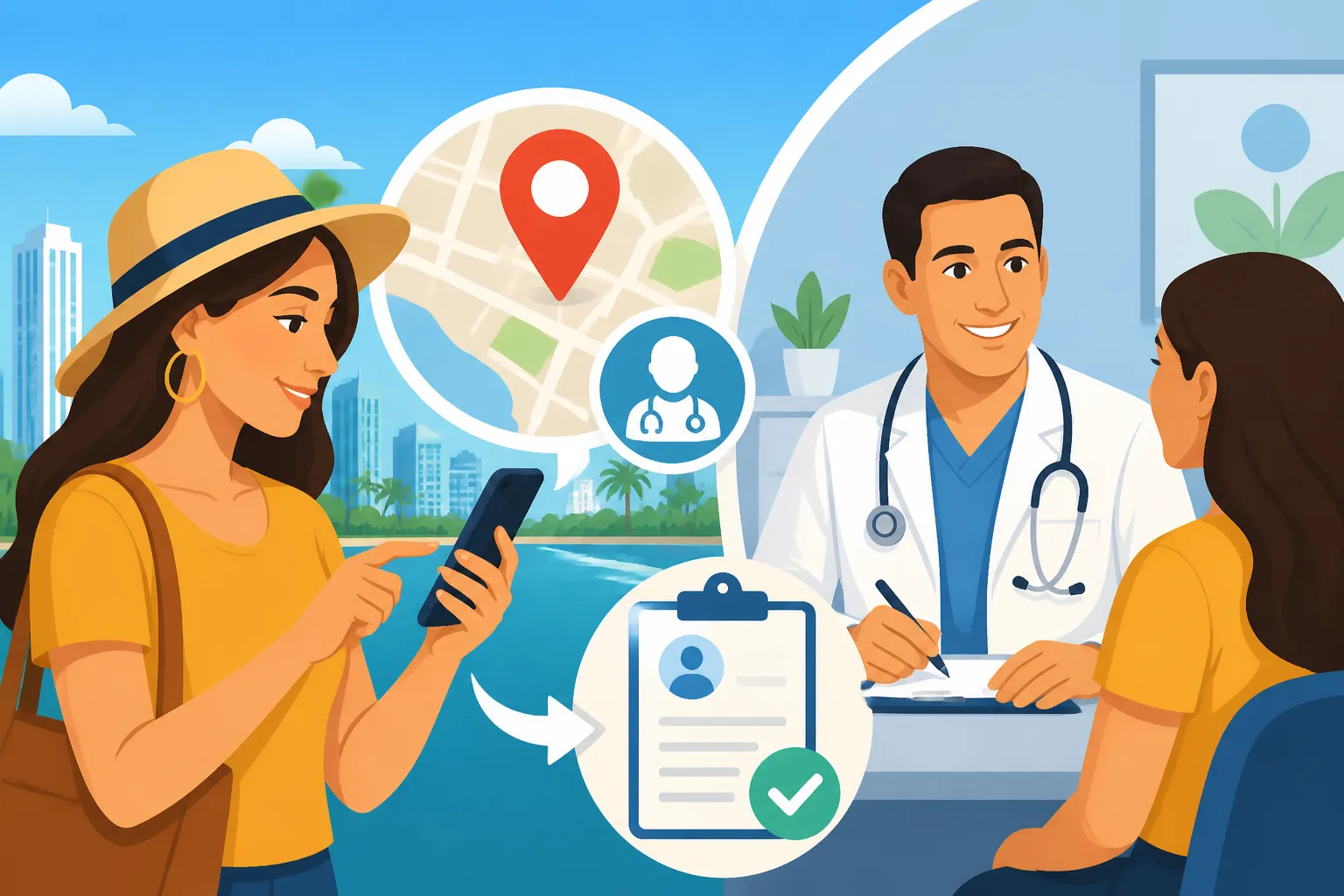
Making an appointment in Panama is usually straightforward. Many doctors have office assistants (secretarias) who handle scheduling. You can call the clinic directly, and increasingly, many doctors communicate via WhatsApp for booking appointments, sending reminders, and even sharing test results. Some larger clinics and hospitals might have online portals, but phone or WhatsApp are still the most common methods.
While punctuality is generally appreciated, don't be surprised if your appointment doesn't start exactly on time. Medical offices in Panama often run a little behind schedule, so building in some buffer time is always a good idea. Bring a book or be prepared to wait a bit.
For urgent, non-life-threatening issues, walk-in clinics or urgencias departments at private hospitals are an option. They function much like urgent care centers elsewhere. You just show up, register at the front desk, and wait to be seen. This is a good solution if your regular doctor isn't available and you need immediate attention, but it's not for a routine check-up.
Language Barriers and English-Speaking Doctors
The language barrier is a very real concern for many expats seeking medical care. While most medical professionals in Panama City, especially in the private hospitals, have a good understanding of English, it’s not always guaranteed, particularly in smaller towns or public clinics. Don't assume everyone will speak English, and definitely don't let that deter you from seeking care.
When you're searching for a doctor, specifically ask if they or their staff speak English. Many expat recommendations will often highlight this. If you find a doctor you like but they only speak Spanish, consider bringing a Spanish-speaking friend with you for your initial appointments to help translate. Alternatively, translation apps on your phone can be surprisingly useful for basic communication. Just having a phrasebook handy with common medical terms can ease a lot of anxiety. Our guide on How to Find an English-Speaking Doctor in Panama offers more specific strategies. Remember, clear communication about your health is paramount, so don't be shy about ensuring you understand everything.
Costs, Insurance, and Payment Methods
Money matters, especially when it comes to healthcare. Understanding the financial aspects – how much a visit costs, how insurance works, and how to pay – is crucial for any expat navigating the Panamanian medical system. It's often a bit different from what you might be used to, and being prepared can save you from unexpected bills.
Doctor Visit Costs: A Breakdown
In Panama's private sector, doctor visits are generally quite affordable compared to many Western countries, particularly the United States. A general practitioner consultation can range anywhere from $30 to $60 USD. For specialists, you're looking at a slightly higher range, typically $50 to $100 USD, though highly sought-after specialists or very complex consultations might be a bit more. These are out-of-pocket costs that you'll usually pay upfront at the time of your visit.
Diagnostic tests, such as blood work, X-rays, or ultrasounds, are also reasonably priced. For instance, a basic blood test might cost around $20-$50, and an X-ray could be $40-$80. When you compare these figures to what you might pay back home, it often feels like a relief. However, these costs can add up, especially if you need multiple specialist visits or extensive testing. It’s always a good idea to ask for an estimate beforehand, especially for more involved procedures. For more detailed information on specific costs, you can refer to How Much Does a Doctor Visit Cost in Panama? and How Much Does a Specialist Consultation Cost in Panama?.
Navigating Health Insurance and Reimbursement
When it comes to paying for these costs, health insurance is your best friend. Many expats opt for private health insurance, either local Panamanian plans or international policies. If you have a local Panamanian private insurance plan, some clinics and hospitals might offer direct billing (facturación directa), meaning they bill your insurance company directly, and you only pay your co-pay or deductible. However, this isn't always the case, especially with smaller clinics or individual doctors' offices.
More often, especially with international health insurance providers like SafetyWing, you'll pay for the consultation or service upfront and then submit a claim for reimbursement. This process typically involves getting a detailed invoice (factura) from the doctor or clinic, which you then send to your insurance company along with your claim form. It's crucial to keep all receipts and medical reports. Expats are advised to make copies of everything before sending, just in case. Understanding How to Claim Reimbursement from Private Insurance in Panama is a skill you'll want to master. Before you commit to a policy, our guide on How to Choose Private Health Insurance in Panama (2027) can help you weigh your options. Even if you're healthy, you should consider if Do I Need Private Health Insurance in Panama? is a question you can confidently answer with a "no."
For those without private insurance, you’ll be paying entirely out-of-pocket. While individual visits are manageable, a serious illness or accident can quickly become financially overwhelming. This is why even a basic catastrophic or travel insurance plan like SafetyWing can offer significant peace of mind for unexpected medical emergencies while you're getting settled.
Payment Options and Cultural Norms
Most private clinics and hospitals in Panama City accept major credit cards (Visa, Mastercard) and debit cards. However, it's not uncommon for smaller clinics or individual doctor's offices, especially outside the capital, to prefer or even require cash payments. Always ask beforehand to avoid an awkward situation at the front desk.
A popular local payment method is Yappy, a mobile payment app linked to Banco General accounts, which many local businesses and even individual professionals use for quick, cashless transactions. While it’s not essential for expats to use Yappy immediately, it can be convenient once you have a local bank account. Regardless of the method, make sure you always get a detailed receipt (factura) for your records, whether for personal budgeting or insurance reimbursement.
Post-Visit Care and Follow-Up
Your doctor's visit isn't truly over until you've addressed the "what next?" question. This includes understanding your prescriptions, follow-up procedures, and how to maintain a good relationship with your chosen medical professional. The follow-up care in Panama, while good, often requires a proactive approach from the patient.
Prescription Medications and Pharmacies
Getting your prescription filled in Panama is usually straightforward. Doctors will write a prescription on a standard form, and you can take it to almost any pharmacy (farmacia). Panama has several large pharmacy chains that are well-stocked and have branches everywhere, such as Farmacias Arrocha, Farmacias Metro, and Farmacias Revilla. Many pharmacies also have a pharmacist on duty who can answer basic questions.
One notable difference from some other countries is that you can often buy certain medications, like some antibiotics or anti-inflammatories, over the counter without a prescription. However, it's always best to consult a doctor before self-medicating. Prices for generic medications are generally very affordable, and even brand-name drugs are often cheaper than in North America. For a deeper dive into what to expect when it comes to medications, check out our guide on Prescription Medications and Pharmacies in Panama: The Complete Guide and Understanding the Pharmacy System and Buying Medicines in Panama.
Follow-Up Appointments and Test Results
After your initial visit and any subsequent tests, your doctor will usually advise you on how and when to get your results. Sometimes, they'll ask you to come back for a follow-up appointment to discuss everything in person. Other times, they might call you, or their assistant might reach out via WhatsApp with the results and any further instructions. Some modern clinics might even have patient portals where you can access your results online.
It's important to be proactive here. If you haven't heard back by the time frame given, don't hesitate to call the clinic or send a WhatsApp message to inquire about your results or next steps. Panamanian medical culture often relies on the patient to initiate follow-up. Keep a record of your tests and results yourself, perhaps in a binder or a digital file, especially since medical records aren't always easily transferable between different providers.
Building a Long-Term Medical Relationship
Finding a doctor you trust and feel comfortable with is a huge win for any expat. Once you've found such a person, try to stick with them for your routine care. Building a long-term relationship with a primary care physician means they become familiar with your health history, your preferences, and your general well-being. This continuity of care is invaluable, as it ensures a more personalized and effective approach to your health management. They become your medical anchor in Panama, a familiar face who understands your unique expat journey.
Special Considerations for Expats
As an expat, your situation often has unique challenges that locals might not face. When it comes to healthcare, these can range from understanding emergency procedures to managing your medical history from another country. Addressing these specific concerns proactively will undoubtedly make your life easier and safer in Panama.
Emergency Care Access
No one wants to think about a medical emergency, but being prepared is paramount. In Panama, the universal emergency number is 911. However, relying solely on public ambulance services can sometimes lead to delays, especially outside of major urban centers. For serious emergencies in Panama City, many expats opt to go directly to the emergency room (urgencias) of one of the private hospitals, such as Hospital Punta Pacifica or Hospital Nacional, if possible and safe to do so. These facilities are well-equipped and provide immediate care.
If you or a loved one faces a medical emergency, call 911 for an ambulance, but also consider having a plan for private transport if the situation allows and you're close to a private hospital. Make sure your family and close friends know your emergency contacts and your insurance information. Knowing Understanding Emergency Numbers (911) and Ambulance Care in Panama and What Should I Do in a Medical Emergency in Panama City? can really give you peace of mind.
Bringing Medical Records from Home
When you move to Panama, bringing a comprehensive summary of your medical records from your home country is incredibly wise. This should include details of past surgeries, chronic conditions, allergies, vaccination history, and a list of all current medications with dosages. While doctors here might not perfectly integrate them into their digital systems, having a physical or digital copy to present at your first few appointments can give your new doctor a vital head start on understanding your health.
If possible, have key documents translated into Spanish and notarized, though a simple English summary is often sufficient for most private doctors in Panama City. Don't expect your previous doctor's office to easily transfer records directly; it's usually a task you'll have to manage yourself. Be prepared to explain your history clearly, as medical terminology can differ, and some conditions might be diagnosed or treated differently here.
Mental Health Services
Mental health is just as important as physical health, and finding support in a new country can be particularly challenging. The good news is that Panama, especially Panama City, has a growing number of psychologists, psychiatrists, and therapists who cater to the expat community. Many are bilingual and trained in various therapeutic approaches.
You can often find mental health professionals through expat networks, recommendations from your primary care physician, or by searching online directories. Some international insurance plans, including those like SafetyWing that offer comprehensive coverage, might also have networks or provide reimbursement for mental health services. Don't hesitate to seek help if you're feeling overwhelmed, lonely, or are struggling to adjust; there are resources available, and reaching out is a sign of strength. We have a detailed guide on How to Access Mental Health Services in Panama as an Expat to help you through this.
Comparing Public and Private Doctor Access in Panama
To help you visualize the differences, here's a quick comparison of what you might expect when seeking a doctor through the public (CSS) versus the private healthcare system in Panama.
| Feature | Public Healthcare (CSS) | Private Healthcare |
|---|---|---|
| Eligibility | Primarily for those contributing to Social Security | Open to anyone, typically with private insurance or self-pay |
| Accessibility | Variable, often longer wait times for appointments and specialists | Generally easier and faster access to appointments |
| Cost | Low co-pays or free at point of service for contributors | Out-of-pocket, covered by private insurance or self-pay |
| Facility Quality | Varies, some older facilities; can be crowded | Modern, state-of-the-art hospitals and clinics |
| English-Speaking Staff | Less common, especially outside major cities | More common, particularly in major expat hubs |
| Appointment Booking | Phone, sometimes in person; can be complex | Phone, WhatsApp, online portals; often more efficient |
| Record Keeping | Centralized within CSS, but difficult for patient access | Individual clinic records, not universally shared |
| Primary Doctor Choice | Limited by CSS facility assignment or availability | Wide choice of doctors and specialists |
Disclaimer
The information provided in this guide is intended for general informational purposes only and does not constitute medical, legal, or financial advice. While we strive to provide accurate and up-to-date information, circumstances in Panama can change rapidly. Always consult with a qualified medical professional, immigration lawyer, or financial advisor for advice tailored to your specific situation. Reliance on any information in this guide is solely at your own risk.