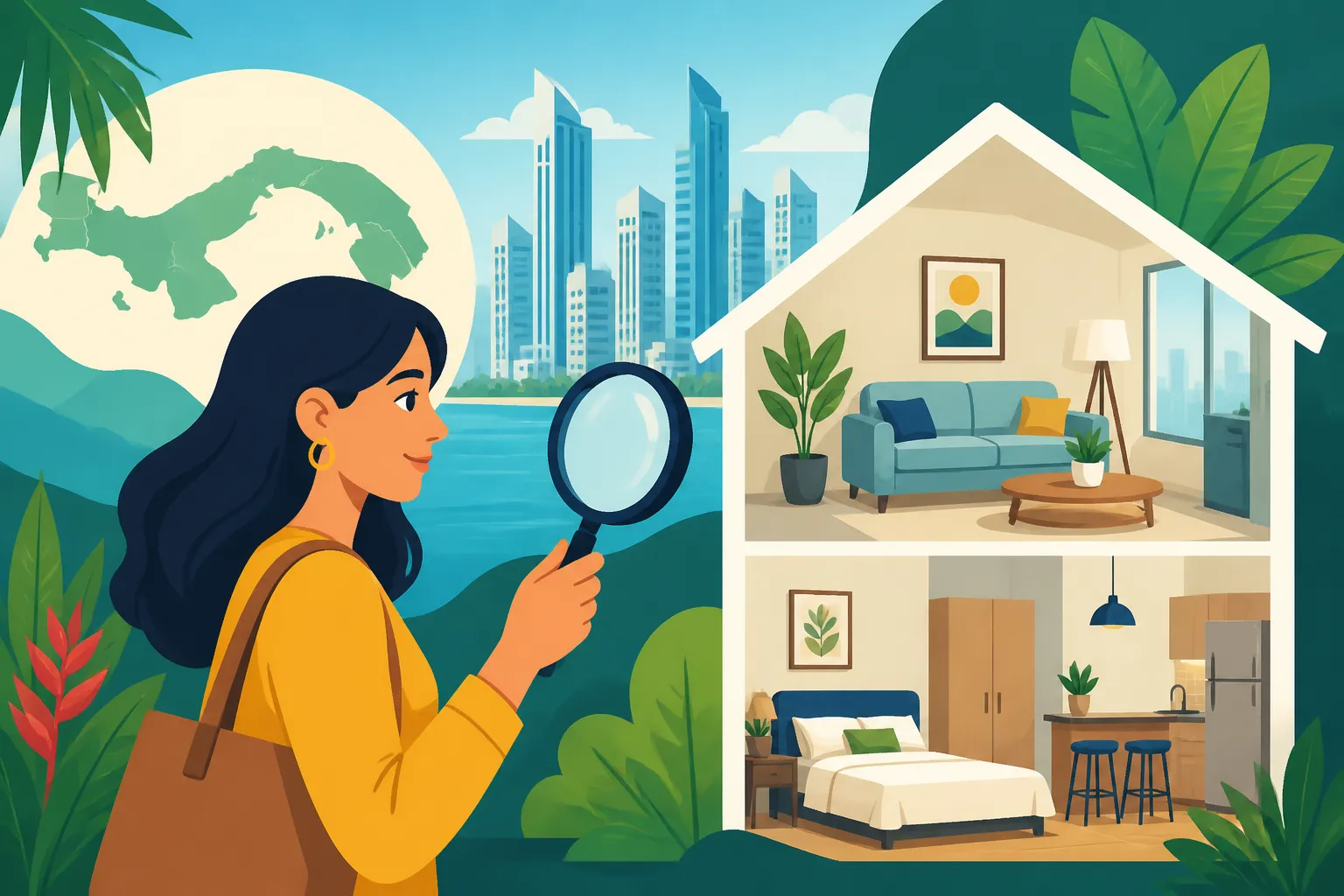
How Do I Find Furnished Monthly Rentals in Panama?
Oh, the quest for a furnished monthly rental in Panama! It's one of those initial hurdles that can feel like a real puzzle when you first land here, especially if you're not ready to commit to a long-term lease or buy furniture right away. Believe me, I've been there, staring at empty apartments and wondering where to even begin. This guide is going to walk you through exactly how to navigate the Panamanian rental market to find that perfect furnished spot for a month or more, making your transition as smooth as a fresh Panamanian coffee.
Understanding the Landscape of Furnished Monthly Rentals in Panama
When you first arrive in Panama, the idea of immediately signing a year-long lease or buying all new furniture can be incredibly daunting. That's where furnished monthly rentals truly shine. They offer a fantastic middle ground, giving you the space and comfort of a home without the commitment of a long-term arrangement. It’s about dipping your toes in the water before diving headfirst.
Why Furnished Monthly Rentals Are a Smart Choice for New Arrivals
For many expats, myself included, a furnished monthly rental is a godsend. Imagine landing after a long flight, navigating customs, and then having to worry about where you'll sleep or how to get a fridge delivered. It's enough to make you want to turn right back around! With a furnished place, you literally walk in, drop your bags, and you're set. This immediate comfort allows you to focus on the myriad of other tasks that come with relocating, like figuring out your visa, understanding the local transport, or just finding the best grocery store.
The flexibility these rentals offer is unparalleled. You might be exploring different neighborhoods to see where you truly want to settle down, or perhaps you're on a temporary work assignment. A monthly rental gives you the freedom to move if a neighborhood isn't quite right, or if you find a better opportunity elsewhere. You avoid the upfront costs and logistical nightmares of purchasing furniture, which, let me tell you, can be a whole adventure in itself here. It saves you stress, time, and a significant chunk of change that would otherwise be tied up in household goods you might not want long-term.
Key Differences Between Short-Term and Long-Term Rentals
The rental market in Panama operates on slightly different rules for short-term versus long-term accommodations. Typically, anything under six months is considered short-term, and monthly rentals fall squarely into this category. The main distinction you'll notice is often in the pricing and what's included. Short-term furnished rentals usually come with all utilities (electricity, water, gas, internet, and sometimes even cable TV) bundled into the monthly rate. This simplifies budgeting immensely, as you're not juggling multiple bills in a new currency and system.
Long-term rentals, on the other hand, are almost always unfurnished or partially furnished, requiring tenants to set up and pay for their own utilities. They often come with more rigid contract terms, typically for one year, and might involve a different kind of negotiation for deposits and renewals. With a monthly rental, you’re paying a premium for convenience and flexibility, but it often pays off in peace of mind, especially during those initial, whirlwind months of getting settled. Understanding Furnished vs Unfurnished Rentals in Panama can help you weigh these options more thoroughly based on your specific needs.
Popular Areas for Furnished Rentals in Panama City and Beyond
Panama City offers a diverse range of neighborhoods, each with its own vibe and price point, and many have a good selection of furnished monthly rentals. El Cangrejo and Obarrio are perennial favorites for expats. They're centrally located, bustling with restaurants, cafes, and shops, and offer excellent walkability. You'll find a mix of modern high-rises and older, charming buildings. These areas provide easy access to the Metro and various amenities, making them super convenient.
For those who prefer a more historic and vibrant atmosphere, Casco Viejo is a fantastic option, though often pricier. It's full of beautifully restored colonial buildings, boutique hotels, and a lively nightlife. While charming, it can also be quite noisy, so be mindful of that if you're seeking absolute tranquility. On the other hand, if you're looking for something a bit quieter and more residential, areas like Punta Pacifica or Costa del Este offer upscale, modern apartments with incredible amenities, often catering to families or those seeking a more luxurious experience. Outside of the city, places like Boquete in the highlands or Coronado on the Pacific coast also have a growing market for furnished monthly rentals, attracting those seeking a cooler climate or beachside living, respectively. These regions offer a different pace of life and a strong expat community. If you're still deciding where to plant your roots, exploring Understanding the Best Cities and Areas for Expats in Panama could give you some great ideas.
Your Strategy for Locating the Perfect Furnished Pad
Finding a furnished monthly rental requires a bit of strategy. It’s not always as straightforward as back home, but with the right approach, you can definitely secure a great place. The key is knowing where to look and how to connect with the right resources.
Leveraging Online Platforms and Websites
The internet is your best friend when searching for rentals in Panama. Several online platforms are widely used and can be incredibly helpful. Sites like Airbnb and VRBO are popular for short-term and monthly rentals, offering a vast array of furnished apartments, often with reviews from previous tenants, which is a huge plus. You can filter by price, location, amenities, and even read specific details about utility inclusions. The downside is that they sometimes come with higher service fees, but the convenience and protection they offer can be worth it.
Locally, websites like Encuentra24.com are Panama's equivalent of Craigslist or Gumtree, listing everything from cars to apartments. You'll find a mix of private landlords and agents here. While it offers more direct contact, exercise caution and always insist on seeing the property in person before committing, if at all possible, or have a trusted contact do so for you. Other sites like Mercado Libre sometimes have rental listings, and don't forget specialized expat forums and Facebook groups, which often have direct listings from owners or people subletting. Always double-check the filters for "furnished" and "monthly" or "short-term" to narrow down your options efficiently.
Working with Real Estate Agents Specializing in Expat Rentals
While you can certainly find rentals on your own, working with a reputable real estate agent can save you immense time and headaches, especially if your Spanish isn't fluent or you're not physically in Panama yet. Many agents specialize in expat services and understand the unique needs of foreigners, from language barriers to specific lease requirements. They often have access to a broader inventory of properties that might not be advertised publicly and can help you navigate the local rental laws.
When choosing an agent, look for one with good references within the expat community. Ask specific questions about their fees – typically, tenants pay one month's rent as a commission for long-term rentals, but for short-term monthly rentals, it can vary or sometimes be absorbed by the landlord. An agent can also act as your advocate, helping to clarify clauses in the lease agreement and ensuring a fair deal. Finding a good agent is crucial for a smooth process; you can read more about this in How to Find a Reliable Real Estate Agent in Panama.
Tapping into Expat Networks and Social Media Groups
Never underestimate the power of community! Panama has a thriving expat community, and many groups exist on platforms like Facebook and WhatsApp. Search for groups such as "Expats in Panama City," "Panama City Rentals," or "Boquete Expats." These groups are goldmines for information, advice, and sometimes even direct rental listings from expats leaving Panama or landlords who prefer renting to foreigners.
I've personally seen countless success stories from people posting their rental needs in these groups and finding exactly what they were looking for through a direct connection. People are often happy to share their experiences with landlords or agents, offering invaluable insights into who to trust and who to avoid. It’s also a great way to get a feel for a neighborhood from someone who actually lives there. Just be aware of potential scams and always verify information before taking any action. These networks can also provide guidance on things like The Complete Guide to Cost of Living in Panama for Expats (2026), giving you a realistic picture of expenses beyond rent.
What to Consider Before Signing That Lease
You’ve found a few promising places, maybe even toured one or two. Now comes the nitty-gritty: making sure you understand what you're getting into before you sign on the dotted line. This step is critical for a stress-free stay.
The Importance of a Detailed Rental Agreement
A rental agreement, or contrato de arrendamiento, is your legal safeguard. For furnished monthly rentals, it’s particularly important to have a clear, written agreement, even if it’s just for a few months. This document should detail the rental period, the monthly rent, the security deposit amount, and, crucially, what utilities are included. If utilities are included, clarify if there are any caps (e.g., on electricity usage) beyond which you'd be responsible.
Make sure the agreement explicitly states that the property is furnished and includes an inventory list of all furniture and appliances. This protects both you and the landlord. Before you sign, always ensure you fully understand every clause. If the agreement is in Spanish, and your Spanish isn’t top-notch, invest in a professional translation or have a trusted, fluent friend review it. Never sign anything you don't fully comprehend. You can learn more about this in How to Sign a Rental Contract and Pay a Deposit in Panama.
Budgeting for More Than Just Rent: Utilities and Hidden Costs
Even in a furnished monthly rental where many utilities are included, you should always budget for potential extras. While electricity, water, gas, and internet are often covered, consider your usage habits. Panama is hot and humid, so AC can be a lifesaver, but it can also be an energy hog. If there's an electricity cap, you'll need to be mindful of how much you use. Some buildings also have HOA (Homeowners Association) fees, known as cuotas de PH here, which might or might not be included in your monthly rent, depending on the landlord. These cover building maintenance, security, and sometimes shared amenities like pools or gyms.
Other potential "hidden" costs could include a professional cleaning fee upon departure, or the cost of unexpected repairs if something breaks due to your fault. Always ask about the security deposit (usually one month's rent) and the conditions for its return. Knowing these details upfront prevents unwelcome surprises down the line. To get a broader perspective on living expenses, check out The Complete Guide to Cost of Living in Panama for Expats (2026).
Inspecting Your Future Home: Red Flags and Must-Checks
Before you commit, a thorough inspection of the property is non-negotiable. This is where you put on your detective hat.
Here's a checklist of things to inspect:
- Condition of Furnishings: Are the furniture and appliances in good working order? Test everything: AC units, stove, refrigerator, washing machine, TV. Note any existing damage, no matter how minor, and ensure it's documented, ideally with photos or videos, before you move in.
- Pest Control: Panama's tropical climate means bugs are a reality. Check for signs of pests like cockroaches or ants. A clean, well-maintained property will have proper pest control.
- Water Pressure and Hot Water: Test the showers and sinks. Low water pressure or lack of hot water can be a daily frustration.
- Security: Evaluate the building's security measures. Does it have 24/7 security, proper locks, and good lighting?
- Internet Connectivity: If internet is included, ask about the provider and speed. A good internet connection is vital for most expats, especially if you work remotely. If you anticipate needing reliable connectivity from day one, consider getting an eSIM from a provider like Airalo upon arrival, which can provide immediate data even before your home internet is sorted.
- Noise Levels: Visit the apartment at different times of day if possible. What sounds are coming from outside? Is it a quiet residential street or next to a busy avenue?
- Ventilation and Mold: Due to the humidity, mold can be an issue. Check bathrooms and corners of rooms for any signs.
Documenting everything meticulously protects your security deposit and ensures you're moving into a comfortable, functional space. If you're wondering about the legal aspects of your tenancy, it's worth Understanding Tenant and Landlord Rights in Panama.
Making the Move and Settling In
Once you’ve signed the lease and picked up the keys, the real fun begins: making your new furnished space feel like home. While a furnished rental simplifies a lot, there are still a few things to consider for a truly smooth transition.
Arranging Logistics: Moving Your Belongings
For a monthly rental, you likely won't be bringing a whole house full of furniture. Most expats arrive with suitcases and a few boxes. If you have some larger personal items, or maybe a bike or some special equipment, you might consider using a local moving service or even a "man with a van" type of service for smaller hauls within the city. For those who are bringing over a bit more than just luggage, services like Sirelo can help compare different international moving companies to get your essentials to Panama efficiently.
The beauty of a furnished rental is that you often only need to unpack clothes, toiletries, and maybe a few personal touches to make the place your own. This significantly reduces the stress and cost associated with a full-scale move. You're aiming for a nimble setup, ready to adjust if your plans change or if you find a more permanent spot later. This flexibility is what makes monthly rentals so appealing during the initial phase of your expat journey. The entire process of getting set up is covered in more detail in The Complete Guide to Moving to Panama: Your First 90 Days (2027).
Connecting Your Utilities and Services (If Not Included)
While many furnished monthly rentals include utilities, there are instances where you might need to set up certain services yourself, or wish to upgrade. The most common one is internet and mobile phone service. Panama has several reliable providers like +Móvil, Cable Onda (Tigo), and Digicel. If internet isn't included or you want a faster plan, you'll need to contact one of these companies. The process can sometimes involve some paperwork and a bit of a wait for installation, but generally it's manageable. Understanding How Do I Set Up Internet in My Panama Home? will be helpful here.
For mobile phone service, it's often easiest to get a local SIM card (chip) from one of the major providers. Prepaid plans are very common and affordable, allowing you to top up as needed. If you're keen to have immediate data connectivity right off the plane, an eSIM from a global provider like Airalo can be incredibly useful. You can set it up before you even land, ensuring you have data for maps, messaging, and quick searches while you get settled and figure out a local plan. It bridges that initial gap beautifully.
Embracing Your New Neighborhood
Beyond the four walls of your rental, truly settling in means exploring and embracing your new surroundings. Walk around your neighborhood. Find the local supermercado, the frutería (fruit stand), and that cozy cafetería that will become your morning ritual. Engage with locals – even a few Spanish phrases can go a long way in making connections.
Panama is a country rich in culture and natural beauty. Take advantage of your flexible living situation to explore different parts of Panama City or even venture out to places like El Valle de Antón or the San Blas Islands for weekend trips. The more you explore, the more you'll understand where you truly feel at home. Finding a furnished monthly rental is not just about having a roof over your head; it’s about providing a comfortable base from which to launch your incredible Panamanian adventure. And remember, the cost of renting an apartment in Panama City can vary greatly, so research How Much Does It Cost to Rent an Apartment in Panama City in 2026? to better budget.
Disclaimer
Please remember that while I strive to provide accurate and up-to-date information based on my personal experience and available resources, regulations and market conditions in Panama can change. It is always advisable to verify specific details with official sources, legal professionals, or reputable service providers before making any major decisions.