Can I Use My Foreign Bank Card in Panama?
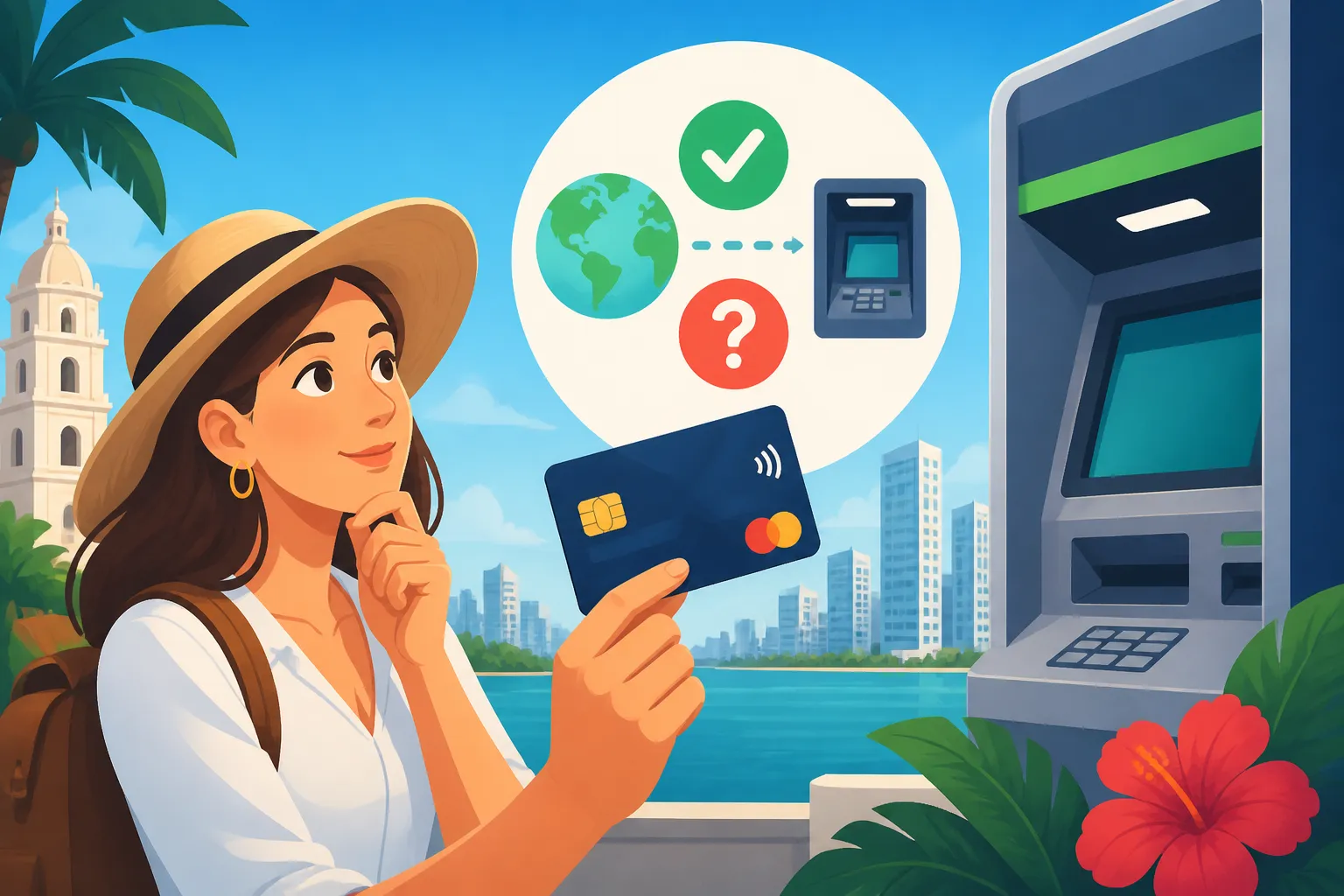
Ah, the age-old expat question when you first land in a new country: "Can I just keep using my trusty bank card from back home?" Believe me, I've been there. You step off the plane, excited and a little overwhelmed, and the last thing you want is a financial headache. While it might seem straightforward, using your foreign bank card here in Panama comes with its own set of quirks, conveniences, and, yes, a few frustrations. This guide is all about navigating those financial waters, so you can spend less time worrying about your wallet and more time enjoying the sazón of Panamanian life.
The Reality of Using Foreign Bank Cards in Panama
When you first arrive, whether you're fresh off the plane or still finding your feet, relying on your familiar foreign bank card feels like a lifeline. And for the most part, you can use it in Panama, especially in the more urbanized areas like Panama City, David, or even bustling tourist spots like Boquete. But don't be fooled into thinking it's a seamless, universally accepted solution. Panama operates on a mix of modern banking infrastructure and a persistent cash-centric culture, and understanding this blend is crucial.
Where Your Cards Will Likely Be Accepted
Major credit and debit cards, primarily Visa and Mastercard, are widely accepted at larger establishments across Panama. Think about your big supermarkets like Riba Smith or Super 99, department stores, international hotel chains, and most sit-down restaurants in Panama City's more upscale neighborhoods or tourist zones. Even many mid-sized businesses and some clinics or pharmacies will have card terminals. It’s a relief when you can just tap or swipe, especially after a long day of navigating new streets. You'll find that these places are accustomed to international visitors and their cards. They typically process transactions efficiently, making your life a little easier.
However, it’s not always smooth sailing. American Express and Discover cards, while accepted in some larger establishments, are far less common. You really can’t rely on them as your primary payment method. I remember trying to use my Amex at a popular restaurant once, only to be met with a shrug and a "Solo Visa o Mastercard, señor." It’s a good lesson to always have a backup!
The Limits of Card Acceptance Beyond City Centers
Step outside the major hubs, and the landscape changes dramatically. Once you venture into smaller towns, rural areas, or even local markets within Panama City like Mercado de Mariscos, cash becomes king. Little corner stores, fondas (small local eateries), independent vendors, and many taxi drivers simply don't have card terminals or prefer cash to avoid transaction fees and complicated accounting. Even in more developed areas, if you're hailing a taxi on the street, expect to pay in cash. For public transport like the Metro or Metrobus, you'll need a rechargeable Rapi-Pass card, which you load with cash.
This isn't just about convenience; it's about necessity. Many smaller businesses operate on very thin margins, and the fees associated with card processing can eat into their profits. Plus, the internet infrastructure isn't always reliable enough to support card machines everywhere. I’ve been caught out more times than I can count, assuming a small café would take my card, only to find myself scrambling for balboas (Panama’s currency, pegged to the US dollar). It’s moments like these that truly drive home the need to always carry a decent stash of local currency, especially if you're exploring beyond the well-trodden tourist paths.
Navigating Fees, Exchange Rates, and Hidden Costs
Using your foreign bank card in Panama isn't just about acceptance; it's also about understanding the financial impact. While the convenience is undeniable, the costs can quickly add up if you're not careful. These fees often come from multiple sources, and they can chip away at your budget before you even realize it.
ATM Withdrawal Fees: A Double Whammy
This is probably the most common financial shock for new expats. When you use an ATM (cajero automático) in Panama, you're usually hit with two types of fees:
- Your Home Bank's Foreign Transaction Fee: Most banks back home charge a fee for withdrawals made outside your home country. This can be a flat fee (e.g., $5 per transaction) or a percentage of the amount withdrawn (e.g., 2-3%). Some specialized travel cards or online banks might waive this, but it’s crucial to check with your bank before you travel.
- The Panamanian Bank's ATM Fee: On top of your bank's fee, the local bank operating the ATM will almost certainly charge you their own fee. This typically ranges from $3 to $5 per transaction. So, for a single withdrawal, you could easily be paying $6-$10 in fees before you even get your money.
Imagine needing cash for a quick trip to the local market. You run to an ATM, pull out $100, and suddenly you’re down $8 in fees. Do that a few times a week, and those small amounts become a significant drain. To mitigate this, try to make fewer, larger withdrawals if you can, but always balance this with personal safety considerations. You don't want to be walking around with too much cash.
Popular banks like Banco General and Banistmo are prevalent, and their ATMs are generally reliable, but the fees are standard across the board. Always look for ATMs inside a bank branch or reputable shopping center rather than standalone ones in less secure locations.
Point-of-Sale (POS) Transaction Fees and Dynamic Currency Conversion
When you use your card to pay directly at a store or restaurant, you might think you're avoiding ATM fees, which is true. However, you're still usually subject to your home bank's foreign transaction fee, typically 1-3% of the purchase amount. For example, if you spend $50 on groceries, an additional $1.50 might be added to your bill from your bank. Again, checking your specific card's terms is paramount.
Then there's the sneaky culprit known as Dynamic Currency Conversion (DCC). This happens when a merchant or ATM offers to process your transaction in your home currency instead of the local currency (USD, in Panama's case). It sounds convenient, right? "Pay in US dollars or your home currency?" Always choose US dollars (USD). If you choose your home currency, the merchant or ATM operator applies their own, often less favorable, exchange rate, effectively adding another hidden fee. You're better off letting your bank handle the conversion, even with their foreign transaction fee, as their rates are usually much closer to the interbank rate.
Understanding the US Dollar and Exchange Rates
One massive convenience for many expats is that Panama uses the US dollar as its official currency (alongside the Panamanian balboa, which is pegged 1:1 to the USD and used primarily for coins). This means there's no complex currency conversion headache when you're making purchases or trying to figure out prices. What you see on the tag is what you pay in USD. This simplicity significantly reduces one layer of complexity often found in other expat destinations.
However, for those whose home currency isn't the USD, your bank or payment provider will still convert your home currency into USD when you use your card. This conversion is where the exchange rate comes into play. While Panama itself doesn't have an exchange rate for its currency against the USD, your bank does for your home currency. Keep an eye on the daily exchange rates between your home currency and the USD to better understand what you're actually paying. Tools like Wise (formerly TransferWise) often provide transparent exchange rates, which can be helpful for understanding the true cost of international transactions or for making larger transfers.
Here’s a simplified breakdown of potential costs:
| Transaction Type | Home Bank Fee | Panamanian Bank Fee | Dynamic Currency Conversion Risk | Best Practice |
|---|---|---|---|---|
| ATM Withdrawal | 1-3% or flat fee | $3-$5 | High | Make fewer, larger withdrawals; choose USD |
| POS Purchase | 1-3% | N/A | High | Always choose USD; use a card with no FTF if possible |
| Online Purchase (Panama based) | 1-3% | N/A | N/A | Ensure card has competitive exchange rates |
This table should give you a clearer picture of what you might be facing financially each time you swipe or withdraw. Being mindful of these costs can save you a surprising amount of money over time.
Practical Strategies for Managing Your Money
Living in Panama is all about adapting, and that certainly extends to how you manage your finances. While your foreign bank card can be a trusty companion for a while, it’s rarely the most efficient or cost-effective long-term solution. Developing smart money habits early on will save you a lot of grief and money down the road.
Embrace Cash, Especially for Everyday Living
Let’s be honest: cash is king here. While Panama City is becoming more digital, many parts of the country, and even many small businesses within the city, still prefer or require cash. For things like street food, local markets, taxi rides (unless using an app like Uber), small shop purchases, or even tipping, cash is indispensable.
Always carry a mix of denominations. A $20 bill might be too large for a $3 street empanada, and the vendor might not have change. Smaller bills ($1, $5, $10) are your best friends. I’ve learned this the hard way trying to pay for a $2 juice with a $50 bill – it just doesn't fly. Getting comfortable with cash and knowing when to use it will make your daily life much smoother and prevent those awkward "no cambio" moments.
Consider Opening a Local Panamanian Bank Account
For long-term residents, opening a local bank account is almost a necessity. This move will significantly cut down on those pesky ATM and foreign transaction fees, streamline bill payments, and make managing your finances in Panama much easier. Banks like Banco General, Banistmo, and Davivienda are popular choices and generally expat-friendly, although the process can sometimes feel like a bureaucratic marathon.
The requirements for opening a bank account in Panama can be stringent, involving proof of income, residency documents, and character references. It's not always a quick process. However, once you have it, paying rent, utilities (check out our guide on The Expat Guide to Setting Up Utilities (Electricity, Water, Internet) in Panama), and other local expenses becomes incredibly simple. You can easily link your local account to online banking, allowing you to manage your funds digitally, which is a huge convenience. I highly recommend diving into our guide on The Expat Guide to Opening a Bank Account in Panama to get all the nitty-gritty details.
Explore International Money Transfer Services and Multi-Currency Accounts
For sending money to or from Panama, or managing funds across different currencies, traditional bank wires can be slow and expensive. This is where services like Wise (formerly TransferWise) shine. They offer competitive exchange rates and lower fees compared to many banks, making international transfers much more efficient. I personally use Wise for sending money back home or receiving payments in other currencies, and it has consistently saved me a lot. It’s also a great way to manage money if you're earning income in a different currency while living here.
Some expats also opt for multi-currency accounts offered by fintech companies, which allow you to hold and spend in various currencies without constant conversion fees. These can be particularly useful if you frequently travel outside Panama or have financial ties to multiple countries. For a deeper dive into moving money around, our article on How to Transfer Money Into and Out of Panama as an Expat has more invaluable tips.
Budgeting and Tracking Your Spending
Understanding the true cost of living in Panama is vital for effective financial planning. While some things are cheaper than back home, others can be surprisingly expensive, especially imported goods. Keeping track of your spending will help you identify where your money is going and whether those foreign card fees are becoming excessive.
A detailed budget can help you plan your cash withdrawals and minimize card usage in situations where fees are high. Remember that Panama uses the US dollar, so when you look at expenses, you're looking at them directly in USD. This makes budgeting much clearer than in countries with rapidly fluctuating local currencies. Our comprehensive guide on The Complete Guide to Cost of Living in Panama for Expats (2026) can give you a realistic picture of expenses, helping you make informed decisions about your financial strategy here. For larger financial considerations, especially if you're settling here long-term, consulting with a service like Taxes for Expats could be beneficial to understand your global tax obligations.
Staying Secure While Using Your Cards in Panama
Financial security is paramount no matter where you are, and Panama is no exception. While generally safe, you need to be vigilant when using your bank cards, particularly at ATMs and point-of-sale terminals. A little caution can go a long way in protecting your hard-earned money and peace of mind.
Vigilance at ATMs and POS Terminals
ATM skimming is a global problem, and unfortunately, Panama isn't immune. Always inspect the ATM machine before inserting your card. Look for anything that seems unusual: a loose card reader, a keypad that feels "spongy," or hidden cameras. If something feels off, trust your gut and find another ATM. When entering your PIN, always cover the keypad with your other hand, even if you think no one is watching. It's a simple habit that offers significant protection.
When making a purchase at a store or restaurant, keep an eye on your card. If possible, use terminals that are visible to you or located at the checkout counter. Be wary of staff who take your card out of sight. While most transactions are legitimate, it’s best to minimize any opportunity for fraud. Using contactless payment (tap-to-pay) where available can also add a layer of security, as your card never leaves your hand.
Inform Your Bank of Your Travel Plans
Before you even step foot in Panama, make sure to inform your home bank about your travel plans. Seriously, this is a non-negotiable step! If you don't, your bank's fraud detection system might flag transactions in Panama as suspicious and automatically freeze your card, leaving you in a very inconvenient predicament. This situation is commonly reported by newcomers – trying to pay for dinner, only to have their card declined because their bank thought it was fraudulent activity. A quick call or an update via your bank's online portal is usually all it takes.
This also means that if you encounter any issues, your bank will be aware of your location and can better assist you. They can also advise you on any specific international card policies or daily withdrawal limits that might apply to your account while abroad.
Monitor Your Bank Statements Regularly
In this digital age, checking your bank statements should be a regular habit, especially when you're using your cards abroad. Keep a close eye on all transactions. Look for any charges you don't recognize or discrepancies in amounts. Fraudulent charges can sometimes be small, hoping you won't notice them amidst your regular spending.
Most banks offer online banking and mobile apps that allow you to check your balance and transaction history in real-time. If you spot anything suspicious, contact your bank immediately to report it. The faster you report unauthorized activity, the better your chances of recovering any lost funds. This proactive approach is a critical part of financial self-defense while living here.
Have Backup Payment Methods
Finally, never put all your eggs in one basket. Relying solely on one foreign debit or credit card is asking for trouble. Cards can get lost, stolen, damaged, or simply frozen by your bank. Always have multiple payment options available. This could include:
- A second foreign bank card: Ideally from a different bank or network (e.g., one Visa, one Mastercard).
- A small emergency stash of USD cash: Enough to cover a few days' expenses or an unexpected taxi ride home.
- A prepaid travel card: Loaded with USD, this can act as a buffer and is sometimes easier to manage than your main bank account.
- Access to international transfer services: Like Wise, for emergency funds from family or friends back home.
- The initial steps to open a local bank account: As mentioned, this is the long-term solution, offering the most robust backup for your daily financial needs. Remember, getting your official residency (or even provisional residency) is a key step in becoming fully integrated into the financial system here, and our guide on Understanding How to Move to Panama Legally from Abroad (2027) can help pave the way.
By being prepared and aware, you can significantly reduce your risk of financial inconvenience or fraud and enjoy your Panamanian adventure with greater peace of mind.
Disclaimer
The information provided in this guide is for general informational purposes only and does not constitute financial, legal, or immigration advice. While we strive to keep the information up-to-date and accurate, regulations and conditions in Panama can change. Always consult with a qualified professional for advice tailored to your specific situation.