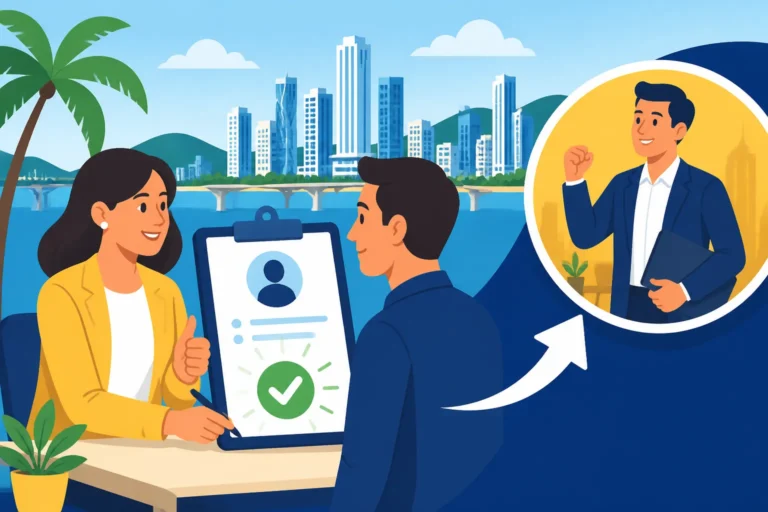
Can International Students Work Part-Time in Panama?
The dream of studying abroad in Panama is exciting, full of new experiences, culture, and learning. But let's be real, for many international students, the financial reality hits hard, and the thought of earning a little extra cash to cover daily expenses or simply enjoy the vibrant Panamanian lifestyle becomes a pressing concern. This guide will walk you through the often-complex landscape of whether international students can work part-time in Panama, cutting through the myths and giving you the grounded truth you need to navigate this journey legally and successfully.
Navigating Panama's Student Visa: The Basics of Working Legally
When you first arrive in Panama with dreams of hitting the books and perhaps earning a few balboas on the side, it's crucial to understand that the rules aren't always straightforward. Panama’s immigration system, like many, has specific categories for a reason, and mixing them up can lead to a world of trouble. Your student visa is for studying, not primarily for working. This fundamental distinction is where many international students first stumble.
Your Student Visa and Its Limitations
Let's talk about that student visa you worked so hard to get. It’s your golden ticket to formal education here, whether you’re learning Spanish at a language institute, pursuing an undergraduate degree at the Universidad de Panamá, or doing a master's at a private university like USMA. This visa explicitly grants you permission to reside in Panama for the purpose of academic enrollment. It signifies to the Panamanian authorities that your primary intent is scholastic.
The critical point here is that a student visa, by itself, generally does not authorize you to work. Think of it this way: your visa has a label, and that label says "student." It doesn't say "student and part-time employee." If you're caught working on just a student visa, you're essentially violating the terms of your stay, which can lead to serious consequences, including fines, deportation, and even a ban from re-entering the country. I've seen it happen to well-meaning students who just didn't understand the nuances of the system. It's a harsh lesson to learn, so understanding this from the outset is paramount.
The Legal Path to Part-Time Work: When a Work Permit is Required
So, does this mean working is completely out of the question? Not necessarily, but it means there's an additional layer of bureaucracy you'll need to peel back. For an international student to legally work part-time in Panama, you will almost certainly need to obtain a separate work permit. This isn't just a casual request; it's a formal application process through the Ministry of Labour (Ministerio de Trabajo y Desarrollo Laboral – MITRADEL).
Panamanian labour law is designed to protect local jobs, which means that any work permit for a foreigner generally requires proving that a Panamanian citizen or permanent resident cannot fill the role. For students, there are specific, limited pathways. For example, some universities might offer very specific, on-campus roles or internships directly tied to your studies, and these might have an easier work permit process or even be exempt under certain conditions. However, working for an external company, even part-time, will almost always require a full-fledged work permit.
It’s crucial to involve an immigration lawyer who specializes in Panamanian visas and work permits right from the start. They can advise you on the feasibility of your specific situation and guide you through the intricate application requirements. This process often involves proving your student status, demonstrating the employer's need for a foreign worker (if applicable), and showing that the job won't displace a Panamanian. It's not a fast or simple process, and realistically, many students find the effort and cost associated with obtaining a separate work permit for part-time work to be quite high, sometimes making it impractical for short-term or low-paying jobs. For a deeper dive into the broader work permit landscape, you might want to read our guide on How a Work Permit and Employer Sponsorship Work in Panama.
Exploring Part-Time Job Opportunities for International Students in Panama
Even with the complexities of work permits, if you're determined to work while studying, understanding the realistic job market is key. Panama City, with its bustling economy and international presence, offers more opportunities than rural areas, but the competition is still real.
Realistic Part-Time Roles for Foreign Students
When you're looking for part-time work as an international student, your options are often limited to roles that might not be snapped up by local Panamanians, or positions that specifically benefit from your foreign language skills or cultural background. Here are some common avenues:
- Language Tutoring: This is perhaps the most common and accessible option for many expats and students. If you're a native English, French, German, or Mandarin speaker, you can often find work teaching these languages to Panamanian professionals or children. Many do this freelance, often through online platforms, which complicates the work permit discussion but is a reality for many. Platforms like iTalki connect language learners with tutors globally, allowing some flexibility, but remember that technically, even remote work for a Panamanian client or company while in Panama requires proper authorization.
- Tourism & Hospitality: In areas popular with tourists like Panama City (especially Casco Viejo), Boquete, or Bocas del Toro, there might be roles in hotels, hostels, tour companies, or restaurants that value multilingual staff. Think front desk, tour guide assistant, or even bar staff in expat-focused establishments. These roles are competitive but can sometimes offer flexible hours.
- International Schools & Academies: If you have prior teaching experience or specialized skills, international schools or private academies sometimes look for part-time assistants, substitute teachers, or after-school program instructors. These positions often come with stricter legal compliance requirements. You can also look for more general guidance on How to Find English Teaching Jobs in Panama.
- Freelance/Gig Work (Online): Many students consider online freelance work (writing, graphic design, virtual assistant tasks) for clients outside of Panama. While this technically falls under "foreign-sourced income" and isn't taxed in Panama, the act of performing the work while physically present in Panama without a work permit is still a grey area in terms of immigration compliance. It’s a risk many take, but it's important to be aware of the legal nuances. For detailed information on this, explore our guide on Working Remotely from Panama: The Definitive Expat Guide (2027).
It's vital to focus on jobs where your unique skills as a foreigner are truly valued, as this increases your chances of finding an employer willing to navigate the work permit process with you.
Overcoming Language and Bureaucratic Hurdles in the Job Hunt
Let's face it, navigating the Panamanian job market as a foreign student comes with its own set of challenges, beyond just the work permit.
Language Barrier: Unless you're specifically teaching English or working in a heavily tourist-oriented area, a good command of Spanish is essential for most jobs. Panamanian Spanish, with its distinct accent and local idioms, can take some getting used to. Don't underestimate this. If your Spanish isn't strong, it significantly narrows your options. You might want to consider taking some intensive Spanish classes or using language exchange apps like iTalki to improve your proficiency quickly.
Bureaucracy: Even for part-time roles, the hiring process can feel slow and cumbersome. Employers might be hesitant to hire a foreign student due to the extra paperwork involved for work permits, which they often have to sponsor or at least facilitate. You'll need to be persistent, polite, and prepared with all your documents. Having your foreign qualifications recognised in Panama, if relevant to the job, can also be a lengthy process as described in How to Get Your Foreign Qualification Recognised in Panama.
Networking: As in many countries, "who you know" can be just as important as "what you know" in Panama. Attend university events, expat meetups, and local community gatherings. Let people know you're looking for work. Sometimes, opportunities arise through personal connections that wouldn't be advertised online.
Here's a quick comparison of common part-time roles for students:
| Job Type | Pros | Cons | Typical Spanish Requirement | Work Permit Necessity (generally) |
|---|---|---|---|---|
| Language Tutor (English) | Flexible hours, often cash/freelance | Variable income, technically requires permit for local clients | Low (for English teaching) | Yes (for local clients) |
| Hospitality/Tourism | Exposure to local culture, varied tasks | Irregular hours, often low pay, competitive | Moderate to High | Yes |
| International School Aid | Professional environment, good experience | High qualifications needed, strict hiring process | Moderate | Yes |
| Online Freelance | Very flexible, work from anywhere | Income instability, legal grey area if clients are Panamanian | Varies | Yes (if Panamanian clients) |
| University Assistant | Relevant to studies, potential for exemption | Very limited positions, highly competitive, specific criteria | Moderate to High | Sometimes (check specific role) |
This table provides a snapshot, but always remember to verify the specifics with your university's international student office and, ideally, an immigration lawyer.
Understanding Legal & Financial Compliance as a Working Student
If you are fortunate enough to secure a legal part-time job and obtain the necessary work permit, your responsibilities don't end there. Panama, like any other country, has laws regarding taxes and social security contributions that apply to anyone earning income within its borders, regardless of their student status. Ignoring these can lead to penalties and even impact your residency status.
Tax Obligations and Social Security Contributions for Students
Once you start earning income from employment in Panama, you enter the national tax system. Panama operates on a territorial tax system, meaning generally only income sourced within Panama is taxed. This is excellent news if you have foreign-sourced income, but your local part-time earnings will be subject to Panamanian income tax.
Your employer will typically withhold income tax (Impuesto Sobre la Renta) from your wages, and you will need to file an annual tax return with the DGI (Dirección General de Ingresos) if your income exceeds certain thresholds. For a detailed breakdown of the system, refer to our comprehensive guide on Understanding Income Tax in Panama (2027). It's a good idea to consult with a local accountant, or a service like Taxes for Expats if your financial situation is complex, to ensure you're compliant. They can help you understand your specific obligations and any potential deductions.
In addition to income tax, you'll also contribute to the Caja de Seguro Social (CSS), Panama’s social security system. These contributions cover health services and a future pension. While your primary healthcare might be handled through private insurance you acquired as an expat, your CSS contributions will grant you access to the public health system. This is a mandatory deduction for any formal employment. For those looking to understand the full scope of healthcare, including public and private options, check out How Panama's Health System Works: CSS and Private Care Explained (2027).
Even if you're only working part-time, keeping meticulous records of your earnings and deductions is crucial for tax filing purposes. Don't leave it until the last minute!
The Serious Repercussions of Undocumented Work
I cannot stress this enough: working in Panama without the proper authorization (i.e., just on a student visa without a work permit, or even if your permit has expired) carries significant risks. The Panamanian authorities take immigration laws seriously, and the consequences of undocumented work can be severe.
- Fines and Penalties: Both you and your employer can face substantial fines. Employers caught hiring undocumented foreign workers can suffer penalties, which makes many businesses understandably reluctant to take the risk.
- Deportation: This is the most serious consequence for the individual. If caught working illegally, you can be detained, deported, and banned from re-entering Panama for a considerable period. This not only derails your studies but can also complicate future international travel and visa applications to other countries.
- Difficulty with Future Visas: A history of violating immigration laws in one country can negatively impact your ability to obtain visas or residency in other countries down the line. Immigration authorities share information, and a black mark on your record can follow you.
- Exploitation: When you work illegally, you have no legal recourse or protection. Employers can take advantage of you, paying less than minimum wage, denying breaks, or providing unsafe working conditions, knowing you can't report them without exposing your own illegal status. This is a vulnerable position no one wants to be in, and it's why following the legal path, however difficult, is always the best option.
Understanding the Understanding Panamanian Labour Law and Worker Rights (2027) is crucial even if you are just contemplating part-time work, so you know what you are entitled to if you secure a legal position, and what you risk losing if you don't. While the idea of earning some extra cash as a student is appealing, make sure you prioritize legal compliance to protect your future in Panama and beyond. For a broader picture of financial planning as an expat, our guide on The Complete Guide to Cost of Living in Panama for Expats (2026) offers valuable insights into managing your budget while studying here.
Disclaimer
Please remember that immigration laws and regulations in Panama can change. While this guide is based on the most current information available, it is essential to consult directly with the National Immigration Service (Servicio Nacional de Migración) or a qualified Panamanian immigration lawyer for the most accurate and up-to-date advice regarding your specific situation as an international student. This article is for informational purposes only and does not constitute legal advice.