How Many Hours Can a Student Work in Panama per Week?
It's incredibly exciting to consider studying in a vibrant country like Panama, but let's be real – the thought of navigating visa rules and work permits while also trying to figure out how to cover your living expenses can be a massive headache. Many international students arrive here with dreams of gaining experience or simply earning a bit of extra cash, only to find the regulations around working a bit hazy. This guide is here to shed some light on exactly how many hours an international student can work in Panama per week, helping you understand the legal landscape so you can plan your studies and potential part-time employment confidently and without stress.
The Core Rules for Student Work Permits in Panama
Understanding the legalities surrounding student employment in Panama is the first, and arguably most important, step. It’s not like in some other countries where a student visa automatically grants you the right to work for a set number of hours. Panama has its own distinct set of rules, and adhering to them is crucial to maintaining your immigration status.
Understanding the Legal Framework and Limitations
Panamanian immigration law, specifically pertaining to student visas, is quite clear about employment. Generally speaking, a standard student visa (Visa de Estudiante) does not automatically grant you the right to work. This can be a huge shock for many international students who come from countries where part-time work is a common, almost expected, part of the student experience. In Panama, the primary purpose of a student visa is, well, to study. Any deviation from that requires a separate, often more complex, process.
If you want to work legally while on a student visa, you typically need to apply for a work permit (Permiso de Trabajo) specifically designed for students, or ensure your specific visa category explicitly allows for it. This isn't a rubber-stamp process; it involves a separate application with the Ministry of Labor and Labor Development (MITRADEL). The Panamanian government’s aim is to protect the local labor market, which means foreign workers, including students, are subject to scrutiny. There are quotas for foreign employees in many sectors, and any work permit application must demonstrate that your employment won't displace a Panamanian citizen. This often means the job must be specialized or fill a specific need that local talent can't easily meet. Therefore, just because you can apply doesn't mean it's easy to get approved, especially for entry-level positions. This is a common point of frustration for many newcomers, so it's vital to set realistic expectations from the outset.
Who is Eligible to Work as an International Student?
Eligibility for a student work permit in Panama hinges on several factors, primarily your visa type and the nature of your studies. Most often, work permits for students are granted under very specific circumstances, such as internships that are an integral and mandatory part of your academic program. For example, if your university course requires a practical internship component for graduation, you might be able to obtain a special work permit for the duration of that internship. These permits are typically tied to the specific internship position and have clear start and end dates. They are not open-ended permits for general part-time employment.
For students simply looking to earn some extra money outside of a required academic internship, the path is significantly more challenging. There isn't a widely available "part-time student work permit" that covers any job. If you are pursuing a scholarship or a program with specific arrangements with the Panamanian government or a local institution, those might include provisions for work, but these are exceptions rather than the norm. It's imperative to consult with your university's international student office or a reputable immigration lawyer before you make any commitments or assumptions about working. They can provide the most accurate and up-to-date information for your specific situation. Remember, the rules can and do change, so getting current advice is paramount. You might also want to look into other types of visas if your primary goal is to work, not just study, such as those detailed in our comprehensive guide on The Complete Guide to Panama Visas and Immigration for Expats (2027).
Practicalities of Working Part-Time While Studying
Even if you manage to secure the elusive student work permit, the practical aspects of combining work with your studies in Panama present their own set of considerations. From finding suitable employment to balancing your academic responsibilities, it's a juggling act that requires careful planning.
Navigating the Job Market for Students
Let's be candid: finding part-time work that aligns with student schedules and fits within the stringent work permit regulations can be tough in Panama. The job market, especially for roles that don't require high-level specialization, tends to prioritize Panamanian citizens. Furthermore, the roles typically available for foreign students often lean towards areas where specific language skills or international experience are valued.
For instance, if you're fluent in English (or another in-demand language), you might find opportunities in tourism, language schools, or even online tutoring. Teaching English, for example, is one common avenue for many expats, and some institutions might assist with the work permit process if you fill a needed role, though this is usually for full-time positions. However, for student part-time work, it is less common to find an employer willing to go through the lengthy and often costly process of sponsoring a work permit for just a few hours a week. Therefore, many students find themselves considering informal work, which carries its own risks and is highly discouraged due to legal implications. Our article on How to Find English Teaching Jobs in Panama offers some valuable insights, though it primarily focuses on more formal, long-term employment.
Here’s a snapshot of common sectors where international students might find some opportunities, keeping in mind the work permit hurdle:
| Sector | Potential Roles (if permit obtained) | Challenges for Students |
|---|---|---|
| Tourism & Hospitality | Tour guide, hotel desk, hostel staff, restaurant help | Fluctuating hours, competition, often requires full-time |
| Language Teaching | English tutor, substitute teacher | Requires certifications, work permits usually for full-time positions |
| Online/Remote Work | Freelance writing, virtual assistant, coding | Tax implications, self-employment registration, requires specific permit or for foreign companies |
| Academic/Research | Research assistant (university-based) | Very limited, highly competitive, tied to specific programs |
| Internships | Project assistant, departmental support | Must be a mandatory part of degree, specific permit required |
Balancing Work, Studies, and Life in Panama
Assuming you successfully navigate the work permit maze, the next challenge is effectively balancing your academic commitments with your part-time job and, let's not forget, actually enjoying your time in Panama! Many students underestimate the demands of university life here, which can be rigorous, particularly if you're also adjusting to a new language and culture.
Working even a few hours a week can significantly impact your study time. You might find yourself sacrificing social activities, study groups, or even adequate rest. It's crucial to create a realistic schedule and prioritize your studies, as failing courses or extending your degree program will negate the benefits of earning some extra cash. Many students find that improving their Spanish significantly boosts their opportunities and integration. Platforms like iTalki can be a great resource for connecting with native Spanish speakers for conversational practice or formal lessons, making it easier to navigate daily life and potentially better job prospects. Being able to communicate effectively will not only enhance your work experience but also enrich your overall life in Panama. Remember that Panama City, for example, is a bustling metropolis, and commuting can eat into valuable time, so consider job locations carefully relative to your university.
Income, Taxes, and Your Financial Obligations
When you do start earning income in Panama, even as a student, there are financial responsibilities you can't overlook. Understanding these from the beginning will save you a lot of headaches down the road. Panama’s territorial tax system is quite attractive, but there are nuances.
Understanding Student Income and Tax Implications
Panama operates on a territorial tax system, which means that generally, only income generated within Panama is subject to Panamanian taxes. This is a huge advantage for many expats and could potentially benefit students if they are earning income from a source outside of Panama, provided they are not a tax resident for that income. However, if you are working part-time for a Panamanian employer or earning income from Panamanian sources, that income is subject to local taxes.
As a student, your income might fall below the taxable threshold, but it's essential to understand the progressive income tax brackets. For example, individuals earning up to $11,000 annually are generally exempt from income tax. If you earn between $11,001 and $50,000, a 15% tax rate applies to the income above $11,000. Beyond $50,000, a 25% rate applies. Even if your earnings are low, you might still have other obligations, such as social security contributions (Caja de Seguro Social, CSS), which are mandatory for employed individuals. These contributions help fund the public healthcare and pension system. It's always a good idea to seek advice from a local tax professional or consult resources like Taxes for Expats to ensure you are compliant with all Panamanian tax laws. They can help clarify your specific situation and guide you on how to get an RUC (Tax ID) as a foreigner in Panama. Navigating these requirements can be complex, and getting it right from the start is critical. You can learn more about the broader tax system in Understanding Income Tax in Panama (2027).
Banking and Managing Your Finances as a Working Student
Managing your finances efficiently is paramount when you're working and studying abroad. Opening a local bank account in Panama is usually a prerequisite for receiving your salary from a Panamanian employer. While it might seem straightforward, opening a bank account as a foreigner can sometimes be a bureaucratic hurdle, requiring specific documents like your passport, visa, proof of address, and sometimes even a letter of reference from your home country bank.
Banks like Banco General or Banistmo are popular choices and generally have good services for expats. You'll need to set up direct deposits for your wages and then manage your expenses from there. Keeping a close eye on your budget is vital, as the cost of living in Panama, especially in Panama City, can add up quickly. While Panama is more affordable than many Western countries, rent, food, and transportation can quickly deplete your earnings if not managed wisely. Our guide on How to Open a Bank Account at a Panamanian Bank as a Foreigner provides a detailed walkthrough of this process. Being organized with your finances will greatly reduce stress and allow you to focus more on your studies and enjoying your Panamanian experience.
Common Challenges and Important Considerations
Moving to a new country for studies and potentially work comes with its own set of challenges that go beyond just legal permits and financial planning. Embracing these challenges and preparing for them can make your experience much smoother.
Language Barriers and Cultural Nuances in the Workplace
One of the most significant challenges for international students seeking part-time work in Panama is the language barrier. While many Panamanians, especially in tourist areas and major business hubs like Panama City, speak some English, Spanish is the official language. Daily communication in workplaces, particularly outside of international companies or specific sectors like tourism, will almost exclusively be in Spanish. This means that even if you have a work permit, your job opportunities will be severely limited if your Spanish isn't at least conversational.
Beyond language, understanding and adapting to Panamanian workplace culture is also crucial. It tends to be more hierarchical and formal than some Western cultures, and personal relationships often play a significant role. Punctuality is generally expected, but meeting times can sometimes be more flexible than what you might be accustomed to. Embracing these cultural nuances with an open mind and a willingness to learn will not only make you a more attractive candidate for employers but also improve your overall experience in Panama. Investing time in improving your Spanish, perhaps through online platforms like iTalki, can truly pay dividends here, both professionally and personally. Knowing the local customs, even small things, shows respect and helps you integrate better.
Maintaining Your Student Visa Status
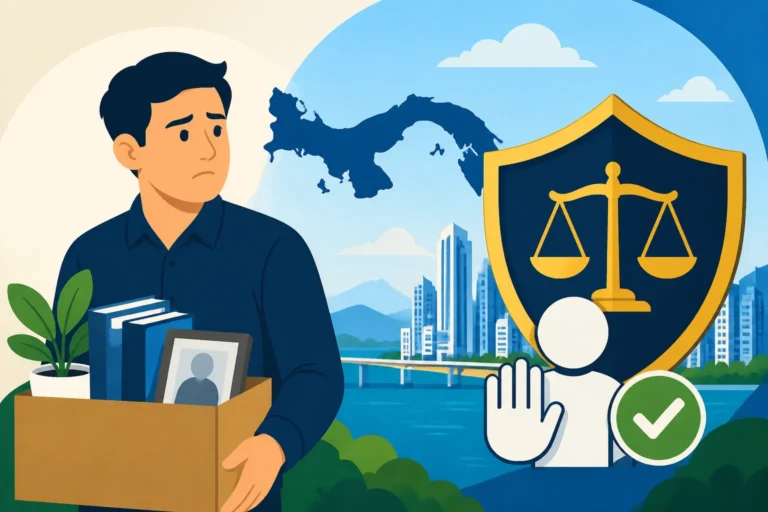
Perhaps the most critical consideration for any international student thinking about working is how to maintain their student visa status. As mentioned, the primary purpose of your student visa is study. Any work you undertake must be in strict accordance with the terms of your visa and any associated work permits. Engaging in unauthorized work, even for a few hours, can have serious consequences, including fines, deportation, and a ban on re-entry into Panama.
It's vital to remember that your work permit is secondary to your student visa. If you fail your courses, drop out, or your academic institution reports you for non-attendance, your student visa could be revoked, which would automatically invalidate any work permit you might hold. Always prioritize your academic responsibilities. Regularly check with your university's international student office and, if necessary, an immigration lawyer to ensure you are fully compliant with all regulations. Understanding The Complete Guide to Studying at a Panamanian University (2027) will give you more context on academic life and its requirements. Getting caught working illegally is simply not worth the risk, no matter how tempting the extra income might seem. Ensure all your ducks are in a row, and if in doubt, always seek professional legal advice.
Disclaimer
Please remember that immigration laws, tax regulations, and labor policies in Panama can change. The information provided in this guide is intended for general informational purposes only and does not constitute legal, financial, or immigration advice. It is highly recommended to consult with a qualified Panamanian immigration lawyer or tax advisor for personalized advice regarding your specific situation before making any decisions related to studying or working in Panama.