What Is the Step-by-Step Process to Buy Property in Panama?
Oh, the dream of owning a slice of paradise in Panama! It's a journey many of us expats embark on, filled with excitement, a fair bit of paperwork, and sometimes, a few head-scratching moments. Buying property in a foreign country can feel like navigating a maze blindfolded, especially when the local customs and legal procedures are so different from what you're used to. This comprehensive guide is here to walk you through every single step of purchasing property in Panama, from the very first thought of looking to the moment you get the keys, sharing realistic insights and practical advice to help you avoid common pitfalls.
Navigating the Initial Stages: Research and Due Diligence
Before you even think about putting down a deposit, you need to lay a solid foundation of understanding. This isn't just about finding a pretty house; it's about understanding the local landscape, both literally and figuratively. Panama's real estate market has its own quirks and nuances that are vital for any foreign buyer to grasp.
Understanding Your Needs and the Panamanian Market
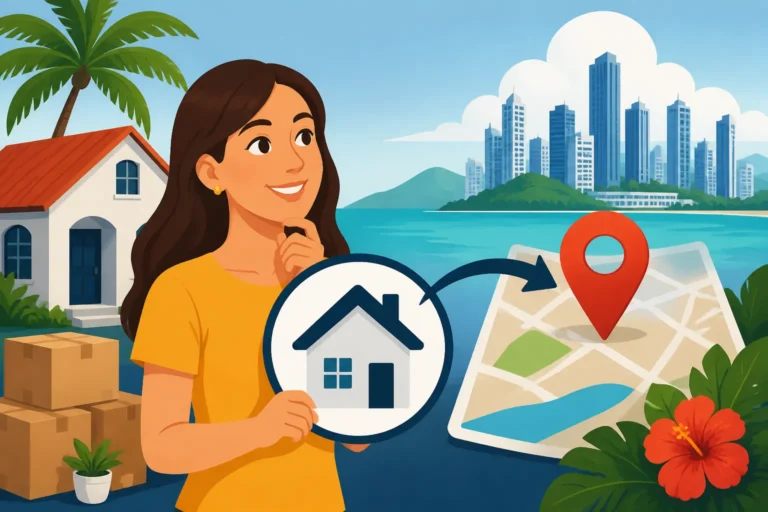
The first step is always self-reflection: what kind of property are you actually looking for, and where? Panama is incredibly diverse. Are you dreaming of a sleek high-rise condo in the bustling metropolis of Panama City, perhaps in areas like El Cangrejo or Obarrio, with stunning ocean views and all the amenities? Or is the tranquil, cooler climate of Boquete, nestled in the highlands, calling to you for a more laid-back, community-focused life? Maybe a beachfront villa in Coronado or Gorgona, where the Pacific waves are your daily soundtrack, is more your speed. Each area offers a vastly different lifestyle and, crucially, a different type of property market with varying price points and regulations.
Once you have a general idea, delve into the specifics of the Panamanian property market. This involves understanding critical distinctions like "titled" property versus "Rights of Possession" (ROP). Titled property is what you're likely familiar with – a clear, registered deed of ownership. ROP, on the other hand, means you're purchasing the right to use and occupy land, which can be significantly riskier for foreign buyers due to less clear legal standing and potential disputes. It cannot be stressed enough: always, always aim for titled property. While ROP might seem cheaper, the potential legal headaches are rarely worth the savings. You'll want to dive deeper into Understanding Property Ownership and the Market in Panama (2027) to truly grasp these fundamental differences. Consider what type of property suits your lifestyle, whether it's an apartment in a high-rise, a standalone house with a garden, or a commercial space if you're looking to start a business. Each has its own set of rules, associated fees (like HOA or cuotas de mantenimiento), and potential for appreciation.
Finding a Trusted Real Estate Agent and Lawyer
This, my friends, is arguably the most critical step in your entire property buying journey in Panama. You absolutely cannot go it alone, nor should you. The local system, the language barrier (even if you speak some Spanish, legal jargon is a different beast), and the intricacies of Panamanian law demand professional assistance.
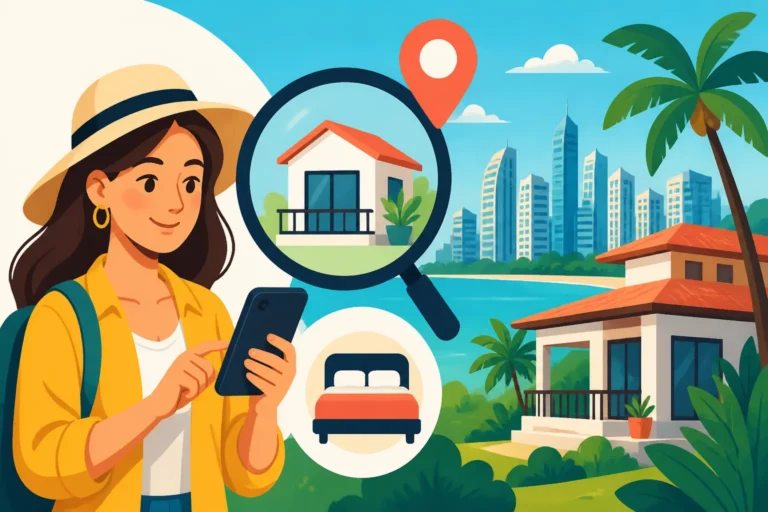
Your real estate agent should be someone with extensive local knowledge, a sterling reputation, and ideally, experience working with foreign buyers. They will be your eyes and ears on the ground, helping you find properties that match your criteria, arranging viewings, and providing insights into specific neighborhoods. Don't just pick the first person you meet; ask for references, check online reviews, and ensure they are licensed. A good agent will listen to your needs, manage your expectations realistically, and be transparent about fees. They should also be patient – the Panamanian pace of business isn't always what we're used to! Finding a reliable real estate agent is a deep dive into How to Find a Reliable Real Estate Agent in Panama, and it's time well spent.
Equally, if not more, important is securing an independent Panamanian lawyer. I emphasize "independent" because their loyalty must be solely to you. Do not use the seller's lawyer, the developer's lawyer, or a lawyer recommended by your real estate agent without doing your own due diligence on that lawyer. Your lawyer will conduct all the necessary legal checks, draft and review contracts, ensure the title is clear, and represent your interests throughout the entire transaction. They are your safeguard against potential legal entanglements and ensure everything is above board. This person is your advocate, your translator of legalese, and your ultimate protector in this foreign market. They’ll also confirm whether Can Foreigners Buy Property in Panama? is relevant to your specific residency status and property type.
The Purchase Process: Offers, Contracts, and Finances
Once you've done your homework and assembled your A-team, it's time to get down to the nitty-gritty of making an offer and solidifying the deal. This stage involves significant legal and financial commitments, so attention to detail and unwavering patience are paramount.
Making an Offer and Signing a Promise to Purchase Agreement
You’ve found "the one"! Now comes the offer. Your real estate agent will typically help you present a formal offer (oferta de compra) to the seller. This offer will include the proposed purchase price, any specific conditions (like closing timelines or items included in the sale), and a proposed closing date. Negotiation is common, so don't be afraid to put forward a reasonable offer.
If the offer is accepted, the next critical step is to sign a Contrato de Promesa de Compraventa, or a Promise to Purchase Agreement. This document is a legally binding contract that outlines the terms and conditions of the sale. It will specify the purchase price, payment schedule, the responsibilities of both buyer and seller, and crucially, any contingencies. These contingencies might include your lawyer verifying a clear title, ensuring the property is free of liens, or sometimes even securing financing (though paying cash often simplifies things for expats). It’s also common at this stage to provide an earnest money deposit (usually 10% of the purchase price), which is typically held in escrow by your lawyer or a neutral third party. This deposit demonstrates your serious intent to purchase. Make sure your lawyer meticulously reviews every clause of this agreement. Any ambiguity now could lead to significant problems later.
Conducting Thorough Due Diligence
After the Promise to Purchase Agreement is signed and your deposit is secured, your lawyer springs into action to perform comprehensive due diligence. This is a critical period where every aspect of the property's legal standing is scrutinized. They will verify:
- Title Search: A deep dive into the Public Registry (Registro Público) to confirm that the seller is indeed the legal owner of the property and that the title is free and clear of any encumbrances, liens, mortgages, or legal disputes. This is non-negotiable.
- Property Tax Status: Ensure that all property taxes (Impuesto de Inmueble) are up-to-date. Any outstanding taxes would transfer to the new owner, so it’s essential to confirm a "Paz y Salvo" (clearance certificate) for taxes.
- Utility Debts: Check for any outstanding utility bills (electricity, water, sanitation, garbage). Similar to property taxes, these debts can sometimes transfer to the new owner, so a "Paz y Salvo" from each utility company is crucial.
- Zoning and Building Permits: Verify that the property's use aligns with zoning regulations and that any constructions or renovations have the necessary permits.
- HOA/PH Fees: If you're buying in a condominium or gated community (Propiedad Horizontal or PH), your lawyer will confirm that all homeowner association fees are current. Overdue fees can become your responsibility.
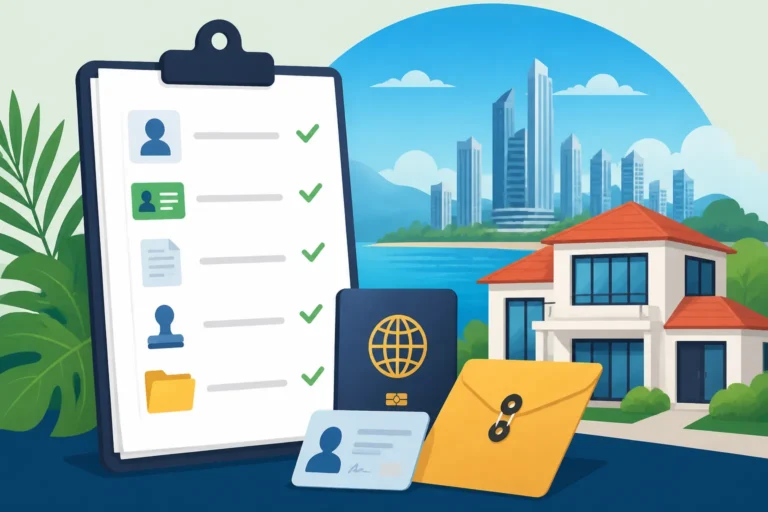
This extensive due diligence process is what protects you from nasty surprises. It ensures that what you think you are buying is indeed what you are buying, free of hidden legal or financial burdens. Your lawyer will be compiling a significant amount of paperwork. For a detailed list of what to expect, refer to What Documents Do I Need to Buy Property in Panama?.
Securing Your Finances and Transferring Funds
Unless you're planning to pay entirely in cash from a local Panamanian bank account – which is often the simplest route for expats – you'll need to sort out your financing. Many foreign buyers choose to pay cash, but if you're looking for a loan, obtaining a mortgage in Panama as a foreigner can be challenging but not impossible. Panamanian banks often require a significant down payment (30-50%) and may have stricter lending criteria for non-residents. Exploring How to Get a Mortgage to Buy Property in Panama can give you a clearer picture of the requirements and options available.
Once your due diligence is complete and all conditions are met, you'll need to arrange for the transfer of the remaining purchase funds. This usually involves a wire transfer from your foreign bank account to your Panamanian lawyer's escrow account, or directly to the seller's account as instructed by your lawyer. This step requires careful planning due to international banking regulations and potential transfer limits or delays. Make sure you understand the fees associated with international transfers and factor in exchange rates (though Panama uses the USD, which simplifies things). Always use reputable banks and follow your lawyer's precise instructions to prevent any complications or, worse, fraud. Keeping track of your financial movements and understanding all the associated fees is vital. You can find more information on How to Transfer Money Into and Out of Panama as an Expat. For expats, staying connected and managing logistics during such a big move is key; sometimes, while dealing with bank transfers and legal processes, having a reliable eSIM from a provider like Airalo for instant data can be a lifesaver, especially if you're frequently communicating with your lawyer or bank representatives from different locations.
Closing the Deal: Registration and Post-Purchase Steps
The finish line is in sight! This stage is about finalizing the legal transfer of ownership and then ensuring you're properly settled into your new Panamanian home.
The Closing (Cierre) and Title Transfer
The "closing" or cierre is the moment when ownership officially changes hands. This typically takes place at a notary public's office (Notaría Pública). Both buyer and seller (or their legal representatives with powers of attorney) must be present to sign the Escritura Pública, which is the Public Deed of Sale. This deed formally records the transaction and specifies the property, the parties involved, and the final purchase price. The notary's role is to ensure the legality of the document and witness the signatures.
After the Escritura Pública is signed and notarized, your lawyer will then register it with the Public Registry. This final registration is what officially transfers the title of the property into your name. It can take several weeks for the Public Registry to process the registration and issue the final recorded deed. During this period, you will have a provisional title, but the property is legally considered yours. Patience here is key, as the process can sometimes feel agonizingly slow. Understanding How to Complete the Property Purchase and Title Process in Panama will give you a comprehensive overview of this pivotal moment.
Handling Taxes and Fees
Ah, taxes! No escape, even in paradise. When buying property in Panama, there are several taxes and fees you need to be aware of and budget for, usually ranging from 5% to 7% of the purchase price. These typically include:
- Property Transfer Tax (Impuesto de Transferencia de Bienes Inmuebles): This is usually 2% of the sale price or the registered value, whichever is higher. It is typically paid by the seller, but sometimes negotiated to be split or paid by the buyer.
- Capital Gains Tax (Impuesto de Ganancia de Capital): This is 10% of the gross profit the seller makes from the sale. Again, this is the seller's responsibility, but in some instances, the buyer might withhold a portion of the payment to ensure the seller pays it.
- Notary Fees: Paid to the notary public for drafting and witnessing the Public Deed. These fees are typically split between buyer and seller.
- Public Registry Fees: Paid to the Public Registry for recording the transfer of title. These are usually paid by the buyer.
- Lawyer Fees: Your lawyer's fees for conducting due diligence, drafting documents, and representing you throughout the process.
It’s crucial to have a clear understanding of who is responsible for paying each of these fees, as this can be subject to negotiation. Your lawyer will provide a detailed breakdown of all costs. For a comprehensive look at the financial obligations, refer to The Complete Guide to Property and Transaction Taxes in Panama (2027).
Post-Purchase Administration and Settling In
Congratulations, you're officially a Panamanian property owner! But the journey doesn't end there. There are several administrative tasks to tackle to ensure your new home is ready for you.
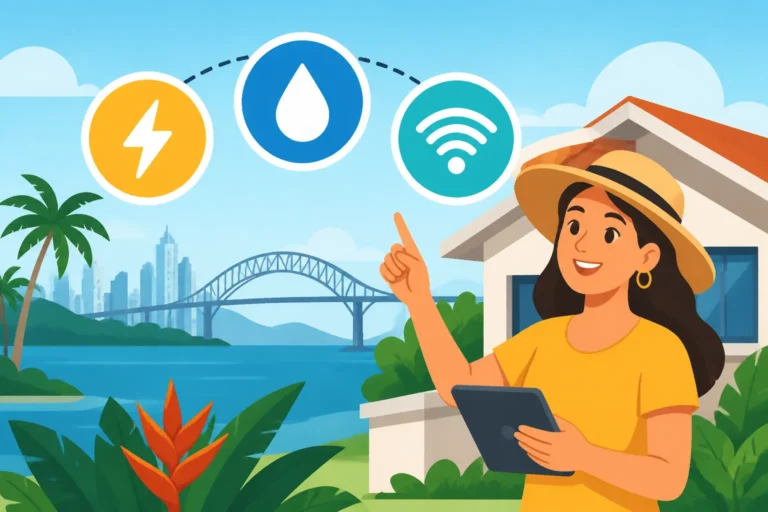
- Utilities: You'll need to set up electricity (with companies like ENSA or Naturgy), water (IDAAN), and internet services. This can be a bureaucratic process, often requiring a visit to their local offices, proof of ownership, and your cédula (Panamanian ID) or passport. Getting these services connected can take time, so initiating the process as soon as possible is wise. For more details on this, check out The Expat Guide to Setting Up Utilities Electricity, Water, Internet in Panama. While you're waiting for the internet to be fully installed in your new home, don't let connectivity issues hold you back. An Airalo eSIM can be a fantastic temporary solution, giving you immediate access to mobile data for navigation, communication, and staying updated without hunting for local SIM cards right after closing.
- Homeowner Association (HOA) Fees: If your property is part of a condominium or gated community, you'll need to establish your account with the HOA and start paying your monthly cuotas de mantenimiento. These fees cover communal services like security, common area maintenance, and sometimes even water or gas. Make sure you understand what these fees cover and when they are due. A detailed guide like Understanding HOA and PH (Propiedad Horizontal) Fees in Panama can clarify these recurring costs.
- Property Insurance: While not always mandatory, securing property insurance is highly recommended to protect your investment against natural disasters, theft, or other damage.
- Changing Address: Update your official records, including your residence permit, bank accounts, and any other relevant documents, with your new Panamanian address.
- Relocation Logistics: Now that you have your home, the real fun of moving in begins! Whether you're shipping furniture or just your personal belongings, planning your relocation is crucial. Resources such as Sirelo can be incredibly helpful at this stage, offering platforms to compare international moving companies and streamline the logistics of bringing your life to Panama.
Common Pitfalls and Expert Tips for Expats
While Panama offers incredible opportunities for property ownership, it's not without its challenges. Being aware of common pitfalls and arming yourself with insider tips can save you a lot of grief.
Avoiding Scams and Legal Traps
The unfortunate truth is that not everyone has your best interests at heart. As a foreigner, you might be seen as an easy target for scams or overpricing. The absolute best defense is a thorough and meticulous legal due diligence conducted by your independent Panamanian lawyer. Never be pressured into rushing a decision, signing documents you don't fully understand (even with a translation), or making payments outside of proper escrow channels. Be wary of deals that seem "too good to be true" or properties with unclear ownership histories. Always verify everything through official channels. Remember, a reputable lawyer will take the time to explain every detail, no matter how small, and will never cut corners to expedite a sale. Trust your gut, and if something feels off, it probably is. This vigilance extends to understanding the legal framework outlined in Understanding How to Move to Panama Legally from Abroad (2027).
Cultural Nuances and Patience
Panama operates on its own unique rhythm, often referred to as "Panamanian time." This means things generally move slower than you might be accustomed to in Western countries. Bureaucracy can be a multi-step process, requiring multiple visits to different offices, each with its own set of rules and required documents. Patience isn't just a virtue here; it's a necessity. Frustration is a common expat experience, but losing your temper will rarely, if ever, speed things up.
Embrace the slower pace, allocate ample time for each step, and build a buffer into any timelines you're given. Learning some basic Spanish will also go a long way in building rapport and navigating daily interactions, even if your lawyer and agent speak English. Understanding and adapting to these cultural nuances will not only make the property buying process smoother but will also significantly enhance your overall experience of living in Panama. For a broader perspective on settling in, reading The Complete Guide to Moving to Panama: Your First 90 Days (2027) can provide valuable context beyond just property acquisition. Remember, a smile, a polite "por favor," and a deep breath can work wonders.
Stage of Purchase Key Actions for your personal preferences.
Please note that these costs can vary significantly based on location, size of the property, the complexity of the legal aspects, and the lawyer's expertise. Always ask for a detailed estimate of all expenses upfront.
Disclaimer
This article is for general informational purposes only and does not constitute professional advice. Laws, prices and regulations vary by location and change over time. Consult a qualified professional for guidance on your specific situation.