Do I Need a Visa to Visit Panama in 2026?
Oh, the age-old question that keeps so many aspiring expats and curious tourists up at night when dreaming of Panama: "Do I actually need a visa to set foot in this beautiful country?" Believe me, navigating the bureaucratic maze of immigration can feel like a sport, especially when you're dealing with constantly shifting rules and differing information. It’s enough to make your head spin! This comprehensive guide is here to cut through the confusion and give you the clear, realistic picture for visiting Panama in 2026, whether you’re planning a quick getaway or eyeing a longer stay. We’ll cover everything from who needs a visa to the often-overlooked entry requirements that can make or break your trip.
The General Rule: Who Needs a Visa to Enter Panama?
Let's get down to brass tacks. Panama, bless its heart, actually has a pretty welcoming policy for many nationalities when it comes to short-term visits. But, and this is a big but, "short-term" can mean different things, and it absolutely depends on where you're from. You can't just assume. Missing this crucial detail is a common headache for new arrivals, so let's break it down.
Visa-Exempt Countries and the Vague "Maximum Stay" Rule
For citizens of a large number of countries, including the United States, Canada, the United Kingdom, most European Union nations, Australia, New Zealand, and many Latin American countries, you generally don't need a pre-arranged visa to enter Panama as a tourist. This is fantastic news, making impromptu trips much easier! However, this doesn't mean you can just show up and stay indefinitely.
The standard allowance for visa-exempt visitors is typically up to 180 days. You heard that right, six whole months! That's a generous chunk of time to explore the vibrant city, hike through the cloud forests of Boquete, or relax on the beaches of Bocas del Toro. Yet, here's the kicker: the final decision on your allowed length of stay always rests with the immigration officer at your point of entry. They might stamp your passport for 30, 60, or 90 days, even if you technically could be eligible for 180. It's not personal, it's just how they operate sometimes. Always check your stamp immediately, because overstaying, even by a day, can lead to fines and complications down the line. Many people are caught out by this, thinking they had 180 days when they were only given 90! Be prepared to articulate your travel plans and show a return ticket to reassure them you're a genuine tourist.
Countries Requiring a Stamped Visa or Authorized Visa
Now, for other countries, particularly those from certain parts of Asia, Africa, and Eastern Europe, a visa will be required before you arrive. This isn't a slight; it's standard international protocol based on various agreements and diplomatic relations. These visas fall into two main categories:
- Visa Estampada (Stamped Visa): This is your more straightforward visa. You apply for it through a Panamanian consulate or embassy in your home country or country of residence. It's usually issued within a few weeks, sometimes quicker if you have all your ducks in a row. The process typically involves submitting an application form, your passport, photos, proof of funds, a travel itinerary, and sometimes a letter of invitation. It’s a bit like applying for any other tourist visa you might be familiar with.
- Visa Autorizada (Authorized Visa): This category is for citizens from countries that have a higher level of scrutiny from Panamanian immigration. An authorized visa means your application needs to be approved directly by the National Immigration Service in Panama City itself, not just by an embassy abroad. This process can take significantly longer, sometimes several months, as it involves more extensive background checks. You'll typically submit your application and documents through a Panamanian consulate, but they then forward everything to Panama for central approval. This is definitely not a last-minute endeavor! If you fall into this category, start your application well in advance of your desired travel dates.
It’s absolutely crucial to check the most current requirements for your specific nationality on the official website of the Panamanian Ministry of Foreign Affairs or by contacting the nearest Panamanian embassy or consulate. The rules can be updated, and what was valid last year might have changed for 2026.
Special Cases: US, Canadian, UK, and EU Citizens
For citizens of the United States, Canada, the United Kingdom, and the European Union, the good news remains largely consistent: you typically do not need a visa for tourist visits to Panama. As mentioned, the standard maximum stay for these nationalities is generally up to 180 days, granted at the discretion of the immigration officer upon arrival.
However, even for these "easy" nationalities, common sense and preparedness are your best friends. Don't assume anything. Some accounts describe people from these countries being questioned extensively because they didn't have an onward ticket or couldn't articulate their plans. Always be polite, clear, and have your documents ready. Remember that even if you're visa-exempt, you still need to meet general entry requirements, which we'll cover next. Think of your passport as your golden ticket, but it needs companions like a return flight and proof of funds to truly shine.
Essential Documents and Entry Requirements, Even Without a Visa
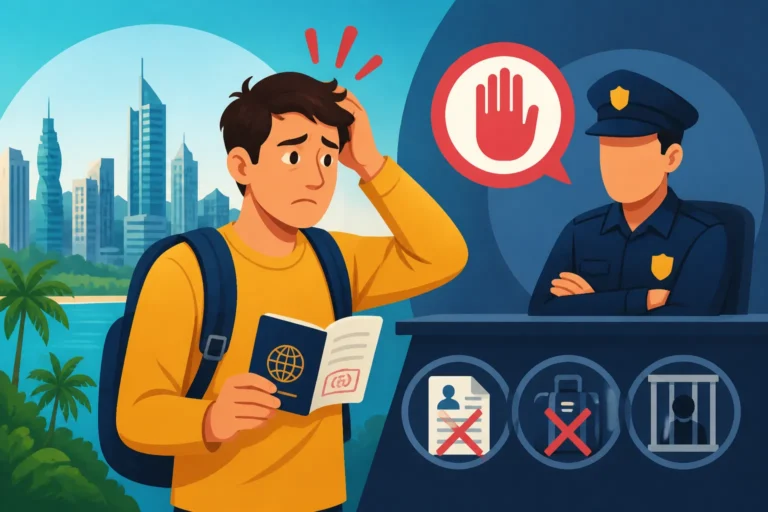
Okay, so you might not need a visa, but that absolutely doesn't mean you can waltz in with just your charming smile and a backpack. Panama, like any sovereign nation, has non-negotiable entry requirements that apply to almost everyone, visa-exempt or not. Overlooking these is a sure-fire way to start your Panamanian adventure with a massive headache at immigration, or worse, be denied entry.
Passport Validity and Return Tickets
This is a fundamental requirement that often trips people up. Your passport must be valid for at least six months beyond your intended date of departure from Panama. If your passport is set to expire in five months, even if you only plan to stay for two weeks, you might be denied boarding your flight to Panama or turned away at immigration. Airlines are very strict about this because they face fines if they transport passengers who are subsequently denied entry. So, take a moment, pull out that passport, and double-check those dates.
Equally critical is proof of a return or onward ticket. Panamanian immigration wants assurance that you're a tourist and not planning to illegally overstay. This means having a confirmed flight, bus, or boat ticket out of Panama to another country. Even if you're planning a longer stay and haven't finalized your departure date, you must have some form of confirmed exit. I've known people who tried to argue they'd buy a ticket later, only to be held up for hours or forced to buy an expensive, last-minute ticket on the spot. Don't risk it. If you're genuinely unsure of your exact departure date but need proof, consider buying a fully refundable ticket or a cheap flight to a nearby country you don't intend to visit, just for the documentation.
Proof of Economic Solvency
This requirement often surprises visitors, but it's standard procedure in many countries. Panama generally requires visitors to demonstrate sufficient funds to cover their stay. The official amount can fluctuate, but a common figure often cited is around US$500 to US$1,000. This is to ensure you won't become a financial burden on the state.
How do you prove this? Cash is the easiest and most direct way, but nobody wants to travel with that much money. Credit card statements (though less commonly accepted as definitive proof), debit cards, bank statements, or even a letter from your bank can work. While immigration officers don't always ask for this, if they do, you need to be able to show it. It's often at the discretion of the officer, and if you seem vague about your plans or can't show a return ticket, this might be their next question. Always carry at least some cash and have access to funds on a credit or debit card, just in case.
Accommodation and Travel Insurance
While not always a mandatory requirement for all tourists, having confirmed accommodation for at least your first few nights is highly recommended and can sometimes be requested. This further strengthens your case as a genuine tourist with a plan. A hotel booking confirmation or a letter from a friend/family member inviting you to stay with them (along with their contact details and address) usually suffices.
Similarly, travel insurance, while not universally enforced as an entry requirement, is an absolute no-brainer for any trip to Panama. The Panamanian healthcare system, while decent in the private sector, can be expensive if you need emergency care or have an unexpected medical issue. You absolutely do not want to be stuck with a massive hospital bill. Expats, new and old, have faced unexpected medical costs, from a nasty tropical bug to a broken bone from a slip on a wet sidewalk. Having a robust international health insurance plan, like those offered by Cigna Global, can provide immense peace of mind. It means you can access quality private hospitals without worrying about the financial fallout. It’s an investment in your safety and well-being, not just a travel expense.
Navigating the Visa Application Process if You Need One
So, you've figured out that your nationality requires a visa for Panama. Don't despair! While it might add a few extra steps to your travel planning, millions of people successfully apply for and receive Panamanian visas every year. The key is understanding the process, being meticulous with your documentation, and having a good dose of patience.
Types of Visas for Longer Stays or Specific Purposes
Beyond the standard tourist visa (or lack thereof for many), Panama offers various visa categories for those looking to stay longer or for specific purposes. This is where your long-term plans really come into play.
- Tourist Visa Extension: If you're from a visa-exempt country and were granted less than 180 days on arrival, it is sometimes possible to apply for an extension through the National Immigration Service in Panama City. This can be a bit of a bureaucratic process, and success isn't guaranteed, but it's an option for those who genuinely need a bit more time. You'll need to show continued economic solvency, a new onward ticket, and a valid reason for the extension.
- Student Visas: If you're planning to immerse yourself in Spanish or pursue higher education, a student visa is your pathway. This typically requires acceptance into a recognized Panamanian educational institution and proof of funds to support yourself during your studies. This is a common route for younger expats or those looking for a career change. If you're considering this, check out our guide on How to Apply for a Student Visa in Panama.
- Work Visas/Permits: For those looking to work in Panama, a work permit is almost always required. This is usually tied to a job offer from a Panamanian employer who sponsors your application. It’s a complex process, often requiring the assistance of a local lawyer. You can find more detailed information on this in our article, How a Work Permit and Employer Sponsorship Work in Panama.
- Residency Visas: This is the big one for many expats looking to make Panama their permanent home. There are several popular routes, such as the Friendly Nations Visa for citizens of specific countries who establish economic ties, or the Pensionado (Retiree) Visa for those with a guaranteed lifetime pension. These lead to temporary, then often permanent, residency. If this is your goal, I highly recommend diving into our comprehensive guide, How to Get Residency in Panama: The Full Guide (2027), or specific articles like The Expat Guide to the Pensionado (Retiree) Visa in Panama (2027) and Understanding the Friendly Nations Visa in Panama (2027).
The Application Steps
While the specifics vary by visa type and nationality, the general process for applying for a Panamanian visa (whether stamped or authorized) usually follows these steps:
- Determine Your Visa Type: Use official government resources to confirm exactly which visa you need based on your nationality and purpose of visit. Don't guess!
- Locate the Nearest Consulate/Embassy: Find the Panamanian diplomatic mission responsible for your region. Their website will have specific application forms and requirements.
- Gather Required Documents: This is where attention to detail is paramount. You'll likely need:
- Completed application form
- Original passport (with at least six months validity)
- Passport-sized photos
- Round-trip flight itinerary (or onward ticket)
- Proof of economic solvency (bank statements, letter from employer, etc.)
- Hotel reservations or a notarized letter of invitation from a host in Panama
- Police clearance certificate (especially for authorized visas or longer stays)
- Apostilled birth certificate and marriage certificate (for family visas)
- A processing fee.
Remember, all documents not in Spanish must be officially translated and apostilled/legalized. This can be a lengthy process in itself. For specific requirements, our article on Understanding Document and Apostille Requirements for Panama Immigration can be a real lifesaver.
- Submit Your Application: This is usually done in person at the embassy or consulate, or through a designated agency. For authorized visas, the consulate will forward your documents to Panama.
- Wait for Processing: This is where patience truly becomes a virtue. Processing times vary wildly. A stamped visa might take a few weeks, while an authorized visa could take several months. There's often no way to expedite it, so plan accordingly.
- Visa Interview (if required): Some visa types, especially for longer stays or authorized visas, may require an interview at the consulate. Be prepared to discuss your reasons for visiting and your ties to your home country.
Common Pitfalls and How to Avoid Them
Looking at common visa application issues, there are some recurrent themes that cause problems for visa applicants:
- Incomplete Documentation: This is the number one reason for delays or rejections. Double-check, triple-check, and then have someone else check your documents against the official requirements. One missing signature, one expired document, or one untranslated paper can send you back to square one.
- Language Barrier: Panamanian immigration officials predominantly speak Spanish. While some might speak English, especially in tourist hubs, don't rely on it. Have your documents in Spanish, and if you’re attending an interview, consider bringing a translator if you're not fluent.
- Assuming Rules Don't Apply: Just because your friend got into Panama easily five years ago, or because "everyone" does something a certain way, doesn't mean it's current or legally sound. Always verify information from official sources.
- Not Planning Ahead: Especially for authorized visas, the processing time can be excruciatingly long. Starting your application only a month or two before your desired travel date is almost certainly going to lead to disappointment. Give yourself a generous buffer, at least 4-6 months, ideally more.
- Trusting Unofficial Advice: Be wary of information found on random forums or outdated blogs. While well-intentioned, immigration rules change. Stick to embassy websites, the Panamanian National Immigration Service, or reputable immigration lawyers.
Planning Your Trip: Beyond Just the Visa
Okay, so you’ve got your visa sorted, or you know you’re one of the lucky visa-exempt travelers. Fantastic! But visiting Panama is about more than just getting through the airport. It’s about planning an enjoyable, safe, and smooth experience. A little foresight goes a long way for expats.
Health Considerations and Travel Insurance
This really can't be stressed enough. Panama, while a modern country in many respects, especially in Panama City, still has its fair share of tropical considerations. Mosquito-borne illnesses like Dengue, Zika, and Chikungunya are present. While public healthcare exists, the private hospitals offer significantly higher standards, often with English-speaking staff and state-of-the-art equipment. However, they are not cheap.
This is precisely why robust travel and health insurance is non-negotiable. Whether it's a sudden appendicitis, a nasty case of food poisoning, or an accident while exploring, you want to know you're covered. International health insurance providers like Cigna Global are specifically designed for expats and frequent travelers, offering comprehensive coverage that extends to emergency medical care, hospital stays, and even medical evacuation if needed. Don't leave home without it. Even if you're only coming for a short tourist trip, a good travel insurance policy will cover unexpected illnesses or accidents. Knowing you have access to quality care and won't face crippling medical bills allows you to truly relax and enjoy your time here. For a deeper dive, check out Emergency Medical Care in Panama: What Every Expat Needs to Know.
Logistics and Moving Your Life
If your "visit" is actually the precursor to a longer stay or a full move, then you've got a whole other set of logistics to consider. Even for a longer tourist stay, you'll need to think about where you'll stay, how you'll get around, and what you'll bring.
For those planning to relocate, shipping your belongings to Panama is a big decision. Do you bring everything, or start fresh? Companies specializing in international moves can be a huge help. Platforms like Sirelo can connect you with reputable moving companies that have experience navigating customs in Panama, ensuring your treasured possessions arrive safely and with minimal fuss. They can help you compare quotes and services, which is invaluable when coordinating a move across borders. Getting your household goods here can be a complex dance of paperwork and timing, so professional help is often worth the investment. Also, think about practicalities like setting up your utilities once you arrive. Our guide on The Expat Guide to Setting Up Utilities (Electricity, Water, Internet) in Panama can offer some practical advice.
Local Laws and Cultural Nuances
Finally, whether you need a visa or not, remember you are a guest in Panama. Respect local laws and cultural norms. Panama is generally a very safe and welcoming country, but like anywhere, common sense applies. Be aware of your surroundings, especially in busy urban areas or at night. Petty crime can occur.
Understanding some basic cultural nuances will also enhance your visit. Panamanians are generally warm, friendly, and family-oriented. Patience is a virtue – things often move at a slower pace here, which is part of the charm but can sometimes frustrate those used to hyper-efficiency. A little Spanish goes a long, long way in daily interactions, showing respect and opening doors to richer experiences.
| Nationality Group | Visa Requirement (Tourist) | Typical Max Stay (Discretionary) | Key Entry Documents (Always Required) |
|---|---|---|---|
| US, Canada, EU, UK, Australia, NZ, etc. | Visa-Exempt | 90-180 Days | Valid Passport (6+ months), Onward/Return Ticket, Proof of Funds |
| Select Asian/African/EEA countries | Stamped Visa | Varies by Visa (often 30-90 Days) | Valid Passport, Onward/Return Ticket, Proof of Funds, Approved Visa |
| Other specific countries | Authorized Visa | Varies by Visa | Valid Passport, Onward/Return Ticket, Proof of Funds, Centrally Approved Visa |
In summary, while many nationalities can enjoy visa-free entry to Panama for tourism, it's absolutely vital to confirm your specific requirements for 2026, understand the unspoken rules of immigration, and prepare all your documents diligently. With a bit of planning and the right information, your Panamanian adventure will be off to a smooth start!
Disclaimer
The information provided in this guide is intended for general informational purposes only and does not constitute legal or professional advice. Immigration laws and requirements in Panama are subject to change without notice. While we strive to keep our content up-to-date, we strongly recommend consulting the official website of the Panamanian National Immigration Service (Servicio Nacional de Migración) or a qualified Panamanian immigration lawyer for the most current and personalized advice regarding your specific situation before making any travel or relocation decisions.