What Health Insurance Options Are There for Expats in Panama?
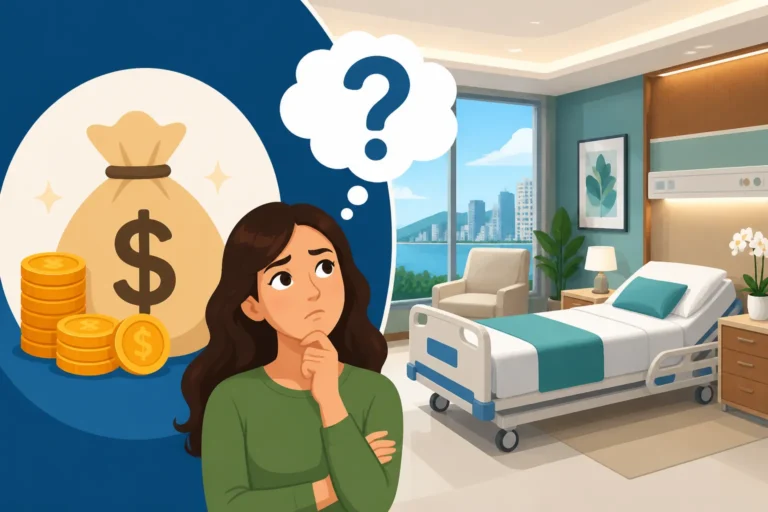
Moving to Panama, whether for retirement or a new adventure, brings a whole heap of exciting prospects. But let’s be real, the moment you land, one of the biggest anxieties for any expat is usually, "What happens if I get sick here?" Navigating a new country’s healthcare system can feel like deciphering ancient hieroglyphs, and figuring out your health insurance options is often at the top of that stress-inducing list. This guide is going to walk you through all the different health insurance choices available for expats in Panama, from public provisions to private plans, so you can make informed decisions and have one less thing to worry about.
Understanding Panama's Dual Healthcare System: Public vs. Private
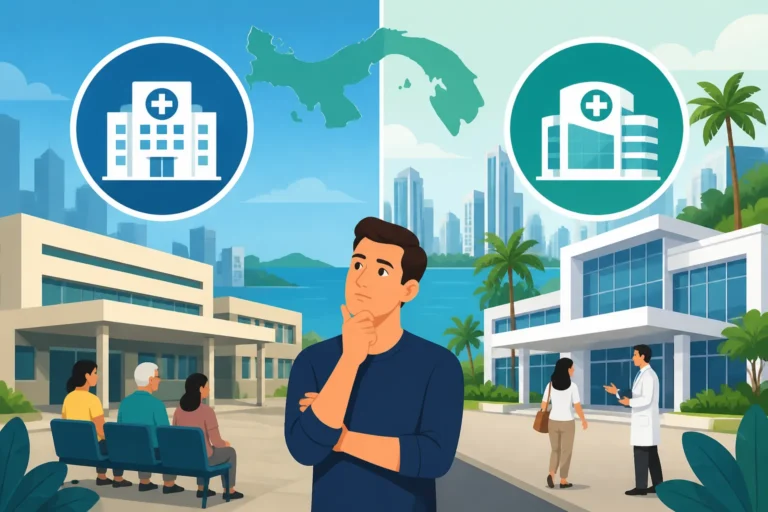
Panama, like many countries, operates with a two-tiered healthcare system: a public option and a private one. As an expat, you’ll likely interact with both, or at least consider them when weighing your insurance choices. It's not as simple as choosing one or the other, as each has its own quirks, benefits, and, let’s be honest, frustrations that come with living in a foreign land. Understanding these differences is your first step toward peace of mind.
The Caja de Seguro Social CSS for Expats
The Caja de Seguro Social, or CSS, is Panama's public social security system, covering healthcare, pensions, and other benefits for employees and their families. If you’re formally employed by a Panamanian company, you’ll typically be enrolled in the CSS automatically, with contributions deducted directly from your salary. Sounds straightforward, right? Well, for some, it is, and for others, it's a bit of a mixed bag.
On the one hand, the CSS offers comprehensive coverage, including doctor visits, hospital stays, prescription medications, and even some specialist care, often at little to no out-of-pocket cost once you're a member. It's a lifesaver for many, providing access to essential services. You might be interested in learning more about How Panama's Health System Works: CSS and Private Care Explained (2027).
However, the reality for many expats using the public system can be challenging. Wait times, particularly for specialist appointments or non-emergency procedures, can be long. I'm talking weeks, sometimes months. Facilities in some CSS hospitals, especially outside of major cities, might not be up to the same modern standards you're used to, and English-speaking staff are far from guaranteed. Imagine trying to explain your symptoms in broken Spanish to an overworked nurse – it's a scenario many of us have faced, and it’s not fun. For deeper insights, you can explore How to Register with the CSS (Caja de Seguro Social) in Panama.
The Landscape of Private Healthcare Providers
Contrast that with Panama's private healthcare sector, which is a different beast entirely. Here, you'll find modern hospitals like Hospital Punta Pacifica, Hospital Nacional, and Centro Médico Paitilla, particularly in Panama City, boasting state-of-the-art equipment, comfortable rooms, and a higher likelihood of English-speaking doctors and staff. It’s a world apart from the public system in terms of convenience and often, quality of experience.
These private facilities operate on a cash-pay or private insurance model. If you walk in without insurance, you'll be expected to pay upfront for services, which can add up quickly. A simple doctor's visit can range from $30-$100, while more complex procedures or hospital stays can run into the thousands. This is where private health insurance becomes not just an option, but often a necessity, especially if you want to avoid the public system's queues and communication hurdles. Understanding the nuances between these two systems is crucial for expats, and you can get a clearer picture by reading Public vs Private Healthcare in Panama: What Expats Need to Know.
Diving Deep into Private Health Insurance Options
For most expats, private health insurance is the preferred route for medical care in Panama. It offers flexibility, faster access, and a better experience overall. But 'private health insurance' isn't a single entity; it comes in several flavors, each with its own advantages and disadvantages.
Local Panamanian Private Insurance
Many local Panamanian insurance companies offer health plans specifically designed for residents. These plans are often more affordable than international options and are generally very well-suited for covering care within Panama. Companies like ASSA, Internacional de Seguros, and Blue Cross Blue Shield (which operates locally here) are popular choices.
Pros of Local Plans:
- Cost-Effective: Generally cheaper premiums compared to international plans.
- Local Focus: Tailored to the Panamanian healthcare system, with direct billing arrangements often in place with major private hospitals and clinics. This means less paperwork for you!
- Simplicity: Designed for those primarily living and seeking care within Panama.
Cons of Local Plans:
- Limited International Coverage: Most local plans offer minimal or no coverage outside of Panama. If you travel frequently or anticipate needing care in your home country, this could be a major drawback.
- Language Barrier: Policy documents and customer service might primarily be in Spanish, which can be tricky if your Spanish isn't fluent.
- Network Restrictions: While they have a good network within Panama, it's typically restricted to Panamanian providers.
For many, a local plan hits the sweet spot between affordability and comprehensive local coverage. These are often the first port of call for those looking into How to Choose Private Health Insurance in Panama (2027).
International Health Insurance for Global Coverage
Then there are international health insurance plans. These are designed for global citizens, offering coverage not just in Panama, but usually worldwide (with or without coverage in your home country or the USA, depending on the policy). Providers like Cigna Global, Aetna International, and Pacific Cross International are well-known in this space.
Pros of International Plans:
- Global Coverage: The biggest advantage is being covered wherever you go, which is ideal if you’re a frequent traveler or plan to eventually move to another country.
- Higher Limits: Often come with higher annual limits and more extensive coverage options, including medical evacuation and repatriation.
- English Support: Typically offer customer service and policy documents in multiple languages, including English.
- Portability: You can often take your plan with you if you move from Panama to another country.
Cons of International Plans:
- Higher Premiums: They are generally more expensive than local plans due to their extensive coverage.
- Complexity: The sheer number of options and riders can make choosing a plan more complicated.
- Local Direct Billing: While many international plans do offer direct billing in Panama's top hospitals, some smaller clinics might still require you to pay upfront and claim reimbursement. Understanding How to Claim Reimbursement from Private Insurance in Panama is vital here.
Short-Term and Travel Insurance Solutions
For those who are just arriving in Panama, or who don't plan to stay long-term, short-term or travel insurance can be an invaluable bridge. These plans aren't meant to be permanent solutions but offer critical coverage for unexpected medical emergencies or accidents.
Take SafetyWing, for example. They offer travel medical insurance that can be particularly useful for digital nomads or those in their initial months in Panama while they sort out long-term residency and insurance. It provides coverage for unexpected illnesses and injuries, emergency medical evacuation, and travel delays. It's a great option for that interim period, or if you're on a tourist visa and worried about sudden medical costs. Just remember, these plans typically focus on emergencies and won't cover routine check-ups or pre-existing conditions in the same way a comprehensive long-term plan would. If you're wondering What Happens If I Get Sick Without Insurance in Panama?, having at least a travel plan like SafetyWing can provide a crucial safety net.
Key Factors to Weigh When Choosing Your Plan
Choosing the right health insurance in Panama isn’t just about picking the cheapest or most expensive option. It requires a thoughtful consideration of your personal needs, health status, and lifestyle. After all, this is about your health and financial security.
Coverage Needs and Pre-Existing Conditions
This is paramount. What kind of coverage do you actually need?
- Basic vs. Comprehensive: Do you just want coverage for emergencies and hospitalizations, or do you need outpatient care, dental, vision, and maternity benefits too? A robust plan like those from Cigna Global or some local providers will offer a wide array of options.
- Pre-Existing Conditions: This is a big one. Many insurance policies, especially new ones, have strict rules about pre-existing conditions. Some might exclude them entirely, others might impose a waiting period, and a few specialized plans might cover them at a higher premium. Be honest and thorough about your medical history during the application process to avoid issues later. This is often where new expats find themselves in a bind, and it's worth checking policies from the outset.
- Age: Your age will significantly impact premiums and coverage options. Older expats might find fewer options or higher costs.
Don’t just skim the fine print; read it, understand it, and if necessary, get a local insurance broker to help explain it in plain English. The "gotchas" usually hide in those details. You'll want to review Understanding Private Health Insurance Plans in Panama for more details on these.
Cost, Deductibles, and Co-pays
The financial aspect is, of course, a huge decision driver.
- Premiums: This is what you pay monthly or annually. Local plans tend to have lower premiums. International plans, particularly those that include coverage in the US, can be substantially higher.
- Deductibles: This is the amount you have to pay out-of-pocket before your insurance coverage kicks in. A higher deductible usually means a lower premium, and vice-versa.
- Co-pays: These are fixed amounts you pay for specific services, like a doctor’s visit or prescription drugs, after your deductible has been met.
- Out-of-Pocket Maximum: This is the most you'll have to pay for covered services in a plan year. Once you hit this limit, your insurance pays 100% of the cost for covered benefits. It's a crucial number to know for catastrophic protection.
Always get quotes from multiple providers – both local and international – and compare these figures meticulously. Remember that the cheapest plan might not be the best value if it leaves you with massive out-of-pocket expenses when you actually need care. For a full picture of potential costs, check out The Cost of Healthcare in Panama: A Complete Breakdown for Foreigners (2026).
Network Access and English-Speaking Doctors
The practical side of healthcare is often about access.
- Provider Network: Does the insurance plan have a robust network of hospitals, clinics, and specialists in your area of Panama? For example, if you live in Boquete, does your chosen plan work well with the local private clinics there, or is it primarily focused on Panama City? Some insurance companies have direct billing agreements with major hospitals like Punta Pacifica, making your life much easier.
- English-Speaking Doctors: While Panama City has a good number of English-speaking doctors, this becomes less common in rural areas. Having a plan that provides a list of network doctors, and ideally some indication of language proficiency, is a huge plus. It’s hard enough to be sick; trying to communicate complex medical issues in a language you’re not fluent in just adds another layer of stress. You might also want to consult How to Find an English-Speaking Doctor in Panama.
Having a plan that aligns with where you live and what kind of support you need can make all the difference in a medical situation. Remember the importance of checking with your provider if you are looking to secure a plan like SafetyWing, if it covers direct billing with your preferred medical facility.
Here's a quick comparison table to help visualize the options:
| Feature | CSS (Public System) | Local Private Insurance (e.g., ASSA, Internacional) | International Private Insurance (e.g., Cigna, Aetna) | Short-Term/Travel (e.g., SafetyWing) |
|---|---|---|---|---|
| Primary Coverage Area | Panama only | Primarily Panama, limited/no international | Worldwide (with customizable exclusions) | Global (focused on unexpected illness/injury) |
| Cost | Employer-deducted, very low/no out-of-pocket | Moderate premiums, lower deductibles/co-pays locally | High premiums, variable deductibles/co-pays | Low premiums, typically higher deductibles for emergencies |
| Facility Quality | Varies, some basic, some modern in cities | Modern private hospitals and clinics, high standards | Modern private hospitals and clinics, high standards | Covers costs at local private facilities |
| Wait Times | Often long for non-emergencies | Generally short for appointments, immediate for emergencies | Generally short for appointments, immediate for emergencies | Immediate for emergencies, not for routine care |
| English-Speaking Staff | Rare in public, limited in some private facilities | More common in major private hospitals in Panama City | Most common in major private hospitals, often with interpreter services | Depends on local facility, but claims process is typically in English |
| Pre-Existing Conditions | Covered if enrolled through employment | Often subject to waiting periods or exclusions | Variable, depends on plan and underwriting, can be expensive | Generally excluded or very limited |
| Ideal For | Employed expats willing to navigate bureaucracy | Expats living long-term in Panama, not frequent international travelers | Expats needing global coverage, flexibility, and premium service | New arrivals, digital nomads, short-term stays, bridging gaps |
Navigating the Application and Claims Process
Once you’ve decided on a type of insurance, the next step is applying and understanding how to actually use it. This process can sometimes feel like another hurdle in your expat journey, but with a bit of foresight, it’s manageable. Remember, a good plan is only good if you know how to use it!
Required Documentation and Application Tips
Applying for health insurance in Panama, especially a private plan, will require some documentation. It's not usually as complex as, say, a visa application, but you'll need to be prepared.
Common documents and information needed:
- Passport and Visa/Residency Card: Proof of identity and legal status in Panama is essential. The insurance company needs to verify you're a legitimate resident or long-term visitor. This is crucial for How Your Residence Status Affects Health Coverage in Panama.
- Proof of Address: A utility bill or rental contract might be required to confirm your local address.
- Medical History Questionnaire: Be prepared to provide detailed information about your past health. This is where pre-existing conditions are identified. Be honest and thorough; misrepresenting your health history can lead to denied claims later on.
- Financial Information: For payment processing.
Tips for a smoother application:
- Use a Broker: Especially for local plans, a reputable local insurance broker can be invaluable. They know the market, can help you compare policies, explain the fine print in English, and often assist with the application process itself.
- Start Early: Don't wait until you're sick! Apply for insurance as soon as you've established your residency or even before you arrive. There are often waiting periods for certain coverages, and you don’t want to be caught without protection. If you're wondering How to Buy Private Health Insurance as a Newcomer in Panama, an early start is key.
- Ask Questions: If anything is unclear about the policy, ask. Don't assume. Clarify deductibles, co-pays, exclusions, and the claims process.
Making Sense of Reimbursements and Direct Billing
This is where the rubber meets the road. How do you actually pay for care and get your insurance to cover it?
- Direct Billing (Pago Directo): This is the holy grail for most expats. With direct billing, the hospital or clinic bills your insurance company directly, and you only pay any deductible, co-pay, or uncovered expenses. Major private hospitals in Panama City (like Hospital Punta Pacifica or Hospital Nacional) often have direct billing agreements with popular local and international insurers. Always confirm this before receiving treatment, if possible.
- Reimbursement (Reembolso): If direct billing isn't an option, you'll pay upfront for your medical services and then submit a claim to your insurance company for reimbursement. This means you'll need to keep all your receipts, medical reports, and itemized bills. The reimbursement process can vary in speed, but generally, expect to wait a few weeks for your funds. This is where providers like SafetyWing usually operate – you pay upfront, and then submit for reimbursement.
- Keep Records: Always, always get a detailed receipt (factura) for any medical expense. Make sure it includes the doctor's or facility's RUC (Panama's tax ID), your name, the date, and a breakdown of services.
- Follow Procedures: Each insurer has specific claim forms and submission procedures. Follow them to the letter to avoid delays or denials.
Navigating the claims process can feel like a chore, but once you get the hang of it, it becomes second nature. Having a local contact or an insurance broker to help guide you through the first few claims can be incredibly beneficial. Ultimately, your peace of mind while living in Panama will be directly linked to how well you understand and utilize your health insurance.
Disclaimer
Please remember that I am an expat blogger, not a licensed financial or legal advisor. The information provided here is for general informational purposes only and is based on my personal experiences and general knowledge of living in Panama. Healthcare regulations, insurance policies, and costs can change frequently. Always consult with a qualified insurance broker or legal professional in Panama to get advice tailored to your specific situation and needs. It's crucial to verify all information with official sources before making any decisions.