Understanding How to Choose a Hospital in Panama
Moving to a vibrant place like Panama is an adventure, full of incredible experiences, but let's be honest, the thought of needing a hospital can send a shiver down even the most intrepid expat's spine. It's not just about finding medical care; it's about navigating an entirely new system in a moment of potential vulnerability. This comprehensive guide is here to demystify the process, helping you understand how to confidently choose a hospital in Panama, whether it's for a planned procedure or an unexpected emergency.
Understanding the Landscape: Public Versus Private Hospitals in Panama
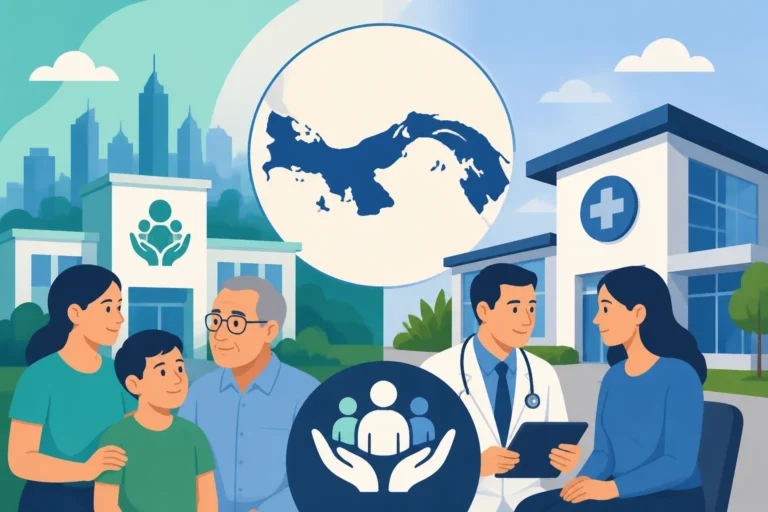
One of the first things you'll realize when considering healthcare in Panama is the stark contrast between the public and private sectors. It's a tale of two very different experiences, and knowing which one you might encounter, or prefer, is crucial for your peace of mind. As expats, we often come from countries with established systems, and the Panamanian reality can be a bit of a culture shock.
The Public Hospital Experience: Caja de Seguro Social (CSS)
The public healthcare system in Panama is primarily managed by the Caja de Seguro Social (CSS). This is Panama's social security fund, and if you're formally employed in Panama, you and your employer will be contributing to it. The idea is sound: provide universal healthcare access. However, the reality can often be challenging, especially for foreigners not accustomed to it.
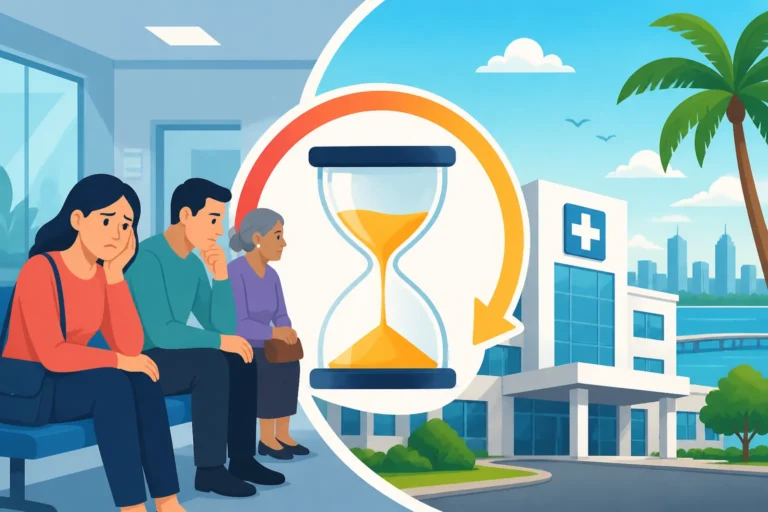
Imagine waiting hours in a crowded clinic, the air conditioning struggling, and the doctor only speaking Spanish. This isn't an exaggeration; it's a common scenario. Public hospitals, while offering essential care, often face significant resource constraints, leading to long wait times for appointments, diagnostics, and even procedures. Facilities can be basic, and the level of equipment might not always be state-of-the-art. For urgent needs, particularly in rural areas, CSS hospitals are often the only immediate option, and they do their best with what they have. However, for non-emergency or specialized care, many expats find the system less than ideal due to these limitations and potential language barriers. This is why many expats actively choose to understand How Panama's Health System Works: CSS and Private Care Explained (2027).
The Private Hospital Experience: Comfort, Technology, and Costs
On the other end of the spectrum are Panama's private hospitals, which cater to a different clientele, including many expats, tourists, and affluent Panamanians. These institutions are a world apart from their public counterparts. Think modern, clean facilities, state-of-the-art medical equipment, private rooms, shorter wait times, and a higher probability of finding English-speaking staff or easily accessible translators.
The experience in a private hospital often mirrors what you might expect in top-tier facilities in North America or Europe, albeit with a Latin American flavor of warmth and hospitality. This level of service and technology, however, comes at a cost. While generally more affordable than comparable care in the US, private hospital bills can quickly add up, making private health insurance not just a convenience, but a near necessity for many expats. Understanding the nuances between these systems is key to deciding whether Is Public or Private Healthcare Better for Expats in Panama? is the right question for your personal situation.
Essential Considerations When Choosing a Hospital
When it comes to your health, a "one size fits all" approach simply doesn't work. Choosing a hospital in Panama requires a bit of homework, weighing various factors to ensure you find a facility that meets your specific needs and expectations. It's about finding that sweet spot between quality, accessibility, and affordability, especially when you're far from home.
Accreditation, Quality, and Specializations
Hospital accreditation is a crucial indicator of quality and safety standards. While Panama has its own national health regulations, some private hospitals go the extra mile by seeking international accreditation, such as from the Joint Commission International (JCI). JCI accreditation means a hospital meets rigorous international benchmarks for patient care, safety, and operational efficiency. Knowing a hospital has this kind of external validation can provide immense peace of mind.
Beyond general quality, consider what specific services or specializations the hospital offers. Are you seeking a facility renowned for cardiology, orthopedics, maternity care, or perhaps a comprehensive cancer treatment center? Some hospitals excel in certain areas, with dedicated departments and specialists. For instance, some may have highly advanced imaging centers, while others might focus more on surgical procedures. Don't be shy about inquiring about their specific expertise if you have a known medical condition or a particular need. It’s also wise to research a hospital's reputation within the local expat community; word-of-mouth can be a powerful guide.
Location, Language Support, and Accessibility
Practical considerations like location can significantly impact your hospital choice, especially in an emergency. Being able to quickly reach a hospital is paramount. Consider its proximity to your home, workplace, or frequently visited areas. Panama City, while relatively compact, can have challenging traffic, so a hospital just a few kilometers away might take a considerable amount of time to reach during peak hours.
Language support is another major factor for many expats. While Panama is becoming more bilingual, particularly in service industries and tourist areas, medical professionals may not always speak English fluently. In private hospitals, you'll generally find more English-speaking staff, particularly at the front desk and among some doctors. However, it's never a guarantee. Before choosing a hospital for a non-emergency, ask about their translation services or if they have English-speaking doctors readily available. Having a friend or a trusted local who can translate for you can also be invaluable during appointments and admissions.
Accessibility also extends to public transportation or ease of parking. Is the hospital well-served by Metro lines or major bus routes? If you drive, is there ample, secure parking available? These seemingly minor details can become major frustrations if overlooked.
Emergency Response and Preparedness
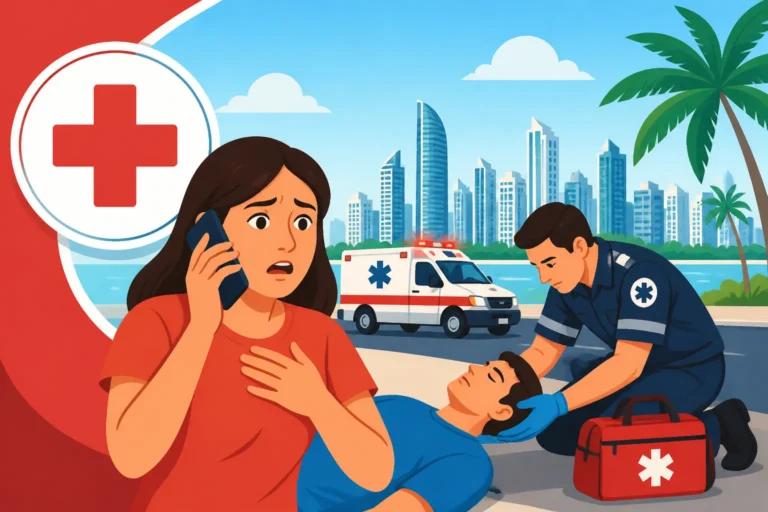
No one wants to think about an emergency, but being prepared is key. When choosing a hospital, especially for situations where minutes matter, understanding its emergency capabilities is vital. Are they equipped for various types of emergencies, from trauma to cardiac events? Do they have a dedicated, fully staffed emergency room that operates 24/7? What is their protocol for admitting emergency patients, particularly those without immediate proof of insurance?
Knowing the process for Emergency Medical Care in Panama: What Every Expat Needs to Know is a lifeline. Some private hospitals have robust emergency departments with specialists on call, while others might have more limited after-hours care. If you have pre-existing conditions that might lead to specific emergencies (e.g., heart issues, severe allergies), inquire about how they handle those situations. It’s also worth noting the availability of ambulance services affiliated with the hospital, as not all private hospitals operate their own. While the national emergency number 911 is functional, having a direct contact for a private ambulance service can sometimes expedite care, particularly for those in Panama City.
Spotlight on Panama's Premier Private Hospitals
Panama City is home to several excellent private hospitals that are frequently recommended by expats for their high standards of care, modern facilities, and often, English-speaking staff. These institutions represent the top tier of healthcare available in the country and are where many expats choose to receive treatment.
Hospital Punta Pacifica: A Johns Hopkins Affiliate
Hospital Punta Pacifica stands out as one of Panama's most internationally recognized hospitals, primarily due to its affiliation with Johns Hopkins Medicine International. This collaboration brings a level of expertise, quality assurance, and cutting-edge medical practices directly to Panama. Located in the upscale Punta Pacifica neighborhood of Panama City, it boasts state-of-the-art equipment, a wide array of specialized services, and a strong emphasis on patient comfort and safety.
Expats often praise Punta Pacifica for its modern ambiance, efficiency, and the professionalism of its staff. You'll find numerous specialists across various fields, from cardiology and oncology to orthopedics and general surgery. They are known for their advanced diagnostic imaging capabilities and comprehensive emergency services. While it is generally considered one of the most expensive private hospitals in Panama, many feel the quality of care justifies the cost. If you're seeking a facility with a strong international reputation and high standards, Punta Pacifica is often the first choice. They also offer a concierge service which can be helpful for international patients.
Hospital Nacional and Centro Médico Paitilla: Established Excellence
Close contenders to Punta Pacifica in terms of quality and comprehensive services are Hospital Nacional and Centro Médico Paitilla. Both are well-established institutions in Panama City, with decades of experience serving both local and international patients.
Hospital Nacional, located in the Bella Vista neighborhood, has a long-standing reputation for its wide range of medical and surgical services. It’s a full-service hospital with a strong emergency department, intensive care units, and a broad network of affiliated specialists. Many expats appreciate its central location and the long history of trusted care it provides. Like Punta Pacifica, it aims for international standards and often has English-speaking staff available, especially in administrative roles and among some doctors.
Centro Médico Paitilla, also situated in a central area of Panama City, is another highly regarded option. It prides itself on being a multi-specialty hospital with a focus on personalized care. Paitilla has invested in modern technology and offers a comprehensive suite of services, including advanced diagnostics, surgical procedures, and a robust emergency department. Patients often highlight its comfortable environment and attentive staff. For more on what to expect at these facilities, you might want to read How to Use Major Hospitals Like Punta Pacifica and Hospital Nacional.
Private Hospital Options Beyond Panama City
While Panama City hosts the largest and most advanced hospitals, you'll find quality private options in other major cities as well. For instance, Hospital Chiriqui in David, the capital of Chiriquí province, serves the expat communities in areas like Boquete and Volcán. This hospital offers a good range of medical services, including emergency care, surgery, and specialist consultations, often at a more affordable price point than in the capital. It's a crucial resource for those living in the western highlands, allowing residents to access quality care without having to travel all the way to Panama City for every medical need. When evaluating hospitals, remember to consider your geographical location and the nearest reputable facilities.
Navigating the Financial Side: Costs and Insurance Coverage
Let's talk money, because healthcare costs, especially in a foreign country, can be a major source of anxiety. Understanding how expenses are handled and what your insurance covers is paramount to making informed decisions about your hospital choice in Panama.
Private Health Insurance: Your Essential Safety Net
For most expats in Panama, private health insurance isn't just a luxury; it's a necessity. While the public CSS system is available to those who contribute, the private sector offers a significantly higher standard of care, shorter wait times, and a better overall experience. Without private insurance, even a minor emergency or diagnostic test at a private hospital can result in substantial out-of-pocket expenses.
Local Panamanian insurance providers, such as ASSA Compañía de Seguros, MAPFRE, and Generali, offer a range of plans, from basic coverage to comprehensive policies that include international benefits. Many expats also opt for international health insurance plans, which provide coverage not only in Panama but also worldwide, giving you flexibility if you travel frequently or wish to seek treatment in your home country. These plans are often more robust and specifically designed for expat needs. When comparing plans, pay close attention to deductibles, co-pays, annual limits, and whether the policy covers pre-existing conditions. It's truly your safety net, and knowing your coverage intimately will save you a lot of stress down the line. To dive deeper, check out Health Insurance in Panama: Private and International Options Explained.
Out-of-Pocket Expenses and Billing Procedures
Even with private insurance, you should be prepared for some out-of-pocket expenses in Panama. Most plans have deductibles (the amount you pay before insurance kicks in) and co-pays (a fixed amount you pay for a service). For routine doctor visits, you might pay a co-pay of $15-$30, while more complex procedures could involve a percentage co-insurance after your deductible is met.
Hospital billing in Panama generally follows a fee-for-service model. You'll often be asked for an upfront payment or a deposit, especially for admissions or emergency services, even if you have insurance. This deposit is usually a percentage of the estimated total cost. The hospital will then typically process the claim with your insurance company, and you'll be responsible for any remaining balance after the insurer has paid their portion. Keep all receipts and detailed invoices, as these are crucial for insurance claims or for your records. Don't hesitate to ask for an itemized bill, even if it requires a little extra persistence. Understanding Hospital Admission and Billing in Panama is critical.
International and Travel Insurance Considerations
For those who are not permanent residents or who travel frequently, international and travel insurance plans are vital. A good travel insurance policy can cover emergency medical expenses, medical evacuation, and repatriation. Companies like SafetyWing offer flexible and affordable travel medical insurance designed for digital nomads and travelers, which can be a lifesaver for unexpected hospital visits or medical emergencies while you’re out and about or simply between more permanent insurance solutions.
However, it's crucial to understand the limitations of travel insurance. It's primarily for emergencies and unexpected illnesses or injuries that occur while traveling, not for routine check-ups or managing chronic conditions. Always read the fine print to ensure it covers your specific needs, especially if you have pre-existing medical conditions. Many plans, including SafetyWing, might have specific exclusions or require you to purchase additional riders for certain coverages. Before you embark on your Panamanian adventure or if you're a new arrival, confirming that your travel insurance will be accepted and what procedures it covers can prevent a lot of stress in an emergency. If you're wondering, Can Tourists Access Emergency Care in Panama? delves into this.
Navigating a Hospital Visit: From Admission to Discharge
Even with a chosen hospital and insurance in hand, the process of actually undergoing treatment can feel daunting in a foreign country. Knowing what to expect during admission, how to communicate your needs, and what happens at discharge can significantly ease the experience.
The Admission Process for Expats
When you arrive at a private hospital for admission, whether it's for an elective procedure or an emergency, the process will typically begin at the admissions desk. You'll need to present your passport or cédula (Panamanian ID), your private health insurance card, and any referral letters from your doctor. Be prepared for a fair amount of paperwork, often in Spanish, so having a translator or a Spanish-speaking friend with you can be incredibly helpful.
As mentioned earlier, hospitals often request an upfront deposit, especially if your insurance is international or has a high deductible. It's a common practice in Panama. If you don't have private insurance, or if your plan isn't directly recognized by the hospital, you'll be expected to cover the costs yourself, potentially upfront. This is why understanding What Happens If I Get Sick Without Insurance in Panama? is so important. Always keep emergency contacts handy, including family members and perhaps your insurance provider's direct contact, as the hospital may need to verify your coverage.
Communication and Patient Rights
Effective communication is crucial for a positive hospital experience. While many private hospitals make an effort to have English-speaking staff, especially nurses and some doctors, it's not always guaranteed. Don't hesitate to politely request a translator if you're struggling to understand, or if you feel your medical concerns aren't being fully conveyed. Many hospitals have dedicated staff who can assist.
As a patient, you have rights, even in a foreign country. These include the right to be informed about your diagnosis and treatment options, the right to refuse treatment, and the right to confidentiality. If you feel uncertain about a diagnosis or a proposed treatment plan, it is perfectly acceptable to ask for clarification, or even a second opinion. Many doctors are open to discussing alternative treatments or providing more detailed explanations. Having a trusted friend or family member act as your advocate, especially if there's a language barrier, can be invaluable in ensuring your voice is heard and your needs are met. For non-emergencies, finding How to Find an English-Speaking Doctor in Panama can make these initial conversations much smoother.
Discharge and Follow-up Care
The discharge process can sometimes be as complex as admission. Before leaving the hospital, ensure you fully understand all discharge instructions, including medication dosages and schedules, follow-up appointments, and any restrictions on your activities. Don't be afraid to ask for these instructions in writing, and if possible, in English or with a clear translation. You'll typically settle any remaining balance on your bill at this point.
For prescriptions, the hospital pharmacy might be able to fill them directly, or you may be given a prescription to take to a local pharmacy. Remember to ask about generic options, which are often available and more affordable. Arranging follow-up care is also crucial. This might involve scheduling appointments with specialists, physical therapy, or simply a check-up with your primary care physician. If you're covered by an international insurance provider like SafetyWing, ensure you understand their reimbursement process for post-hospital care and any specific requirements for claiming expenses. Proactive planning for discharge helps ensure a smooth transition back to your recovery at home.
Comparative Overview of Top Private Hospitals in Panama City
To give you a clearer picture, here's a brief comparison of the leading private hospitals in Panama City, based on common expat considerations.
| Feature / Hospital | Hospital Punta Pacifica | Hospital Nacional | Centro Médico Paitilla |
|---|---|---|---|
| Location | Punta Pacifica, Panama City | Bella Vista, Panama City | Paitilla, Panama City |
| International Affiliation | Johns Hopkins Medicine International | None (but high local standards) | None (but high local standards) |
| Key Strengths | Most modern facilities, cutting-edge tech, concierge service, strong international reputation, English spoken widely in admin. | Broad range of specialists, established reputation, central location, comprehensive services. | Patient-focused care, modern equipment, comfortable environment, good for general medical needs. |
| Specialties | Cardiology, Oncology, Orthopedics, Neurosciences, Surgery, Pediatrics | General Surgery, Internal Medicine, Gynecology, Pediatrics, Emergency Care | Cardiology, Gastroenterology, Urology, Orthopedics, Diagnostic Imaging |
| Estimated Cost Range (Basic Consult) | $70 – $120+ | $50 – $90 | $50 – $90 |
| English-Speaking Staff | High availability in key areas | Moderate to High | Moderate to High |
Note: Estimated costs are for general consultations and can vary significantly based on the doctor's specialty and experience.
Disclaimer
The information provided in this guide is intended for general informational purposes only and does not constitute medical, legal, or financial advice. While we strive to keep the information accurate and up-to-date, healthcare systems, regulations, and costs in Panama can change. Always consult with a qualified medical professional, insurance provider, or legal expert for advice tailored to your specific situation. We are not responsible for any actions taken based on the information presented herein.